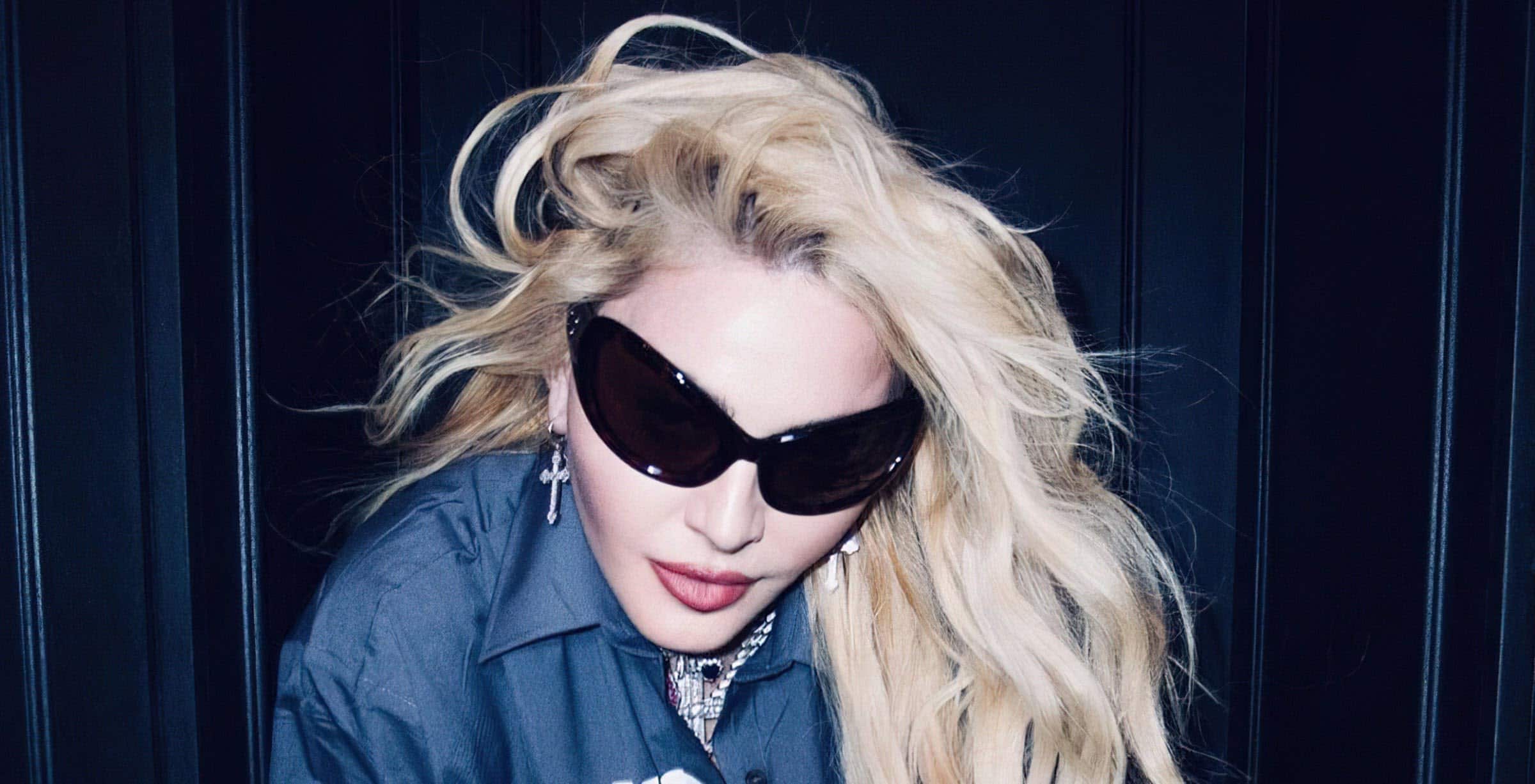
Madonna, the Queen of Pop, has been a trailblazer and an icon in the music industry for decades. With her innovative music, provocative performances, and constant reinvention, she has influenced countless artists and pushed the boundaries of what it means to be a pop star. Throughout her illustrious career, Madonna has released numerous chart-topping hits that have become beloved classics, showcasing her versatility, creativity, and undeniable talent. In this article, we’ll explore the top 10 most popular Madonna songs of all time, each of which has left an indelible mark on the music world and solidified her status as a legend.
1. Like a Prayer
“Like a Prayer” is a powerful, gospel-infused pop anthem that showcases Madonna’s ability to blend the sacred and the secular, creating a song that is both spiritually uplifting and sexually charged. Released in 1989, the track features a soaring chorus, backed by a choir and pulsating beats, that builds to an ecstatic crescendo. The lyrics, which explore themes of faith, love, and personal liberation, are delivered with passion and conviction, as Madonna’s vocals range from tender whispers to full-throated cries. The song’s controversial music video, which features religious imagery and interracial romance, further cemented its status as a cultural touchstone and a testament to Madonna’s fearlessness as an artist. “Like a Prayer” became a massive commercial and critical success, topping charts worldwide and earning praise for its bold, innovative fusion of pop, rock, and gospel. The song’s enduring popularity and its ability to inspire and empower listeners have made it a timeless classic, celebrated for its musical and visual daring, its emotional depth, and its unabashed celebration of spirituality and sexuality.
2. Material Girl
“Material Girl,” released in 1984, is a quintessential 80s pop song that helped define Madonna’s early image as a provocative, confident, and ambitious artist. The track’s infectious, synth-driven melody, catchy chorus, and tongue-in-cheek lyrics about the pursuit of wealth and success perfectly captured the zeitgeist of the decade, with its emphasis on materialism and excess. Madonna’s vocals, delivered with a mix of playfulness and irony, showcase her ability to subvert expectations and challenge societal norms, even as she seems to embody them. The song’s iconic music video, inspired by Marilyn Monroe’s performance of “Diamonds Are a Girl’s Best Friend,” further solidified Madonna’s status as a cultural icon and a master of self-promotion. “Material Girl” became a massive commercial success, reaching the top five on charts worldwide and cementing Madonna’s position as one of the biggest pop stars of the era. The song’s enduring popularity and its role in shaping Madonna’s public persona have made it a classic of 80s pop culture, celebrated for its catchy hooks, clever lyrics, and the way it both embodies and critiques the values of its time.
3. Vogue
“Vogue,” released in 1990, is a sleek, sophisticated dance track that pays homage to the golden age of Hollywood while also celebrating the vibrant underground dance culture of the LGBTQ+ community. The song’s pulsing beat, lush instrumentation, and Madonna’s spoken-word rap, which name-checks iconic stars of the past, create an atmosphere of glamour, nostalgia, and escapism. The lyrics, which encourage listeners to “strike a pose” and express themselves through dance, are a call to liberation and self-empowerment, particularly for marginalized communities. The song’s accompanying music video, directed by David Fincher, is a stunning black-and-white showcase of the stylized, highly choreographed dance moves that defined the voguing subculture. “Vogue” became a massive commercial and critical success, topping charts worldwide and earning praise for its innovative fusion of house music, pop, and rap. The song’s enduring popularity and its role in bringing voguing and LGBTQ+ culture to the mainstream have made it a classic of dance-pop and a testament to Madonna’s allyship and cultural impact.
4. Like a Virgin
“Like a Virgin,” the title track from Madonna’s second studio album, released in 1984, is a pop classic that solidified her status as a provocative and boundary-pushing artist. The song’s upbeat, infectious melody, driven by a prominent bassline and synthesizers, contrasts with its suggestive lyrics, which use the metaphor of virginity to explore themes of love, desire, and transformation. Madonna’s vocals, alternating between coy and assertive, perfectly capture the song’s mix of innocence and experience, as she sings about feeling “shiny and new” in the throes of passion. The song’s controversial music video and Madonna’s infamous performance at the first MTV Video Music Awards, both of which played with the imagery of virginity and sexual awakening, further cemented the track’s status as a cultural touchstone and a testament to Madonna’s willingness to push buttons and spark conversations. “Like a Virgin” became a massive commercial success, topping charts worldwide and establishing Madonna as one of the most exciting and provocative artists of her generation. The song’s enduring popularity and its role in shaping discussions about female sexuality and agency have made it a classic of pop music and a testament to Madonna’s enduring cultural impact.
5. Papa Don’t Preach
“Papa Don’t Preach,” released in 1986, is a powerful, socially conscious pop song that tackles the sensitive issue of teenage pregnancy and a young woman’s right to make her own choices. The track’s driving beat, guitar riffs, and string arrangements create a sense of urgency and drama, as Madonna’s vocals, filled with emotion and determination, tell the story of a young woman confronting her father about her decision to keep her baby. The lyrics, which grapple with themes of love, responsibility, and independence, are delivered with a mix of vulnerability and defiance, as the protagonist pleads for understanding and support from her family. The song’s music video, which features a working-class setting and a diverse cast, further underscores the track’s social realism and its sympathy for the challenges faced by young women. “Papa Don’t Preach” became a massive commercial success, topping charts worldwide and sparking conversations about reproductive rights, family dynamics, and the role of pop music in addressing social issues. The song’s enduring popularity and its ability to resonate with listeners on a deeply personal level have made it a classic of Madonna’s discography and a testament to her willingness to tackle complex, often controversial subjects in her art.
6. Crazy for You
“Crazy for You,” released in 1985 as part of the soundtrack for the film “Vision Quest,” is a lush, romantic ballad that showcases Madonna’s versatility as a vocalist and her ability to convey deep emotion through her performances. The song’s gentle, piano-driven melody, soft rhythms, and soaring background vocals create an atmosphere of intimacy and yearning, as Madonna’s tender, heartfelt delivery expresses the intensity and vulnerability of falling deeply in love. The lyrics, which speak of an all-consuming, irresistible passion, are both poetic and relatable, capturing the euphoria and uncertainty of surrendering to one’s feelings. The song’s music video, featuring scenes from the film interspersed with shots of Madonna performing the track, further emphasizes the song’s cinematic quality and its evocation of young, romantic love. “Crazy for You” became a commercial success, reaching the top of the Billboard Hot 100 and showcasing Madonna’s range as an artist, particularly her ability to deliver powerful, emotive ballads alongside her more upbeat, dance-oriented tracks. The song’s enduring popularity and its status as a karaoke and wedding staple have made it a timeless classic, celebrated for its beautiful melody, heartfelt lyrics, and Madonna’s stunning vocal performance.
7. Express Yourself
“Express Yourself,” released in 1989, is an empowering, feminist anthem that encourages self-love, assertiveness, and the rejection of gender stereotypes. The song’s funky, brass-driven beat, infectious chorus, and Madonna’s commanding vocals create an atmosphere of confidence, joy, and liberation, as she urges listeners, particularly women, to stand up for themselves and demand equality in their relationships and in society at large. The lyrics, which champion the importance of self-expression, independence, and the pursuit of one’s dreams, are delivered with a mix of playfulness and conviction, as Madonna asserts her own agency and encourages others to do the same. The song’s iconic music video, directed by David Fincher, is a visually stunning, cinematic tribute to female empowerment, featuring Madonna as a powerful, androgynous figure presiding over a world of industrial machinery and male subordinates. “Express Yourself” became a commercial success and a critical milestone in Madonna’s career, cementing her status as a feminist icon and a champion of self-expression. The song’s enduring popularity and its message of empowerment and equality have made it a classic of pop music and a testament to Madonna’s role in shaping cultural conversations about gender, power, and identity.
8. Take a Bow
“Take a Bow,” released in 1994, is a hauntingly beautiful, R&B-influenced ballad that showcases Madonna’s growth as a vocalist and her ability to convey complex emotions through her performances. The song’s slow, graceful melody, understated instrumentation, and Madonna’s restrained, soulful delivery create an atmosphere of melancholy, regret, and quiet resilience, as she sings about the end of a tumultuous relationship and the bittersweet acceptance of its conclusion. The lyrics, which use the metaphor of the stage to explore themes of performance, authenticity, and the masks we wear in love, are both poetic and introspective, showcasing Madonna’s maturity as a songwriter and her willingness to explore more personal, vulnerable territory in her music. The song’s music video, directed by Michael Haussman, features Madonna as a neglected lover in a visually stunning, cinematic tribute to 1940s Hollywood glamour. “Take a Bow” became a commercial success, topping the Billboard Hot 100 for seven weeks and earning critical acclaim for its sophistication, emotional depth, and Madonna’s standout vocal performance. The song’s enduring popularity and its status as one of Madonna’s most beloved ballads have made it a classic of her discography and a testament to her evolution as an artist.
9. Ray of Light
“Ray of Light,” the title track from Madonna’s seventh studio album, released in 1998, is an exhilarating, spiritually charged dance anthem that marked a significant departure from her previous work and showcased her ability to reinvent herself and push the boundaries of pop music. The song’s pulsing, electronic beat, soaring vocals, and introspective lyrics, which explore themes of self-discovery, transcendence, and the search for meaning in a chaotic world, create an atmosphere of euphoria, wonder, and cosmic connection. Madonna’s dynamic vocal performance, which ranges from intimate whispers to ecstatic cries, perfectly captures the song’s sense of spiritual awakening and the transformative power of music and dance. The song’s innovative production, which blends elements of techno, trance, and ambient music, was a groundbreaking fusion of pop and electronic music that influenced countless artists and helped to redefine the sound of mainstream music in the late 1990s. “Ray of Light” became a commercial and critical success, earning Madonna Grammy Awards for Best Dance Recording and Best Pop Album, and cementing her status as a visionary artist and a master of reinvention. The song’s enduring popularity and its message of hope, healing, and the power of self-discovery have made it a classic of Madonna’s discography and a testament to her enduring cultural impact.
10. Hung Up
“Hung Up,” released in 2005, is an infectious, dance-pop masterpiece that showcases Madonna’s ability to create irresistible, club-ready anthems that resonate with audiences around the world. The song’s pulsing, disco-inspired beat, built around a sample from ABBA’s “Gimme! Gimme! Gimme! (A Man After Midnight),” and Madonna’s confident, commanding vocals create an atmosphere of urgency, desire, and the thrill of the dancefloor. The lyrics, which express the frustration and longing of waiting for a lover’s call, are both relatable and empowering, as Madonna asserts her own worth and refuses to be strung along by an unreliable partner. The song’s music video, featuring Madonna as a dance instructor and a variety of international dance scenes, further emphasizes the track’s global appeal and its celebration of the unifying power of music and movement. “Hung Up” became a massive commercial success, topping charts worldwide and earning critical acclaim for its catchy hooks, infectious energy, and Madonna’s enduring ability to dominate the pop music landscape. The song’s enduring popularity and its status as a defining track of the early 2000s have made it a classic of Madonna’s discography and a testament to her ongoing influence and relevance as an artist.

Edward Tomlin is a frequent contributor to Singers Room. Since 2005, Singersroom has been the voice of R&B around the world. Connect with us via social media below.









