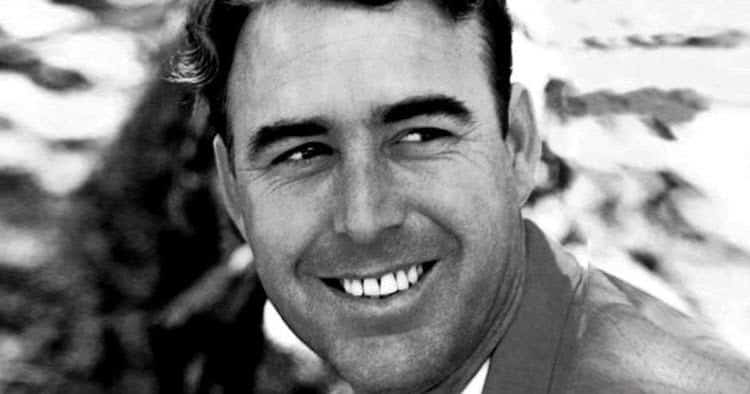
Johnny Horton, an iconic figure in the annals of American music, carved a niche for himself with a distinctive blend of honky-tonk, rockabilly, and folk songs that have stood the test of time. Known for his ability to weave historical tales and personal narratives into catchy melodies, Horton’s work has transcended generations, appealing to fans of all ages. This article aims to celebrate the enduring legacy of Johnny Horton by delving into his top ten most popular songs. From the battle cries of “The Battle of New Orleans” to the poignant “North to Alaska,” we explore the tracks that define Horton’s remarkable contribution to music, illustrating why these songs have become timeless classics in the realm of American music. Join us as we journey through the musical landscape crafted by Johnny Horton, honoring the songs that have captured the hearts of millions and solidified his place as a legend in the music industry.
1. The Battle of New Orleans
“The Battle of New Orleans” is a riveting historical ballad that catapults listeners back to the War of 1812, specifically to the iconic battle that took place in January 1815. Johnny Horton’s rendition of this song, with its lively banjo strumming and Horton’s dynamic vocal delivery, vividly paints the picture of American troops, under General Andrew Jackson, triumphing over the British forces. The lyrics, penned by Jimmy Driftwood, are both educational and entertaining, offering a whimsical yet patriotic recount of the events that led to a decisive American victory, despite being outnumbered and outgunned. Horton’s engaging storytelling, combined with the song’s catchy chorus and upbeat rhythm, makes “The Battle of New Orleans” not just a musical piece but a historical journey that celebrates American resilience and ingenuity. Released in 1959, the song quickly ascended to the top of the Billboard charts, solidifying its place in the annals of classic American music. It resonates with listeners not only for its historical significance but also for its ability to connect the past with the present, reminding us of the enduring spirit of the American people. Horton’s performance is both a tribute to the soldiers who fought in the battle and a testament to the song’s timeless appeal.
2. North to Alaska
“North to Alaska,” performed by Johnny Horton, is a stirring anthem that captures the adventurous spirit of the American frontier during the late 19th century Klondike Gold Rush. Released in 1960, the song serves as the theme for the film of the same name, starring John Wayne. Horton’s robust vocal delivery and the song’s vibrant instrumentation transport listeners to the rugged landscapes of Alaska, where fortune seekers embarked on perilous journeys in search of gold. The lyrics narrate the story of Big Sam McCord and his companions as they navigate the treacherous yet breathtaking terrain of the north, embodying the dreams and hardships of those who dared to chase their fortunes in the untamed wilderness.
“North to Alaska” resonates with listeners for its portrayal of courage, determination, and the relentless pursuit of opportunity, themes that are deeply woven into the American fabric. Horton’s ability to blend storytelling with an infectious melody ensures the song’s enduring popularity, making it an essential part of his musical legacy. The song not only celebrates the spirit of adventure but also pays homage to the resilience of those who sought to forge a new life in the face of daunting challenges. Its catchy chorus and memorable melody make “North to Alaska” a timeless classic that continues to inspire and entertain audiences, evoking the excitement and promise of the frontier.
3. Honky Tonk Man
“Honky Tonk Man,” one of Johnny Horton’s most memorable hits, showcases his unique blend of country and rockabilly styles, making it a standout track in his discography. Released in 1956, the song features Horton’s vibrant vocals and an upbeat tempo that captures the essence of the honky-tonk nightlife. The lyrics tell the story of a man who lives for the thrill of the dance floor, the allure of jukebox melodies, and the excitement of the honky-tonk scene, painting a vivid picture of the mid-20th century American social landscape.
Horton’s performance is both charismatic and engaging, drawing listeners into the lively world of honky-tonk bars with their vibrant social interactions and the carefree spirit of the times. The song’s infectious rhythm and catchy chorus invite audiences to tap their feet and sing along, making “Honky Tonk Man” an enduring favorite in both country and rockabilly circles. Its success laid the groundwork for Horton’s career and influenced the development of the rockabilly genre, blending traditional country themes with the energy and rhythm of early rock and roll.
“Honky Tonk Man” stands as a testament to Johnny Horton’s talent for storytelling through music, his ability to connect with listeners through relatable themes of love, leisure, and the pursuit of happiness. The song’s popularity has endured over the decades, solidifying its place as a classic in the American music canon and further establishing Horton as an iconic figure in country and rockabilly music.
4. Sink the Bismarck
“Sink the Bismarck” is a powerful narrative song by Johnny Horton that immortalizes one of World War II’s most dramatic naval battles. Released in 1960, this song recounts the relentless pursuit and ultimate destruction of the German battleship Bismarck by the British Navy in May 1941. Horton’s commanding voice, coupled with the stirring martial beat and dramatic instrumentation, brings to life the tension and heroism of this historic naval engagement. The lyrics serve not only as a tribute to the bravery of the Allied forces but also capture the strategic importance of the mission to sink the Bismarck, which was then the most formidable battleship threatening the Allied naval forces.
The song skillfully blends historical accuracy with a compelling narrative, making the listeners feel as though they are part of the chase across the North Atlantic. Horton’s ability to convey the urgency and excitement of the hunt, as well as the pride and relief following the Bismarck’s sinking, showcases his talent for storytelling through music. “Sink the Bismarck” stands as a testament to Horton’s knack for turning historical events into engaging musical tales, appealing to a sense of patriotism and heroism.
This track not only cemented Horton’s reputation as a master of historical ballads but also played a role in keeping the memory of World War II alive in popular culture. Its popularity at the time of release and enduring appeal in the years since reflect the fascination with and reverence for wartime heroics, as well as the universal desire for peace and security. “Sink the Bismarck” remains one of Johnny Horton’s most celebrated songs, a stirring reminder of the sacrifices made during one of history’s greatest conflicts.
5. Whispering Pines
“Whispering Pines” is a hauntingly beautiful ballad by Johnny Horton that stands out for its melancholic melody and emotive delivery. Released in 1959, this song delves into themes of loneliness, longing, and the healing power of nature. Horton’s tender vocal performance, complemented by the gentle sway of the melody and the soft, atmospheric backing vocals, evokes a sense of serene solitude amidst the whispering pines. The lyrics tell the story of a person yearning for a lost love, finding solace and a sense of connection in the natural world, with the whispering pines serving as both a literal and metaphorical backdrop to their deep emotional landscape.
The song’s poignant narrative and lush, evocative instrumentation make it a timeless piece within Horton’s repertoire, showcasing his versatility as an artist capable of traversing the spectrum from upbeat historical ballads to introspective, soul-stirring tunes. “Whispering Pines” resonates with listeners for its ability to capture the universal experience of seeking comfort in the beauty of nature during moments of heartache and solitude. It’s this blend of lyrical depth, musical gentleness, and emotional honesty that has cemented the song’s place as a beloved classic in the genre of country music.
Through “Whispering Pines,” Horton offers a window into the human condition, reminding us of the restorative power of nature and the enduring human capacity to find hope and beauty in the midst of sorrow. This track not only highlights his range as a vocalist and storyteller but also serves as a poignant reminder of the complex emotional landscapes that music can explore and illuminate.
6. Johnny Reb
“Johnny Reb” is a stirring tribute to the Confederate soldier, released by Johnny Horton in 1959. Through this song, Horton delves into the heart and soul of the American Civil War, paying homage to the resilience, bravery, and enduring spirit of the Southern soldiers. The song’s martial drumbeat and solemn tone set the stage for a narrative that is both reflective and respectful, acknowledging the hardships and sacrifices faced by those who fought under the Confederate flag.
Horton’s deep, resonant voice carries the weight of history, imbuing the lyrics with a sense of reverence and solemnity. The song navigates the complexities of war, honor, and the personal valor of the Confederate soldier, avoiding political commentary and instead focusing on the human element of the conflict. “Johnny Reb” captures the listener’s imagination, transporting them to a bygone era marked by division and strife, yet underscored by individual acts of courage and determination.
Despite the contentious subject matter, Horton’s treatment of the theme is marked by its nuance and sensitivity. The song does not glorify war but rather seeks to remember those who fought with valor and conviction. “Johnny Reb” contributes to Horton’s legacy as an artist capable of tackling a wide range of subjects, from historical ballads to heartfelt narratives, demonstrating his profound ability to resonate with audiences across diverse themes.
As a piece of musical storytelling, “Johnny Reb” stands out for its ability to evoke empathy and reflection on a pivotal period in American history. Horton’s ability to convey complex emotions and historical narratives through song has cemented “Johnny Reb” as a memorable entry in the canon of American folk and country music, appreciated for its lyrical depth and emotional resonance.
7. All For the Love of a Girl
“All For the Love of a Girl” is a deeply moving ballad by Johnny Horton, released in 1959, showcasing his ability to capture the essence of love’s profound impact on the human spirit. This song diverges from Horton’s historical and adventurous tales, instead offering a tender, heartfelt exploration of love and its capacity to both uplift and devastate. Horton’s rich, emotive voice, combined with the slow, deliberate pace of the music, perfectly encapsulates the bittersweet nature of love.
The lyrics tell the story of a man who experiences the heights of happiness and the depths of despair, all for the love of a girl. The song’s narrative is simple yet universal, touching on the timeless theme of love’s powerful sway over one’s life. Horton’s delivery is earnest and sincere, conveying the raw emotions of joy, love, and loss with a palpable intensity that resonates deeply with listeners.
“All For the Love of a Girl” stands out in Horton’s discography as a testament to his versatility as an artist and his skill in expressing the intricacies of the human heart. The song’s arrangement, featuring gentle guitar strumming and minimalistic backing, allows Horton’s vocals to shine, highlighting the purity and honesty of his performance.
This track remains a beloved classic, cherished for its emotional depth and the beauty of its simplicity. It showcases Horton’s ability to connect with his audience on a personal level, transcending the bounds of time and genre. “All For the Love of a Girl” is a poignant reminder of the power of love to inspire, to heal, and to transform, making it a timeless piece in the legacy of Johnny Horton’s music.
8. When It’s Springtime in Alaska
“When It’s Springtime in Alaska (It’s Forty Below)” is a captivating song by Johnny Horton, released in 1959, that combines the allure of the Alaskan frontier with a humorous yet tragic tale of love and its pitfalls. This song stands out for its vivid storytelling and Horton’s ability to transport listeners to the rugged, icy landscapes of Alaska, all while weaving a narrative that’s both engaging and cautionary. The song’s lively tempo and Horton’s spirited vocals capture the excitement and danger of life in the far north, where the beauty of spring comes with a biting cold.
The lyrics tell the story of a man who, enthralled by the arrival of spring in Alaska, finds himself in a dangerous love triangle that ends in a chilling twist. The juxtaposition of the harsh Alaskan spring with the warmth of newfound love creates a unique backdrop for this tale of romance and rivalry. Horton’s knack for storytelling shines through, as he balances the song’s light-hearted melody with the darker undercurrents of its narrative.
“When It’s Springtime in Alaska (It’s Forty Below)” showcases Horton’s versatility as an artist, his ability to evoke the extremes of the human and natural worlds, and his talent for creating songs that are both entertaining and reflective. The song remains a favorite among fans for its catchy chorus, engaging story, and the way it highlights Horton’s distinctive voice and charismatic delivery.
This track not only adds to Horton’s legacy as a singer of historical and adventurous tales but also as a masterful storyteller capable of capturing the imagination and touching the heart. Its enduring popularity attests to the universal appeal of Horton’s music and his skill in crafting songs that resonate with listeners across different eras and genres.
9. Cherokee Boogie
“Cherokee Boogie” is an energetic and lively track by Johnny Horton that showcases his ability to blend genres and create music that’s both fun and historically resonant. Released in the early 1950s, this song is a vibrant mix of country, rockabilly, and boogie-woogie, reflecting Horton’s diverse musical influences and talents. The song’s upbeat tempo and Horton’s enthusiastic vocal delivery invite listeners to dance and sing along, making it an instant hit and a party favorite.
The lyrics of “Cherokee Boogie” pay homage to Native American heritage, with Horton adopting a playful tone to celebrate Cherokee culture through music. The song’s infectious rhythm, combined with its engaging lyrics, captures the spirit of joy and celebration. Horton’s performance is characterized by its energy and charisma, showcasing his knack for creating music that bridges cultural narratives and entertainment.
“Cherokee Boogie” stands out in Horton’s discography as a testament to his innovative approach to music-making, his respect for different cultures, and his ability to craft songs that are both meaningful and enjoyable. The track’s success helped to cement Horton’s place in the music industry, highlighting his versatility as an artist and his commitment to exploring diverse themes and sounds.
Over the years, “Cherokee Boogie” has remained a beloved classic, celebrated for its lively beat, catchy melody, and Horton’s unique blend of country and rockabilly styles. This song not only demonstrates Horton’s musical range but also his ability to connect with audiences through themes of celebration and cultural appreciation, making it a standout piece in the legacy of his music.
10. The Golden Rocket
“The Golden Rocket” is a high-octane, upbeat song by Johnny Horton that captures the essence of the golden age of rail travel. Released in 1959, this track stands out for its rapid tempo and Horton’s energetic vocal delivery, which together evoke the excitement and speed of the titular train. The song combines elements of country and rockabilly, showcasing Horton’s ability to fuse genres and create a sound that’s both distinctive and broadly appealing.
Lyrically, “The Golden Rocket” tells the story of a man leaving behind a troubled relationship, using the metaphor of a fast-moving train to symbolize his eagerness to move on and start anew. The train’s powerful, unstoppable momentum mirrors the protagonist’s determination to leave his past behind, making for a compelling narrative of liberation and renewal. Horton’s storytelling prowess is on full display, with vivid imagery and a catchy chorus that invites listeners to join in on the journey.
“The Golden Rocket” resonates with listeners for its portrayal of freedom and adventure, themes that are deeply ingrained in the American psyche. Horton’s performance captures the spirit of optimism and the allure of the open road (or in this case, the railway), making the song a timeless anthem for those looking to escape the mundane and embark on new adventures.
This track not only highlights Johnny Horton’s vocal talent and flair for storytelling but also reflects the cultural fascination with rail travel as a symbol of progress and exploration. “The Golden Rocket” remains a standout song in Horton’s discography, celebrated for its lively beat, engaging narrative, and Horton’s ability to connect with the listener’s sense of wanderlust and desire for change.

Samuel Moore is a frequent contributor to Singers Room. Since 2005, Singersroom has been the voice of R&B around the world. Connect with us via social media below.









