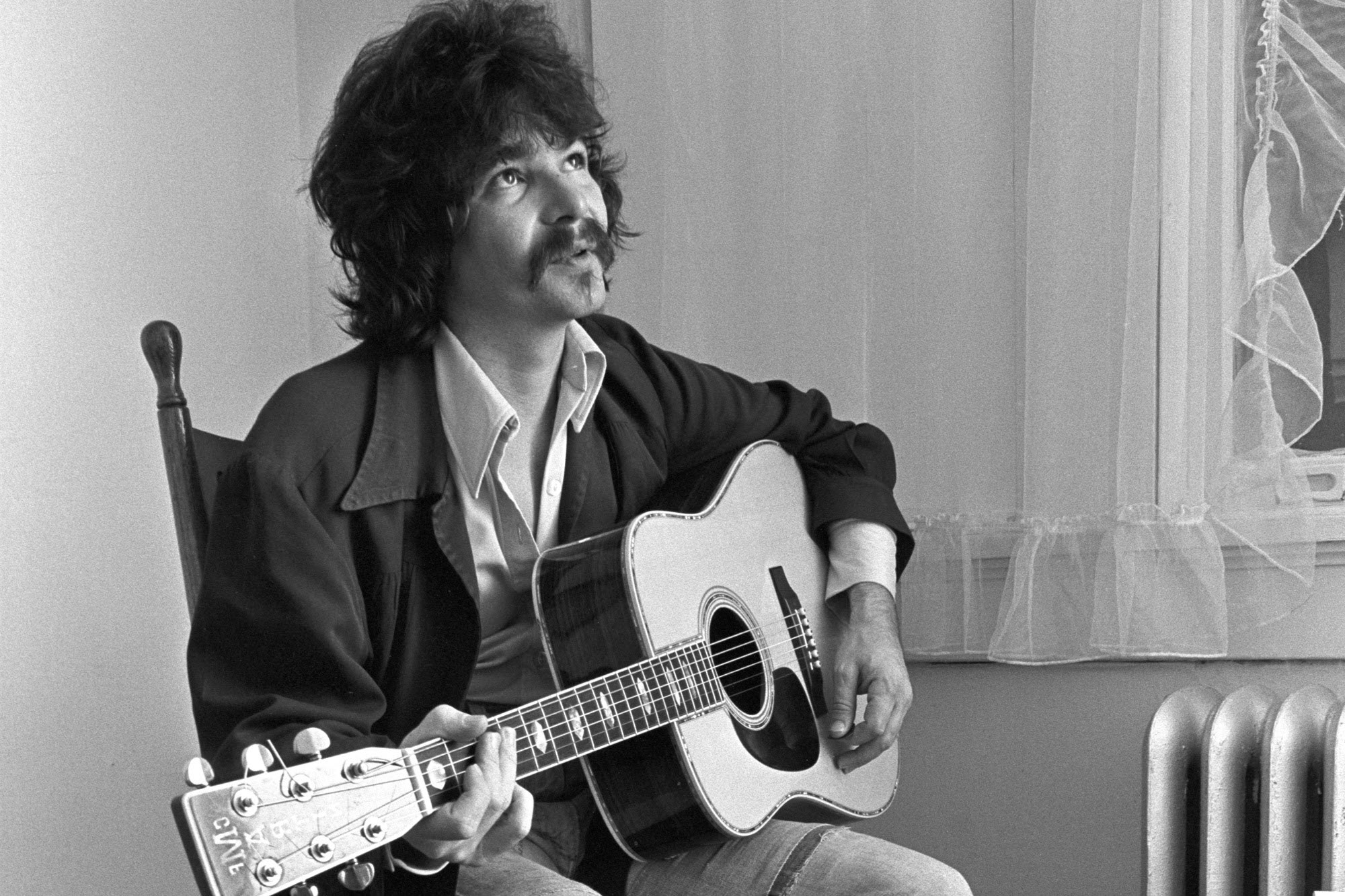
John Prine, a beloved American singer-songwriter, left an indelible mark on the world of folk, country, and Americana music. With his unique blend of wit, wisdom, and emotional depth, Prine crafted songs that captured the essence of the human experience, from the joys and sorrows of everyday life to the absurdities and injustices of the world around us. His music, characterized by its simplicity, honesty, and poignant storytelling, has inspired countless artists and continues to resonate with listeners of all ages. In this article, we will explore the top 10 most popular John Prine songs, delving into the stories behind the tracks and the elements that have made them enduring classics.
1. Angel from Montgomery
“Angel from Montgomery” is perhaps John Prine’s most iconic and beloved song, a poignant and beautifully crafted portrait of a woman trapped in a life of quiet desperation. The song’s protagonist, a middle-aged housewife, longs for escape and adventure, dreaming of a mysterious “angel” who will whisk her away from her mundane existence. Prine’s lyrics, with their vivid imagery and empathetic tone, perfectly capture the sense of longing and regret that so many people experience as they grow older and confront the limitations of their lives. The song’s simple, yet hauntingly beautiful melody, combined with Prine’s weathered, emotive vocals, creates a sense of intimacy and authenticity that has made “Angel from Montgomery” a timeless classic. The song has been covered by countless artists, including Bonnie Raitt, whose rendition helped bring Prine’s music to a wider audience. “Angel from Montgomery” is a testament to Prine’s unparalleled ability to create music that is both deeply personal and universally relatable, touching the hearts and minds of listeners across generations.
2. Sam Stone
“Sam Stone” is a haunting and powerful song that showcases John Prine’s ability to tackle difficult, socially relevant subjects with empathy, insight, and unflinching honesty. The song tells the story of a Vietnam War veteran who returns home with a devastating heroin addiction, ultimately destroying his life and the lives of those around him. Prine’s lyrics, with their vivid, sometimes shocking imagery, paint a heartbreaking portrait of a man struggling to cope with the trauma of war and the weight of his own demons. Lines like “There’s a hole in daddy’s arm where all the money goes” and “Sweet songs never last too long on broken radios” capture the sense of despair and hopelessness that so many veterans and their families experience in the aftermath of conflict. The song’s simple, folk-inspired melody and Prine’s understated, yet emotive vocals, add to its power and poignancy, creating a sense of intimacy and connection with the listener. “Sam Stone” is a testament to Prine’s courage as an artist and his commitment to using his music as a tool for social commentary and change.
3. Hello in There
“Hello in There” is a tender and deeply moving song that showcases John Prine’s remarkable ability to capture the essence of the human experience with empathy, grace, and poetic simplicity. The song tells the story of an elderly couple, forgotten and isolated in their old age, yearning for connection and human touch. Prine’s lyrics, with their vivid, heartbreaking details, paint a portrait of lives slowly fading away, with memories and dreams replaced by loneliness and regret. Lines like “Ya’ know that old trees just grow stronger, and old rivers grow wilder every day, but old people just grow lonesome” capture the sense of loss and invisibility that so many seniors experience as they age. The song’s gentle, folk-inspired melody and Prine’s warm, compassionate vocals create a sense of intimacy and connection with the listener, inviting us to see the humanity and value in every person, no matter their age or circumstances. “Hello in There” is a testament to Prine’s unparalleled ability to create music that speaks to the heart and soul, reminding us of the beauty and fragility of life.
4. Paradise
“Paradise” is a nostalgic and bittersweet song that showcases John Prine’s ability to use personal stories and memories to explore broader themes of loss, change, and environmental destruction. The song, inspired by Prine’s own family history, tells the story of the small town of Paradise, Kentucky, a once-thriving community that was ultimately destroyed by the coal mining industry. Prine’s lyrics, with their vivid, evocative imagery, paint a picture of a world that has been lost forever, with natural beauty and human connection replaced by greed and exploitation. Lines like “Then the coal company came with the world’s largest shovel, and they tortured the timber and stripped all the land” capture the sense of outrage and helplessness that so many communities experience in the face of corporate greed and environmental destruction. The song’s simple, folk-inspired melody and Prine’s wistful, emotive vocals create a sense of longing and nostalgia, inviting the listener to reflect on the cost of progress and the importance of preserving our natural and cultural heritage. “Paradise” is a testament to Prine’s ability to use his music as a tool for social commentary and activism, reminding us of the power of storytelling to inspire change and bring people together.
5. That’s the Way That the World Goes ‘Round
“That’s the Way That the World Goes ‘Round” is a whimsical and philosophical song that showcases John Prine’s unique blend of humor, wisdom, and musical storytelling. The song, with its playful melody and clever wordplay, offers a lighthearted take on the ups and downs of life, reminding us that “a heart stained in anger grows weak and grows bitter.” Prine’s lyrics, with their absurdist imagery and unexpected twists, capture the sense of randomness and unpredictability that often characterizes the human experience. Lines like “I was sitting in the bathtub counting my toes, when the radiator broke, water all froze” showcase Prine’s ability to find humor and beauty in even the most mundane and frustrating moments of life. The song’s catchy, sing-along chorus and Prine’s wry, good-natured vocals create a sense of joy and resilience, inviting the listener to embrace the chaos and absurdity of the world with a smile and a shrug. “That’s the Way That the World Goes ‘Round” is a testament to Prine’s ability to use his music as a tool for healing and connection, reminding us of the power of laughter and perspective in the face of life’s challenges.
6. In Spite of Ourselves
“In Spite of Ourselves” is a charming and hilarious duet that showcases John Prine’s ability to capture the quirks, joys, and challenges of romantic relationships with humor, honesty, and affection. The song, featuring Prine and Iris DeMent trading verses and harmonies, tells the story of a couple who, despite their differences and imperfections, find love and happiness in each other’s company. Prine’s lyrics, with their playful, sometimes raunchy humor, celebrate the idea that true love is about accepting and embracing each other’s flaws and eccentricities. Lines like “She thinks all my jokes are corny, convict movies make her horny” and “He ain’t got laid in a month of Sundays, I caught him once and he was sniffin’ my undies” showcase Prine’s ability to find the humor and humanity in even the most awkward and embarrassing moments of intimacy. The song’s lively, country-inspired melody and the charming, good-natured vocals of Prine and DeMent create a sense of warmth and affection, inviting the listener to celebrate the messy, imperfect beauty of love and companionship. “In Spite of Ourselves” is a testament to Prine’s ability to use his music as a tool for connection and joy, reminding us of the power of laughter and acceptance in building strong, lasting relationships.
7. Christmas in Prison
“Christmas in Prison” is a poignant and unconventional holiday song that showcases John Prine’s ability to find humanity and hope in even the most difficult and desolate circumstances. The song, with its gentle, folk-inspired melody and Prine’s warm, compassionate vocals, tells the story of a prisoner who finds solace and connection in the memory of a past love during the loneliness of the holiday season. Prine’s lyrics, with their vivid, evocative imagery, paint a picture of a man struggling to maintain his humanity and dignity in the face of isolation and despair. Lines like “The search light in the big yard swings round with the gun, and spotlights the snowflakes like the dust in the sun” capture the sense of beauty and resilience that can be found even in the darkest of places. The song’s chorus, with its wistful, repeated refrain of “Wait awhile eternity, old mother Nature’s got nothing on me,” speaks to the power of love and memory to transcend time and circumstance, offering hope and comfort in even the bleakest of moments. “Christmas in Prison” is a testament to Prine’s ability to use his music as a tool for empathy and understanding, reminding us of the common humanity that binds us all together.
8. Souvenirs
“Souvenirs” is a nostalgic and introspective song that showcases John Prine’s ability to capture the bittersweet nature of memory and the passage of time with poetic simplicity and emotional depth. The song, with its gentle, finger-picked guitar and Prine’s wistful, understated vocals, reflects on the fleeting nature of youth and the importance of cherishing the moments and relationships that shape our lives. Prine’s lyrics, with their vivid, heartfelt imagery, paint a picture of a man looking back on his life with a mix of fondness, regret, and acceptance. Lines like “Broken hearts and dirty windows make life difficult to see, but when the morning light comes streaming in, you’ll get up and do it again” speak to the resilience and hope that can be found even in the face of loss and disappointment. The song’s chorus, with its repeated refrain of “Memories, they can’t be boughten, they can’t be won at carnivals for free,” reminds us of the priceless value of our experiences and the people we share them with. “Souvenirs” is a testament to Prine’s ability to use his music as a tool for reflection and gratitude, inviting us to cherish the moments that make up the fabric of our lives.
9. All the Best
“All the Best” is a bittersweet and thoughtful song that showcases John Prine’s ability to capture the complexities of human relationships with empathy, honesty, and grace. The song, with its gentle, country-inspired melody and Prine’s warm, weathered vocals, tells the story of a man wishing an old flame well as she moves on with her life. Prine’s lyrics, with their mix of sadness, acceptance, and hope, paint a picture of a love that has run its course, but still holds a special place in the heart. Lines like “I wish you love and happiness, I guess I wish you all the best” and “I guess you know I love you, I guess you know I care” speak to the enduring power of connection and the importance of cherishing the people who have touched our lives, even as we let them go. The song’s simple, yet haunting melody and Prine’s emotive, understated delivery create a sense of intimacy and authenticity, inviting the listener to reflect on their own experiences of love, loss, and letting go. “All the Best” is a testament to Prine’s ability to use his music as a tool for healing and understanding, reminding us of the beauty and resilience of the human heart.
10. Illegal Smile
“Illegal Smile” is a playful and subversive song that showcases John Prine’s ability to use humor and wit to comment on social and political issues with intelligence and empathy. The song, with its upbeat, folk-rock melody and Prine’s wry, conspiratorial vocals, tells the story of a man who finds solace and escape in the use of illegal substances, despite the judgments and consequences of a disapproving society. Prine’s lyrics, with their clever wordplay and sly innuendo, use the protagonist’s “illegal smile” as a metaphor for the ways in which individuals seek to find happiness and meaning in a world that often seems hostile or absurd. Lines like “Won’t you please tell the man I didn’t kill anyone, no I’m just tryin’ to have me some fun” and “Well now I’m just a simple man and I live a simple way, but if I get the chance again, I’ll blow ’em all away” speak to the sense of rebellion and defiance that can be found in even the most ordinary acts of self-expression and individuality. The song’s catchy, sing-along chorus and Prine’s good-natured, irreverent delivery create a sense of camaraderie and shared experience, inviting the listener to embrace their own “illegal smile” in the face of life’s absurdities and challenges. “Illegal Smile” is a testament to Prine’s ability to use his music as a tool for social commentary and personal liberation, reminding us of the power of laughter and nonconformity in a world that often takes itself too seriously.

Samuel Moore is a frequent contributor to Singers Room. Since 2005, Singersroom has been the voice of R&B around the world. Connect with us via social media below.









