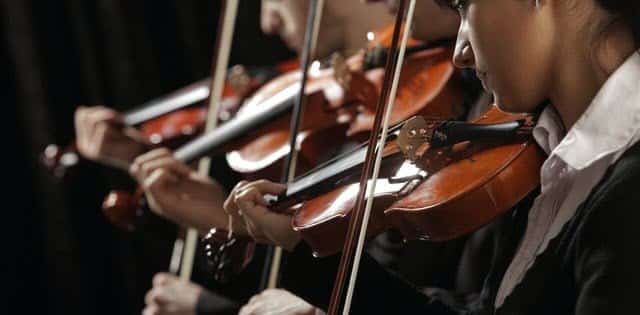
Classical music, with its rich history and diverse styles, has given us some of the most beautiful and emotionally powerful compositions ever created. From the Baroque era to the modern age, composers have crafted works that continue to captivate and inspire audiences around the world. In this article, we present the top 15 best classical music pieces of all time, each one a testament to the genius and artistry of the composers who brought them to life. These timeless masterpieces showcase the incredible range and depth of human expression, and remind us of the enduring power of music to touch our hearts and souls.
1. Symphony No. 9 in D minor, Op. 125 “Choral” by Ludwig van Beethoven
Beethoven’s Symphony No. 9, often referred to as the “Choral Symphony,” is a monumental work that represents the pinnacle of the composer’s artistic achievement. The symphony’s four movements take the listener on a journey from darkness and struggle to light and triumph, culminating in the famous “Ode to Joy” finale. The work’s innovative use of a choir and vocal soloists in the final movement was groundbreaking at the time, and has since become one of the most recognizable and beloved melodies in all of classical music. The symphony’s themes of unity, brotherhood, and the potential for human greatness continue to resonate with audiences today, making it a powerful symbol of hope and resilience in the face of adversity. Beethoven’s masterful use of form, harmony, and orchestration throughout the work is a testament to his genius as a composer, and his ability to create music that is both intellectually stimulating and emotionally profound. The Symphony No. 9 remains one of the most frequently performed and widely beloved works in the classical canon, and a true masterpiece of Western art.
2. The Four Seasons by Antonio Vivaldi
Antonio Vivaldi’s “The Four Seasons” is a set of four violin concertos that beautifully capture the essence and moods of each season. The composer’s innovative use of musical elements, such as texture, dynamics, and tone colors, vividly depicts the sounds and sensations associated with spring, summer, autumn, and winter. From the gentle breezes and birdsongs of spring to the icy storms and crackling fires of winter, Vivaldi’s music transports the listener to the heart of each season. The solo violin parts are both technically challenging and emotionally expressive, requiring the performer to convey a wide range of feelings and characters. The accompanying string orchestra provides a lush and supportive foundation, with Vivaldi’s signature use of ritornello form creating a sense of structure and coherence throughout the work. “The Four Seasons” has become one of the most popular and widely recognized pieces of classical music, beloved by audiences for its beauty, drama, and evocative power. The concertos’ enduring appeal is a testament to Vivaldi’s genius as a composer and his ability to create music that speaks to the human experience of the natural world.
3. Piano Concerto No. 21 in C Major, K. 467 by Wolfgang Amadeus Mozart
Mozart’s Piano Concerto No. 21, often referred to as the “Elvira Madigan” concerto, is a work of sublime beauty and emotional depth. The concerto’s three movements showcase Mozart’s incredible gift for melody, with the piano and orchestra engaging in a graceful and intimate dialogue throughout. The second movement, Andante, is particularly renowned for its serene and lyrical beauty, with the piano’s gentle, introspective melodies weaving a spell of enchantment over the listener. Mozart’s use of subtle chromaticism and expressive ornamentation imbues the music with a sense of tenderness and vulnerability, creating a mood of quiet reflection and introspection. The outer movements, marked Allegro maestoso and Allegro vivace assai, are characterized by their lively and spirited energy, with the piano and orchestra exchanging playful and virtuosic passages that showcase the soloist’s technical brilliance and the ensemble’s tight coordination. The concerto’s enduring popularity and its status as one of the most beloved works in the piano repertoire are a testament to Mozart’s genius as a composer and his unparalleled ability to create music that speaks directly to the heart and soul.
4. Symphony No. 5 in C minor, Op. 67 by Ludwig van Beethoven
Beethoven’s Symphony No. 5 is one of the most recognizable and iconic works in the classical canon, with its famous four-note opening motif known around the world as a symbol of fate knocking at the door. The symphony’s four movements take the listener on a journey from darkness and struggle to light and triumph, mirroring Beethoven’s own personal struggles with deafness and despair. The work’s intense emotional power and dramatic contrasts, from the stormy and turbulent first movement to the exultant and heroic finale, have made it a favorite of audiences and musicians alike. Beethoven’s innovative use of form, harmony, and orchestration throughout the symphony, such as the use of trombones in the final movement and the recurring use of the opening motif as a unifying device, have had a profound influence on the development of the symphonic form and on generations of composers who followed in his footsteps. The Symphony No. 5 remains a towering achievement of human creativity and a testament to the enduring power of music to express the deepest and most universal of human emotions.
5. “Toccata and Fugue in D minor, BWV 565” by Johann Sebastian Bach
Bach’s “Toccata and Fugue in D minor” is a work of awe-inspiring technical brilliance and emotional intensity that has become one of the most famous and frequently performed pieces of organ music in the world. The toccata, with its rapid-fire runs, dramatic chord progressions, and virtuosic pedal work, showcases Bach’s incredible skill as a composer and performer, and has become a true test of an organist’s abilities. The fugue, with its complex contrapuntal structure and masterful use of theme and variation, is a stunning example of Bach’s genius as a composer and his unparalleled understanding of musical form and harmony. The piece’s dark, brooding atmosphere and its associations with the supernatural and the macabre have made it a favorite of filmmakers and popular culture, cementing its status as a true icon of classical music. The “Toccata and Fugue” is a testament to Bach’s enduring legacy as one of the greatest composers of all time, and a powerful example of the way that music can evoke the deepest and most primal of human emotions.
6. “Requiem Mass in D minor, K. 626” by Wolfgang Amadeus Mozart
Mozart’s “Requiem Mass in D minor” is a work of profound spiritual and emotional depth that has captivated audiences for centuries. The piece, which was left unfinished at the time of Mozart’s death and later completed by his student Franz Xaver Süssmayr, is a setting of the Catholic Mass for the Dead, and is characterized by its dark, somber mood and its powerful expressions of grief, fear, and hope. The work’s opening movement, “Requiem aeternam,” with its haunting melody and anguished harmonies, sets the tone for the entire piece, conveying a sense of the fragility and impermanence of human life. The “Dies irae,” with its thundering choral and orchestral forces and its vivid depictions of the Day of Judgment, is a tour de force of dramatic intensity and musical imagination. The “Lacrimosa,” with its achingly beautiful melody and its poignant expressions of sorrow and loss, is one of the most moving and unforgettable moments in all of classical music. The “Requiem” is a testament to Mozart’s incredible gift for musical expression and his ability to create works of art that speak to the deepest and most universal of human experiences.
7. “The Planets” by Gustav Holst
Gustav Holst’s “The Planets” is a monumental orchestral suite that takes the listener on a journey through the solar system, with each of its seven movements depicting the astrological character and mythological associations of a different planet. The work’s innovative use of orchestration, harmony, and rhythm creates a vivid and immersive soundscape that captures the wonder and mystery of the cosmos. From the ominous and militaristic “Mars, the Bringer of War” to the ethereal and otherworldly “Neptune, the Mystic,” each movement of “The Planets” is a unique and captivating musical portrait that showcases Holst’s incredible imagination and skill as a composer. The suite’s use of unconventional instruments, such as the bass oboe and the tenor tuba, adds to its distinctive and otherworldly sound, while its lush and expressive melodies and harmonies create a sense of emotional depth and grandeur. “The Planets” has become one of the most popular and frequently performed works of orchestral music, beloved by audiences for its beauty, drama, and evocative power. The work’s enduring appeal is a testament to Holst’s genius as a composer and his ability to create music that captures the wonder and mystery of the universe.
8. “Dvořák’s Symphony No. 9 in E minor, Op. 95, B. 178, ‘From the New World'” by Antonín Dvořák
Antonín Dvořák’s Symphony No. 9, often referred to as the “New World Symphony,” is a work of incredible beauty, emotional depth, and cultural significance. Composed during Dvořák’s time in the United States, the symphony is infused with the spirit and sounds of American folk music, including African American spirituals and Native American melodies, while also incorporating elements of the composer’s own Czech heritage. The work’s four movements take the listener on a journey through a wide range of emotions and musical landscapes, from the wistful and nostalgic Largo to the exuberant and triumphant finale. Dvořák’s masterful use of orchestration, melody, and harmony throughout the symphony creates a rich and immersive soundscape that captures the essence of the American experience and the universal human longing for home and belonging. The symphony’s enduring popularity and its status as one of the most beloved works in the orchestral repertoire are a testament to Dvořák’s genius as a composer and his ability to create music that transcends cultural and geographical boundaries. The “New World Symphony” remains a powerful symbol of the potential for music to bring people together and to celebrate the beauty and diversity of the human experience.
9. “The Nutcracker” by Pyotr Ilyich Tchaikovsky
Pyotr Ilyich Tchaikovsky’s ballet “The Nutcracker” is a beloved holiday classic that has enchanted audiences of all ages for over a century. The work’s charming story, which follows the adventures of a young girl named Clara and her magical nutcracker prince, is brought to life through Tchaikovsky’s incredibly vivid and expressive music. From the delicate and shimmering “Dance of the Sugar Plum Fairy” to the lively and energetic “Russian Dance,” each musical number in the ballet is a miniature masterpiece that perfectly captures the mood and character of the corresponding scene. Tchaikovsky’s use of leitmotifs, or recurring musical themes associated with specific characters or ideas, helps to create a sense of unity and coherence throughout the work, while his masterful orchestration and use of tone color create a sense of magic and wonder that transports the listener to a world of fantasy and imagination. “The Nutcracker” has become one of the most popular and frequently performed ballets in the world, and its music has taken on a life of its own, with many of its melodies and themes becoming iconic symbols of the holiday season. The work’s enduring appeal is a testament to Tchaikovsky’s incredible skill as a composer and his ability to create music that speaks to the child in all of us.
10. “Ride of the Valkyries” from “Die Walküre” by Richard Wagner
“Ride of the Valkyries” is a thrilling and iconic orchestral prelude from Richard Wagner’s opera “Die Walküre,” the second installment of his epic “Der Ring des Nibelungen” cycle. The piece’s driving rhythm, soaring melodies, and powerful brass and percussion sections perfectly capture the excitement and drama of the Valkyries, the fierce female warriors of Norse mythology, as they ride through the sky on their flying horses. Wagner’s use of leitmotifs, or recurring musical themes associated with specific characters or ideas, is particularly effective in this piece, with the Valkyries’ theme serving as a unifying and recognizable element throughout. The work’s innovative use of chromaticism, dissonance, and dynamic contrast was groundbreaking for its time, and helped to pave the way for the development of modern orchestral music. “Ride of the Valkyries” has become one of the most recognizable and frequently referenced pieces of classical music in popular culture, appearing in countless films, television shows, and advertisements. The work’s enduring popularity is a testament to Wagner’s incredible skill as a composer and his ability to create music that is both technically brilliant and emotionally thrilling.
11. “Messiah” by George Frideric Handel
George Frideric Handel’s oratorio “Messiah” is a monumental work of sacred music that has become one of the most beloved and frequently performed choral works in the world. The oratorio, which tells the story of Jesus Christ’s life, death, and resurrection through a series of recitatives, arias, and choruses, is a testament to Handel’s incredible skill as a composer and his deep understanding of the emotional and spiritual power of music. The work’s opening Sinfony, with its stately and majestic orchestral introduction, sets the tone for the entire oratorio, while the famous “Hallelujah” chorus, with its triumphant and exultant vocal and orchestral forces, is one of the most recognizable and beloved moments in all of classical music. Handel’s use of word painting, or the musical representation of the text’s meaning, is particularly effective throughout the work, with each aria and chorus serving as a vivid and emotionally charged reflection on the story of Christ. “Messiah” has become a staple of the Christmas season, with performances taking place around the world each year, and its enduring popularity is a testament to the universal appeal and timeless beauty of Handel’s music.
12. “Moonlight Sonata” by Ludwig van Beethoven
Ludwig van Beethoven’s “Moonlight Sonata” is a hauntingly beautiful piano sonata that has become one of the most beloved and recognizable works in the classical repertoire. The sonata’s three movements take the listener on an emotional journey from the dark and introspective first movement, with its famous opening melody played in the right hand over a rolling bass line in the left, to the stormy and passionate final movement, with its fast and furious runs and dramatic dynamic contrasts. Beethoven’s innovative use of form and harmony in the sonata, particularly in the unconventional placement of the slow movement at the beginning rather than the middle, was groundbreaking for its time and helped to establish him as one of the most important composers of the early Romantic era. The sonata’s nickname, “Moonlight,” was not given by Beethoven himself but rather by the German music critic Ludwig Rellstab, who compared the first movement’s dreamy and ethereal quality to the reflection of moonlight on Lake Lucerne. The “Moonlight Sonata” has become a staple of the piano repertoire and a favorite of performers and audiences alike, its enduring popularity a testament to Beethoven’s incredible skill as a composer and his ability to create music that is both technically brilliant and emotionally profound.
13. “The Magic Flute” by Wolfgang Amadeus Mozart
Wolfgang Amadeus Mozart’s opera “The Magic Flute” is a enchanting and beloved work that has captivated audiences for centuries with its beautiful music, engaging story, and profound themes. The opera tells the tale of Prince Tamino and his quest to rescue the beautiful Pamina from the clutches of the evil Sarastro, aided by the magic flute and the lovable bird-catcher Papageno. Mozart’s score is a masterpiece of musical storytelling, with each aria, duet, and ensemble number perfectly capturing the emotions and personalities of the characters. From the playful and comic “Pa-pa-pa” duet between Papageno and Papagena to the soaring and heroic “Dies Bildnis ist bezaubernd schön” aria sung by Tamino, the music of “The Magic Flute” is both technically brilliant and emotionally powerful. The opera’s themes of love, wisdom, and the triumph of good over evil are universal and timeless, and its message of enlightenment and brotherhood continues to resonate with audiences today. “The Magic Flute” is a testament to Mozart’s incredible skill as a composer and his ability to create works of art that are both entertaining and deeply meaningful.
14. “Carmen” by Georges Bizet
Georges Bizet’s opera “Carmen” is a fiery and passionate work that has become one of the most popular and frequently performed operas in the world. The opera tells the story of the bold and seductive gypsy Carmen and her tragic love affair with the soldier Don José, set against the colorful and exotic backdrop of 19th-century Seville. Bizet’s score is a masterpiece of musical drama, with each aria and ensemble number perfectly capturing the emotions and personalities of the characters. From the famous “Habanera” aria, with its seductive melody and playful lyrics, to the dramatic and intense “Toreador Song,” with its rousing chorus and thrilling orchestration, the music of “Carmen” is both technically brilliant and emotionally powerful. The opera’s themes of love, passion, and the consequences of our choices are timeless and universal, and its portrayal of strong and independent female characters was groundbreaking for its time. “Carmen” has become a cultural touchstone, with its music and story inspiring countless adaptations and interpretations in film, dance, and popular culture. The opera’s enduring popularity is a testament to Bizet’s incredible skill as a composer and his ability to create works of art that are both entertaining and deeply meaningful.
15. “Symphony No. 3 in C minor, Op. 78” by Camille Saint-Saëns
Camille Saint-Saëns’ Symphony No. 3, often referred to as the “Organ Symphony,” is a monumental work that showcases the composer’s mastery of orchestral and instrumental writing. The symphony’s four movements take the listener on a journey through a wide range of emotions and musical landscapes, from the dark and brooding first movement to the triumphant and exultant finale. Saint-Saëns’ innovative use of the organ as a featured solo instrument was groundbreaking for its time and adds a unique and powerful dimension to the work. The organ’s entrance in the second movement, with its majestic chords and soaring melodies, is one of the most breathtaking and unforgettable moments in all of classical music. The symphony’s themes of struggle, redemption, and the power of the human spirit are universal and timeless, and its message of hope and resilience continues to resonate with audiences today. Saint-Saëns’ Symphony No. 3 is a testament to his incredible skill as a composer and his ability to create works of art that are both technically brilliant and emotionally profound, cementing his place as one of the greatest composers of the 19th century.

Edward Tomlin is a frequent contributor to Singers Room. Since 2005, Singersroom has been the voice of R&B around the world. Connect with us via social media below.









