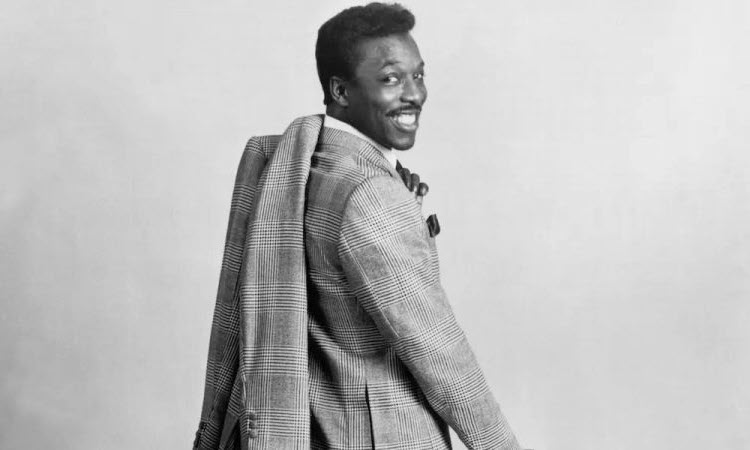
Wilson Pickett was an influential American R&B, soul, and rock and roll singer and songwriter. Born on March 18, 1941, in Prattville, Alabama, Pickett rose to fame in the 1960s with his powerful voice, energetic stage presence, and string of hit songs.
Pickett began his music career singing with gospel groups before transitioning to R&B and rock and roll. He gained attention as the lead vocalist of the group The Falcons before embarking on a successful solo career.
One of Pickett’s most famous songs is “In the Midnight Hour,” released in 1965. This song, characterized by its irresistible groove and Pickett’s electrifying vocals, became a massive hit and established him as a major figure in the music industry. Other notable hits include “Mustang Sally,” “Land of 1000 Dances,” and “Funky Broadway.”
Pickett’s music was known for its raw energy, soulful delivery, and ability to get audiences dancing. He was often referred to as the “Wicked Pickett” for his dynamic stage presence and powerful voice.
Throughout his career, Pickett had a significant influence on the development of soul and R&B music, inspiring countless artists with his distinctive style and sound. He was inducted into the Rock and Roll Hall of Fame in 1991 in recognition of his contributions to the genre.
Wilson Pickett passed away on January 19, 2006, but his music continues to be celebrated and admired by fans around the world. He remains a legendary figure in the history of soul and R&B music, leaving behind a legacy of timeless hits and unforgettable performances.
1. Mustang Sally
“Mustang Sally” is a classic rhythm and blues song originally written and recorded by Mack Rice in 1965. However, it is most famously associated with Wilson Pickett, who released his version of the song later that same year.
“Mustang Sally” is a lively and energetic track that tells the story of a man urging his woman to slow down and appreciate what she has. The titular “Mustang Sally” is a woman who loves to ride around town in her Mustang car, but the singer wants her to come back home and spend time with him.
Wilson Pickett’s rendition of “Mustang Sally” became one of his signature songs and a major hit, reaching the top of the R&B charts and crossing over to the pop charts as well. Pickett’s powerful vocals and the song’s catchy melody, combined with its driving rhythm, made it a favorite among audiences and a staple of soul and R&B music.
“Mustang Sally” has since become a classic and has been covered by numerous artists across various genres. It remains a popular song for live performances and continues to be enjoyed by music fans worldwide for its infectious groove and timeless appeal.
2. In the Midnight Hour
“In the Midnight Hour” is a classic soul song written by Wilson Pickett and Steve Cropper. Released in 1965, it became one of Pickett’s signature songs and a defining hit of the soul genre.
The song’s lyrics revolve around longing and desire, with the narrator expressing a yearning to be with their lover in the midnight hour. The repetitive refrain of “I’m gonna wait till the midnight hour” emphasizes the sense of anticipation and urgency.
“In the Midnight Hour” features a memorable horn section, driving rhythm, and Pickett’s powerful, soulful vocals. The song’s irresistible groove and catchy melody made it an instant hit, topping the R&B charts and crossing over to the pop charts as well.
Beyond its initial success, “In the Midnight Hour” has remained enduringly popular and has been covered by numerous artists over the years. It has also been featured in various films, television shows, and commercials, solidifying its status as a classic of soul music.
3. Land of 1000 Dances
“Land of 1000 Dances” is a song originally written and recorded by Chris Kenner in 1962. However, it’s best known for the cover version by Wilson Pickett, released in 1966, which became a hit and a staple of 1960s soul music.
Wilson Pickett’s rendition of “Land of 1000 Dances” is characterized by its energetic rhythm, catchy horn arrangements, and Pickett’s soulful vocals. The song’s lyrics list various dance crazes and invite listeners to join in the celebration on the dance floor.
The iconic chorus of “Na na-na-na-na” and the exuberant call-and-response sections contribute to the song’s infectious and party-like atmosphere. The song’s lively groove and universal appeal made it a favorite among audiences and contributed to its enduring popularity.
“Land of 1000 Dances” has been covered by numerous artists across various genres, and it continues to be a popular choice for live performances and dance parties. Its upbeat tempo and infectious energy have solidified its status as a classic in the realms of soul, R&B, and rock music.
4. Funky Broadway
“Funky Broadway” is a song originally written and recorded by Dyke & the Blazers in 1967. It’s a funk and soul track that became a hit and an influential song in the development of funk music.
The song’s lyrics describe the vibrant atmosphere and lively energy of Broadway, a street in New York City known for its theaters and nightlife. The singer encourages listeners to join in and dance to the funky rhythm of Broadway.
Dyke & the Blazers’ version of “Funky Broadway” features a driving beat, catchy horn section, and energetic vocals. The song’s infectious groove and energetic performance contributed to its popularity and enduring appeal.
Over the years, “Funky Broadway” has been covered by numerous artists and incorporated into various music genres, including funk, soul, and R&B. Its upbeat tempo and lively spirit continue to make it a favorite among audiences and a classic in the realm of funk music.
5. Don’t Knock My Love
“Don’t Knock My Love” is a soul song originally recorded by Wilson Pickett in 1971. It was written by Brad Shapiro, Dave Crawford, and Wilson Pickett himself. The song was a significant hit for Pickett, reaching the top ten on the Billboard R&B chart and crossing over to the pop charts as well.
“Don’t Knock My Love” is characterized by its funky groove, catchy horn section, and Pickett’s soulful vocals. The song’s lyrics convey a plea for understanding and acceptance in a relationship, with Pickett urging his partner not to criticize or judge his love. Instead, he asks for patience and empathy, emphasizing the importance of mutual respect and support.
The track’s infectious rhythm and lively instrumentation made it a favorite among audiences and a standout in Pickett’s discography. “Don’t Knock My Love” remains a beloved classic of soul music, celebrated for its timeless appeal and irresistible groove.
6. 634-5789
“634-5789 (Soulsville, U.S.A.)” is a song written by Eddie Floyd and Steve Cropper. It was originally recorded by soul singer Wilson Pickett in 1966. The song is known for its catchy melody, energetic rhythm, and Pickett’s powerful vocals.
In “634-5789 (Soulsville, U.S.A.),” Wilson Pickett sings about a telephone number that he receives from a woman. The lyrics describe how he can’t stop thinking about her and urges her to call him anytime she needs him. The song’s upbeat tempo and infectious groove make it a classic example of 1960s soul music.
“634-5789 (Soulsville, U.S.A.)” was a commercial success for Wilson Pickett, reaching the top 10 on the Billboard R&B chart and the top 20 on the Billboard Hot 100 chart. The song’s memorable hook and Pickett’s dynamic performance have made it a staple of his catalog and a beloved classic in the realm of soul music.
7. Everybody Needs Somebody to Love
“Everybody Needs Somebody to Love” is a classic rhythm and blues song that has been covered by numerous artists over the years. Originally written by Bert Berns, Solomon Burke, and Jerry Wexler, the song was first recorded by Solomon Burke in 1964.
The song’s lyrics convey a universal message of longing and companionship, emphasizing the importance of love and human connection. The repetitive refrain of “Everybody needs somebody to love” underscores the song’s central theme.
“Everybody Needs Somebody to Love” is characterized by its lively rhythm, energetic horn section, and soulful vocals. Solomon Burke’s original recording of the song became a major hit, reaching the top ten on the R&B charts and achieving widespread acclaim.
The song has since been covered by numerous artists across various genres, including The Rolling Stones, The Blues Brothers, and Wilson Pickett, among others. Each rendition brings its own unique interpretation to the song while maintaining its timeless appeal and infectious energy.
“Everybody Needs Somebody to Love” remains a beloved classic of rhythm and blues music, celebrated for its irresistible groove and universal message of love and togetherness.
8. 99 and a Half (Won’t Do)
“99 and a Half (Won’t Do)” is a soul song written by Steve Cropper, Eddie Floyd, and Wilson Pickett. It was recorded by Wilson Pickett in 1966 and released as a single from his album “The Exciting Wilson Pickett.”
In the song, Pickett sings about the desire to give his all to a romantic partner. He declares that he’s willing to give “99 and a half” percent of his love, but emphasizes that he won’t settle for anything less than full commitment from his partner. The catchy chorus repeats the phrase “99 and a half just won’t do,” emphasizing the importance of giving one’s all in a relationship.
“99 and a Half (Won’t Do)” features a driving rhythm, energetic horns, and Pickett’s powerful vocals, characteristic of his signature soul sound. The song became a hit for Pickett, reaching the top 15 on the Billboard R&B chart and showcasing his ability to deliver dynamic and emotionally charged performances.
Over the years, “99 and a Half (Won’t Do)” has remained a classic in the realm of soul music, with its message of love and commitment resonating with audiences. It has been covered by various artists and continues to be celebrated for its infectious groove and memorable lyrics.
9. Don’t Let the Green Grass Fool You
“Don’t Let the Green Grass Fool You” is a soul song originally recorded by Wilson Pickett in 1971. It was written by Jerry Akines, Johnnie Bellmon, and Wade Brown.
The song’s lyrics caution against being fooled by appearances and superficiality. The metaphor of “green grass” symbolizes the illusion of greener pastures or better opportunities elsewhere, while the singer advises listeners to appreciate what they have and not be deceived by false promises.
“Don’t Let the Green Grass Fool You” features a funky groove, horn-driven arrangement, and Pickett’s trademark soulful vocals. The song’s energetic rhythm and catchy melody made it a hit on the R&B charts and a favorite among fans of soul music.
Over the years, “Don’t Let the Green Grass Fool You” has been covered by various artists and remains a classic of the genre. It continues to be celebrated for its timeless message and irresistible groove, showcasing Wilson Pickett’s enduring influence on soul music.
10. Don’t Fight It
“Don’t Fight It” is a song originally written and recorded by Wilson Pickett in 1965. It was one of his early hits and became a staple of his repertoire.
In “Don’t Fight It,” Wilson Pickett sings about the power of love and attraction, urging his romantic interest to give in to their feelings and embrace the passion between them. The song’s lyrics convey a sense of urgency and desire, with Pickett’s gritty vocals adding to the intensity of the message.
Musically, “Don’t Fight It” is characterized by its driving rhythm, upbeat tempo, and lively horn section. The song features a catchy melody and a memorable chorus that encourages listeners to let go of their inhibitions and surrender to the irresistible pull of love.
“Don’t Fight It” was a commercial success for Wilson Pickett, reaching the top 20 on the Billboard Hot 100 chart and the top 5 on the Billboard R&B chart. The song’s infectious energy and infectious groove have made it a favorite among fans of soul and R&B music, and it remains a classic in Pickett’s catalog.

Edward Tomlin is a frequent contributor to Singers Room. Since 2005, Singersroom has been the voice of R&B around the world. Connect with us via social media below.









