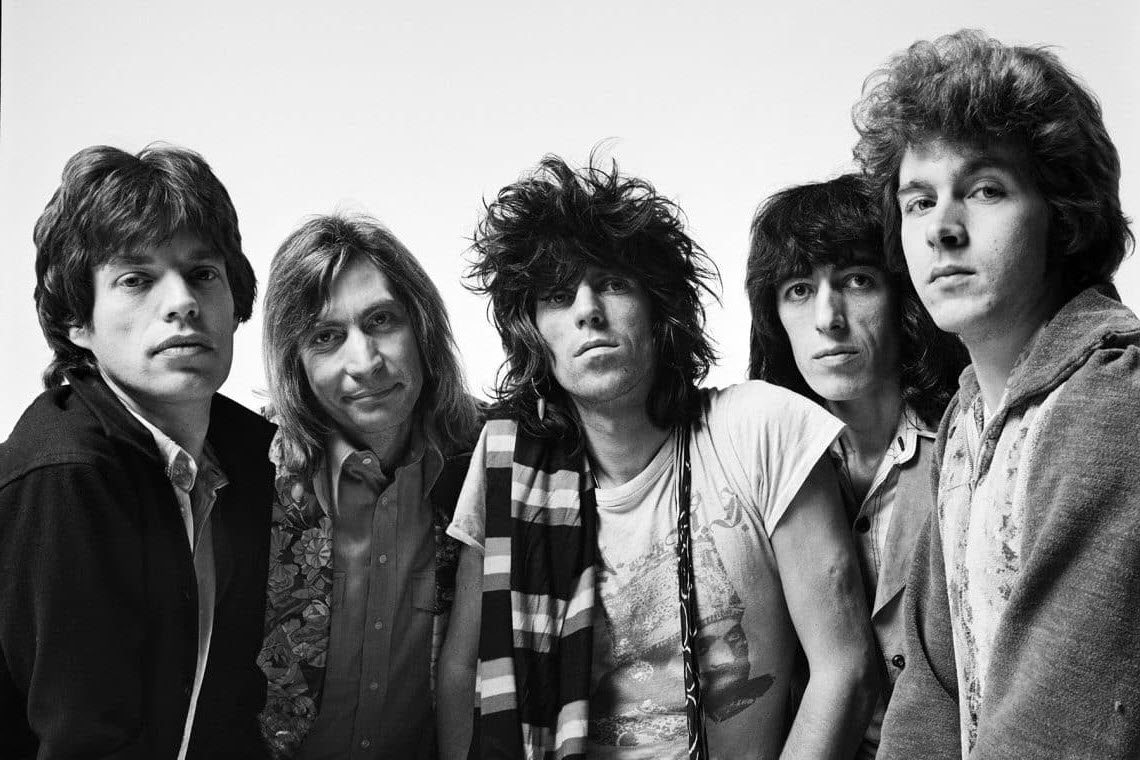
The Rolling Stones are a legendary British rock band formed in London in 1962. The band’s original lineup consisted of Mick Jagger (vocals), Keith Richards (guitar), Brian Jones (guitar and multi-instrumentalist), Bill Wyman (bass), Charlie Watts (drums), and Ian Stewart (piano). They are considered one of the most influential and enduring rock bands in history, with a career spanning over six decades.
The Rolling Stones rose to prominence during the British Invasion of the 1960s, alongside bands like The Beatles and The Who. They quickly gained a reputation for their rebellious image, gritty blues-infused rock sound, and dynamic live performances. The band’s early hits include “Satisfaction,” “Paint It Black,” “Jumpin’ Jack Flash,” and “Sympathy for the Devil.”
Throughout their career, The Rolling Stones have explored various musical styles, including rock and roll, blues, country, funk, and reggae. They have released numerous critically acclaimed albums, such as “Let It Bleed,” “Sticky Fingers,” and “Exile on Main St.,” which are considered among the greatest rock albums of all time.
Despite lineup changes over the years, with Brian Jones tragically passing away in 1969 and subsequent departures and additions of members, Mick Jagger and Keith Richards have remained the core of the band. The Rolling Stones have continued to tour and record new music well into the 21st century, maintaining their status as one of the most iconic and enduring rock acts in history.
The band’s influence on popular music and culture is immeasurable, and they have been inducted into the Rock and Roll Hall of Fame and received numerous awards and honors for their contributions to music. With their electrifying live performances, timeless hits, and rebellious spirit, The Rolling Stones have left an indelible mark on the world of rock and roll.
1. “(I Can’t Get No) Satisfaction”
“(I Can’t Get No) Satisfaction” is a legendary rock song by The Rolling Stones, released in 1965. It was written by Mick Jagger and Keith Richards and became one of the band’s most iconic and enduring hits.
The song’s riff, composed by Keith Richards, is instantly recognizable and has become one of the most famous guitar riffs in rock history. It’s characterized by its driving rhythm and catchy melody. Mick Jagger’s vocal performance delivers the frustration and dissatisfaction expressed in the song’s lyrics.
“(I Can’t Get No) Satisfaction” is a critique of consumer culture and the emptiness of materialism. The lyrics convey a sense of disillusionment and alienation, as the narrator laments his inability to find contentment despite his efforts to fulfill societal expectations.
The song was a massive commercial success, reaching the top of the charts in multiple countries, including the United States and the United Kingdom. It catapulted The Rolling Stones to international fame and solidified their reputation as one of the greatest rock bands of all time.
“(I Can’t Get No) Satisfaction” remains a timeless classic and a staple of rock radio. Its rebellious spirit, infectious groove, and provocative lyrics continue to resonate with listeners, making it one of the most influential songs in the history of rock music.
2. “Paint It Black”
“Paint It Black” is a rock song by The Rolling Stones, released in 1966. It was written by Mick Jagger and Keith Richards and became one of the band’s most well-known and critically acclaimed songs.
“Paint It Black” is characterized by its distinctive sitar riff, played by Brian Jones, which gives the song a unique and exotic sound. The lyrics, sung by Mick Jagger, depict themes of grief, loss, and despair. The narrator of the song expresses a desire to “paint it black,” metaphorically representing a state of mourning and darkness.
The song’s driving rhythm, haunting melody, and evocative lyrics captivated audiences and critics alike. “Paint It Black” was a commercial success, reaching number one on the Billboard Hot 100 chart in the United States and topping the charts in several other countries.
“Paint It Black” remains one of The Rolling Stones’ most enduring and influential songs. Its innovative use of instruments and its powerful emotional impact have solidified its status as a classic in the rock genre. The song has been covered by numerous artists and featured in various films, television shows, and commercials, further cementing its place in popular culture.
3. “Angie”
“Angie” is a ballad by The Rolling Stones, released in 1973 as a single from their album “Goats Head Soup.” The song was written by Mick Jagger and Keith Richards and is notable for its melancholic melody and introspective lyrics.
“Angie” features a gentle acoustic guitar riff and a haunting piano accompaniment, creating a subdued and atmospheric sound. Mick Jagger’s emotive vocal delivery adds to the song’s emotional depth, as he sings about the pain of heartbreak and loss.
The lyrics of “Angie” are open to interpretation, with some speculating that the song was inspired by Jagger’s breakup with his then-girlfriend, actress Angela Bowie. The song’s chorus, which repeats the name “Angie,” has a universal quality that resonates with anyone who has experienced the pain of a failed relationship.
“Angie” became one of The Rolling Stones’ most successful and enduring songs, reaching the top of the charts in multiple countries and earning critical acclaim for its poignant lyrics and beautiful melody. It remains a fan favorite and a staple of the band’s live performances, showcasing their versatility and emotional depth as musicians.
With its haunting melody and heartfelt lyrics, “Angie” continues to captivate audiences and evoke feelings of nostalgia and longing, solidifying its status as one of The Rolling Stones’ most beloved and iconic songs.
4. “Start Me Up”
“Start Me Up” is a classic rock song by The Rolling Stones, released in 1981 as the lead single from their album “Tattoo You.” The song is known for its infectious riff, energetic rhythm, and catchy chorus.
“Start Me Up” features a driving guitar riff played by Keith Richards, which is instantly recognizable and sets the tone for the song’s high-energy vibe. Charlie Watts’ powerful drumming and Bill Wyman’s pulsating bassline add to the song’s dynamic groove, while Mick Jagger’s spirited vocal delivery exudes confidence and charisma.
Lyrically, “Start Me Up” is straightforward and to the point, with Jagger singing about the excitement and anticipation of a new romantic relationship. The song’s upbeat tempo and infectious melody make it a favorite among fans and a staple of The Rolling Stones’ live performances.
“Start Me Up” was a commercial success, reaching the top of the charts in multiple countries and earning critical acclaim for its infectious energy and timeless appeal. It has since become one of The Rolling Stones’ most iconic and enduring songs, remaining a classic rock anthem that continues to captivate audiences around the world.
5. “Sympathy for the Devil”
“Sympathy for the Devil” is a song by The Rolling Stones, released in 1968 on their album “Beggars Banquet.” It was written by Mick Jagger and Keith Richards and is one of the band’s most iconic and controversial songs.
“Sympathy for the Devil” is characterized by its distinctive rhythm, driven by conga drums and maracas, and its dark, bluesy melody. The lyrics are sung from the perspective of the devil, who introduces himself as various historical and mythical figures, such as the crucifixion-era Roman governor Pontius Pilate and the Russian revolutionary leader Vladimir Lenin. The song explores themes of sin, temptation, and the darker aspects of human nature.
The song’s provocative lyrics and hypnotic groove sparked controversy upon its release, with some critics accusing The Rolling Stones of promoting Satanism. However, Mick Jagger has stated that the song is intended to be a critique of human nature and the capacity for evil within individuals.
“Sympathy for the Devil” has since become one of The Rolling Stones’ most enduring and celebrated songs. It has been covered by numerous artists and featured in various films, television shows, and commercials. Its dark and enigmatic lyrics, along with its infectious rhythm, continue to captivate listeners and cement its status as a classic in the rock genre.
6. “Brown Sugar”
“Brown Sugar” is a rock song by The Rolling Stones, released in 1971 as the lead single from their album “Sticky Fingers.” The song is known for its infectious groove, provocative lyrics, and gritty rock ‘n’ roll sound.
“Brown Sugar” opens with a raucous guitar riff played by Keith Richards, which is accompanied by Charlie Watts’ driving drumbeat and Bill Wyman’s thumping bassline. Mick Jagger’s electrifying vocal performance adds to the song’s raw energy, as he delivers the song’s controversial lyrics with swagger and attitude.
Lyrically, “Brown Sugar” explores themes of race, sexuality, and the dark history of slavery in the United States. The song’s lyrics depict a narrative of desire and exploitation, with Jagger singing about a young woman of African descent who is objectified and commodified by white men.
Despite its controversial subject matter, “Brown Sugar” became a massive hit for The Rolling Stones, reaching the top of the charts in multiple countries and earning critical acclaim for its boldness and originality. It remains one of the band’s most iconic and enduring songs, celebrated for its infectious groove and defiant attitude.
“Brown Sugar” continues to be a staple of The Rolling Stones’ live performances, captivating audiences with its gritty rock sound and provocative lyrics. Its legacy as a classic rock anthem and cultural touchstone solidifies its status as one of the band’s most memorable and influential songs.
7. “You Can’t Always Get What You Want”
“You Can’t Always Get What You Want” is a song by The Rolling Stones, released in 1969 on their album “Let It Bleed.” It was written by Mick Jagger and Keith Richards.
The song is characterized by its gospel-inspired arrangement, featuring a choir and brass instruments, along with its reflective lyrics. “You Can’t Always Get What You Want” is often interpreted as a meditation on the unpredictability of life and the importance of acceptance and resilience in the face of disappointment.
The song’s chorus, which repeats the line “You can’t always get what you want, but if you try sometime, you just might find, you get what you need,” encapsulates its central message. Mick Jagger’s soulful vocal delivery, coupled with the uplifting instrumentation, adds emotional depth to the song’s contemplative lyrics.
“You Can’t Always Get What You Want” has become one of The Rolling Stones’ most beloved and enduring songs. It has been covered by various artists and featured in numerous films, television shows, and commercials. Its universal themes and timeless melody continue to resonate with audiences, making it a classic in the rock canon.
8. “Jumpin’ Jack Flash”
“Jumpin’ Jack Flash” is a classic rock song by The Rolling Stones, released as a single in 1968. It’s known for its infectious riff, energetic rhythm, and raw rock ‘n’ roll sound.
The song opens with Keith Richards’ iconic guitar riff, which is instantly recognizable and sets the tone for the song’s high-energy vibe. Charlie Watts’ driving drumbeat and Bill Wyman’s pulsating bassline add to the song’s dynamic groove, while Mick Jagger’s spirited vocal delivery exudes charisma and attitude.
Lyrically, “Jumpin’ Jack Flash” is enigmatic and cryptic, with Jagger singing about a mysterious and elusive character named Jack Flash. The lyrics paint a vivid picture of Jack’s wild and unpredictable nature, as well as his ability to overcome obstacles and defy the odds.
“Jumpin’ Jack Flash” was a commercial success for The Rolling Stones, reaching the top of the charts in multiple countries and earning critical acclaim for its infectious energy and timeless appeal. It remains one of the band’s most iconic and enduring songs, celebrated for its raw rock sound and defiant attitude.
“Jumpin’ Jack Flash” continues to be a favorite among fans and a staple of The Rolling Stones’ live performances, captivating audiences with its electrifying energy and memorable riff. Its legacy as a classic rock anthem solidifies its status as one of the band’s most beloved and influential songs.
9. “Honky Tonk Women”
“Honky Tonk Women” is a classic rock song by The Rolling Stones, released in 1969 as a single and later included on their compilation album “Through the Past, Darkly (Big Hits Vol. 2).” The song was written by Mick Jagger and Keith Richards.
“Honky Tonk Women” is known for its infectious rhythm, catchy guitar riff, and playful lyrics. The song features a driving country blues groove, with Keith Richards’ distinctive guitar work and Mick Jagger’s charismatic vocal delivery taking center stage.
The lyrics of “Honky Tonk Women” depict a narrator’s encounters with various women, particularly those he meets in honky-tonk bars, establishments known for their lively atmosphere and country music entertainment. The song’s narrator describes his experiences with these women, celebrating their free-spiritedness and the excitement of their encounters.
“Honky Tonk Women” became one of The Rolling Stones’ biggest hits, reaching number one on the charts in both the United States and the United Kingdom. Its infectious melody and energetic performance have made it a staple of classic rock radio and a fan favorite at Rolling Stones concerts.
The song’s enduring popularity and timeless appeal have cemented its status as one of The Rolling Stones’ signature songs and a classic in the rock genre.
10. “Wild Horses”
“Wild Horses” is a poignant ballad by The Rolling Stones, featured on their 1971 album “Sticky Fingers.” It is known for its introspective lyrics, emotive melody, and stripped-down instrumentation.
The song opens with a gentle acoustic guitar riff, played by Keith Richards, which sets the melancholic tone for the rest of the song. Mick Jagger’s heartfelt vocal delivery adds depth and emotion to the lyrics, as he sings about the pain of separation and the longing for reconciliation in a troubled relationship.
Lyrically, “Wild Horses” is filled with vivid imagery and poignant reflections on love, loss, and regret. The lyrics evoke a sense of vulnerability and longing, as Jagger wrestles with the complexities of human relationships and the passage of time.
“Wild Horses” is widely regarded as one of The Rolling Stones’ most beautiful and enduring songs, earning critical acclaim for its emotional resonance and timeless appeal. It has been covered by numerous artists across genres and remains a favorite among fans, showcasing the band’s versatility and depth as songwriters.
With its haunting melody and poignant lyrics, “Wild Horses” continues to resonate with audiences around the world, solidifying its status as a classic ballad and a highlight of The Rolling Stones’ extensive catalog.

Edward Tomlin is a frequent contributor to Singers Room. Since 2005, Singersroom has been the voice of R&B around the world. Connect with us via social media below.









