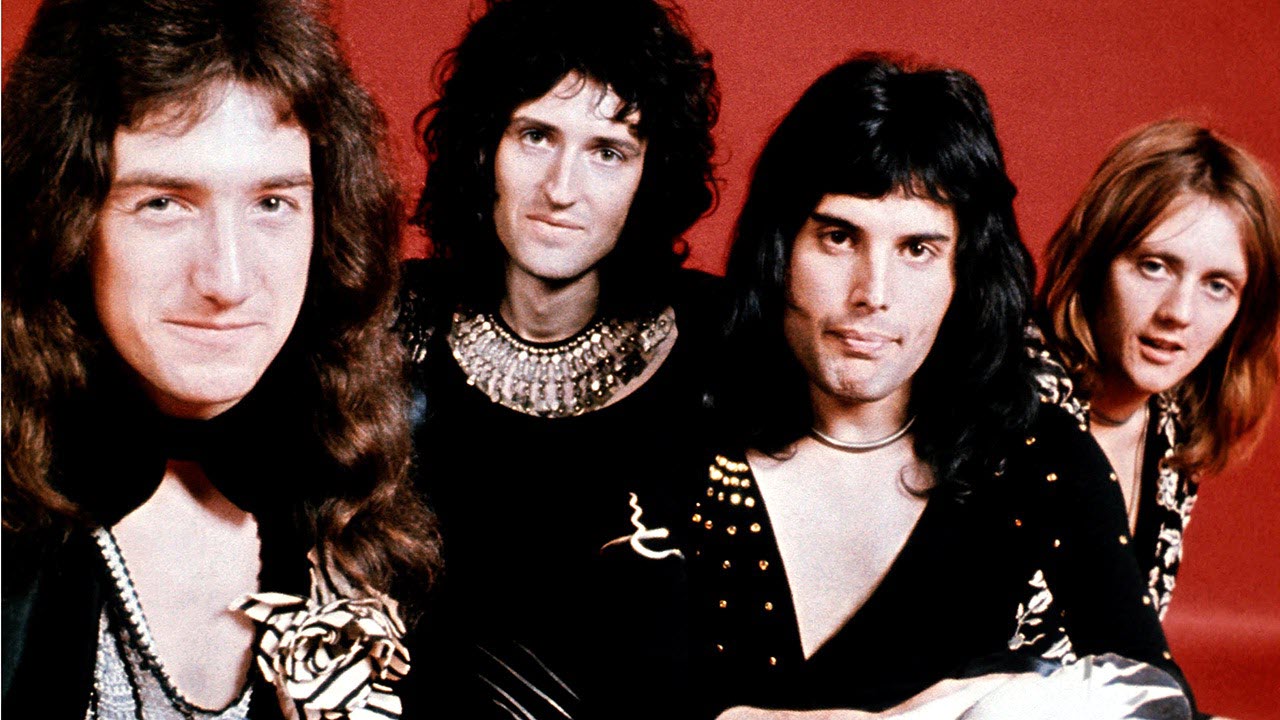
Queen is a legendary British rock band that emerged in the 1970s and became one of the most iconic and influential groups in music history. Comprised of Freddie Mercury, Brian May, Roger Taylor, and John Deacon, Queen captivated audiences with their unique sound, electrifying performances, and boundary-pushing creativity.
Led by the charismatic and flamboyant frontman Freddie Mercury, Queen’s music defied genre categorization, blending elements of rock, pop, opera, and even funk. Their discography boasts a diverse array of hits, including “Bohemian Rhapsody,” “We Will Rock You,” “Another One Bites the Dust,” and “Somebody to Love,” among countless others.
The band’s live performances were legendary spectacles, characterized by Mercury’s commanding stage presence, May’s intricate guitar solos, Taylor’s thunderous drumming, and Deacon’s solid bass lines. Queen’s ability to captivate audiences on stage solidified their reputation as one of the greatest live acts of all time.
Beyond their musical prowess, Queen’s impact on popular culture extends far and wide. Their music has been featured in numerous films, commercials, and sporting events, ensuring their legacy endures across generations.
Even after Mercury’s untimely death in 1991, Queen’s music continues to resonate with audiences worldwide, proving their status as one of the most beloved and enduring bands in history.
1. Bohemian Rhapsody
“Bohemian Rhapsody” is a song by the British rock band Queen, written by their lead vocalist and pianist Freddie Mercury. It was released on their 1975 album “A Night at the Opera” and is widely regarded as one of the greatest rock songs of all time.
The song is notable for its unconventional structure, blending elements of rock, opera, and ballad. It features distinct sections, including a ballad segment, an operatic passage, a hard rock part, and a reflective coda. “Bohemian Rhapsody” also showcases Mercury’s vocal range and the band’s intricate harmonies.
Upon its release, “Bohemian Rhapsody” was initially met with mixed reviews but gained immense popularity over time, topping charts around the world and becoming one of Queen’s signature songs. It has been covered, parodied, and referenced countless times in popular culture and remains a staple of classic rock radio.
In 2018, a biographical film titled “Bohemian Rhapsody” was released, chronicling the life of Freddie Mercury and the rise of Queen, with the song serving as a centerpiece of the film. The movie was a commercial success and won several awards, including four Academy Awards, including Best Actor for Rami Malek’s portrayal of Freddie Mercury.
2. Don’t Stop Me Now
“Don’t Stop Me Now” is another hit song by the British rock band Queen, written by Freddie Mercury. It was released on their 1978 album “Jazz.”
The song is an upbeat, high-energy track characterized by its driving piano riff, infectious melody, and Mercury’s dynamic vocal performance. Lyrically, “Don’t Stop Me Now” exudes a sense of euphoria and empowerment, with Mercury singing about feeling invincible and enjoying life to the fullest.
“Don’t Stop Me Now” has become one of Queen’s most popular and enduring songs, known for its catchy hooks and lively instrumentation. It has been featured in various films, television shows, commercials, and sporting events, further solidifying its status as a classic rock anthem.
The song’s popularity endured well beyond its initial release, with numerous covers and adaptations by other artists and frequent appearances in pop culture references. It remains a favorite among fans of Queen and continues to be celebrated for its infectious energy and uplifting message.
3. Somebody to Love
“Somebody to Love” is a timeless anthem by the legendary British rock band Queen. Released in 1976 as part of their album “A Day at the Races,” the song showcases Queen’s remarkable ability to blend rock with gospel-inspired harmonies, resulting in a powerful and emotionally charged composition.
Written by Freddie Mercury, “Somebody to Love” explores themes of loneliness, longing, and the search for genuine connection. Mercury’s soulful vocal delivery, backed by lush harmonies from bandmates Brian May, Roger Taylor, and John Deacon, imbues the song with raw emotion and depth.
The track’s soaring melodies, punctuated by May’s electrifying guitar riffs and Taylor’s dynamic drumming, create a stirring musical landscape that captivates listeners from start to finish. The gospel-inspired choir arrangement further elevates the song, adding a sense of grandeur and intensity to its already poignant lyrics.
“Somebody to Love” quickly became one of Queen’s signature songs, beloved by fans for its anthemic quality and universal themes. It remains a staple of the band’s live performances and has been covered by numerous artists over the years, cementing its status as a timeless classic in the annals of rock music.
4. Killer Queen
“Killer Queen” is a song by the British rock band Queen, written by their lead vocalist Freddie Mercury. It was released as a single in 1974 and later appeared on their album “Sheer Heart Attack,” also released in 1974.
“Killer Queen” is known for its intricate guitar work by Brian May, catchy melody, and Mercury’s clever and sophisticated lyrics. The song tells the story of a high-class, femme fatale character referred to as the “Killer Queen,” who manipulates and seduces men with her charm and grace. Mercury’s vocal delivery captures the character’s allure and cunning, while the band’s tight instrumentation adds to the song’s sophisticated and theatrical atmosphere.
The song was a commercial success, reaching the top of the charts in the United Kingdom and becoming one of Queen’s breakthrough hits. It showcased the band’s versatility and their ability to blend various musical styles, including rock, pop, and vaudeville.
“Killer Queen” remains a beloved classic in Queen’s repertoire and has been praised for its craftsmanship and innovative production. It has been covered by numerous artists and continues to be celebrated for its timeless appeal and enduring popularity.
5. We Are the Champions
“We Are the Champions” stands as one of Queen’s most iconic and enduring anthems, released in 1977 as part of their album “News of the World.” Penned by Freddie Mercury, the song is a triumphant celebration of victory and resilience, resonating with audiences worldwide for its universal themes and uplifting melody.
Driven by a powerful combination of Mercury’s impassioned vocals, Brian May’s majestic guitar riffs, Roger Taylor’s driving percussion, and John Deacon’s solid bassline, “We Are the Champions” exudes an undeniable sense of grandeur and determination. The song’s anthemic chorus, with its unforgettable refrain “We are the champions, my friends,” has become a rallying cry for countless individuals and groups, from sports teams to social movements, embracing the spirit of triumph against all odds.
Beyond its musical excellence, “We Are the Champions” has achieved legendary status for its cultural impact. It has been featured in countless films, television shows, and sporting events, solidifying its place as an enduring emblem of victory and perseverance.
Decades after its release, “We Are the Champions” continues to inspire and uplift audiences around the world, serving as a testament to Queen’s unparalleled ability to craft timeless and universally resonant music.
6. Under Pressure
“Under Pressure” is an iconic collaboration between Queen and David Bowie, released in 1981 as a single and later included on Queen’s album “Hot Space.” The song is renowned for its distinctive bassline, emotional vocals, and thought-provoking lyrics.
The track features a mesmerizing bassline by John Deacon that instantly captivates listeners, while Freddie Mercury and David Bowie deliver impassioned vocals that convey the song’s themes of pressure, struggle, and the human condition. Their vocal interplay creates a sense of urgency and intensity, reflecting the song’s title and lyrical content.
Lyrically, “Under Pressure” explores the stresses and strains of everyday life, touching on themes of alienation, social injustice, and the quest for meaning. The iconic refrain, “Pressure pushing down on me, pressing down on you,” resonates with listeners on a deeply personal level, capturing the universal experience of navigating life’s challenges.
Musically, the song is a testament to Queen’s innovative approach to songwriting, blending rock, funk, and soul influences to create a sound that is both timeless and ahead of its time. Bowie’s collaboration adds an extra layer of depth and complexity to the track, showcasing the artistic chemistry between two of the greatest musical talents of their generation.
“Under Pressure” remains a beloved classic, cherished by fans for its raw emotion, infectious groove, and powerful message. Its enduring popularity stands as a testament to the enduring legacy of Queen and David Bowie as visionary artists who pushed the boundaries of music and touched the hearts of millions around the world.
7. Crazy Little Thing Called Love
“Crazy Little Thing Called Love” is a song by the British rock band Queen, written by their lead vocalist Freddie Mercury. It was released in 1979 on their album “The Game” and also as a single.
The song is notable for its rockabilly style, featuring a prominent shuffle beat, simple chord progressions, and a lively guitar riff played by Brian May. Mercury’s vocals in “Crazy Little Thing Called Love” are reminiscent of 1950s rock ‘n’ roll, and the song’s lyrics tell the story of someone experiencing the exhilarating and unpredictable emotions of love.
Upon its release, “Crazy Little Thing Called Love” became an instant success, topping the charts in several countries, including the United States and the United Kingdom. It was Queen’s first number-one single on the Billboard Hot 100 in the U.S. and helped solidify their status as one of the world’s most popular bands.
The song’s retro sound and catchy melody have contributed to its enduring popularity, and it remains a staple of classic rock radio playlists. “Crazy Little Thing Called Love” has been covered by numerous artists and has been featured in various films, television shows, and commercials, further cementing its status as one of Queen’s most beloved songs.
8. We Will Rock You
“We Will Rock You” is a quintessential rock anthem by the legendary British band Queen, released in 1977 as part of their album “News of the World.” This iconic song has become synonymous with stadium chants and sporting events worldwide, with its simple yet powerful rhythm and unforgettable chorus.
Built around a stomping beat and featuring sparse instrumentation, “We Will Rock You” is propelled by a rhythmic combination of handclaps, foot stomps, and Brian May’s distinctive guitar riff. Freddie Mercury’s commanding vocals add to the song’s intensity, while the repetitive structure and call-and-response style make it easy for audiences to join in and become part of the performance.
Lyrically, “We Will Rock You” is a declaration of defiance and unity, urging listeners to stand up against adversity and embrace their inner strength. The song’s anthemic chorus, with its iconic refrain “We will, we will rock you,” has become a rallying cry for generations, inspiring solidarity and empowerment.
Beyond its musical and lyrical prowess, “We Will Rock You” has left an indelible mark on popular culture, with its infectious rhythm and chant-like structure making it a perennial favorite at sporting events, concerts, and even in films and television shows. Its enduring popularity speaks to the universal appeal of Queen’s music and the timeless power of a great rock anthem.
9. Radio Ga Ga
“Radio Ga Ga” is a song by the British rock band Queen, written by their drummer Roger Taylor. It was released in 1984 on their album “The Works” and also as a single.
The song’s lyrics express nostalgia for the golden age of radio and lament the rise of television, suggesting that radio was a more powerful and influential medium for music. The term “Radio Ga Ga” was coined to represent the repetitive and monotonous sounds heard on the radio.
“Radio Ga Ga” features a distinctive synthesizer riff, powerful drumming by Taylor, and Freddie Mercury’s commanding vocals. The song’s anthemic chorus and catchy melody contributed to its commercial success, and it became one of Queen’s signature songs of the 1980s.
The accompanying music video for “Radio Ga Ga” featured footage from the 1927 silent science fiction film “Metropolis” and included scenes of audiences mimicking the hand movements of workers in the film, creating a visual representation of the song’s message.
“Radio Ga Ga” was a commercial success, reaching the top of the charts in several countries, including the United Kingdom. It remains a fan favorite and is often performed at Queen tribute concerts and events. The song’s title has also become a term used to describe the influence and power of radio in popular culture.
10. The Show Must Go On
“The Show Must Go On” is a poignant and powerful anthem by the legendary British rock band Queen, released in 1991 as part of their album “Innuendo.” Written by Queen’s vocalist Freddie Mercury, the song is a testament to his resilience and determination in the face of personal adversity.
At the time of recording, Mercury was battling with the advanced stages of AIDS, yet his performance on “The Show Must Go On” is nothing short of awe-inspiring. His vocals are filled with raw emotion and vulnerability, yet also with a sense of defiance and strength that captures the essence of the song’s message.
Musically, “The Show Must Go On” is a tour de force, with a grandiose orchestral arrangement complementing Queen’s signature rock sound. Brian May’s soaring guitar solos, Roger Taylor’s thunderous drumming, and John Deacon’s solid basslines provide a powerful backdrop to Mercury’s impassioned vocals.
Lyrically, the song reflects on the struggles and challenges of life, while also emphasizing the importance of perseverance and carrying on in the face of adversity. The chorus, with its refrain “The show must go on,” serves as a reminder to never give up, even in the darkest of times.
“The Show Must Go On” stands as a testament to Freddie Mercury’s incredible talent and strength of character, as well as Queen’s enduring legacy as one of the greatest rock bands of all time. It remains a powerful and moving tribute to Mercury’s indomitable spirit and the timeless power of music to inspire and uplift.

Edward Tomlin is a frequent contributor to Singers Room. Since 2005, Singersroom has been the voice of R&B around the world. Connect with us via social media below.









