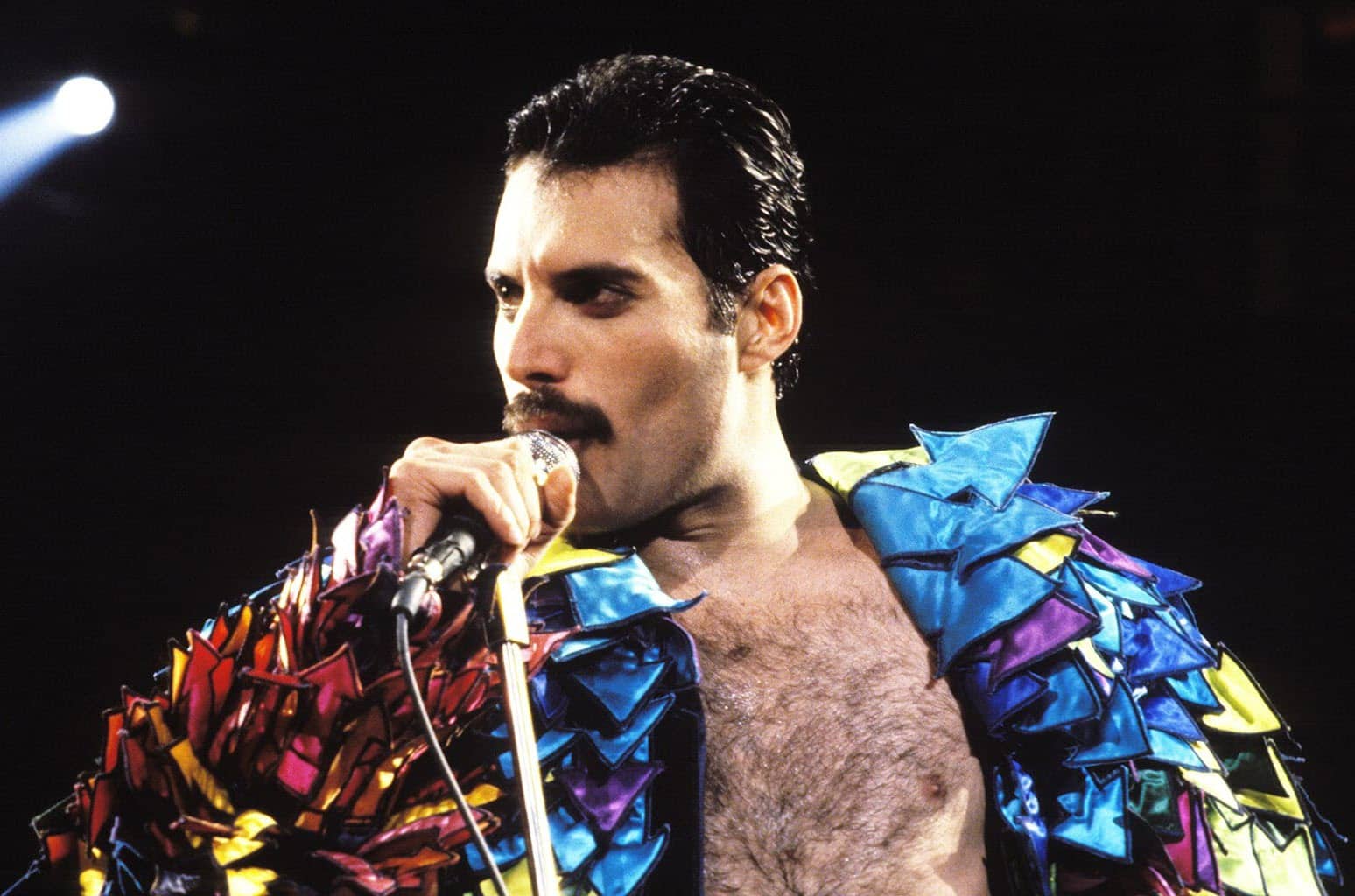
Freddie Mercury, born Farrokh Bulsara on September 5, 1946, in Zanzibar (now part of Tanzania), was a legendary British singer, songwriter, and musician, best known as the lead vocalist and flamboyant frontman of the iconic rock band Queen. Renowned for his powerful voice, dynamic stage presence, and theatrical performances, Mercury is widely regarded as one of the greatest rock singers of all time.
Mercury’s career with Queen began in the early 1970s when he joined guitarist Brian May, drummer Roger Taylor, and bassist John Deacon to form the band. Queen quickly rose to fame with their innovative sound, blending rock, pop, opera, and other genres to create a unique and eclectic style. Mercury’s vocal range and versatility were key components of Queen’s success, and his songwriting contributions helped shape the band’s distinctive sound.
As the lead vocalist of Queen, Mercury delivered electrifying performances on numerous hit songs, including “Bohemian Rhapsody,” “Somebody to Love,” “We Will Rock You,” “We Are the Champions,” “Don’t Stop Me Now,” and “Under Pressure,” among many others. His dynamic stage presence and theatrical flair made Queen’s live performances legendary, and Mercury became known for his extravagant costumes, elaborate stage sets, and charismatic persona.
Outside of his work with Queen, Mercury pursued a solo career and collaborated with other artists. He released several solo albums, including “Mr. Bad Guy” (1985), and achieved success with singles like “Living on My Own” and “Barcelona,” a duet with opera singer Montserrat Caballé.
Tragically, Freddie Mercury passed away on November 24, 1991, due to complications from AIDS, just one day after publicly acknowledging his battle with the disease. His untimely death was a profound loss to the music world, but his legacy lives on through his timeless music and enduring influence. Mercury’s contributions to music and his impact on popular culture have solidified his status as a cultural icon and one of the greatest performers in music history.
1. Bohemian Rhapsody
“Bohemian Rhapsody” is an iconic rock song by the British band Queen, written by lead vocalist Freddie Mercury. Released in 1975 as the lead single from their album “A Night at the Opera,” the song is widely regarded as one of the greatest and most innovative rock compositions of all time.
“Bohemian Rhapsody” is a unique and ambitious piece, characterized by its operatic structure, intricate vocal harmonies, and diverse musical styles. The song is divided into distinct sections, including a ballad, an operatic passage, a hard rock segment, and a reflective coda, showcasing Queen’s versatility and creativity.
Lyrically, “Bohemian Rhapsody” is enigmatic and surreal, with Freddie Mercury’s cryptic lyrics leaving room for interpretation. The song’s narrative follows a young man who confesses to committing a murder and grapples with the consequences of his actions. However, the song’s meaning remains open to individual interpretation, adding to its mystique and enduring appeal.
“Bohemian Rhapsody” was a groundbreaking success upon its release, topping the charts in multiple countries and earning critical acclaim for its innovation and artistry. The song’s accompanying music video, featuring innovative special effects and groundbreaking techniques, further cemented its status as a cultural phenomenon.
Over the years, “Bohemian Rhapsody” has remained a beloved classic, captivating audiences with its epic scope, memorable melodies, and timeless appeal. It has been covered, parodied, and referenced in countless forms of media, solidifying its status as one of the greatest and most influential songs in the history of popular music.
2. Somebody to Love
“Somebody to Love” is a soulful rock song by the British band Queen, written by lead vocalist Freddie Mercury. Released in 1976 as a single from their album “A Day at the Races,” the song is celebrated for its powerful vocals, gospel-inspired arrangement, and emotional depth.
“Somebody to Love” is a heartfelt anthem that explores themes of loneliness, longing, and the search for love and acceptance. Freddie Mercury’s impassioned vocals convey a sense of vulnerability and yearning as he expresses the desire to find someone who will love him unconditionally. The song’s uplifting chorus, backed by rich vocal harmonies and a dynamic musical arrangement, adds to its emotional impact and universal appeal.
The song features a distinctive gospel-inspired sound, with elaborate vocal harmonies and a piano-driven melody that evoke the spirit of classic soul music. Queen’s innovative use of multi-tracked vocals creates a lush and powerful sonic landscape, showcasing the band’s musical versatility and Freddie Mercury’s extraordinary vocal range.
“Somebody to Love” was a commercial success for Queen, reaching the top of the charts in several countries and earning critical acclaim for its creativity and artistry. The song’s timeless message and powerful vocals have ensured its enduring popularity, making it a beloved classic and one of Queen’s most iconic songs.
3. Don’t Stop Me Now
“Don’t Stop Me Now” is a song by the British rock band Queen, released on their 1978 album “Jazz.” It was written by the band’s lead vocalist Freddie Mercury and is known for its upbeat tempo and energetic feel.
“Don’t Stop Me Now” is a classic rock anthem characterized by its catchy piano riff, driving rhythm, and Freddie Mercury’s dynamic vocal performance. The lyrics express a sense of exhilaration and freedom, with Mercury singing about living life to the fullest and enjoying every moment without inhibition.
The song’s infectious energy and empowering message have made it a favorite among fans of Queen and rock music in general. “Don’t Stop Me Now” has been featured in numerous films, TV shows, and commercials and remains one of Queen’s most popular and enduring songs.
The song’s popularity has only grown over the years, and it continues to be celebrated for its timeless appeal and ability to uplift listeners with its infectious melody and positive attitude.
4. Killer Queen
“Killer Queen” is a song by the British rock band Queen, released on their 1974 album “Sheer Heart Attack.” It was written by the band’s lead vocalist Freddie Mercury and is known for its unique blend of rock, pop, and vaudeville influences.
“Killer Queen” is characterized by its catchy melody, intricate vocal harmonies, and clever lyrics. The song tells the story of a sophisticated and promiscuous woman who captivates those around her with her charm and allure. Freddie Mercury’s theatrical vocal delivery and Brian May’s distinctive guitar riff contribute to the song’s distinctive sound.
“Killer Queen” became one of Queen’s breakthrough hits, reaching the top 10 on the charts in several countries and establishing them as major players in the rock music scene. It was praised by critics for its innovative sound and became a staple of Queen’s live performances.
“Killer Queen” remains one of Queen’s most beloved and iconic songs, celebrated for its infectious energy, clever wordplay, and timeless appeal. It has been covered by numerous artists and continues to be a favorite among fans of classic rock music.
5. Under Pressure
“Under Pressure” is a collaborative song by the British rock band Queen and the British singer David Bowie. Released in 1981, the song was a result of a spontaneous jam session between Queen and Bowie at Mountain Studios in Switzerland.
The song is characterized by its distinctive bassline, which was created by Queen’s bassist John Deacon, and its powerful vocal performances by Freddie Mercury and David Bowie. The lyrics of “Under Pressure” touch on themes of pressure, alienation, and societal issues, reflecting the anxieties of the time.
“Under Pressure” features a dynamic musical arrangement, with its pulsating bassline, catchy piano riff, and dramatic vocal interplay between Mercury and Bowie. The song builds to an intense climax, showcasing the vocal prowess of both artists and creating a sense of urgency and tension.
Upon its release, “Under Pressure” was a commercial success, reaching the top of the charts in several countries. It has since become one of Queen’s most beloved and iconic songs, as well as a staple of classic rock radio. The song’s powerful message and memorable melody continue to resonate with audiences worldwide, cementing its status as a timeless classic.
6. We Are the Champions
“We Are the Champions” is a song by the British rock band Queen, released on their 1977 album “News of the World.” It was written by the band’s lead vocalist Freddie Mercury and has since become one of their most famous and enduring anthems.
“We Are the Champions” is characterized by its triumphant melody, powerful vocals, and anthemic chorus. The song’s lyrics celebrate victory and perseverance, with Mercury singing about overcoming obstacles and emerging victorious in the face of adversity.
The song’s chorus, with its iconic line “We are the champions, my friends, And we’ll keep on fighting ’til the end,” has become synonymous with triumph and success and is often sung at sporting events, rallies, and celebrations around the world.
“We Are the Champions” was a commercial success, reaching the top of the charts in several countries and becoming one of Queen’s most recognizable songs. It has since been covered by numerous artists and remains a favorite among fans of rock music. Along with “We Will Rock You,” it forms one of Queen’s most iconic medleys and is often played together with the latter song.
7. Crazy Little Thing Called Love
“Crazy Little Thing Called Love” is a rockabilly-inspired song by the British rock band Queen, written by lead vocalist Freddie Mercury. Released in 1979 as the lead single from their album “The Game,” the song became one of Queen’s most successful and enduring hits.
“Crazy Little Thing Called Love” is a playful and upbeat rock and roll number that pays homage to the music of the 1950s. Freddie Mercury’s lively vocals and the song’s catchy guitar riff create a joyful and infectious energy that invites listeners to dance along.
Lyrically, the song celebrates the exhilarating feeling of falling in love and the unpredictable nature of romantic relationships. The lyrics convey a sense of excitement and spontaneity, as the narrator reflects on the unpredictable journey of love.
Musically, “Crazy Little Thing Called Love” features a stripped-down arrangement, with a driving rhythm section, twangy guitar licks, and a simple but effective melody. The song’s retro sound and infectious groove harken back to the rock and roll era, while still retaining Queen’s signature style and flair.
Upon its release, “Crazy Little Thing Called Love” topped the charts in several countries and became one of Queen’s biggest hits. The song’s timeless appeal has ensured its enduring popularity, making it a beloved classic and a staple of Queen’s live performances.
8. Another One Bites the Dust
“Another One Bites the Dust” is a song by the British rock band Queen, released on their 1980 album “The Game.” It was written by the band’s bassist, John Deacon, and has become one of their most popular and recognizable songs.
“Another One Bites the Dust” is characterized by its funky bassline, catchy rhythm, and powerful vocals by lead singer Freddie Mercury. The song’s lyrics tell the story of a man who becomes involved in a violent confrontation and ultimately emerges victorious, with his enemies “biting the dust” as a result.
The song’s infectious groove and memorable hook made it a commercial success, reaching the top of the charts in several countries and becoming one of Queen’s best-selling singles. Its influence extended beyond the realm of rock music, with “Another One Bites the Dust” becoming a crossover hit on pop, R&B, and dance charts.
The song’s distinctive bassline has been sampled and used in numerous other songs, and “Another One Bites the Dust” has remained a staple of Queen’s live performances. It has also been featured in various films, TV shows, and commercials, solidifying its status as one of Queen’s most enduring and iconic songs.
9. Radio Ga Ga
“Radio Ga Ga” is a synth-pop anthem by the British rock band Queen, released in 1984 as the lead single from their album “The Works.” The song, written by the band’s drummer Roger Taylor, is both a tribute to the golden age of radio and a commentary on the rise of television as a dominant form of media.
“Radio Ga Ga” features a distinctive and infectious melody, driven by synthesizers and a pulsating rhythm section. The song’s catchy chorus, with its repetitive chant of “Radio Ga Ga,” became instantly recognizable and contributed to its commercial success.
Lyrically, “Radio Ga Ga” reflects on the nostalgia for the era of radio and the sense of community and connection it provided. The song laments the decline of radio in the face of television’s dominance and celebrates the power of music to unite people across generations and cultures.
The accompanying music video for “Radio Ga Ga” was directed by David Mallet and featured footage from Fritz Lang’s iconic silent film “Metropolis.” The video’s futuristic imagery and striking visuals complemented the song’s themes of technology and communication.
“Radio Ga Ga” was a commercial success, reaching the top of the charts in several countries and becoming one of Queen’s signature songs. Its enduring popularity has ensured its status as a classic of 1980s pop music and a beloved anthem for fans of Queen around the world.
10. Love of My Life
“Love of My Life” is a song by the British rock band Queen, released on their 1975 album “A Night at the Opera.” It was written by the band’s lead vocalist Freddie Mercury and is known for its beautiful melody and emotional lyrics.
“Love of My Life” is a heartfelt ballad that features Mercury on vocals and acoustic guitar, with accompaniment from Brian May on harp guitar. The song’s lyrics express deep feelings of love and devotion, with Mercury singing about the pain of separation and longing for a lost love.
The song’s chorus, with its haunting refrain “Love of my life, you’ve hurt me, You’ve broken my heart and now you leave me,” has become one of Queen’s most iconic and memorable moments. The emotional intensity of Mercury’s vocal performance, combined with the song’s poignant melody, resonates with listeners and has made “Love of My Life” a favorite among fans of the band.
“Love of My Life” has been performed live by Queen on numerous occasions, often with audience participation during the choruses. It remains a beloved classic in Queen’s repertoire and is considered one of their greatest ballads.

Edward Tomlin is a frequent contributor to Singers Room. Since 2005, Singersroom has been the voice of R&B around the world. Connect with us via social media below.









