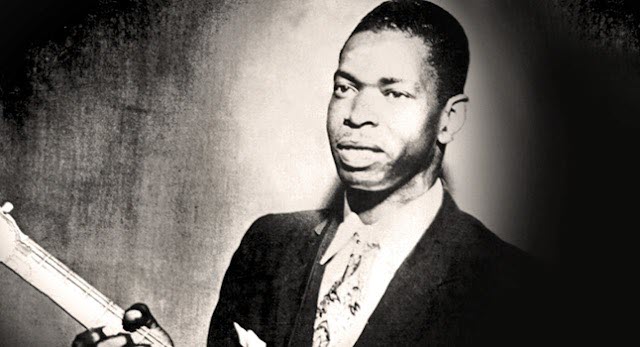
Elmore James was a highly influential blues guitarist, singer, and songwriter, born on January 27, 1918, in Richland, Mississippi, and died on May 24, 1963. He is often referred to as the “King of the Slide Guitar” for his mastery of the slide guitar technique, which became a defining characteristic of his sound.
James’ music blended traditional Delta blues with electrified Chicago blues, creating a distinctive and influential style. He was known for his raw and passionate vocals, as well as his virtuosic slide guitar playing. His intense and emotive performances earned him a reputation as one of the most dynamic and electrifying blues artists of his time.
One of James’ most famous songs is “Dust My Broom,” which he recorded in 1951. The song features his signature slide guitar work and driving rhythm, and it became a major hit, establishing James as a leading figure in the blues world. Other notable songs by Elmore James include “Shake Your Moneymaker,” “The Sky is Crying,” and “It Hurts Me Too.”
In addition to his solo work, Elmore James was also a highly sought-after session musician, contributing his distinctive guitar playing to recordings by other artists. His influence can be heard in the work of countless blues and rock musicians who followed in his footsteps, including Eric Clapton, Jimi Hendrix, and Stevie Ray Vaughan.
Elmore James’ impact on the blues genre and popular music as a whole is immeasurable. His powerful vocals, electrifying guitar playing, and innovative approach to the slide guitar continue to inspire musicians and captivate audiences around the world.
1. “Dust My Broom”
“Dust My Broom” is a classic blues song originally recorded by Robert Johnson in 1936. However, it was Elmore James’ 1951 rendition that became the most well-known and influential version of the song. James’ recording of “Dust My Broom” features his signature slide guitar playing and impassioned vocals, making it one of the defining songs of his career.
The lyrics of “Dust My Broom” tell the story of a man whose lover has mistreated him, prompting him to leave her and move on. The phrase “dust my broom” is a metaphor for cleaning house and leaving behind the past. James’ intense and emotive delivery, combined with his electrifying guitar work, convey a sense of defiance and determination.
“Dust My Broom” became a major hit for Elmore James, establishing him as a leading figure in the blues world. The song’s driving rhythm and infectious groove have made it a staple of the blues repertoire and a favorite among fans of the genre.
Over the years, “Dust My Broom” has been covered by numerous artists from various genres, further cementing its status as a blues classic. Its enduring popularity and influence serve as a testament to Elmore James’ talent as a musician and his lasting impact on the blues genre.
2. “The Sky Is Crying”
“The Sky Is Crying” is a blues song written and recorded by Elmore James in 1959. Elmore James was a highly influential blues guitarist and singer known for his slide guitar technique.
“The Sky Is Crying” is characterized by its mournful lyrics and haunting slide guitar melody. The song’s lyrics depict a sense of sadness and despair, as the protagonist laments over a lost love. The imagery of the sky crying serves as a metaphor for the protagonist’s emotional pain and heartache.
The chorus of “The Sky Is Crying” features the repeated refrain, “The sky is crying, look at the tears roll down the street,” emphasizing the theme of sorrow and lamentation.
Elmore James’ raw and emotive vocal delivery, combined with his distinctive slide guitar playing, contributed to the song’s enduring popularity and influence in the blues genre. “The Sky Is Crying” has since been covered by numerous artists and remains a classic blues standard.
3. “It Hurts Me Too”
“It Hurts Me Too” is a blues standard that has been recorded by many artists over the years. The song’s origins can be traced back to the early 20th century, and it has been attributed to various blues musicians, including Tampa Red and Elmore James.
The lyrics of “It Hurts Me Too” typically convey themes of heartbreak, betrayal, and longing for love. The protagonist of the song expresses the pain they feel from being mistreated by their lover, but despite the hurt, they still yearn for their affection.
The chorus of “It Hurts Me Too” features the repeated refrain, “I love you, baby, and it hurts me so,” emphasizing the conflicting emotions of love and pain that the protagonist experiences.
Over the years, “It Hurts Me Too” has been covered by numerous blues and rock artists, each adding their own interpretation and style to the song. Some notable versions include those by Elmore James, Eric Clapton, and The Allman Brothers Band.
“It Hurts Me Too” remains a beloved blues classic, celebrated for its emotive lyrics, soulful melodies, and enduring popularity across generations of music listeners.
4. “Shake Your Moneymaker”
“Shake Your Moneymaker” is a classic blues song originally recorded by Elmore James in 1961. It’s one of his most well-known and enduring compositions. The song features James’ signature slide guitar playing and gritty vocals, embodying the raw energy and intensity of his style.
The lyrics of “Shake Your Moneymaker” exhort the listener to dance and have a good time, with the phrase “shake your moneymaker” being a euphemism for getting down and letting loose. James’ electrifying guitar riffs and driving rhythm create a groove that’s impossible to resist, making it a favorite among blues enthusiasts and dancers alike.
“Shake Your Moneymaker” has been covered by numerous artists over the years, including The Black Crowes, who recorded a popular version of the song on their debut album “Shake Your Money Maker” in 1990. However, it’s Elmore James’ original recording that remains the definitive version and a cornerstone of the blues genre.
The song’s infectious energy and timeless appeal have ensured its enduring popularity, cementing its status as a blues classic and a testament to Elmore James’ influence on the genre.
5. “One Way Out”
“One Way Out” is a blues song originally recorded by American musician Elmore James in 1961. The song was written by Sonny Boy Williamson II (Aleck “Rice” Miller), who is also credited under his birth name, James Williamson.
In “One Way Out,” the protagonist finds himself in a difficult situation and is looking for a way to escape. The lyrics depict a sense of urgency and desperation as the protagonist navigates through challenges and obstacles in search of a solution.
The chorus of “One Way Out” features the repeated refrain, “There’s only one way out, baby, Lord, I just can’t go out the door,” emphasizing the protagonist’s feeling of being trapped and the need to find a way to break free.
“One Way Out” has been covered by various artists over the years, including The Allman Brothers Band, whose live version of the song became particularly popular. The Allman Brothers Band’s rendition, released in 1972 on their album “Eat a Peach,” features fiery guitar solos and energetic performances that have made it a staple of their live shows.
Overall, “One Way Out” is a classic blues song that has been embraced by fans of the genre for its raw energy, catchy melody, and memorable lyrics.
6. “I Can’t Hold Out”
“I Can’t Hold Out” is a blues song written and originally recorded by Elmore James. The track was released as a single in 1955. Known for his distinctive slide guitar playing and soulful vocals, James imbues “I Can’t Hold Out” with his trademark style and energy.
The song’s lyrics speak of longing and heartache, with the narrator expressing his inability to contain his emotions or endure the pain of separation from his lover. The driving rhythm and searing guitar work add to the song’s intensity, capturing the raw emotion of the blues.
“I Can’t Hold Out” showcases Elmore James’ talent for blending traditional Delta blues with electrified Chicago blues, creating a sound that was both rooted in tradition and ahead of its time. The song has since become a blues standard and has been covered by numerous artists over the years, attesting to its enduring popularity and influence.
7. “Madison Blues”
“Madison Blues” is a blues song written by blues musician George Thorogood. It was first recorded by George Thorogood and the Destroyers for their debut album, also titled “George Thorogood and the Destroyers,” released in 1977.
“Madison Blues” is a high-energy blues-rock track that showcases Thorogood’s distinctive guitar playing and gritty vocal style. The song’s lyrics depict a lively scene in Madison, Wisconsin, where the protagonist finds himself enjoying the local blues music and nightlife.
The chorus of “Madison Blues” features the repeated refrain, “I’m going back to Madison, baby, where I can be with my feet on the ground,” emphasizing the protagonist’s fondness for the city and its vibrant music scene.
“Madison Blues” has become one of George Thorogood’s signature songs and a fan favorite at his live performances. The song’s infectious groove and catchy riffs have made it a staple of classic rock and blues radio stations.
Overall, “Madison Blues” is a lively and energetic blues-rock anthem that captures the spirit of live music and celebrates the joys of experiencing the blues in a vibrant music city like Madison.
8. “Stranger Blues”
“Stranger Blues” is a blues song written and recorded by Elmore James, released in 1960. The song features James’ distinctive slide guitar playing and soulful vocals, characteristic of his electrified Chicago blues style.
In “Stranger Blues,” James sings about feeling like a stranger in his own home, reflecting on the loneliness and isolation he experiences. The song’s lyrics convey a sense of alienation and longing, with the narrator yearning for connection and understanding.
With its infectious groove and emotive delivery, “Stranger Blues” exemplifies Elmore James’ talent for blending traditional blues with a contemporary sound. The song has since become a blues standard and has been covered by various artists, attesting to its enduring popularity and influence in the blues genre.
9. “Look on Yonder Wall”
“Look on Yonder Wall” is a blues song originally written and recorded by American blues musician Elmore James. It was released as a single in 1961.
In “Look on Yonder Wall,” the protagonist sings about seeing his lover with another man through a crack in the wall. The lyrics convey feelings of betrayal and heartache as the protagonist witnesses the infidelity firsthand.
The chorus of “Look on Yonder Wall” features the repeated refrain, “Look on yonder wall, hand me down my walkin’ cane,” expressing the protagonist’s desire to leave the situation and move on from the pain of seeing his lover with someone else.
Elmore James’ rendition of “Look on Yonder Wall” is characterized by his signature slide guitar playing and emotive vocals. The song’s raw energy and intense delivery have made it a classic in the blues genre.
Over the years, “Look on Yonder Wall” has been covered by various artists, each adding their own interpretation to the song. It remains a beloved blues standard, celebrated for its powerful lyrics and soulful melodies.
10. “Done Somebody Wrong”
“Done Somebody Wrong” is a blues song written and recorded by Elmore James in 1960. The track features James’ trademark slide guitar playing and soulful vocals, which were characteristic of his electrified Chicago blues style.
In “Done Somebody Wrong,” James sings about the consequences of mistreating others and the guilt that comes with it. The lyrics depict a sense of remorse and regret, with the narrator acknowledging the pain he has caused and expressing a desire for redemption.
The song’s driving rhythm and intense guitar work contribute to its raw energy and emotional power, making it a standout track in James’ discography. “Done Somebody Wrong” has since become a blues standard and has been covered by numerous artists, including The Allman Brothers Band, who included a version of the song on their landmark album “At Fillmore East” in 1971.
With its infectious groove and heartfelt lyrics, “Done Somebody Wrong” remains a testament to Elmore James’ influence on the blues genre and his enduring legacy as one of its most iconic figures.

Edward Tomlin is a frequent contributor to Singers Room. Since 2005, Singersroom has been the voice of R&B around the world. Connect with us via social media below.









