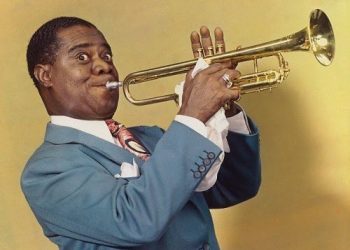
Trumpet players are the heralds of the music world, wielding their instruments with precision, power, and passion. From the blazing, high-energy solos of jazz to the majestic fanfares of classical music, trumpet players command attention with their brilliant sound and dynamic performances.
At the heart of the brass section, trumpet players play a crucial role in ensembles of all genres, providing soaring melodies, rhythmic accents, and vibrant harmonies. With their ability to produce a wide range of tones and dynamics, trumpet players bring depth and color to any musical arrangement.
The trumpet’s piercing sound cuts through the air with clarity and authority, making it a versatile and expressive instrument capable of conveying a wide range of emotions. Whether performing as a soloist, leading a section, or collaborating with other musicians, trumpet players bring a sense of excitement and energy to every performance.
But beyond their technical skill, trumpet players possess a deep musicality and a keen understanding of phrasing, articulation, and expression. Their ability to communicate emotion through their playing captivates audiences and leaves a lasting impression long after the final note has faded.
With their talent, dedication, and artistry, trumpet players enrich the world of music and inspire countless listeners with their remarkable performances.
1. Woody Shaw
Woody Shaw, born on December 24, 1944, in Laurinburg, North Carolina, and passing away on May 10, 1989, in New York City, was a highly influential American jazz trumpeter and composer. Renowned for his innovative approach to improvisation, virtuosic technique, and unique sound, Shaw left an indelible mark on the world of jazz.
Shaw’s playing style was characterized by its fiery intensity, complex harmonic language, and deep emotional expression. He possessed a remarkable command of the trumpet, effortlessly navigating through intricate chord changes and pushing the boundaries of traditional jazz improvisation.
Throughout his career, Shaw recorded numerous critically acclaimed albums as a bandleader and sideman, collaborating with some of the most notable names in jazz, including McCoy Tyner, Dexter Gordon, and Art Blakey. His recordings from the 1970s and 1980s, such as “Rosewood,” “Stepping Stones,” and “The Moontrane,” are considered classics of the genre and showcase his exceptional talent as both a soloist and composer.
In addition to his musical contributions, Shaw was also known for his dedication to pushing jazz forward and for his commitment to mentoring and inspiring younger generations of musicians. His impact on the evolution of jazz music is profound, and his legacy as a masterful trumpeter and visionary artist continues to inspire jazz enthusiasts around the world.
2. Bix Beiderbecke
Bix Beiderbecke, born Leon Bismark Beiderbecke, was an American jazz cornetist, pianist, and composer who became one of the most influential figures in the early development of jazz music. Born in 1903 in Davenport, Iowa, Beiderbecke showed remarkable talent for music from a young age, mastering the cornet and piano with ease.
Beiderbecke’s distinctive playing style, characterized by his lyrical phrasing, inventive improvisation, and emotive tone, set him apart from his contemporaries and earned him acclaim as one of the greatest jazz musicians of his time. He was known for his ability to blend elements of classical music with jazz, creating a unique and innovative sound that captivated audiences.
Beiderbecke rose to prominence in the 1920s as a member of the Wolverines, a popular jazz band based in Chicago. He gained further recognition as a member of the Jean Goldkette Orchestra and later the Paul Whiteman Orchestra, with whom he recorded some of his most famous compositions, including “Singin’ the Blues” and “In a Mist.”
Despite his relatively short career, Beiderbecke’s influence on jazz was profound, and he remains a legendary figure in the history of the genre. His recordings continue to be studied and admired by musicians and jazz enthusiasts around the world, and his innovative approach to improvisation and composition paved the way for future generations of jazz musicians.
Tragically, Beiderbecke’s life was cut short by alcoholism, and he passed away in 1931 at the age of 28. Despite his untimely death, his musical legacy lives on, and he is remembered as one of the true pioneers of jazz music, whose contributions continue to inspire and resonate with audiences to this day.
3. Nat Adderley
Nat Adderley, born Nathaniel Adderley, was an American jazz cornet and trumpet player known for his soulful playing, infectious grooves, and contributions to the hard bop and soul jazz movements. Born in 1931 in Tampa, Florida, Adderley came from a musical family, with his brother being the renowned saxophonist Julian “Cannonball” Adderley.
Nat Adderley gained recognition in the 1950s and 1960s as a member of his brother’s quintet, the Cannonball Adderley Quintet. As the younger Adderley, he brought a unique energy and sound to the group, often serving as a counterpoint to his brother’s fiery saxophone playing. His melodic improvisations, bluesy phrasing, and distinctive tone on the cornet and trumpet became hallmarks of the quintet’s sound.
Adderley recorded numerous albums as a leader, showcasing his talents as a composer and bandleader. His compositions, such as “Work Song” and “Jive Samba,” became jazz standards and are still performed by musicians around the world.
In addition to his work with the Cannonball Adderley Quintet, Nat Adderley collaborated with a wide range of jazz musicians, including Wes Montgomery, Duke Pearson, and Horace Silver. He also led his own groups, exploring various styles within the jazz genre, including hard bop, soul jazz, and modal jazz.
Nat Adderley’s influence on jazz is immeasurable, and his legacy as a versatile and soulful trumpet player continues to be celebrated by musicians and fans alike. His contributions to the hard bop and soul jazz movements, both as a sideman and as a bandleader, have left an indelible mark on the history of jazz, ensuring that his music will be remembered and cherished for generations to come. Nat Adderley passed away in 2000, but his music remains a testament to his enduring talent and creativity.
4. Roy Eldridge
Roy Eldridge, born on January 30, 1911, in Pittsburgh, Pennsylvania, and passing away on February 26, 1989, in Valley Stream, New York, was a pioneering American jazz trumpeter known for his virtuosic playing, expressive style, and influential contributions to the development of bebop and modern jazz.
Eldridge’s playing was characterized by its fiery energy, technical brilliance, and innovative approach to improvisation. He possessed a remarkable command of the trumpet, effortlessly navigating through fast tempos and complex chord changes while imbuing his performances with soulful emotion and rhythmic drive.
Eldridge rose to prominence in the 1930s as a member of various big bands, including those led by Teddy Hill, Fletcher Henderson, and Gene Krupa. He quickly gained recognition for his electrifying solos and dynamic stage presence, earning him the nickname “Little Jazz.”
Throughout his career, Eldridge recorded numerous acclaimed albums as both a bandleader and sideman, collaborating with some of the most notable names in jazz, including Coleman Hawkins, Benny Goodman, and Artie Shaw. His recordings from the 1930s and 1940s, such as “After You’ve Gone” and “Rockin’ Chair,” are considered classics of the genre and showcase his exceptional talent as both a soloist and ensemble player.
In addition to his musical contributions, Eldridge was also a trailblazer for African American musicians, breaking down racial barriers and paving the way for future generations of jazz artists. His impact on the evolution of jazz music is profound, and his legacy as a masterful trumpeter and innovator continues to inspire jazz enthusiasts around the world.
5. Harry James
Harry James, born Harry Haag James, was an American jazz trumpeter, bandleader, and actor who rose to fame in the swing era of the 1930s and 1940s. Born in 1916 in Albany, Georgia, James began playing the trumpet at an early age and quickly established himself as a prodigious talent.
James gained national attention in the late 1930s as the lead trumpeter and featured soloist with Benny Goodman’s orchestra, one of the most popular and influential bands of the swing era. His virtuosic trumpet playing, characterized by its technical brilliance, soaring high notes, and expressive phrasing, made him a standout performer and earned him widespread acclaim.
In 1939, James formed his own orchestra, the Harry James Orchestra, which quickly became one of the most successful and acclaimed big bands of the era. The orchestra’s recordings, such as “Ciribiribin” and “Trumpet Blues and Cantabile,” showcased James’s dynamic trumpet playing and the band’s tight arrangements, and they enjoyed commercial success and critical acclaim.
Throughout the 1940s and 1950s, James continued to lead his orchestra, touring extensively and recording numerous albums. He also branched out into other ventures, including acting in several films and television shows.
Harry James’s influence on jazz and popular music is significant, and his legacy as one of the greatest trumpeters of the swing era continues to be celebrated by musicians and fans alike. His virtuosic trumpet playing, innovative arrangements, and charismatic stage presence left an indelible mark on the history of jazz, ensuring that his music will be remembered and cherished for generations to come. Harry James passed away in 1983, but his contributions to the world of music continue to be appreciated by audiences around the world.
6. Donald Byrd
Donald Byrd, born on December 9, 1932, in Detroit, Michigan, and passing away on February 4, 2013, was a highly influential American jazz trumpeter, composer, and educator. Renowned for his versatility, technical prowess, and innovative approach to jazz, Byrd made significant contributions to the genre over several decades.
Byrd’s playing style was characterized by its smooth tone, lyrical phrasing, and impeccable technique. He had a remarkable ability to blend elements of bebop, hard bop, and soul jazz into his playing, creating a distinctive sound that was both sophisticated and accessible.
Byrd rose to prominence in the 1950s as a member of Art Blakey’s Jazz Messengers and later as a bandleader in his own right. He recorded numerous acclaimed albums for Blue Note Records, including classics such as “A New Perspective,” “Ethiopian Knights,” and “Street Lady.” His recordings from the 1960s and 1970s, such as “Black Byrd” and “Places and Spaces,” are considered landmarks of jazz-funk fusion and showcase his versatility as both a performer and composer.
In addition to his musical achievements, Byrd was also a dedicated educator, serving as a professor of music at various universities and institutions throughout his career. He was committed to passing on his knowledge and passion for jazz to future generations of musicians.
Donald Byrd’s impact on the world of jazz is profound, and his legacy as a masterful trumpeter, composer, and educator continues to inspire musicians and fans around the world. His recordings remain essential listening for anyone interested in the rich history of jazz, and his influence on the genre will be felt for generations to come.
7. Arturo Sandoval
Arturo Sandoval is a Cuban-born jazz trumpeter, pianist, and composer known for his virtuosic trumpet playing, expansive musical range, and passionate performances. Born in 1949 in Artemisa, Cuba, Sandoval began studying classical trumpet at a young age and quickly gained recognition as a prodigious talent.
Sandoval’s career took off in the 1970s when he joined the acclaimed Cuban jazz ensemble Irakere, led by pianist Chucho Valdés. As a member of Irakere, Sandoval gained international acclaim for his electrifying performances and innovative approach to Afro-Cuban jazz fusion.
In 1990, Sandoval defected to the United States, seeking artistic and political freedom. Since then, he has established himself as one of the most celebrated jazz musicians in the world, earning numerous awards and accolades for his contributions to the genre.
Sandoval’s trumpet playing is characterized by its technical brilliance, expressive phrasing, and improvisational prowess. He effortlessly navigates complex melodies and rapid-fire runs across the trumpet’s range, showcasing his mastery of the instrument.
In addition to his work as a trumpeter, Sandoval is also an accomplished pianist, composer, and arranger. He has released over 30 albums as a bandleader, exploring a wide range of musical styles, including Latin jazz, bebop, and classical music.
Sandoval’s influence on jazz and Latin music is profound, and his legacy as a pioneering musician and cultural ambassador continues to inspire audiences around the world. His passionate performances, innovative compositions, and unwavering dedication to his craft have solidified his place as one of the greatest trumpeters of his generation. Arturo Sandoval’s music transcends borders and genres, uniting audiences with its infectious energy and universal appeal.
8. Maynard Ferguson
Maynard Ferguson, born on May 4, 1928, in Verdun, Quebec, Canada, and passing away on August 23, 2006, in Ventura, California, was a highly acclaimed Canadian jazz trumpeter and bandleader known for his exceptional range, technical virtuosity, and electrifying performances.
Ferguson’s playing style was characterized by its astonishing high notes, powerful sound, and dynamic stage presence. He possessed an extraordinary ability to soar effortlessly into the upper register of the trumpet, dazzling audiences with his sheer technical prowess and command of the instrument.
Ferguson rose to prominence in the 1950s as a member of Stan Kenton’s orchestra, where his thrilling trumpet solos became a highlight of the band’s performances. He later formed his own big band, the Maynard Ferguson Orchestra, which gained widespread acclaim for its innovative arrangements and high-energy performances.
Throughout his career, Ferguson recorded numerous acclaimed albums as both a bandleader and sideman, covering a wide range of styles from traditional big band swing to jazz-rock fusion. His recordings from the 1960s and 1970s, such as “Conquistador” and “MF Horn,” are considered classics of the genre and showcase his exceptional talent as both a performer and composer.
In addition to his musical achievements, Ferguson was also a dedicated educator, inspiring countless young musicians with his passion for jazz and his commitment to excellence. He continued to perform and record up until his passing, leaving behind a rich legacy as one of the greatest trumpeters and bandleaders in the history of jazz.
Maynard Ferguson’s impact on the world of jazz is profound, and his legacy as a masterful trumpeter, bandleader, and educator continues to inspire musicians and fans around the world. His recordings remain essential listening for anyone interested in the rich history of jazz, and his influence on the genre will be felt for generations to come.
9. Clifford Brown
Clifford Brown, often referred to as “Brownie,” was an influential American jazz trumpeter whose brilliant and tragically short-lived career left an indelible mark on the genre. Born in 1930 in Wilmington, Delaware, Brown demonstrated extraordinary talent on the trumpet from a young age and quickly gained recognition for his exceptional musicianship.
Brown rose to prominence in the 1950s as a leading figure in the hard bop movement, renowned for his dazzling technique, soulful tone, and lyrical improvisations. His playing was characterized by its clarity, precision, and emotional depth, earning him widespread acclaim and admiration from both audiences and fellow musicians.
As a member of the Max Roach Quintet, Brown formed a legendary partnership with drummer Max Roach, with whom he recorded several groundbreaking albums, including the classic “Clifford Brown & Max Roach” and “Study in Brown.” Their collaborations showcased Brown’s remarkable talent as a soloist and composer and helped define the sound of hard bop during the era.
Tragically, Brown’s promising career was cut short in 1956 when he died in a car accident at the age of 25. Despite his untimely death, his legacy as one of the greatest trumpeters in the history of jazz endures. His recordings continue to inspire and influence generations of musicians, and his compositions, such as “Joy Spring” and “Daahoud,” remain jazz standards.
Brown’s impact on the jazz world was profound, and his contributions to the genre are celebrated for their innovation, technical mastery, and emotional depth. He remains a beloved figure in jazz history, revered for his extraordinary talent and enduring influence on the art form. Clifford Brown’s music serves as a timeless reminder of his brilliance and the tragic loss of a true jazz visionary.
10. Wynton Marsalis
Wynton Marsalis, born on October 18, 1961, in New Orleans, Louisiana, is a highly esteemed American trumpeter, composer, bandleader, and educator. Renowned for his virtuosic trumpet playing, Marsalis is considered one of the most prominent figures in contemporary jazz and classical music.
Marsalis’s playing style is characterized by its technical brilliance, lyrical phrasing, and deep respect for the traditions of jazz and classical music. He possesses a rich, warm tone and a remarkable command of the trumpet, effortlessly navigating through complex melodies and improvisations with precision and emotion.
Marsalis rose to prominence in the 1980s as a member of Art Blakey’s Jazz Messengers and later as a bandleader in his own right. He has recorded numerous acclaimed albums for both jazz and classical labels, earning him multiple Grammy Awards and widespread critical acclaim. His recordings, such as “Black Codes (From the Underground)” and “Blood on the Fields,” are considered classics of the genre and showcase his exceptional talent as both a performer and composer.
In addition to his musical achievements, Marsalis is also a dedicated educator and advocate for the arts. He has served as the artistic director of Jazz at Lincoln Center in New York City since 1987, where he oversees a wide range of educational and performance programs aimed at preserving and promoting jazz music.
Wynton Marsalis’s impact on the world of jazz and classical music is profound, and his legacy as a masterful trumpeter, composer, and educator continues to inspire musicians and fans around the world. His recordings remain essential listening for anyone interested in the rich history of jazz, and his influence on the genre will be felt for generations to come.
11. Lee Morgan
Lee Morgan, born on July 10, 1938, in Philadelphia, Pennsylvania, and tragically passing away on February 19, 1972, was an immensely talented American jazz trumpeter and composer. Renowned for his lyrical style, fiery improvisations, and soulful sound, Morgan made significant contributions to the world of jazz during his relatively short but impactful career.
Morgan’s playing style was characterized by its melodic inventiveness, technical prowess, and emotional depth. He possessed a warm, expressive tone and a remarkable command of the trumpet, effortlessly weaving intricate melodies and dazzling improvisations into his performances.
Morgan first gained recognition in the late 1950s as a member of Art Blakey’s Jazz Messengers, where he quickly established himself as one of the leading trumpeters of his generation. He later embarked on a successful solo career, recording numerous acclaimed albums for Blue Note Records, including classics such as “The Sidewinder,” “Cornbread,” and “Search for the New Land.”
In addition to his musical achievements, Morgan was also known for his charismatic stage presence and his ability to connect with audiences on a deep emotional level. His recordings, characterized by their infectious grooves and soulful melodies, continue to captivate listeners and inspire musicians to this day.
Tragically, Morgan’s life was cut short when he was fatally shot by his common-law wife during a performance at a New York City club in 1972. Despite his untimely death, his legacy as one of the greatest trumpeters in the history of jazz endures, and his recordings remain essential listening for anyone interested in the rich history of the genre.
12. Louis Armstrong
Louis Armstrong, often referred to as “Satchmo” or “Pops,” was an American jazz trumpeter, vocalist, and influential figure in the development of jazz music. Born in 1901 in New Orleans, Louisiana, Armstrong grew up in poverty and began playing the cornet at a young age. His talent and passion for music would propel him to become one of the most iconic and beloved musicians of the 20th century.
Armstrong’s innovative playing style, characterized by his virtuosic improvisation, expressive phrasing, and powerful tone, revolutionized jazz and set the standard for trumpet players for generations to come. His groundbreaking recordings, such as “West End Blues,” “Stardust,” and “What a Wonderful World,” showcase his unparalleled skill and charisma as a performer.
In addition to his instrumental prowess, Armstrong was also a gifted vocalist, known for his distinctive gravelly voice and charismatic stage presence. His renditions of jazz standards like “Hello, Dolly!” and “Mack the Knife” became chart-topping hits and helped popularize jazz music to audiences around the world.
Beyond his musical contributions, Armstrong was also a cultural ambassador, breaking down racial barriers and spreading the joy of jazz to audiences across the globe. His infectious personality, warm smile, and positive attitude endeared him to fans of all ages and backgrounds.
Louis Armstrong’s impact on jazz and popular music is immeasurable, and his legacy as one of the greatest musicians of all time continues to be celebrated worldwide. His innovative spirit, boundless creativity, and enduring influence have left an indelible mark on the history of music, ensuring that his music will be cherished and admired for generations to come. Louis Armstrong passed away in 1971, but his music remains as vibrant and influential as ever, a testament to his enduring legacy as a true jazz icon.
13. Miles Davis
Miles Davis was an American jazz trumpeter, bandleader, and composer widely regarded as one of the most innovative and influential musicians in the history of jazz. Born in 1926 in Alton, Illinois, Davis began playing the trumpet at an early age and quickly established himself as a prodigious talent.
Davis rose to prominence in the 1940s and 1950s as a leading figure in the bebop and cool jazz movements, making significant contributions to the development of modern jazz. His early recordings, such as “Birth of the Cool” and “Kind of Blue,” are regarded as classics of the genre and have had a profound impact on the course of jazz history.
Throughout his career, Davis continually pushed the boundaries of jazz, experimenting with new styles, techniques, and musical ideas. He was known for his restless creativity, constantly evolving his sound and embracing new influences, from modal jazz and jazz fusion to funk and electronic music.
Davis’s collaborations with other jazz luminaries, including John Coltrane, Herbie Hancock, and Wayne Shorter, produced some of the most innovative and influential recordings in the history of jazz. His bands served as incubators for some of the most talented musicians of their time, and his leadership style encouraged creativity and exploration.
In addition to his musical innovations, Davis was also a cultural icon and a figurehead for the civil rights movement. His pioneering spirit, uncompromising artistic vision, and willingness to challenge conventions inspired generations of musicians and continue to resonate with audiences around the world.
Miles Davis’s influence on jazz and popular music is immeasurable, and his legacy as one of the greatest musicians of the 20th century continues to be celebrated and studied by musicians and fans alike. His music remains as vibrant, innovative, and relevant as ever, a testament to his enduring impact on the world of music. Miles Davis passed away in 1991, but his legacy lives on through his timeless recordings and the countless musicians he inspired.
14. Dizzy Gillespie
Dizzy Gillespie, born John Birks Gillespie on October 21, 1917, in Cheraw, South Carolina, and passing away on January 6, 1993, in Englewood, New Jersey, was a groundbreaking American jazz trumpeter, composer, and bandleader. Renowned for his virtuosic trumpet playing, innovative approach to improvisation, and charismatic personality, Gillespie played a pivotal role in shaping the course of jazz music in the 20th century.
Gillespie’s playing style was characterized by its blazing speed, rhythmic complexity, and distinctive bent trumpet bell, which became his signature. He possessed an extraordinary range and a playful sense of humor, often incorporating scat singing and vocalizations into his performances.
Gillespie rose to prominence in the 1940s as one of the leading figures of the bebop movement, alongside Charlie Parker and Thelonious Monk. He pioneered the use of complex chord changes and harmonies in jazz, revolutionizing the genre and inspiring generations of musicians.
As a bandleader, Gillespie led several influential groups, including his own big band and small ensembles. He recorded numerous acclaimed albums, including classics such as “Night in Tunisia,” “Salt Peanuts,” and “A Night at the Village Vanguard.”
In addition to his musical contributions, Gillespie was also a tireless advocate for jazz education and cultural diplomacy. He toured extensively around the world as a goodwill ambassador for the United States, spreading the message of jazz and promoting international understanding through music.
Dizzy Gillespie’s impact on the world of jazz is immeasurable, and his legacy as a masterful trumpeter, composer, and ambassador of jazz continues to inspire musicians and fans around the world. His recordings remain essential listening for anyone interested in the rich history of the genre, and his influence on the course of jazz music will be felt for generations to come.
15. Freddie Hubbard
Freddie Hubbard was an American jazz trumpeter known for his dazzling technique, virtuosic improvisation, and innovative contributions to the world of jazz. Born in 1938 in Indianapolis, Indiana, Hubbard began playing the trumpet at a young age and quickly gained recognition as a rising star in the jazz scene.
Hubbard rose to prominence in the 1960s as one of the leading figures in the hard bop and post-bop movements. His powerful sound, lightning-fast technique, and adventurous approach to improvisation made him a standout performer and earned him acclaim from audiences and fellow musicians alike.
Throughout his career, Hubbard recorded numerous albums as a leader and sideman, collaborating with some of the most prominent figures in jazz, including Art Blakey, Herbie Hancock, and Wayne Shorter. His recordings, such as “Ready for Freddie,” “Red Clay,” and “Hub-Tones,” are regarded as classics of the genre and showcase his exceptional talent as a composer and performer.
In addition to his work in the traditional jazz idiom, Hubbard also explored fusion and jazz-rock, incorporating elements of funk, soul, and electric instrumentation into his music. His experiments with new styles and genres helped expand the boundaries of jazz and attract new audiences to the genre.
Hubbard’s influence on jazz music is profound, and his legacy as one of the greatest trumpeters in the history of the genre continues to be celebrated by musicians and fans around the world. His innovative approach to improvisation, technical mastery of the trumpet, and adventurous spirit continue to inspire generations of musicians, ensuring that his music will be remembered and admired for years to come. Freddie Hubbard passed away in 2008, but his contributions to the world of jazz remain as vibrant and relevant as ever.

Edward Tomlin is a frequent contributor to Singers Room. Since 2005, Singersroom has been the voice of R&B around the world. Connect with us via social media below.