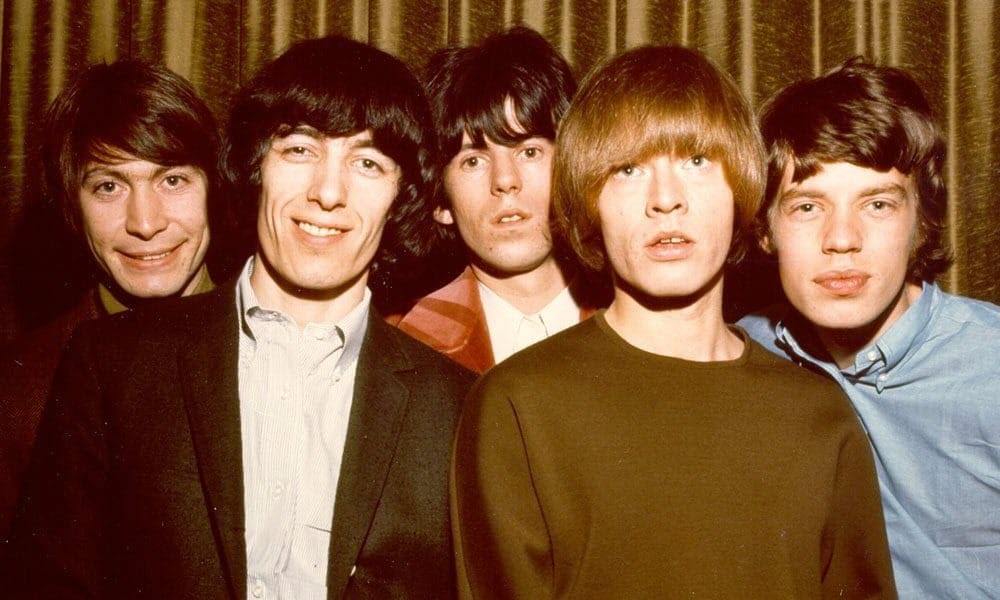
The Rolling Stones are one of the most iconic and influential rock bands in history. Formed in London in 1962, the band consists of vocalist Mick Jagger, guitarist Keith Richards, guitarist Brian Jones (until his death in 1969), bassist Bill Wyman, and drummer Charlie Watts, with Ronnie Wood joining as guitarist in 1975.
With their raw, blues-infused rock sound, rebellious attitude, and captivating stage presence, The Rolling Stones quickly rose to fame during the British Invasion of the 1960s. They became known for hits like “(I Can’t Get No) Satisfaction,” “Paint It Black,” and “Sympathy for the Devil,” which showcased their distinctive blend of rock, blues, and R&B.
The band’s longevity is remarkable, with a career spanning over six decades. They’ve sold hundreds of millions of albums worldwide and continue to attract massive crowds to their electrifying live performances. The Rolling Stones are renowned for their legendary tours, often breaking attendance records and setting new standards for live rock music.
Beyond their musical achievements, The Rolling Stones have had a profound cultural impact, influencing countless musicians and shaping the landscape of rock music. They’ve weathered controversies, lineup changes, and personal challenges, yet their enduring legacy as rock icons remains unshakable. The Rolling Stones are not just a band; they are a symbol of rock ‘n’ roll rebellion, longevity, and timeless coolness.
1. Gimme Shelter
“Gimme Shelter,” an iconic track by The Rolling Stones, stands as a haunting reflection of the tumultuous era of the late 1960s. Released in 1969 as part of their album “Let It Bleed,” the song encapsulates the uncertainty, chaos, and social upheaval of the time.
At its heart, “Gimme Shelter” is driven by its distinctive guitar riff, crafted by Keith Richards, which sets a foreboding tone from the outset. Mick Jagger’s urgent vocals convey a sense of desperation and unease, amplified by the haunting backing vocals of Merry Clayton. The lyrics paint a vivid picture of a world on the brink, grappling with violence, war, and the breakdown of societal norms.
“Gimme Shelter” is more than just a song; it’s a powerful commentary on the human condition and the search for sanctuary in a world fraught with danger and uncertainty. Its relevance has endured over the decades, serving as a rallying cry for social justice and a reminder of the fragility of peace and stability.
As one of The Rolling Stones’ most enduring and influential songs, “Gimme Shelter” continues to resonate with audiences worldwide, its message as urgent and compelling today as it was over fifty years ago.
2. Paint It Black
“Paint It Black” is a mesmerizing and enigmatic masterpiece by The Rolling Stones, released in 1966 during a period of cultural upheaval and experimentation. Serving as a departure from their earlier work, the song is characterized by its haunting melody, evocative lyrics, and innovative use of Eastern-inspired instrumentation.
At its core, “Paint It Black” is driven by Brian Jones’s distinctive sitar riff, which adds an exotic and hypnotic quality to the track. Mick Jagger’s vocals are imbued with a sense of longing and despair as he grapples with themes of grief, loss, and nihilism. The lyrics paint a vivid portrait of a world shrouded in darkness, where colors are drained of vibrancy and life feels devoid of meaning.
“Paint It Black” stands as a powerful reflection of the existential angst and disillusionment of its time, capturing the mood of a generation grappling with social upheaval, political unrest, and the specter of war. Its brooding intensity and evocative imagery have cemented its status as one of The Rolling Stones’ most enduring and iconic songs.
Decades after its release, “Paint It Black” continues to resonate with listeners, its haunting melody and introspective lyrics offering a poignant exploration of the human experience. As a testament to its timeless relevance, the song remains a staple of classic rock radio and a testament to The Rolling Stones’ enduring legacy as pioneers of rock music.
3. Sympathy for the Devil
“Sympathy for the Devil” is a song by The Rolling Stones, released on their 1968 album “Beggars Banquet.” It was written by Mick Jagger and Keith Richards and is one of the band’s most famous and enduring songs.
“Sympathy for the Devil” is notable for its distinctive rhythm, driven by congas and a samba-inflected beat, as well as its provocative lyrics. The song is sung from the perspective of the Devil, who recounts his role in various historical events and human atrocities, suggesting that evil is an inherent part of human nature.
The lyrics of “Sympathy for the Devil” reference a wide range of historical and religious figures and events, including the crucifixion of Jesus Christ, the Russian Revolution, and the assassination of the Kennedys. The song’s refrain, “Pleased to meet you, hope you guess my name,” is one of its most memorable lines.
“Sympathy for the Devil” has been interpreted in various ways, with some seeing it as a critique of humanity’s capacity for evil and others as a celebration of rebellion and defiance. Regardless of its interpretation, the song remains a classic of rock music and has been covered by numerous artists over the years.
4. (I Can’t Get No) Satisfaction
“(I Can’t Get No) Satisfaction” is a classic rock song by The Rolling Stones, released in 1965. It was written by Mick Jagger and Keith Richards, and produced by Andrew Loog Oldham.
The song is known for its iconic guitar riff, played by Keith Richards, and its rebellious lyrics that capture the frustration and disillusionment of youth culture in the 1960s. The lyrics express dissatisfaction with commercialism, consumer culture, and the pressures of society, with the narrator expressing frustration at his inability to find satisfaction despite trying various means, including advertising and relationships.
“(I Can’t Get No) Satisfaction” became one of The Rolling Stones’ biggest hits and a signature song for the band. It topped the charts in both the UK and the US, and its catchy riff and memorable lyrics have made it one of the most recognizable and enduring songs in rock music history.
The song’s impact on popular culture was significant, and it has been covered by numerous artists across different genres. It is often cited as one of the greatest rock songs of all time and has been inducted into the Grammy Hall of Fame.
5. You Can’t Always Get What You Want
“You Can’t Always Get What You Want” stands as one of The Rolling Stones’ most poignant and enduring compositions, released in 1969 as part of their landmark album “Let It Bleed.” The song’s timeless message of acceptance, resilience, and the complexities of desire resonates deeply with listeners across generations.
At its core, “You Can’t Always Get What You Want” features a soul-stirring combination of gospel-inspired vocals, majestic orchestration, and Mick Jagger’s introspective lyrics. The track opens with a solemn choir, setting a reflective tone that is carried throughout the song. Jagger’s lyrics poignantly explore the universal truth that life doesn’t always unfold as planned, and that acceptance and adaptation are necessary for personal growth and fulfillment.
The song’s soaring chorus, with its refrain of “You can’t always get what you want, but if you try sometimes, you might find, you get what you need,” has become an anthem of resilience and hope, resonating with audiences during times of adversity and uncertainty. Its powerful message of perseverance and acceptance has cemented its status as one of The Rolling Stones’ most beloved and enduring songs.
Decades after its release, “You Can’t Always Get What You Want” continues to inspire listeners with its timeless wisdom and emotional resonance, serving as a reminder that life’s challenges can lead to unexpected blessings and personal growth.
6. Tumbling Dice
“Tumbling Dice” is a song by The Rolling Stones, released on their 1972 album “Exile on Main St.” It was written by Mick Jagger and Keith Richards, the primary songwriting duo of the band.
“Tumbling Dice” features a bluesy rock sound, typical of The Rolling Stones’ style, with a catchy guitar riff and energetic rhythm. The lyrics of the song touch on themes of luck, gambling, and the ups and downs of life and love. The title “Tumbling Dice” refers to the rolling of dice in gambling, symbolizing the unpredictability of fate.
The song was a commercial success, reaching the top ten in several countries, including the United States and the United Kingdom. It has since become one of The Rolling Stones’ most popular and enduring songs, frequently performed in concert and included on compilation albums.
“Tumbling Dice” has been covered by various artists and has been featured in films, television shows, and commercials, further solidifying its status as a classic rock staple.
7. Jumpin’ Jack Flash
“Jumpin’ Jack Flash” is a timeless classic by The Rolling Stones, released in 1968 during a period of cultural revolution and musical innovation. The song is a fiery and electrifying rock anthem that epitomizes the band’s raw energy, rebellious spirit, and enduring influence.
At its core, “Jumpin’ Jack Flash” is propelled by Keith Richards’ iconic guitar riff, which ignites the track with its infectious groove and driving rhythm. Mick Jagger’s dynamic vocals exude swagger and defiance as he inhabits the persona of the titular character, a mysterious and enigmatic figure who transcends adversity with resilience and determination.
Lyrically, “Jumpin’ Jack Flash” is a vivid and evocative portrayal of life on the edge, with Jagger’s lyrics painting a picture of chaos, danger, and exhilaration. The song’s anthemic chorus, with its refrain of “Jumpin’ Jack Flash, it’s a gas, gas, gas,” has become an enduring rallying cry for fans of The Rolling Stones, capturing the rebellious spirit of rock and roll.
“Jumpin’ Jack Flash” remains a staple of classic rock radio and a highlight of The Rolling Stones’ legendary live performances. Its electrifying energy and timeless appeal have solidified its status as one of the band’s most beloved and iconic songs, continuing to captivate audiences around the world with its irresistible blend of power, passion, and rock and roll spirit.
8. Honky Tonk Women
“Honky Tonk Women” is a song by The Rolling Stones, released as a single in 1969 and later included on their compilation album “Through the Past, Darkly (Big Hits Vol. 2).” The song was written by Mick Jagger and Keith Richards, the principal songwriting duo of the band.
“Honky Tonk Women” has a distinctive country rock vibe, featuring a prominent slide guitar riff played by Keith Richards. The lyrics tell the story of a man’s encounters with various women, particularly those from the “honky tonk” or bar scene, and the narrator’s experiences with them.
The song was a commercial success, topping the charts in several countries, including the United States and the United Kingdom. Its catchy melody, memorable riff, and infectious rhythm have made it one of The Rolling Stones’ most popular and enduring songs.
“Honky Tonk Women” has been covered by numerous artists over the years and has been featured in various films, television shows, and commercials. It remains a staple of The Rolling Stones’ live performances and is often cited as one of the greatest rock songs of all time.
9. Start Me Up
“Start Me Up” is an electrifying anthem by The Rolling Stones, released in 1981 as the lead single from their album “Tattoo You.” The song’s infectious energy, driving rhythm, and memorable guitar riff make it an enduring favorite among fans and a staple of classic rock radio.
At its core, “Start Me Up” is propelled by Keith Richards’ unmistakable guitar riff, which instantly grabs the listener’s attention and sets the tone for the track’s exhilarating groove. Charlie Watts’ steady drumbeat and Bill Wyman’s pulsating bassline provide a solid foundation for Mick Jagger’s dynamic vocals, which exude confidence and swagger as he delivers the song’s infectious chorus.
Lyrically, “Start Me Up” is a celebration of passion, desire, and the thrill of new beginnings. Jagger’s lyrics convey a sense of urgency and excitement, capturing the exhilaration of embarking on a new adventure or relationship. The song’s anthemic chorus, with its refrain of “You make a grown man cry,” is both catchy and cathartic, inviting listeners to join in the celebration.
“Start Me Up” was a commercial success upon its release, topping the charts in multiple countries and solidifying The Rolling Stones’ status as rock legends. Its timeless appeal and irresistible energy have ensured its enduring popularity, making it a perennial favorite among fans and a defining moment in the band’s illustrious career.
10. Brown Sugar
“Brown Sugar” is a song by The Rolling Stones, released in 1971 as the opening track and lead single from their album “Sticky Fingers.” It was written by Mick Jagger and Keith Richards, the primary songwriting team of the band.
“Brown Sugar” is a high-energy rock song with a prominent guitar riff played by Keith Richards. The lyrics of the song touch on themes of slavery, racism, and sexual exploitation, with references to a young woman of mixed race and her experiences in the American South.
The song’s lyrics have been the subject of controversy due to their explicit and racially charged content, with some critics accusing the song of being offensive or culturally insensitive. However, others argue that the song’s provocative lyrics are intended to critique and challenge societal norms and prejudices.
Despite the controversy, “Brown Sugar” was a commercial success, reaching the top of the charts in several countries, including the United States and the United Kingdom. It has since become one of The Rolling Stones’ most famous and enduring songs, frequently performed in concert and included on compilation albums.
“Brown Sugar” has been covered by numerous artists and has been featured in films, television shows, and commercials. Despite its controversial lyrics, it remains a staple of The Rolling Stones’ live performances and is often cited as one of the greatest rock songs of all time.

Edward Tomlin is a frequent contributor to Singers Room. Since 2005, Singersroom has been the voice of R&B around the world. Connect with us via social media below.







