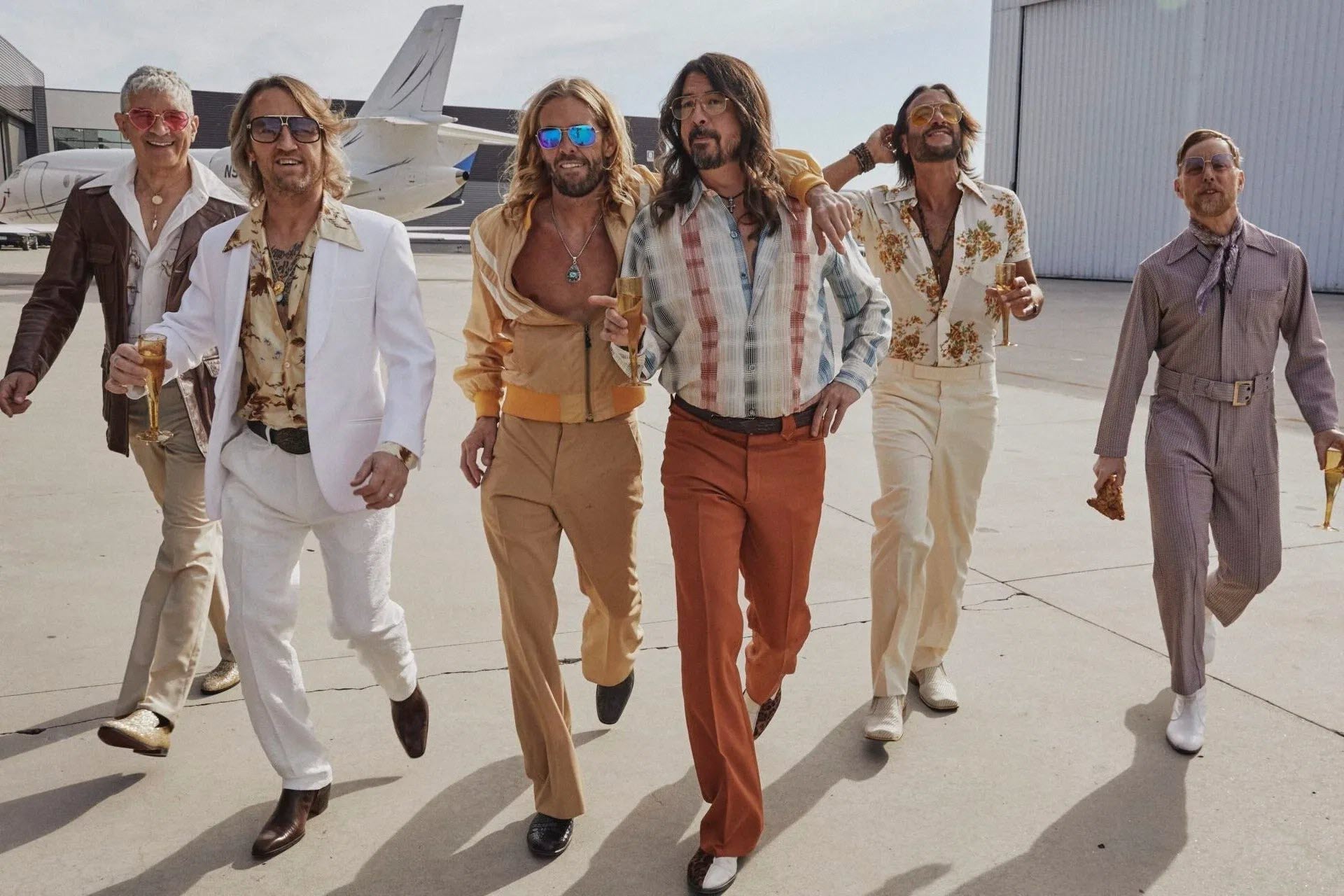
The Bee Gees, consisting of brothers Barry, Robin, and Maurice Gibb, are one of the most influential and successful pop groups in music history. Emerging from Redcliffe, Queensland, Australia, the trio began their musical journey in the late 1950s, eventually relocating to the United Kingdom where they found international fame.
Renowned for their tight harmonies, catchy melodies, and innovative use of falsetto vocals, the Bee Gees became synonymous with the disco era of the late 1970s, thanks to their contributions to the soundtrack of the iconic film “Saturday Night Fever.” Hits like “Stayin’ Alive,” “Night Fever,” and “How Deep Is Your Love” propelled them to global stardom, earning them numerous Grammy Awards and cementing their status as disco legends.
However, the Bee Gees’ career spanned far beyond the disco era, with their music evolving through various genres including pop, rock, and R&B. Their songwriting prowess extended to penning hits for other artists, showcasing their versatility and enduring influence on the music industry.
Despite personal and professional challenges over the years, including the tragic loss of Maurice Gibb in 2003, the Bee Gees’ legacy endures. Their timeless music continues to captivate audiences worldwide, solidifying their place as one of the greatest pop acts of all time.
1. ‘Alone’
“Alone” is a hauntingly beautiful ballad performed by the Bee Gees, written by Barry, Robin, and Maurice Gibb. Released in 1997 as part of their album “Still Waters,” the song showcases the group’s ability to deliver emotionally resonant performances with their signature harmonies and poignant lyrics.
With its melancholic melody and heartfelt sentiment, “Alone” delves into themes of heartbreak and longing. The lyrics express the pain of being separated from a loved one and the emptiness that comes with facing life’s challenges without their presence. The Bee Gees’ expressive vocals, coupled with the song’s stirring orchestration, evoke a sense of vulnerability and raw emotion that resonates deeply with listeners.
Despite its somber tone, “Alone” is a testament to the Bee Gees’ enduring talent as songwriters and performers. Their ability to convey complex emotions with sincerity and depth shines through in every note, making the song a standout track in their extensive discography.
“Alone” serves as a poignant reminder of the power of music to evoke and heal emotions, connecting listeners on a profound level. Its timeless beauty continues to captivate audiences, solidifying the Bee Gees’ legacy as one of the most influential and beloved acts in music history.
2. ‘Tragedy’
“Tragedy” is a disco and pop song by the Bee Gees, released in 1979 as a single from their album “Spirits Having Flown.” The song features Barry Gibb’s falsetto vocals and showcases the Bee Gees’ signature harmonies. “Tragedy” is characterized by its infectious beat, driving bassline, and catchy chorus.
Lyrically, “Tragedy” explores the pain and heartache of losing a loved one, with the singer expressing despair and longing for reconciliation. Despite the somber theme, the song’s upbeat tempo and energetic instrumentation give it a danceable quality that became a hallmark of the Bee Gees’ disco-era hits.
“Tragedy” was a commercial success, reaching the top ten in several countries and becoming one of the Bee Gees’ most recognizable songs. Its popularity has endured over the years, with the song frequently featured in films, television shows, and commercials, as well as being a staple of the Bee Gees’ live performances.
3. ‘Too Much Heaven’
“Too Much Heaven” is a soulful ballad by the Bee Gees, released in 1979 as a single from their album “Spirits Having Flown.” The song features the group’s trademark harmonies and lush instrumentation, including strings and a gospel choir.
“Too Much Heaven” is characterized by its romantic lyrics, expressing deep love and devotion. The song’s melody is uplifting and heartfelt, with Barry Gibb’s falsetto vocals soaring over the music. The Bee Gees’ harmonies add richness and depth to the song, creating a powerful emotional impact.
“Too Much Heaven” was a commercial success, topping the charts in multiple countries around the world. It has since become one of the Bee Gees’ most beloved and enduring songs, often cited as a classic example of their iconic sound.
4. ‘Nights on Broadway’
“Nights on Broadway” is a funky and soulful song by the Bee Gees, released in 1975 as part of their album “Main Course.” With its infectious groove, dynamic vocals, and innovative use of falsetto, the song showcases the group’s evolution toward the disco sound that would define much of their later work.
The lyrics of “Nights on Broadway” tell the story of a man grappling with loneliness and heartache as he wanders the streets at night, reminiscing about lost love and longing for connection. Barry Gibb’s soulful lead vocals, supported by the harmonies of his brothers Robin and Maurice, convey a sense of desperation and vulnerability that resonates deeply with listeners.
Musically, “Nights on Broadway” is characterized by its driving bassline, funky guitar riffs, and lush orchestration, creating a rich and atmospheric backdrop for the emotional lyrics. The song’s distinctive sound and catchy melody helped it become a chart-topping hit and a staple of the Bee Gees’ live performances.
With its combination of infectious rhythm and heartfelt storytelling, “Nights on Broadway” remains a beloved classic in the Bee Gees’ repertoire. Its timeless appeal continues to captivate audiences, solidifying its status as one of the standout tracks in the group’s illustrious career.
5. ‘You Should Be Dancing’
“You Should Be Dancing” is a disco song by the Bee Gees, released in 1976 as a single from their album “Children of the World.” The song is characterized by its infectious beat, funky bassline, and catchy chorus.
“You Should Be Dancing” became one of the Bee Gees’ signature songs and a disco anthem of the 1970s. Its upbeat tempo and danceable rhythm made it a favorite in clubs around the world, and it played a significant role in popularizing disco music.
Lyrically, the song encourages listeners to let go of their inhibitions and enjoy themselves on the dance floor. The Bee Gees’ harmonies and falsetto vocals give the song a distinctive sound that helped it stand out in the disco era.
“You Should Be Dancing” was a commercial success, reaching the top of the charts in several countries and solidifying the Bee Gees’ status as disco superstars. It remains a classic of the genre and is often included in compilations of the Bee Gees’ greatest hits.
6. ‘Love You Inside Out’
“Love You Inside Out” is a sultry and seductive disco anthem by the Bee Gees, released in 1979 as part of their album “Spirits Having Flown.” With its pulsating beat, infectious groove, and smooth falsetto vocals, the song epitomizes the Bee Gees’ mastery of the disco genre.
Lyrically, “Love You Inside Out” explores themes of desire and intimacy, with the protagonist expressing their deep affection for their partner. The sensual lyrics, paired with the song’s irresistible melody and lush instrumentation, create an atmosphere of passion and romance that captivates listeners from the very first note.
Musically, “Love You Inside Out” is characterized by its tight rhythm section, funky guitar licks, and lush orchestration, all of which contribute to its infectious energy and danceable vibe. The Bee Gees’ trademark harmonies, coupled with Barry Gibb’s silky-smooth vocals, elevate the song to new heights, making it an instant classic in the disco era.
Upon its release, “Love You Inside Out” soared to the top of the charts, becoming one of the Bee Gees’ biggest hits and solidifying their status as disco icons. Decades later, the song remains a favorite among fans of the genre, with its timeless appeal and irresistible groove continuing to fill dance floors around the world.
7. ‘Words’
“Words” is a song by the Bee Gees, released in 1968 as a single from their album “Horizontal.” It is one of the group’s early hits and showcases their signature vocal harmonies.
“Words” is a melodic ballad with poignant lyrics about the power of words in expressing emotions and feelings. The song’s gentle melody and heartfelt vocals create a romantic and introspective atmosphere. The Bee Gees’ harmonies add depth and emotion to the song, making it a standout track in their discography.
“Words” was a commercial success, reaching the top of the charts in several countries. It remains one of the Bee Gees’ most beloved songs and has been covered by numerous artists over the years. Its timeless appeal and universal message have helped it endure as a classic of pop music.
8. ‘I’ve Gotta Get a Message to You’
“I’ve Gotta Get a Message to You” is a poignant and emotive song by the Bee Gees, released in 1968 as a single from their album “Idea.” Written by Barry, Robin, and Maurice Gibb, the song is renowned for its haunting melody, intricate harmonies, and dramatic storytelling.
The lyrics of “I’ve Gotta Get a Message to You” narrate the desperate plea of a condemned man awaiting execution in prison. He implores the prison chaplain to deliver a final message to his loved one, expressing his deep remorse and longing for forgiveness. The protagonist’s anguish and desperation are palpable, conveyed through the Bee Gees’ emotive vocals and evocative imagery.
Musically, the song is characterized by its melancholic orchestration, with lush strings and dramatic arrangements adding to its emotional impact. The Bee Gees’ impeccable harmonies, coupled with Barry Gibb’s impassioned lead vocals, elevate the song to a powerful and unforgettable experience.
Upon its release, “I’ve Gotta Get a Message to You” became one of the Bee Gees’ most successful singles, reaching the top of the charts in several countries. Its timeless appeal and universal themes of love, loss, and redemption have ensured its enduring popularity, cementing its status as one of the standout tracks in the Bee Gees’ illustrious career.
9. Immortality (with Celine Dion)
“Immortality” is a song performed by Celine Dion featuring the Bee Gees. It was released in 1998 as part of Dion’s album “Let’s Talk About Love.” The song was written by Barry, Robin, and Maurice Gibb, the members of the Bee Gees.
“Immortality” is a powerful ballad with haunting melodies and emotive lyrics. It explores themes of eternal love and the idea of living forever through the memories and legacy left behind. Celine Dion’s powerful vocals, combined with the Bee Gees’ distinctive harmonies, create a captivating and poignant listening experience.
The collaboration between Celine Dion and the Bee Gees resulted in a memorable song that resonated with audiences worldwide. “Immortality” received critical acclaim and achieved commercial success, cementing its place as one of the standout tracks on Dion’s album. It remains a beloved and iconic duet in the repertoire of both artists.
10. ‘How Can You Mend a Broken Heart?’
“How Can You Mend a Broken Heart” is a soulful ballad by the Bee Gees, released in 1971 as part of their album “Trafalgar.” Written by Barry and Robin Gibb, the song is renowned for its heartfelt lyrics, lush orchestration, and poignant melody.
The lyrics of “How Can You Mend a Broken Heart” explore the pain and anguish of heartbreak, with the protagonist grappling with the aftermath of a failed relationship. He reflects on the difficulty of moving on and finding solace after experiencing loss and betrayal. The Bee Gees’ emotive vocals, characterized by their trademark harmonies and Barry Gibb’s soulful delivery, convey the raw emotion and vulnerability of the protagonist’s plight.
Musically, the song is characterized by its gentle guitar strumming, sweeping strings, and melancholic melody, creating a poignant and atmospheric backdrop for the poignant lyrics. The Bee Gees’ impeccable musicianship and artistry shine through in every note, capturing the listener’s heart and soul.
Upon its release, “How Can You Mend a Broken Heart” became one of the Bee Gees’ most successful singles, reaching the top of the charts in multiple countries. Its timeless appeal and universal themes of love and loss have ensured its enduring popularity, solidifying its status as one of the most beloved ballads in the Bee Gees’ extensive discography.

Edward Tomlin is a frequent contributor to Singers Room. Since 2005, Singersroom has been the voice of R&B around the world. Connect with us via social media below.









