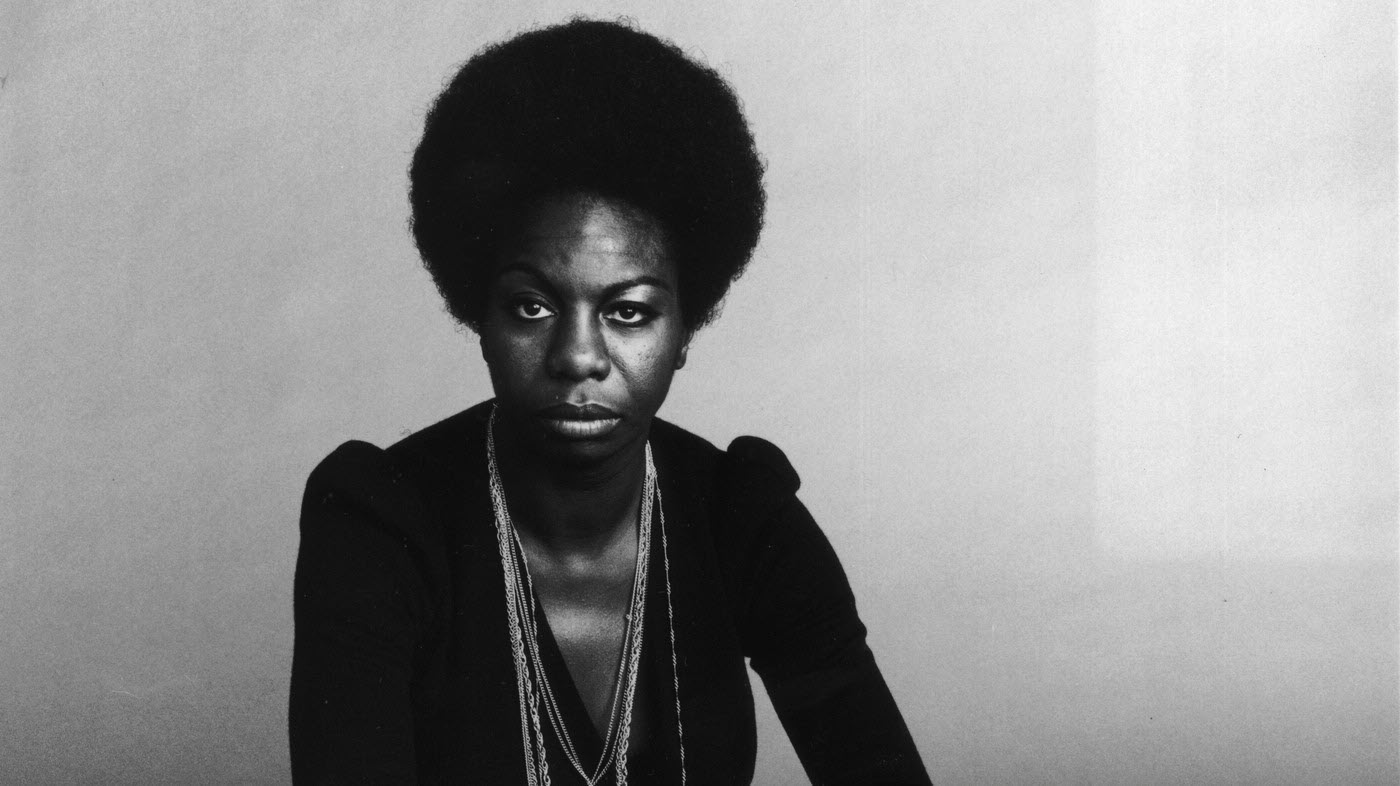
Nina Simone, born Eunice Kathleen Waymon on February 21, 1933, was a legendary American singer, songwriter, pianist, and civil rights activist. Known as the “High Priestess of Soul,” Simone’s distinctive voice, unparalleled talent, and fearless approach to music made her one of the most iconic figures in the history of jazz, blues, and soul music.
Simone’s musical style was eclectic, spanning across genres such as jazz, blues, gospel, folk, and classical. Her rich contralto voice, coupled with her virtuosic piano playing and emotive storytelling, captivated audiences worldwide. Hits like “Feeling Good,” “I Put a Spell on You,” and “My Baby Just Cares for Me” showcased Simone’s versatility and range as an artist.
Beyond her musical contributions, Simone was also a passionate advocate for civil rights and social justice. Her activism was reflected in her music, with songs like “Mississippi Goddam” and “To Be Young, Gifted and Black” becoming anthems of the civil rights movement. Simone’s fearless spirit and unwavering commitment to equality continue to inspire generations of musicians and activists.
Nina Simone’s legacy as a pioneering artist and fearless advocate for social change endures, cementing her status as one of the greatest voices in the history of music.
1. Feeling Good
“Feeling Good” is an iconic song performed by Nina Simone, originally written by Anthony Newley and Leslie Bricusse for the musical “The Roar of the Greasepaint – The Smell of the Crowd.” However, it was Nina Simone’s rendition, released on her 1965 album “I Put a Spell on You,” that became the definitive version of the song.
Simone’s rendition of “Feeling Good” is characterized by its sultry and soulful vocals, accompanied by a lush orchestral arrangement. The song exudes a sense of empowerment and liberation, with lyrics that speak of newfound freedom and optimism. Simone’s commanding delivery and emotive phrasing capture the essence of the song’s message, conveying a feeling of joy and exhilaration.
“Feeling Good” has since become one of Nina Simone’s most beloved and recognizable songs, earning critical acclaim and remaining a staple in her repertoire. It has been covered by numerous artists across various genres and has been featured in films, television shows, and commercials, further solidifying its status as a timeless classic.
With its infectious melody, uplifting lyrics, and Nina Simone’s incomparable vocal performance, “Feeling Good” continues to resonate with listeners around the world, inspiring feelings of positivity, confidence, and empowerment.
2. My Baby Just Cares for Me
“My Baby Just Cares for Me” is a jazz standard written by Walter Donaldson and Gus Kahn. It was first featured in the 1930 musical comedy “Whoopee!” and has since become one of the most popular and enduring songs in the jazz repertoire.
The song has been covered by numerous artists over the years, but one of the most famous versions was recorded by American singer and pianist Nina Simone in 1958. Simone’s rendition of “My Baby Just Cares for Me” became a major hit in the 1980s after it was featured in a commercial for Chanel No. 5 perfume, leading to a resurgence in popularity for the song and Simone’s music.
“My Baby Just Cares for Me” is a playful and lighthearted song that celebrates the simple pleasures of love and affection. The lyrics depict a carefree attitude towards romance, with the narrator expressing contentment in knowing that their partner loves them unconditionally, regardless of material possessions or external circumstances.
The song’s catchy melody and swinging rhythm, combined with Simone’s soulful vocals and piano playing, create a timeless and infectious groove that has captivated audiences for generations. With its irresistible charm and universal theme of love, “My Baby Just Cares for Me” remains a classic of the jazz genre and a beloved favorite among music fans worldwide.
3. I Put a Spell on You
“I Put a Spell on You” is a classic blues song written and originally performed by Screamin’ Jay Hawkins in 1956. The song is known for its haunting melody, intense vocals, and evocative lyrics.
“I Put a Spell on You” is characterized by its raw and primal energy, with Hawkins delivering a powerful vocal performance that conveys a sense of desperation and longing. The lyrics tell the story of a person who is so consumed by love and desire for their partner that they feel like they have cast a spell on them, unable to resist their charms.
The song’s chorus, with its repeated refrain of “I put a spell on you, because you’re mine,” captures the intensity of the narrator’s emotions and their belief in the power of love to enchant and captivate. The song’s instrumentation, featuring bluesy guitar riffs and a driving rhythm section, adds to its hypnotic and seductive quality.
“I Put a Spell on You” has been covered by numerous artists over the years, including Nina Simone, Creedence Clearwater Revival, and Annie Lennox, among others. Each interpretation brings its own unique flavor to the song, but all capture the timeless appeal of Hawkins’ original recording.
Overall, “I Put a Spell on You” remains a classic of the blues genre, praised for its powerful vocals, evocative lyrics, and enduring influence on popular music. It continues to captivate audiences with its raw emotion and irresistible charm.
4. Mississippi Goddam
“Mississippi Goddam” is a powerful and provocative song by Nina Simone, released in 1964 during the height of the Civil Rights Movement in the United States. The song was a response to the racial injustices and violence faced by African Americans, particularly in the southern states like Mississippi.
With its defiant lyrics and impassioned delivery, “Mississippi Goddam” serves as a rallying cry against racial discrimination and social inequality. The song addresses the pervasive racism and violence faced by African Americans, condemning the injustices perpetrated against them. Simone’s powerful vocals and emotive performance capture the anger, frustration, and determination of those fighting for equality and justice.
“Mississippi Goddam” became an anthem of the Civil Rights Movement, providing a voice for those who were marginalized and oppressed. Its bold and unapologetic message resonated with audiences around the world, sparking conversations about race, politics, and social change. The song’s impact continues to be felt today, reminding listeners of the ongoing struggle for civil rights and the importance of standing up against injustice.
As a fearless activist and artist, Nina Simone used her music as a tool for social change, and “Mississippi Goddam” remains a powerful testament to her commitment to fighting for equality and justice for all.
5. Four Women
“Four Women” is a poignant and thought-provoking song by Nina Simone, released in 1966 on her album “Wild Is the Wind.” The song explores the lives and experiences of four African American women, each representing different archetypes and struggles faced by Black women in America.
Lyrically, “Four Women” delves into themes of race, gender, and identity, as each verse introduces a different character: Aunt Sarah, Saffronia, Sweet Thing, and Peaches. Through their stories, Nina Simone addresses the complex intersections of racism, colorism, and sexism, highlighting the diverse experiences and challenges faced by Black women in society.
Musically, “Four Women” is characterized by its haunting melody, soulful vocals, and minimalist instrumentation. Nina Simone’s powerful voice and emotive delivery bring depth and emotion to the song’s lyrics, conveying the pain, resilience, and strength of the characters she portrays.
“Four Women” is widely regarded as one of Nina Simone’s most important and impactful songs, both for its lyrical depth and its social commentary. It remains a powerful reminder of the struggles faced by Black women throughout history and the need for intersectional feminism and social justice. Through her artistry and activism, Nina Simone continues to inspire and challenge listeners to confront issues of race, gender, and inequality.
6. Sinnerman
“Sinnerman” is a traditional African American spiritual song that has been recorded and performed by various artists over the years. However, one of the most notable versions was recorded by Nina Simone in 1965 for her album “Pastel Blues.”
The song is characterized by its pulsating rhythm, powerful vocals, and intense emotional delivery. “Sinnerman” tells the story of a sinner facing judgment and seeking redemption. The lyrics depict a sense of urgency and desperation as the narrator pleads for mercy and salvation from a higher power.
The song’s structure often includes repetitive verses and a call-and-response format, reflecting its roots in African American gospel music. Simone’s rendition of “Sinnerman” is particularly renowned for its dynamic arrangement, featuring jazz-infused piano playing, propulsive percussion, and Simone’s soul-stirring vocals.
“Sinnerman” has been covered and sampled by numerous artists across various genres, and it remains a powerful and evocative piece of music that resonates with listeners around the world. Its themes of sin, redemption, and spiritual struggle continue to be relevant, making “Sinnerman” a timeless classic in the realm of American music.
7. I Loves You, Porgy
“I Loves You, Porgy” is a classic jazz and blues standard originally written by George Gershwin, with lyrics by Ira Gershwin and DuBose Heyward, for the opera “Porgy and Bess.” Nina Simone’s rendition of the song, released in 1958 on her debut album “Little Girl Blue,” is widely celebrated as one of the definitive versions.
Simone’s interpretation of “I Loves You, Porgy” is characterized by its raw emotion, soulful vocals, and intimate piano accompaniment. Her haunting rendition captures the essence of the song’s longing and yearning, as the protagonist expresses her deep and passionate love for Porgy.
Lyrically, “I Loves You, Porgy” portrays a sense of vulnerability and desire, as the protagonist pleads for Porgy to stay with her despite the challenges they face. Nina Simone’s emotive delivery brings the lyrics to life, conveying a range of emotions from longing to desperation to hope.
Simone’s version of “I Loves You, Porgy” has become a timeless classic, revered for its emotional depth and powerful storytelling. It remains a standout track in her repertoire and a testament to her incredible talent as a vocalist and interpreter of song. With its haunting melody and soul-stirring performance, “I Loves You, Porgy” continues to captivate audiences and evoke strong emotions to this day.
8. Don’t Let Me Be Misunderstood
“Don’t Let Me Be Misunderstood” is a song written by Bennie Benjamin, Horace Ott, and Sol Marcus. It was first recorded by American singer and pianist Nina Simone in 1964 for her album “Broadway-Blues-Ballads.” Simone’s version of the song became one of her signature songs and a staple of her live performances.
“Don’t Let Me Be Misunderstood” is characterized by its soulful melody, emotive vocals, and introspective lyrics. The song’s narrator expresses a desire to be understood and accepted for who they are, rather than being judged or misunderstood by others. The lyrics convey feelings of vulnerability and frustration, as the narrator pleads for empathy and compassion from those around them.
The song’s chorus, with its repeated refrain of “Don’t let me be misunderstood,” captures the theme of longing for understanding and acceptance. Simone’s impassioned vocal delivery, combined with the song’s stirring orchestration and bluesy arrangement, adds to its emotional depth and impact.
“Don’t Let Me Be Misunderstood” has been covered by numerous artists over the years, including The Animals, who released a rock version of the song in 1965 that became a hit. Other notable covers include renditions by Santa Esmeralda, Joe Cocker, and Lana Del Rey, among others.
Overall, “Don’t Let Me Be Misunderstood” remains a timeless classic in the realm of soul and blues music, praised for its powerful vocals, poignant lyrics, and universal themes of empathy and acceptance. It continues to resonate with audiences as a poignant reminder of the importance of understanding and compassion in human relationships.
9. I Wish I Knew How It Would Feel To Be Free
“I Wish I Knew How It Would Feel to Be Free” is a stirring anthem of the Civil Rights Movement, originally written by Billy Taylor and Dick Dallas. Nina Simone’s rendition of the song, released in 1967 on her album “Silk & Soul,” became one of the most powerful and enduring versions.
Simone’s interpretation of “I Wish I Knew How It Would Feel to Be Free” is characterized by its soulful vocals, impassioned delivery, and stirring orchestration. Her rendition infuses the song with a sense of urgency and hope, reflecting the struggles and aspirations of the Civil Rights era.
Lyrically, “I Wish I Knew How It Would Feel to Be Free” speaks to the desire for freedom, equality, and justice. The song’s lyrics convey a message of empowerment and liberation, urging listeners to envision a world where all individuals are treated with dignity and respect.
Nina Simone’s rendition of “I Wish I Knew How It Would Feel to Be Free” became an anthem of the Civil Rights Movement, inspiring generations of activists and social justice advocates. Its timeless message of hope and resilience continues to resonate with audiences around the world, making it a cornerstone of Simone’s legacy as a fearless artist and activist.
10. Wild Is the Wind
“Wild Is the Wind” is a soul-stirring ballad originally composed by Dimitri Tiomkin and Ned Washington for the 1957 film of the same name. Nina Simone’s rendition of the song, featured on her 1966 album “Wild Is the Wind,” is widely regarded as one of the most haunting and evocative interpretations.
Simone’s version of “Wild Is the Wind” is characterized by its emotive vocals, intimate piano accompaniment, and stirring orchestration. Her powerful delivery and raw emotion bring the song’s themes of love, longing, and vulnerability to life, captivating listeners with its intensity and depth.
Lyrically, “Wild Is the Wind” explores the tumultuous nature of love and the unpredictability of human emotions. The song’s lyrics evoke a sense of yearning and desire, as the protagonist grapples with the complexities of romantic love and the uncertainty of the future.
Nina Simone’s rendition of “Wild Is the Wind” has become a classic in its own right, earning critical acclaim and enduring popularity over the years. Her impassioned performance and soulful interpretation have solidified the song’s place as a timeless masterpiece, resonating with audiences around the world and cementing Simone’s legacy as one of the greatest vocalists of all time.

Edward Tomlin is a frequent contributor to Singers Room. Since 2005, Singersroom has been the voice of R&B around the world. Connect with us via social media below.









