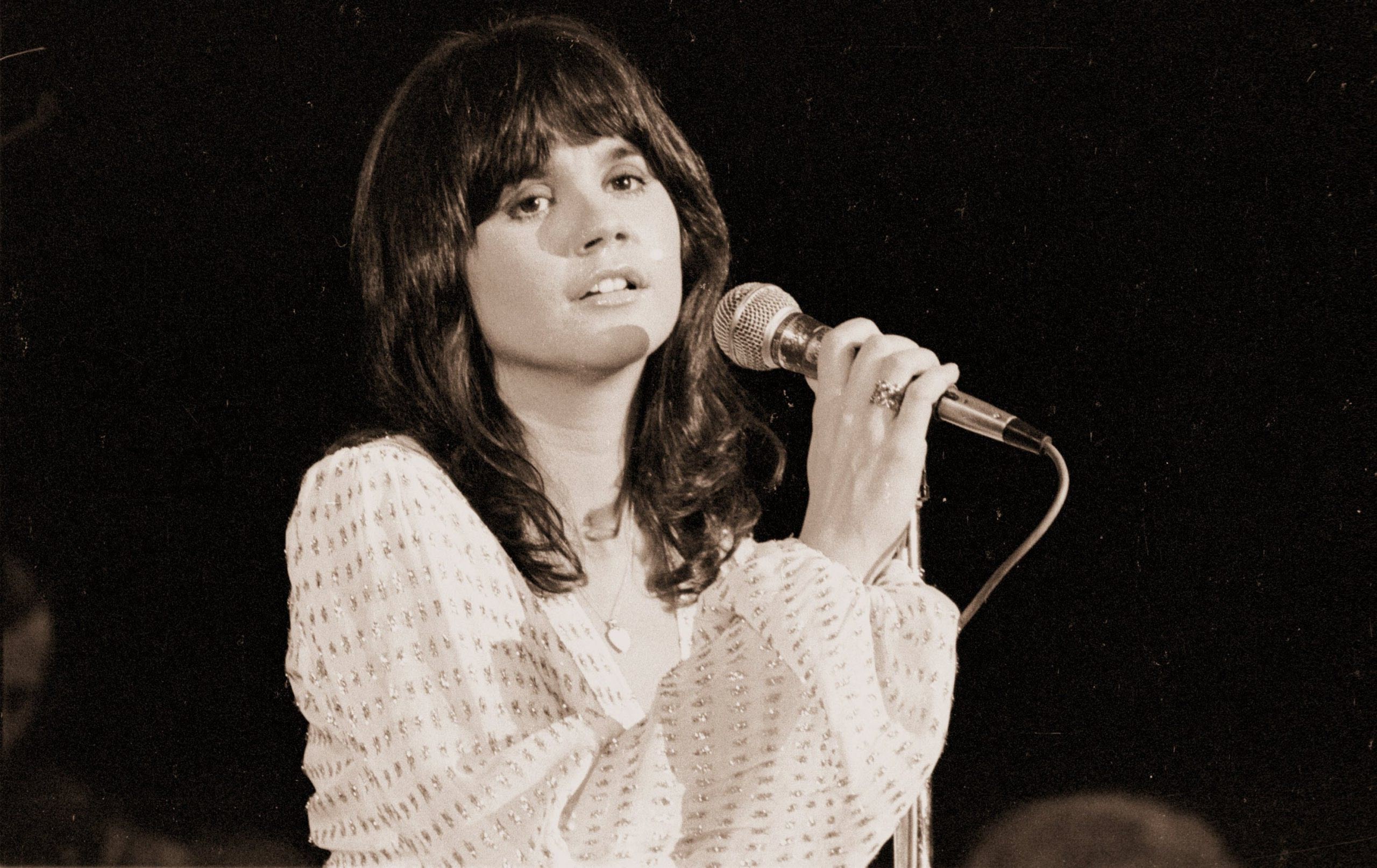
Linda Ronstadt, born on July 15, 1946, is an iconic American singer known for her versatile vocal range and extraordinary musical talent. Emerging in the late 1960s, Ronstadt quickly rose to prominence with her distinct voice and captivating stage presence. She explored a wide variety of musical genres throughout her career, including rock, country, folk, pop, and Latin music, demonstrating her unparalleled versatility and artistry.
Ronstadt’s powerful vocals and emotive performances earned her critical acclaim and commercial success. She released numerous chart-topping albums and singles, including iconic hits such as “You’re No Good,” “Blue Bayou,” and “When Will I Be Loved,” which solidified her status as one of the most influential female artists of her time.
In addition to her solo career, Ronstadt collaborated with various musicians and bands, further showcasing her remarkable talent and adaptability. Her albums with the Eagles’ members in the band “Trio,” as well as her exploration of traditional Mexican music in “Canciones de Mi Padre,” demonstrated her willingness to push boundaries and embrace new artistic challenges.
Ronstadt’s impact on the music industry extends far beyond her chart success; she paved the way for future generations of female artists and left an indelible mark on the landscape of popular music. Her enduring legacy as a trailblazing performer and musical innovator continues to inspire audiences around the world.
1. “You’re No Good”
“You’re No Good” is a timeless classic in the realm of rock and pop music, famously performed by Linda Ronstadt. Originally written by Clint Ballard Jr., the song gained widespread recognition after Ronstadt’s dynamic rendition, released in 1974 as part of her acclaimed album “Heart Like a Wheel.”
Ronstadt’s interpretation of “You’re No Good” is characterized by its infectious energy, soulful vocals, and rock-infused arrangement. The song features a driving rhythm, fiery guitar licks, and Ronstadt’s powerful voice delivering the lyrics with conviction. Her emotive performance captures the essence of heartbreak and betrayal expressed in the song’s lyrics.
Released as a single, “You’re No Good” became one of Linda Ronstadt’s signature songs and a major hit on the charts, reaching the top of the Billboard Hot 100. Its success helped propel Ronstadt to new heights of fame and established her as one of the leading female rock artists of the 1970s.
With its irresistible groove and Ronstadt’s electrifying performance, “You’re No Good” remains a standout track in her extensive discography. It continues to be celebrated as a classic rock anthem, beloved by fans and admired by musicians for its timeless appeal and enduring influence on the genre.
2. “Blue Bayou”
“Blue Bayou” is a mesmerizing ballad famously performed by Linda Ronstadt. Originally written by Roy Orbison and Joe Melson, the song was released by Ronstadt in 1977 as part of her album “Simple Dreams.”
Ronstadt’s rendition of “Blue Bayou” is characterized by its haunting melody, lush orchestration, and Ronstadt’s emotive vocals. The song tells the story of longing and nostalgia, with the narrator expressing a deep yearning to return to the idyllic “Blue Bayou,” where happy memories were made. Ronstadt’s heartfelt delivery captures the wistful sentiment of the lyrics, transporting listeners to a place of dreamy melancholy.
Released as a single, “Blue Bayou” became one of Linda Ronstadt’s most beloved and enduring hits, reaching the top of the charts and earning critical acclaim. Its timeless appeal has made it a staple of soft rock and adult contemporary radio, and it remains a favorite among fans of Ronstadt’s music.
With its evocative melody and Ronstadt’s soul-stirring performance, “Blue Bayou” continues to captivate audiences decades after its release. It stands as a testament to Ronstadt’s vocal talent and interpretive skill, solidifying her legacy as one of the greatest female artists in the history of popular music.
3. “When Will I Be Loved”
“When Will I Be Loved” is a classic song originally recorded by The Everly Brothers in 1960. It was written by Phil Everly and became one of their signature hits. The song reached significant commercial success, peaking at number eight on the Billboard Hot 100 chart.
“When Will I Be Loved” is a heartfelt ballad that explores themes of unrequited love and heartbreak. The lyrics express the narrator’s longing for love and validation, with lines like “I’ve been cheated, been mistreated / When will I be loved?” conveying the pain of feeling neglected and unappreciated in a relationship. Despite the sadness conveyed in the lyrics, the song also carries a sense of defiance and resilience, with the narrator vowing to find true love and acceptance someday.
Musically, “When Will I Be Loved” features a catchy melody, close harmony vocals characteristic of The Everly Brothers, and a simple yet effective arrangement. The song’s infectious rhythm and emotive delivery have made it a timeless classic, with enduring popularity and numerous covers by artists across various genres.
Overall, “When Will I Be Loved” remains a poignant and relatable song that continues to resonate with listeners, capturing the universal experience of longing for love and acceptance.
4. “Heat Wave”
“Heat Wave” is a classic song originally recorded by Martha and the Vandellas in 1963. It was written by the renowned songwriting team of Holland–Dozier–Holland and became one of the signature hits of the Motown sound. The song reached significant commercial success, peaking at number four on the Billboard Hot 100 chart.
“Heat Wave” is an energetic and infectious rhythm and blues song that captures the excitement and intensity of a summer heat wave. The lyrics depict the narrator’s feelings of passion and desire, with lines like “Whenever I’m with him, something inside / Starts to burnin’ and I’m filled with desire” conveying the overwhelming heat and intensity of their emotions. The song’s upbeat tempo and catchy melody make it a perfect anthem for dancing and celebration.
Musically, “Heat Wave” features a driving rhythm, catchy guitar riffs, and Martha Reeves’ powerful vocals, backed by the harmonious vocals of the Vandellas. The song’s dynamic arrangement and energetic performance have made it a timeless classic, with enduring popularity and numerous covers by artists across various genres.
Overall, “Heat Wave” remains a vibrant and electrifying song that continues to captivate listeners, capturing the excitement and passion of a summer romance.
5. “It’s So Easy”
“It’s So Easy” is a lively and infectious rock song performed by Linda Ronstadt. Originally written by Buddy Holly and Norman Petty, the song was released by Ronstadt in 1977 as part of her album “Simple Dreams.”
Ronstadt’s rendition of “It’s So Easy” infuses the classic rockabilly tune with her trademark energy and charisma. The song features upbeat guitar riffs, a driving rhythm, and Ronstadt’s soulful vocals, creating a catchy and irresistible sound. The lyrics speak of the ease and simplicity of falling in love, capturing the joy and excitement of new romance.
Released as a single, “It’s So Easy” became a major hit for Linda Ronstadt, reaching the top of the charts and earning widespread acclaim. Its infectious melody and Ronstadt’s dynamic performance made it a favorite on rock radio and solidified her reputation as one of the leading female rock artists of the 1970s.
With its infectious groove and Ronstadt’s dynamic vocals, “It’s So Easy” remains a standout track in her extensive discography. It continues to be celebrated as a classic rock anthem, beloved by fans for its catchy hooks and feel-good vibe.
6. “Desperado”
“Desperado” is a classic song written by Don Henley and Glenn Frey, originally recorded by the American rock band Eagles. It was released in 1973 as part of their album of the same name, “Desperado.”
The song “Desperado” is a poignant ballad that tells the story of a lone cowboy or outlaw who is living a reckless and dangerous life. The lyrics convey a sense of longing and introspection, with the narrator reflecting on the consequences of their actions and the toll it takes on their soul. Lines like “You better let somebody love you, before it’s too late” convey a sense of vulnerability and regret, as the desperado realizes the importance of love and connection.
Musically, “Desperado” features a gentle acoustic guitar melody, evoking the imagery of the American West, along with harmonious vocals and a heartfelt vocal delivery by Don Henley. The song’s emotive lyrics and haunting melody have made it one of Eagles’ most beloved and enduring songs, with enduring popularity and numerous covers by artists across various genres.
Overall, “Desperado” is a timeless classic that continues to resonate with listeners, capturing the universal themes of love, loss, and redemption.
7. “Different Drum”
“Different Drum” is a classic folk-rock song originally performed by the band the Stone Poneys, with lead vocals by Linda Ronstadt. Written by Michael Nesmith of the Monkees, it was released in 1967 as the band’s debut single.
“Different Drum” stands out for its distinctive blend of folk and rock elements, featuring a catchy melody and introspective lyrics. The song tells the story of a person who chooses to break free from a romantic relationship that no longer fulfills them, opting for independence and self-discovery instead. Ronstadt’s soulful and emotive vocals bring depth and authenticity to the song, capturing the emotional journey of the protagonist as they embrace their newfound freedom.
Upon its release, “Different Drum” became a major hit, reaching the top 20 on the Billboard Hot 100 chart. It helped launch Linda Ronstadt’s solo career and established her as a leading figure in the folk-rock genre. The song’s enduring popularity has led to numerous cover versions by other artists, further cementing its status as a classic in the American music canon.
“Different Drum” remains a beloved and influential song, celebrated for its timeless appeal and Ronstadt’s captivating performance. It continues to resonate with listeners who appreciate its message of individuality, self-expression, and empowerment.
8. “Ooh Baby Baby”
“Ooh Baby Baby” is a classic soul song recorded by the American vocal group The Miracles. Written by Smokey Robinson and Pete Moore, it was released in 1965 as a single from their album “Going to a Go-Go.”
The song “Ooh Baby Baby” is a tender and emotional ballad that explores the pain of heartbreak and lost love. The lyrics depict the narrator’s anguish and longing for their lost lover, with lines like “I did you wrong, my heart went out to play / But in the game I lost you, what a price to pay” expressing regret and sorrow over past mistakes. The repetition of the phrase “Ooh baby baby” adds to the song’s sense of yearning and vulnerability.
Musically, “Ooh Baby Baby” features a soulful melody, with lush orchestration and smooth vocal harmonies by The Miracles. Smokey Robinson’s heartfelt delivery and emotive vocal performance convey the depth of emotion and pain expressed in the lyrics. The song’s timeless appeal and universal themes of love and heartbreak have made it one of The Miracles’ most enduring and beloved songs, with enduring popularity and numerous covers by artists across various genres.
Overall, “Ooh Baby Baby” is a classic soul ballad that continues to resonate with listeners, capturing the universal experience of love, loss, and longing.
9. “Long, Long Time”
“Long, Long Time” is a heartfelt ballad performed by Linda Ronstadt, released in 1970 as part of her album “Silk Purse.” Written by Gary White, the song showcases Ronstadt’s exceptional vocal range and emotive delivery.
“Long, Long Time” tells the story of a person grappling with the pain of heartbreak and longing for a lost love. The lyrics convey a sense of deep sorrow and regret, as the protagonist reflects on the memories of their past relationship and the loneliness that comes with its end. Ronstadt’s poignant vocals capture the raw emotion of the lyrics, drawing listeners into the bittersweet journey of love and loss.
Released as a single, “Long, Long Time” became one of Linda Ronstadt’s early hits, reaching the top 30 on the Billboard Hot 100 chart. Its timeless melody and heartfelt lyrics resonated with audiences, earning critical acclaim and establishing Ronstadt as a leading voice in the folk-rock genre.
With its soul-stirring melody and Ronstadt’s soulful performance, “Long, Long Time” remains a standout track in her discography. It continues to be cherished by fans for its emotional depth and evocative storytelling, solidifying its place as a classic in the realm of folk and country music.
10. “Tracks of My Tears”
“Tracks of My Tears” is a classic soul song recorded by the American vocal group The Miracles. Written by Smokey Robinson, Warren “Pete” Moore, and Marv Tarplin, it was released in 1965 as a single from their album “Going to a Go-Go.”
The song “Tracks of My Tears” is a poignant and introspective ballad that explores the pain of hiding one’s true emotions behind a facade of happiness. The lyrics depict the narrator’s struggle to conceal their heartbreak and sadness from the world, with lines like “So take a good look at my face / You’ll see my smile looks out of place” expressing the disconnect between outward appearances and inner turmoil. The metaphor of tears leaving tracks on the narrator’s face serves as a powerful symbol of their hidden pain.
Musically, “Tracks of My Tears” features a soulful melody, with a gentle guitar riff and smooth vocal harmonies by The Miracles. Smokey Robinson’s emotive delivery and heartfelt vocal performance convey the depth of emotion and vulnerability expressed in the lyrics. The song’s timeless appeal and universal themes of love and heartbreak have made it one of The Miracles’ most enduring and beloved songs, with enduring popularity and numerous covers by artists across various genres.
Overall, “Tracks of My Tears” is a classic soul ballad that continues to resonate with listeners, capturing the universal experience of masking pain and sorrow behind a smile.

Edward Tomlin is a frequent contributor to Singers Room. Since 2005, Singersroom has been the voice of R&B around the world. Connect with us via social media below.









