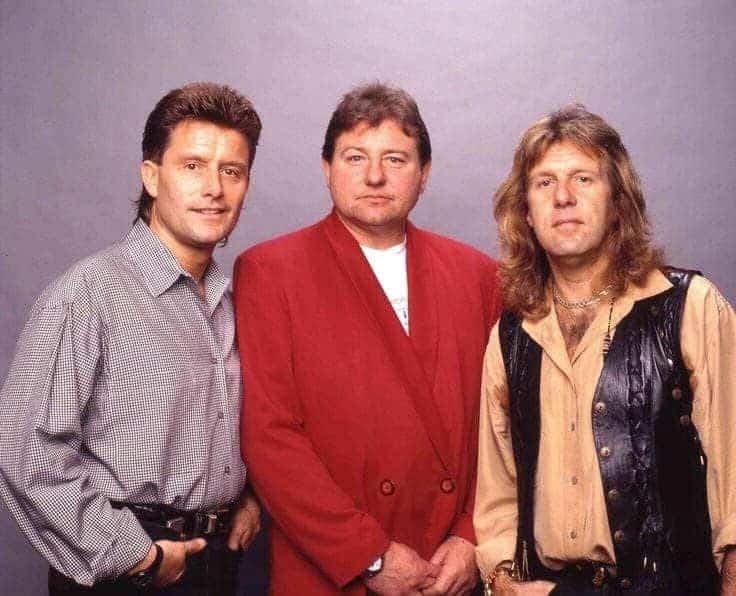
Emerson, Lake & Palmer (ELP) was a pioneering British progressive rock supergroup formed in 1970. Consisting of keyboardist Keith Emerson, vocalist and bassist Greg Lake, and drummer Carl Palmer, the trio brought together exceptional musicianship, innovative arrangements, and a fusion of classical, rock, and jazz influences to create a unique and groundbreaking sound.
ELP quickly rose to prominence with their self-titled debut album, which showcased their virtuosic musicianship and ambitious compositions. Known for their elaborate live performances, which often featured elaborate stage setups and extended instrumental solos, ELP became one of the most popular and influential progressive rock bands of the 1970s.
The band released a series of critically acclaimed albums throughout the decade, including “Tarkus” (1971), “Trilogy” (1972), and “Brain Salad Surgery” (1973), each showcasing their eclectic musical style and technical prowess. Their repertoire included epic compositions such as “Karn Evil 9” and “Fanfare for the Common Man,” which became signature pieces in their live shows.
Despite internal tensions and changing musical trends in the late 1970s, ELP left a lasting legacy on the progressive rock genre. Their innovative approach to music continues to inspire generations of musicians and fans alike, cementing their place as one of the most influential bands in rock history.
1. Lucky Man
“Lucky Man” is a timeless classic by Emerson, Lake & Palmer (ELP), featured on their self-titled debut album released in 1970. Written by Greg Lake, the song is notable for its simplicity yet profound impact, showcasing Lake’s songwriting prowess and the band’s distinctive fusion of rock and classical elements.
“Lucky Man” begins with an acoustic guitar intro, setting a serene and contemplative mood. Greg Lake’s evocative vocals, accompanied by Keith Emerson’s delicate synthesizer melodies, draw listeners into the narrative of a man reflecting on the unpredictability of life and the fleeting nature of luck and fortune.
The song takes an unexpected turn with Keith Emerson’s iconic Moog synthesizer solo, which became one of the defining moments of the song and a hallmark of ELP’s early sound. The solo’s ethereal and otherworldly quality adds a sense of mystique and grandeur to the composition, elevating it beyond the confines of conventional rock music.
Released as a single, “Lucky Man” became one of Emerson, Lake & Palmer’s most enduring hits, earning widespread acclaim and solidifying their reputation as innovators in the progressive rock genre. Its timeless appeal and universal themes of fate and gratitude continue to resonate with audiences, making it a cherished classic in the annals of rock music history.
2. From the Beginning
“From the Beginning” is a classic rock song by the British progressive rock band Emerson, Lake & Palmer (ELP). Released in 1972 as part of their album “Trilogy,” the song was written by the band’s guitarist and vocalist, Greg Lake.
“From the Beginning” is a melodic and introspective song that showcases Lake’s songwriting prowess and the band’s virtuosic musicianship. The lyrics explore themes of introspection, self-discovery, and the passage of time. Lake’s emotive vocals and poetic lyrics convey a sense of longing and contemplation, with lines like “I’m so alone, and I feel just like somebody else” capturing the narrator’s sense of alienation and uncertainty.
Musically, “From the Beginning” features a beautiful acoustic guitar melody, accompanied by lush orchestration and intricate arrangements. Keith Emerson’s elegant piano playing and Carl Palmer’s dynamic drumming add depth and texture to the song, while Lake’s soulful vocals soar above the instrumentation.
“From the Beginning” became one of ELP’s most popular and enduring songs, receiving critical acclaim and earning a place in the hearts of fans around the world. Its timeless melody, evocative lyrics, and exquisite musicianship have cemented its status as a classic in the progressive rock genre.
3. Fanfare for the Common Man
“Fanfare for the Common Man” is a classical composition by American composer Aaron Copland. It was composed in 1942 during World War II and was inspired by a speech delivered by Vice President Henry A. Wallace, where he referred to the common man as “the most important figure in American life.”
“Fanfare for the Common Man” is characterized by its powerful and majestic brass fanfare, which is accompanied by percussion and strings. The composition captures the spirit of patriotism and celebrates the resilience and strength of ordinary people. Its bold and triumphant sound has made it a popular choice for ceremonial events, including graduations, sporting events, and political gatherings.
Copland’s “Fanfare for the Common Man” has become one of his most famous and frequently performed works. It has been adapted and arranged for various ensembles and has been featured in numerous films, television shows, and commercials. The composition’s enduring popularity and universal appeal reflect its timeless message of unity, courage, and the indomitable spirit of the common man.
4. Karn Evil 9
“Karn Evil 9” is a monumental composition by Emerson, Lake & Palmer (ELP), featured on their 1973 album “Brain Salad Surgery.” Written by Keith Emerson and Greg Lake, with lyrics by Peter Sinfield, the song is a sprawling epic that epitomizes the grandeur and complexity of progressive rock.
“Karn Evil 9” is divided into four distinct movements, each showcasing the band’s virtuosic musicianship and innovative approach to songwriting. The composition seamlessly blends elements of rock, jazz, classical, and electronic music, creating a multifaceted sonic tapestry that captivates the listener from start to finish.
The lyrics of “Karn Evil 9” explore themes of technology, dystopia, and the human condition, offering a thought-provoking commentary on society’s reliance on machines and the potential consequences of unchecked progress. The song’s narrative follows a dystopian future where computers have gained control over humanity, ultimately leading to rebellion and liberation.
“Karn Evil 9” is renowned for its dynamic shifts in tempo and mood, featuring intricate instrumental passages, complex time signatures, and Keith Emerson’s virtuosic keyboard work, including his iconic use of the Moog synthesizer. The song’s epic scope and ambitious arrangement make it a landmark achievement in the progressive rock genre, earning acclaim from critics and fans alike.
With its cinematic scope, innovative musicality, and thought-provoking themes, “Karn Evil 9” remains a standout track in Emerson, Lake & Palmer’s discography, cementing their legacy as pioneers of progressive rock.
5. Take a Pebble
“Take a Pebble” is a progressive rock song by the British rock band Emerson, Lake & Palmer (ELP). It was released on their self-titled debut album “Emerson, Lake & Palmer” in 1970. The song was written by the band’s keyboardist, Keith Emerson, with lyrics by Greg Lake.
“Take a Pebble” is known for its intricate musical arrangement and virtuosic performances. The song begins with a gentle piano introduction by Keith Emerson, showcasing his classical training and improvisational skills. It then evolves into a dynamic and expansive piece, featuring shifts in tempo, mood, and instrumentation.
Lyrically, “Take a Pebble” is poetic and introspective, with themes of love, longing, and self-discovery. The narrator reflects on the passage of time and the complexities of human relationships, with lines like “Take a pebble and cast it to the sea / Then watch the ripples that unfold into me” conveying a sense of contemplation and introspection.
“Take a Pebble” has become one of ELP’s most beloved and enduring songs, praised for its complex musical arrangement and thought-provoking lyrics. It showcases the band’s innovative approach to progressive rock and their ability to blend classical, jazz, and rock influences seamlessly. The song remains a favorite among fans of progressive rock and is often regarded as one of ELP’s signature compositions.
6. Still…You Turn Me On
“Still… You Turn Me On” is a captivating and intimate track by Emerson, Lake & Palmer (ELP), featured on their 1973 album “Brain Salad Surgery.” Written by Greg Lake, the song is notable for its simplicity and emotional depth, showcasing Lake’s songwriting prowess and the band’s ability to create powerful ballads amidst their more complex compositions.
“Still… You Turn Me On” is a departure from the grandiose and epic nature of many of ELP’s other tracks, opting instead for a more stripped-down and intimate approach. The song features Greg Lake’s emotive vocals accompanied by acoustic guitar, creating a sense of vulnerability and raw emotion.
The lyrics of “Still… You Turn Me On” explore themes of love, desire, and longing, with Lake expressing his feelings of devotion and infatuation for his partner. The song’s understated instrumentation allows the focus to remain on Lake’s heartfelt delivery, drawing listeners into the intimate and personal nature of the lyrics.
Despite its relatively simple arrangement, “Still… You Turn Me On” is a standout track on “Brain Salad Surgery,” showcasing ELP’s versatility and ability to create compelling music across a range of styles. The song’s timeless appeal and universal themes of love and longing continue to resonate with audiences, making it a cherished classic in the band’s repertoire.
7. C’est La Vie
“C’est La Vie” is a song by the progressive rock band Emerson, Lake & Palmer (ELP), featured on their 1977 album “Works Volume 1.” It was written by Greg Lake, the band’s bassist and vocalist.
“C’est La Vie” is characterized by its acoustic guitar-driven melody and serene atmosphere. The lyrics, sung by Lake, evoke a sense of nostalgia and acceptance, with the phrase “C’est la vie” translating to “That’s life” in French. The song reflects on the transient nature of existence and encourages embracing life’s ups and downs with grace and resilience.
Musically, “C’est La Vie” features intricate guitar work by Greg Lake, accompanied by gentle piano melodies and subtle orchestration. The song’s mellow vibe and reflective lyrics offer a departure from ELP’s more bombastic and complex compositions, showcasing the band’s versatility and ability to craft emotionally resonant music.
“C’est La Vie” became one of Emerson, Lake & Palmer’s most popular songs, receiving significant radio airplay and earning praise from both fans and critics. Its timeless melody and poignant message have ensured its enduring appeal, making it a beloved classic in the progressive rock genre.
8. Knife-Edge
“Knife-Edge” is a dynamic and electrifying track by Emerson, Lake & Palmer (ELP), featured on their 1970 debut album, “Emerson, Lake & Palmer.” Composed by Greg Lake and written in collaboration with bandmates Keith Emerson and Carl Palmer, “Knife-Edge” showcases the trio’s virtuosic musicianship and innovative approach to progressive rock.
The song opens with a dramatic and ominous piano riff by Keith Emerson, setting the stage for the energetic and complex instrumentation that follows. Greg Lake’s powerful vocals soar over the driving rhythm section provided by Carl Palmer’s thunderous drums and percussion. The lyrics of “Knife-Edge” evoke themes of existential angst and inner turmoil, reflecting the turbulent sociopolitical climate of the late 1960s and early 1970s.
“Knife-Edge” is characterized by its dynamic shifts in tempo and mood, featuring intricate instrumental passages and frenetic solos that highlight each band member’s technical prowess. Keith Emerson’s masterful keyboard work, including his signature use of the Hammond organ and Moog synthesizer, adds layers of texture and depth to the composition, creating a sonic landscape that is both exhilarating and immersive.
Released as a single, “Knife-Edge” became one of Emerson, Lake & Palmer’s early hits, earning acclaim from critics and fans alike. Its electrifying energy and innovative musicality helped establish the band as pioneers of progressive rock, paving the way for their subsequent success and enduring influence on the genre.
9. Tarkus
“Tarkus” is a monumental progressive rock composition by the British band Emerson, Lake & Palmer (ELP), featured as the title track of their second studio album, released in 1971. The piece was written primarily by the band’s keyboardist, Keith Emerson, with contributions from drummer Carl Palmer and lyricist Greg Lake.
“Tarkus” is renowned for its ambitious scope, complex arrangements, and innovative approach to rock music. Divided into multiple movements, the composition tells the story of Tarkus, a mythical creature born from a conglomeration of various animals and elements. The music explores themes of war, evolution, and transformation, with each movement representing a different phase of Tarkus’ journey.
Musically, “Tarkus” features virtuosic performances by each member of the band, with Keith Emerson showcasing his mastery of the Hammond organ, Moog synthesizer, and other keyboard instruments. Carl Palmer’s intricate drumming and percussion add dynamic energy and rhythmic complexity to the piece, while Greg Lake’s powerful vocals and melodic bass lines anchor the composition.
“Tarkus” is celebrated for its innovative use of classical influences, jazz-inspired improvisation, and avant-garde experimentation. The composition’s groundbreaking approach to progressive rock has earned it a place as one of ELP’s most iconic and influential works, with its sprawling structure and intricate arrangements continuing to captivate audiences and inspire musicians across generations.
10. Hoedown
“Hoedown” is a high-energy instrumental piece by Emerson, Lake & Palmer (ELP), originally composed by Aaron Copland for his ballet “Rodeo” in 1942. ELP’s rendition of “Hoedown” appears on their 1972 album “Trilogy” and has since become one of the band’s most recognizable and beloved tracks.
The song is a showcase of the band’s virtuosic musicianship and innovative approach to rock music, blending elements of classical, country, and progressive rock into a dynamic and exhilarating composition. “Hoedown” opens with a lively and rhythmic motif played on Keith Emerson’s synthesizer, reminiscent of a traditional American hoedown or square dance.
As the song progresses, Carl Palmer’s intricate drumming drives the tempo forward, while Greg Lake’s pulsating bassline adds depth and momentum to the arrangement. Keith Emerson’s keyboard work is particularly notable, as he incorporates elements of bluegrass and folk music into his improvisations, creating a sense of excitement and spontaneity.
“Hoedown” is characterized by its infectious energy and exhilarating pace, making it a favorite among fans of Emerson, Lake & Palmer and progressive rock enthusiasts alike. The song’s innovative fusion of musical styles and technical complexity showcase the band’s pioneering spirit and enduring legacy as one of the most innovative and influential groups in rock history.

Edward Tomlin is a frequent contributor to Singers Room. Since 2005, Singersroom has been the voice of R&B around the world. Connect with us via social media below.









