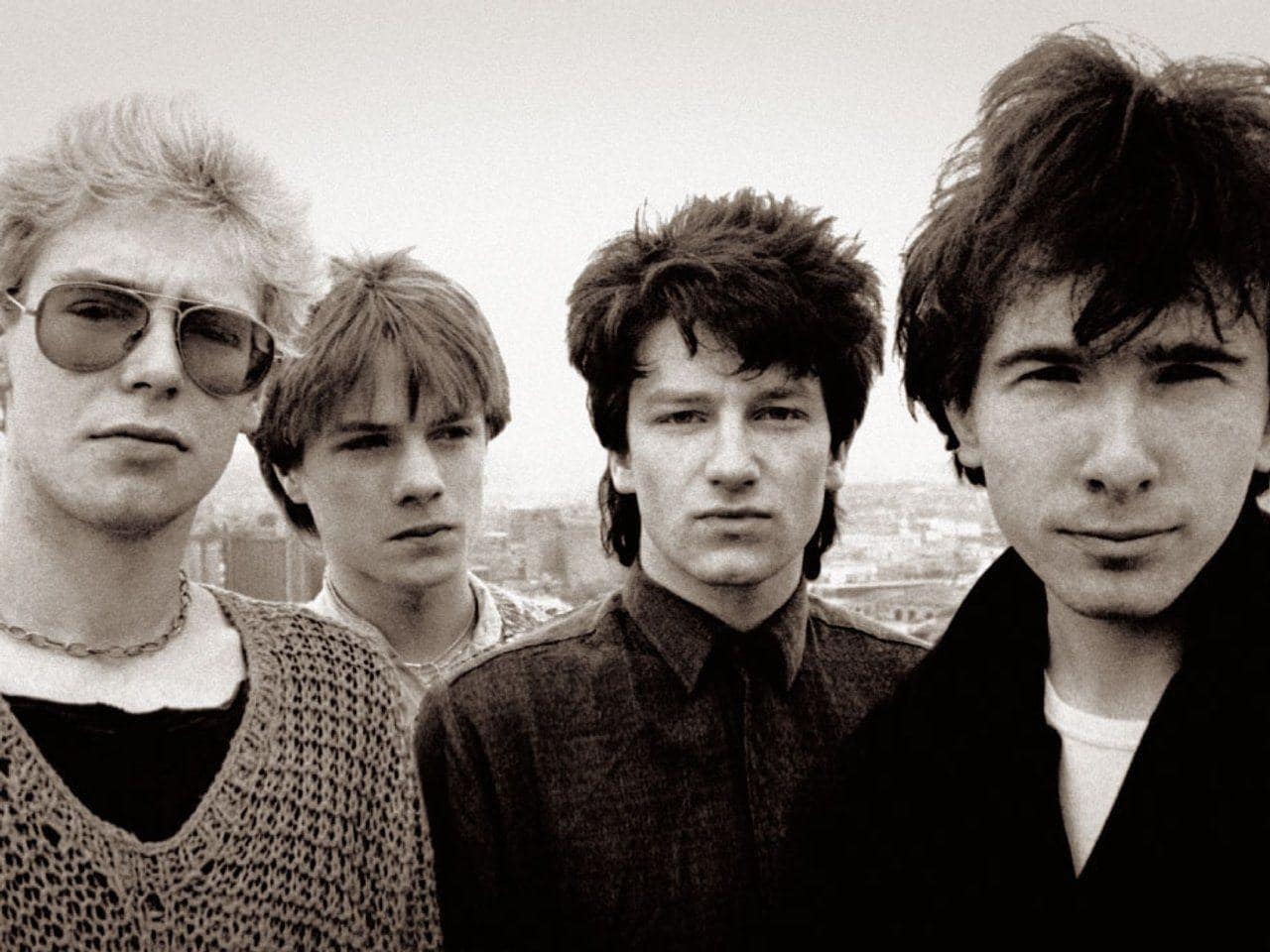
U2 is an iconic Irish rock band formed in Dublin in 1976. Consisting of Bono (vocals and guitar), The Edge (guitar, keyboards, and vocals), Adam Clayton (bass guitar), and Larry Mullen Jr. (drums and percussion), U2 has become one of the most successful and influential bands in the history of rock music.
Known for their anthemic sound, thought-provoking lyrics, and passionate live performances, U2 has amassed a devoted global following and achieved unparalleled success over their four-decade-long career. The band’s early albums, including “War” (1983) and “The Joshua Tree” (1987), established them as leading figures in the post-punk and alternative rock scenes, with hits like “Sunday Bloody Sunday” and “With or Without You” becoming instant classics.
Throughout their career, U2 has continually evolved their sound, incorporating elements of experimental rock, electronic music, and pop. Their innovative approach to music and willingness to tackle social and political issues in their lyrics have earned them critical acclaim and numerous awards, including 22 Grammy Awards.
U2’s enduring popularity and cultural impact are evidenced by their record-breaking tours, massive album sales, and induction into the Rock and Roll Hall of Fame. With their ability to connect with audiences on a deep emotional level and inspire change through their music, U2 continues to be a driving force in the world of rock music.
1. I Still Haven’t Found What I’m Looking For
“I Still Haven’t Found What I’m Looking For” is a song by the Irish rock band U2, featured on their critically acclaimed album “The Joshua Tree,” released in 1987. Written by U2’s members Bono, The Edge, Adam Clayton, and Larry Mullen Jr., the song is widely regarded as one of the band’s signature tracks and a classic of the rock genre.
The song’s lyrics explore themes of spiritual yearning, existential questioning, and the search for meaning and fulfillment in life. The narrator expresses a sense of restlessness and dissatisfaction despite their efforts to find purpose and satisfaction. The repeated refrain “But I still haven’t found what I’m looking for” captures the sense of longing and uncertainty that permeates the song.
Musically, “I Still Haven’t Found What I’m Looking For” features a soulful and anthemic sound, characterized by The Edge’s iconic guitar riff and Bono’s impassioned vocals. The song’s gospel-inspired arrangement, complete with backing vocals and a stirring choir, adds to its emotional resonance and spiritual depth.
“I Still Haven’t Found What I’m Looking For” received widespread critical acclaim upon its release, with many praising its powerful lyrics, stirring melody, and evocative performance. The song became a commercial success, topping the charts in several countries and earning U2 a Grammy Award nomination for Record of the Year.
Over the years, “I Still Haven’t Found What I’m Looking For” has remained a fan favorite and a staple of U2’s live performances. Its timeless message of searching and yearning for something greater resonates with listeners across generations, cementing its status as one of U2’s most enduring and beloved songs.
2. Pride (In the Name of Love)
“Pride (In the Name of Love)” is a song by Irish rock band U2, released as the lead single from their 1984 album “The Unforgettable Fire.” Written by U2’s members Bono, The Edge, Adam Clayton, and Larry Mullen Jr., the song is a tribute to Martin Luther King Jr. and his contributions to the civil rights movement.
Lyrically, “Pride (In the Name of Love)” reflects on King’s life, legacy, and commitment to nonviolent activism. The song’s powerful lyrics pay homage to King’s courage, vision, and unwavering dedication to the pursuit of equality and justice. The chorus, with its anthemic refrain “In the name of love, what more in the name of love,” captures the spirit of hope, unity, and social change that King embodied.
Musically, “Pride (In the Name of Love)” features a driving rhythm, soaring guitar riffs, and Bono’s impassioned vocals. The song’s stirring melody and anthemic arrangement evoke a sense of urgency and determination, mirroring the themes of activism and social justice explored in the lyrics.
Upon its release, “Pride (In the Name of Love)” received widespread critical acclaim and became one of U2’s most successful singles, reaching the top 40 on charts around the world. The song’s timeless message of hope, love, and equality continues to resonate with audiences, making it a beloved anthem for social change and a highlight of U2’s live performances.
3. Beautiful Day
“Beautiful Day” is an uplifting and anthemic rock song by the Irish rock band U2, released as the lead single from their 2000 album “All That You Can’t Leave Behind.” Written by U2 members Bono, The Edge, Adam Clayton, and Larry Mullen Jr., the song is renowned for its optimistic lyrics and catchy melody.
“Beautiful Day” is characterized by its soaring guitar riff, driving rhythm section, and Bono’s emotive vocals. The song’s lyrics celebrate the beauty and possibility of everyday life, even in the face of adversity. The chorus, with its triumphant refrain of “It’s a beautiful day, don’t let it get away,” serves as a powerful reminder to embrace the present moment and appreciate life’s blessings.
Upon its release, “Beautiful Day” received widespread acclaim from critics and audiences alike. It topped the charts in multiple countries and won three Grammy Awards, including Song of the Year and Record of the Year. The song’s accompanying music video, directed by Jonas Åkerlund, features striking imagery of the band performing against a backdrop of vibrant landscapes, further enhancing its message of hope and renewal.
“Beautiful Day” has since become one of U2’s most beloved and enduring hits, recognized as a modern classic and a staple of their live performances. Its universal themes of optimism and resilience continue to resonate with listeners around the world, making it a timeless anthem for anyone seeking inspiration and encouragement.
4. Where the Streets Have No Name
“Where the Streets Have No Name” is an epic rock anthem by the Irish rock band U2, released as the opening track from their 1987 album “The Joshua Tree.” The song, written by U2 members Bono, The Edge, Adam Clayton, and Larry Mullen Jr., is renowned for its soaring guitar lines, anthemic chorus, and powerful message.
“Where the Streets Have No Name” begins with a haunting, atmospheric intro before launching into a driving rhythm section and The Edge’s iconic guitar riff. Bono’s impassioned vocals carry the song’s anthemic lyrics, which explore themes of hope, freedom, and the search for meaning in a divided world.
The song’s title is inspired by Bono’s experiences in Ethiopia, where he observed that the poorest areas often lacked street names. The song’s lyrics express a desire to transcend social divisions and find a place of unity and belonging where identity is not defined by geography or social status.
Upon its release, “Where the Streets Have No Name” became one of U2’s most celebrated and enduring hits. It topped the charts in multiple countries and earned critical acclaim for its innovative production, stirring lyrics, and powerful performance. The song’s accompanying music video, directed by Meiert Avis, features footage of U2 performing on the rooftop of a Los Angeles liquor store, paying homage to The Beatles’ iconic rooftop concert.
“Where the Streets Have No Name” remains a highlight of U2’s live concerts, often serving as the closing song and eliciting an emotional response from audiences. Its universal message of hope and unity continues to resonate with listeners around the world, solidifying its status as one of the greatest rock songs of all time.
5. Vertigo
“Vertigo” is a high-energy rock song by the Irish rock band U2, released as the lead single from their 2004 album “How to Dismantle an Atomic Bomb.” Written by U2’s members Bono, The Edge, Adam Clayton, and Larry Mullen Jr., “Vertigo” is characterized by its powerful guitar riff, driving rhythm, and catchy hooks.
Lyrically, “Vertigo” explores themes of sensory overload, disorientation, and the exhilaration of being caught up in the moment. The song’s lyrics reflect on the intense experience of living in a fast-paced world filled with distractions and excitement. The chorus, with its repeated refrain of “Hello, hello (Hola!), I’m at a place called Vertigo,” captures the sense of urgency and excitement conveyed in the song.
Musically, “Vertigo” is driven by The Edge’s iconic guitar riff, which propels the song forward with its raw energy and infectious rhythm. Bono’s dynamic vocals and the band’s tight instrumentation create a high-octane rock anthem that is both electrifying and irresistibly catchy.
Upon its release, “Vertigo” received widespread critical acclaim and became one of U2’s most successful singles, reaching the top of the charts in several countries. The song’s energetic sound and memorable hooks made it a fan favorite and a staple of U2’s live performances.
“Vertigo” remains one of U2’s most recognizable and enduring songs, showcasing the band’s ability to deliver powerful and anthemic rock music that resonates with audiences around the world.
6. Sunday Bloody Sunday
“Sunday Bloody Sunday” is a powerful and politically charged rock anthem by the Irish rock band U2, released in 1983 as the opening track from their album “War.” Written by U2 members Bono, The Edge, Adam Clayton, and Larry Mullen Jr., the song is inspired by the events of Bloody Sunday, a tragic incident that occurred on January 30, 1972, in Derry, Northern Ireland.
“Sunday Bloody Sunday” features a driving rhythm section, pulsating bassline, and The Edge’s distinctive guitar riff. Bono’s impassioned vocals deliver lyrics that reflect on the violence and injustice of the Troubles in Northern Ireland, calling for peace and reconciliation in the face of conflict.
The song’s title references the Bloody Sunday massacre, during which British soldiers shot and killed unarmed civil rights protesters in Derry. The lyrics juxtapose the horrors of the event with a plea for understanding and compassion, emphasizing the need for reconciliation and unity.
“Sunday Bloody Sunday” became one of U2’s most iconic and enduring songs, receiving critical acclaim for its powerful message and anthemic sound. The song’s live performances often feature Bono waving a white flag as a symbol of peace, further emphasizing its message of hope and reconciliation.
Despite its somber subject matter, “Sunday Bloody Sunday” has become a rallying cry for social justice and peace activism, inspiring audiences around the world to stand up against injustice and strive for a better future. Its universal themes and powerful message continue to resonate with listeners, solidifying its status as one of U2’s most important and impactful songs.
7. Mysterious Ways
“Mysterious Ways” is a song by the Irish rock band U2, featured on their 1991 album “Achtung Baby.” Written by U2’s members Bono, The Edge, Adam Clayton, and Larry Mullen Jr., “Mysterious Ways” is characterized by its funky rhythm, infectious groove, and eclectic instrumentation.
Lyrically, “Mysterious Ways” explores themes of love, desire, and spirituality. The song’s lyrics depict the narrator’s fascination with a mysterious woman who captivates him with her allure and enigmatic presence. The chorus, with its repeated refrain of “It’s alright, it’s alright, it’s alright,” conveys a sense of acceptance and surrender to the mysterious forces at play in life and love.
Musically, “Mysterious Ways” features a distinctive guitar riff by The Edge, which drives the song’s groove and adds to its infectious energy. The song also incorporates elements of dance music, with its pulsating bassline and rhythmic percussion creating a dynamic and immersive sound.
Upon its release, “Mysterious Ways” received widespread critical acclaim and became one of U2’s most successful singles, reaching the top 10 on charts around the world. The song’s unique blend of rock, funk, and dance elements made it a fan favorite and a highlight of U2’s live performances.
“Mysterious Ways” remains one of U2’s most beloved and enduring songs, showcasing the band’s versatility and innovation in blending different musical styles and influences. Its timeless appeal and infectious groove continue to captivate audiences and make it a standout track in U2’s extensive catalog.
8. Desire
“Desire” is a spirited rock song by the Irish rock band U2, released as the lead single from their 1988 album “Rattle and Hum.” The song, written by U2 members Bono, The Edge, Adam Clayton, and Larry Mullen Jr., captures the energy and swagger of American roots rock and blues.
“Desire” features a driving rhythm section, bluesy guitar riffs, and Bono’s dynamic vocals, which exude passion and charisma. The song’s lyrics explore themes of desire, temptation, and the allure of materialism, drawing inspiration from the blues tradition while adding a contemporary edge.
The song’s accompanying music video, directed by Richard Lowenstein, captures the band’s electrifying live performance at a small venue in Los Angeles, showcasing their raw energy and magnetic stage presence. The video’s gritty aesthetic and intimate atmosphere further enhance the song’s rock-and-roll vibe.
“Desire” was a commercial success, topping the charts in multiple countries and earning critical acclaim for its infectious energy and catchy melody. It became one of U2’s signature hits and remains a fan favorite at their live concerts, often serving as a highlight of their setlist.
With its lively rhythm and blues-inspired sound, “Desire” showcases U2’s versatility and willingness to explore new musical territories. Its infectious groove and memorable chorus continue to captivate audiences, making it a timeless classic in the band’s extensive discography.
9. With or Without You
“With or Without You” is a powerful ballad by the Irish rock band U2, released as the lead single from their 1987 album “The Joshua Tree.” Written by U2’s members Bono, The Edge, Adam Clayton, and Larry Mullen Jr., the song is widely regarded as one of the band’s most iconic and enduring hits.
Lyrically, “With or Without You” explores themes of love, longing, and emotional struggle. The song’s lyrics depict the complexities of a troubled relationship, with the narrator expressing a sense of longing and dependency on their partner, even as they grapple with feelings of pain and uncertainty. The chorus, with its haunting refrain of “With or without you, I can’t live, with or without you,” captures the raw emotion and vulnerability of the narrator’s experience.
Musically, “With or Without You” is characterized by its atmospheric sound, featuring The Edge’s distinctive guitar riff and Bono’s emotive vocals. The song’s minimalistic arrangement and hypnotic melody create a sense of intimacy and intensity, drawing listeners into the emotional core of the song.
Upon its release, “With or Without You” received widespread critical acclaim and became one of U2’s most successful singles, reaching the top of the charts in multiple countries. The song’s timeless appeal and universal themes of love and longing have made it a beloved classic, cherished by fans around the world and a highlight of U2’s live performances.
10. One
“One” is a poignant and emotionally charged rock ballad by the Irish rock band U2, released as the third single from their 1991 album “Achtung Baby.” The song, written by U2 members Bono, The Edge, Adam Clayton, and Larry Mullen Jr., is characterized by its haunting melody, introspective lyrics, and atmospheric instrumentation.
“One” is a song about love, forgiveness, and reconciliation, inspired by the band members’ personal experiences and relationships. The lyrics explore themes of unity, redemption, and the complexities of human connection, with Bono’s impassioned vocals conveying a sense of vulnerability and longing.
The song’s distinctive guitar riff, played by The Edge, sets the tone for the song’s introspective mood, while the rhythm section provides a steady and hypnotic groove. The song builds to a powerful climax, with Bono’s soaring vocals expressing a sense of hope and redemption.
“One” received widespread critical acclaim upon its release, with many praising its evocative lyrics, emotive vocals, and atmospheric production. The song topped the charts in multiple countries and has since become one of U2’s most beloved and enduring hits.
” One” has been covered by numerous artists and featured in various films, television shows, and commercials, further cementing its status as a modern classic. Its universal message of love and unity continues to resonate with listeners around the world, making it a timeless anthem for peace and reconciliation.

Edward Tomlin is a frequent contributor to Singers Room. Since 2005, Singersroom has been the voice of R&B around the world. Connect with us via social media below.









