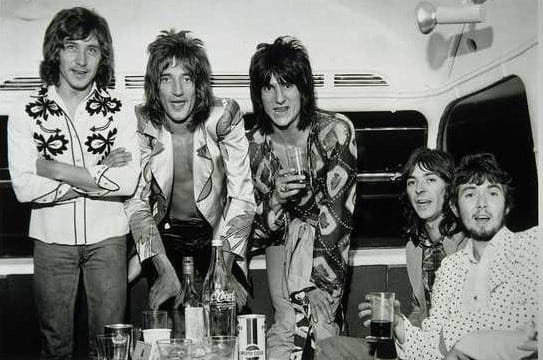
The Faces were a British rock band formed in 1969, known for their rollicking live performances and blues-infused rock sound. Comprised of several members of the influential group Small Faces, including Rod Stewart on vocals and Ronnie Wood on guitar, along with Ronnie Lane on bass, Ian McLagan on keyboards, and Kenney Jones on drums, The Faces quickly established themselves as one of the most dynamic and charismatic bands of the early 1970s.
The Faces’ music was characterized by its raw energy, gritty vocals, and infectious grooves, drawing from a wide range of influences including rhythm and blues, rock and roll, and folk. Their live shows were legendary for their spontaneity and sense of camaraderie, with the band members often engaging in playful banter and onstage antics.
Despite their relatively short-lived tenure, The Faces left an indelible mark on the rock music landscape, influencing countless bands and musicians with their irreverent attitude and distinctive sound. Songs like “Stay with Me,” “Ooh La La,” and “Miss Judy’s Farm” remain timeless classics, celebrated for their infectious hooks and undeniable charm. Though The Faces disbanded in 1975, their music continues to be celebrated by fans around the world, cementing their legacy as one of the greatest rock bands of their era.
1. Stay With Me
“Stay With Me” is a classic rock song by the British band Faces, released in 1971 as part of their album “A Nod Is as Good as a Wink… to a Blind Horse.” Written by Rod Stewart and Ronnie Wood, the song is known for its energetic performance, catchy chorus, and blues-infused rock sound.
“Stay With Me” features a driving rhythm, powerful guitar riffs, and Rod Stewart’s distinctive raspy vocals. The lyrics tell the story of a wild night out, with the narrator pleading for his lover to stay with him despite their fleeting encounter. The song’s raw energy and uninhibited lyrics captured the spirit of the early 1970s rock scene, earning it widespread acclaim and becoming one of Faces’ most iconic tracks.
“Stay With Me” has since become a rock anthem, celebrated for its infectious groove and memorable chorus. It remains a staple of classic rock radio playlists and is often regarded as one of the greatest rock songs of all time. With its irresistible charm and timeless appeal, “Stay With Me” continues to captivate audiences and inspire generations of rock fans around the world.
2. Ooh La La
“Ooh La La” is a song by the British rock band Faces, released in 1973 as the title track of their final studio album. The song was written by Faces band members Ronnie Lane and Ronnie Wood, and it is notable for its laid-back, folk-rock sound and nostalgic lyrics.
“Ooh La La” features lead vocals by Ronnie Lane, giving the song a warm and inviting quality. The lyrics reflect on the passage of time and the wisdom gained through life experiences, with a sense of wistfulness and reflection. The chorus, with its repeated refrain of “I wish that I knew what I know now when I was younger,” has become particularly memorable and resonant.
Musically, “Ooh La La” is characterized by its acoustic guitar-driven melody, gentle percussion, and harmonica accents, giving the song a rustic and rootsy feel. The song’s relaxed tempo and melodic hooks contribute to its enduring appeal and popularity.
Despite being one of Faces’ most beloved songs, “Ooh La La” was initially met with modest commercial success. However, over the years, it has gained recognition as a classic rock staple and has been covered by numerous artists.
“Ooh La La” remains a timeless favorite among fans of rock music, cherished for its heartfelt lyrics, catchy melody, and evocative atmosphere.
3. Cindy Incidentally
“Cindy Incidentally” is a song by the British rock band Faces, released in 1973 as a single and later included on their album “Ooh La La.” Written by band members Rod Stewart, Ronnie Wood, and Ian McLagan, the song is characterized by its infectious groove, catchy melody, and playful lyrics.
“Cindy Incidentally” features a laid-back, funky rhythm, driven by Ronnie Wood’s guitar licks and Ian McLagan’s piano accompaniment. Rod Stewart’s distinctive vocals add a sense of charm and whimsy to the song, as he tells the story of a carefree encounter with a girl named Cindy.
The lyrics of “Cindy Incidentally” capture the spirit of youthful exuberance and spontaneity, with the narrator reminiscing about a brief but memorable moment shared with Cindy. The song’s upbeat tempo and catchy chorus make it a feel-good anthem, perfect for dancing and singing along.
Despite its relatively modest chart success, “Cindy Incidentally” remains a fan favorite and a highlight of Faces’ discography. Its infectious melody and playful lyrics have made it a timeless classic, beloved by fans of 1970s rock and roll. With its irresistible groove and undeniable charm, “Cindy Incidentally” continues to captivate audiences and inspire generations of music lovers around the world.
4. Maybe I'm Amazed
“Maybe I’m Amazed” is a poignant and heartfelt song by Sir Paul McCartney, released in 1970 as part of his debut solo album, “McCartney.” The song is widely regarded as one of McCartney’s greatest compositions and has become a beloved classic in his solo catalog.
“Maybe I’m Amazed” is a tender love ballad written by McCartney as a tribute to his wife, Linda McCartney. The lyrics express deep gratitude and admiration for Linda’s unwavering love and support, with McCartney singing about the transformative power of their relationship. The song’s raw emotion and sincerity resonate with listeners, capturing the universal experience of profound love and appreciation.
Musically, “Maybe I’m Amazed” is characterized by its soulful vocals, heartfelt lyrics, and soul-stirring piano and guitar melodies. McCartney’s powerful vocal delivery, coupled with the song’s soulful arrangement, creates an intimate and stirring atmosphere that tugs at the heartstrings.
Despite being initially released as a non-single track, “Maybe I’m Amazed” has become one of McCartney’s most beloved and enduring songs, receiving widespread critical acclaim and earning a place in the hearts of fans worldwide. The song has been covered by numerous artists and featured in various films and television shows, solidifying its status as a timeless classic in the realm of popular music.
5. Had Me a Real Good Time
“Had Me a Real Good Time” is a song by the British rock band Faces, released in 1971 as part of their album “A Nod Is as Good as a Wink… to a Blind Horse.” The song is characterized by its energetic and rollicking rock and roll sound, typical of Faces’ signature style.
“Had Me a Real Good Time” captures the spirit of carefree revelry and hedonism, with lyrics that celebrate the joys of living in the moment and having a great time with friends. The song’s upbeat tempo, infectious groove, and raucous instrumentation reflect the band’s penchant for creating high-energy, party-ready rock music.
Musically, “Had Me a Real Good Time” features Mick Jagger-like vocals by lead singer Rod Stewart, along with spirited guitar riffs by Ronnie Wood and lively piano accompaniment by Ian McLagan. The song’s rollicking rhythm section, anchored by bassist Ronnie Lane and drummer Kenney Jones, drives the infectious groove and adds to the song’s overall exuberance.
Despite not being released as a single, “Had Me a Real Good Time” has become a fan favorite and a staple of Faces’ live performances. Its carefree spirit and infectious energy have made it a beloved classic among fans of rock and roll music, showcasing the band’s dynamic chemistry and irrepressible charm.
6. Debris
“Debris” is a poignant song by the British rock band Faces, featured on their 1971 album “A Nod Is as Good as a Wink… to a Blind Horse.” Written by Faces’ bassist Ronnie Lane, the song is notable for its heartfelt lyrics, emotive vocals, and stripped-down arrangement.
“Debris” is a deeply personal and introspective track, reflecting on themes of love, loss, and resilience. The lyrics tell the story of a father’s love for his daughter, despite the challenges and hardships they face. The narrator fondly recalls memories of their time together, acknowledging the scars and struggles they’ve endured but expressing a sense of gratitude and acceptance nonetheless.
Musically, “Debris” features acoustic guitar accompaniment, complemented by Ronnie Lane’s soulful vocals. The song’s understated arrangement allows the emotional depth of the lyrics to shine through, creating a poignant and intimate listening experience.
“Debris” has been praised for its sincerity, vulnerability, and universal appeal. Its themes of love and resilience resonate with listeners of all ages and backgrounds, making it a standout track in Faces’ catalog. With its heartfelt lyrics and emotive performance, “Debris” continues to touch the hearts of fans around the world, cementing its status as a timeless classic.
7. Pool Hall Richard
“Pool Hall Richard” is a song by the British rock band Faces, released in 1973 as a standalone single. The song was written by members Ronnie Lane, Ronnie Wood, and Ian McLagan, and it showcases the band’s characteristic blend of rock, blues, and rhythm and blues influences.
“Pool Hall Richard” is a rollicking and energetic track that captures the atmosphere of a lively night at a pool hall. The lyrics tell the story of a charismatic and streetwise character named Richard, who is known for his prowess at the pool table and his colorful personality. The song’s infectious groove and catchy chorus make it a fun and engaging listen, with its playful lyrics and upbeat rhythm inviting listeners to join in the revelry.
Musically, “Pool Hall Richard” features the band’s trademark blend of bluesy guitar riffs, soulful vocals by Rod Stewart, and spirited piano and organ work by Ian McLagan. The song’s dynamic arrangement and lively instrumentation reflect Faces’ reputation as one of the premier live bands of the 1970s, known for their energetic performances and infectious stage presence.
Although “Pool Hall Richard” was not included on any of Faces’ studio albums, it remains a fan favorite and a testament to the band’s enduring appeal. Its catchy melody, infectious rhythm, and playful lyrics continue to resonate with listeners, making it a beloved classic in the Faces’ discography.
8. You're So Rude
“You’re So Rude” is a song by the British rock band Faces, released in 1971 as part of their album “A Nod Is as Good as a Wink… to a Blind Horse.” The song is characterized by its rollicking rhythm, bluesy guitar work, and playful lyrics, typical of Faces’ signature style.
“You’re So Rude” features lead vocals by Rod Stewart, who delivers the song’s cheeky lyrics with his characteristic swagger and charm. The lyrics tell the story of a young man who is infatuated with a girl from a wealthy background, but is rebuffed by her snobbish family. Despite their disapproval, the protagonist remains defiant and unapologetic, declaring his love for the girl despite her family’s objections.
Musically, “You’re So Rude” is driven by a lively rhythm section, anchored by Ronnie Lane’s propulsive bass lines and Kenney Jones’ dynamic drumming. Ronnie Wood’s bluesy guitar licks and Ian McLagan’s soulful keyboard accents add to the song’s infectious groove, creating a rollicking and energetic atmosphere that invites listeners to dance along.
Despite not being released as a single, “You’re So Rude” has become a fan favorite and a staple of Faces’ live performances. Its catchy melody, witty lyrics, and spirited instrumentation showcase the band’s dynamic chemistry and irreverent charm, making it a beloved classic in their repertoire.
9. Too Bad
“Too Bad” is a song by the British rock band Faces, released in 1971 as part of their album “Long Player.” Written by Faces’ members Rod Stewart and Ronnie Wood, the song is characterized by its energetic rock sound, catchy melody, and witty lyrics.
“Too Bad” features a driving rhythm, prominent guitar riffs, and Rod Stewart’s distinctive vocals. The lyrics humorously recount a series of misfortunes and mishaps, with the narrator lamenting his bad luck and taking a lighthearted approach to life’s challenges.
The song’s upbeat tempo and infectious chorus make it a crowd-pleaser, perfect for rocking out and singing along. Its tongue-in-cheek lyrics and playful attitude capture the irreverent spirit of the early 1970s rock scene, earning it widespread acclaim and becoming one of Faces’ most beloved tracks.
“Too Bad” showcases Faces’ trademark blend of blues, rock, and folk influences, with each band member contributing their unique musical talents to create a cohesive and memorable song. With its catchy hooks and infectious energy, “Too Bad” remains a fan favorite and a highlight of Faces’ discography, cherished by fans of classic rock around the world.
10. Three Button Hand Me Down
“Three Button Hand Me Down” is a song by the British rock band Faces, released as the opening track of their debut album, “First Step,” in 1970. The song was written by band members Ronnie Lane, Ronnie Wood, and Ian McLagan, showcasing the collaborative songwriting talent within the group.
“Three Button Hand Me Down” is a blues-infused rock track that epitomizes the raw energy and swagger of early Faces. The song features a gritty vocal delivery by lead singer Rod Stewart, complemented by driving guitar riffs and a lively rhythm section.
Lyrically, “Three Button Hand Me Down” tells the story of a man who’s down on his luck but maintains his sense of pride and resilience. The title refers to a suit jacket passed down from generation to generation, symbolizing the narrator’s humble origins and determination to make the best of his circumstances.
With its infectious groove and spirited performance, “Three Button Hand Me Down” established Faces as a force to be reckoned with in the burgeoning rock scene of the early 1970s. The song remains a fan favorite and a testament to the band’s enduring influence on the world of rock music.

Edward Tomlin is a frequent contributor to Singers Room. Since 2005, Singersroom has been the voice of R&B around the world. Connect with us via social media below.









