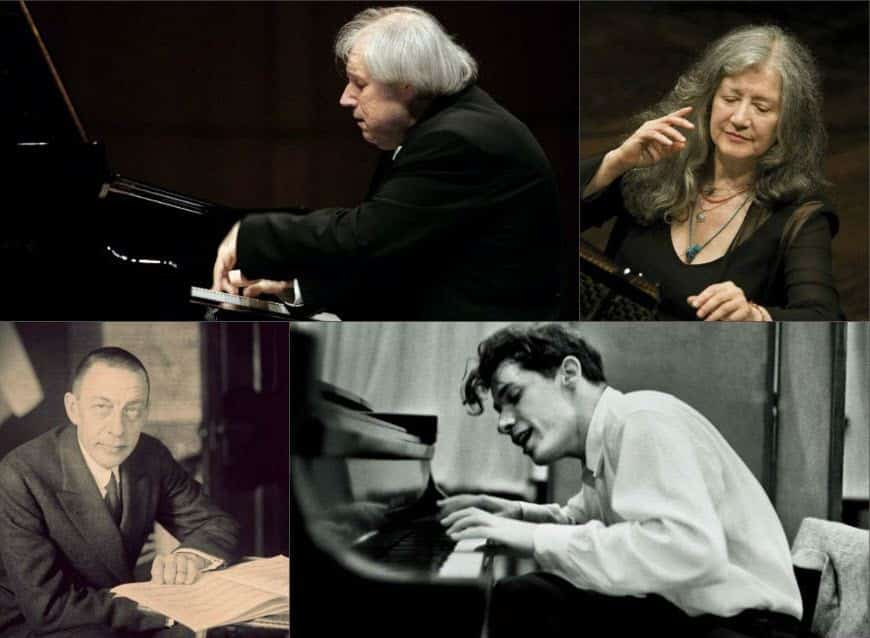
Piano songs encompass a vast and diverse array of musical compositions that showcase the instrument’s versatility, expressiveness, and timeless appeal. From classical masterpieces to contemporary hits, piano music spans genres, styles, and emotions, captivating audiences with its evocative melodies and rich harmonies.
In classical music, piano compositions by masters like Ludwig van Beethoven, Wolfgang Amadeus Mozart, and Frédéric Chopin have stood the test of time, revered for their technical complexity and emotional depth. These timeless works, ranging from sonatas and concertos to nocturnes and preludes, continue to inspire and enchant listeners with their beauty and sophistication.
In popular music, piano songs have left an indelible mark on the cultural landscape, with iconic hits by artists like Elton John, Billy Joel, and Adele resonating with audiences around the world. These songs, often characterized by catchy melodies and heartfelt lyrics, evoke a wide range of emotions, from joy and nostalgia to heartache and longing.
Piano songs hold a special place in the hearts of music lovers, serving as a source of comfort, inspiration, and solace. Whether played as a solo instrument or accompanied by other musicians, the piano’s timeless sound has the power to transport listeners to new worlds and stir the depths of the soul, making it a beloved and cherished instrument across generations.
1. “Für Elise” by Ludwig van Beethoven
“Für Elise” by Ludwig van Beethoven is a timeless piano composition that embodies elegance, grace, and beauty. Composed around 1810, this beloved piece is one of Beethoven’s most famous works and has enchanted audiences for centuries with its enchanting melody and delicate charm.
From the delicate opening notes to the lively main theme, “Für Elise” captivates listeners with its simplicity and sophistication. The piece’s graceful melody flows effortlessly across the keyboard, evoking a sense of warmth and tranquility that is both soothing and uplifting.
“Für Elise” is beloved for its accessibility, making it a popular choice for pianists of all skill levels, from beginners to virtuosos. Its memorable melody and approachable structure make it an ideal piece for both formal recitals and informal gatherings alike.
Despite its enduring popularity, the true identity of “Elise” remains a mystery, adding to the piece’s allure and intrigue. Whether intended as a gift for a loved one or simply as an exercise in composition, “Für Elise” continues to captivate audiences with its timeless beauty and enduring charm.
Through “Für Elise,” Beethoven has left a lasting legacy that continues to resonate with audiences around the world. As the delicate melody fills the air, listeners are transported to a world of elegance and grace, where the timeless beauty of music knows no bounds.
2. “Clair de Lune” by Claude Debussy
“Clair de Lune” by Claude Debussy is a masterpiece of impressionistic piano music that enchants listeners with its ethereal beauty, evocative imagery, and delicate nuances. Composed in 1890 as the third movement of Debussy’s “Suite bergamasque,” this iconic piece has become one of the most beloved and widely recognized works in the piano repertoire.
From the shimmering opening arpeggios to the cascading melodies and lush harmonies, “Clair de Lune” transports listeners to a dreamlike realm of moonlit serenity and poetic reflection. The piece’s evocative title, which translates to “Moonlight” in English, perfectly captures its enchanting atmosphere and romantic allure.
“Clair de Lune” is renowned for its impressionistic style, characterized by its use of subtle shifts in color, texture, and mood to evoke vivid imagery and emotions. Debussy’s masterful use of harmony and rhythm creates a sense of fluidity and motion, as if the music were reflecting the gentle ebb and flow of moonlight on water.
Despite its technical challenges, “Clair de Lune” remains a popular choice for pianists and music lovers alike, admired for its timeless beauty and emotional depth. Its haunting melodies and evocative harmonies have inspired countless interpretations and arrangements, cementing its status as a true masterpiece of the piano repertoire.
Through “Clair de Lune,” Debussy invites listeners on a journey of introspection and reverie, where the beauty of the natural world and the power of music converge in perfect harmony. As the delicate strains of “Clair de Lune” fill the air, listeners are transported to a world of moonlit enchantment, where the mysteries of the night unfold in all their splendor.
3. “Moonlight Sonata” by Ludwig van Beethoven
“Moonlight Sonata” is a renowned piano composition by the legendary composer Ludwig van Beethoven. Completed in 1801, the piece is officially titled “Piano Sonata No. 14 in C-sharp minor, Op. 27, No. 2.” However, it became popularly known as the “Moonlight Sonata” due to a remark made by the music critic Ludwig Rellstab, who compared its first movement to moonlight shining upon Lake Lucerne.
“Moonlight Sonata” is regarded as one of Beethoven’s most famous and beloved compositions, admired for its evocative melodies and expressive depth. It remains a staple of the classical piano repertoire and continues to captivate audiences with its timeless beauty and emotional resonance.
4. “Rhapsody in Blue” by George Gershwin
“Rhapsody in Blue” is a groundbreaking orchestral composition by the American composer George Gershwin, premiered in 1924. It’s a defining work of 20th-century American music, blending elements of classical music with jazz, blues, and ragtime influences. The piece was commissioned by bandleader Paul Whiteman for a concert titled “An Experiment in Modern Music.”
“Rhapsody in Blue” is known for its dynamic and virtuosic piano solo, which Gershwin himself performed at the premiere. The composition features a distinctive melodic theme that weaves its way through various sections, showcasing Gershwin’s talent for creating memorable melodies and rich harmonies.
The piece captures the energy and excitement of New York City during the Jazz Age, evoking images of bustling city streets and vibrant nightlife. Its fusion of classical and popular music styles was revolutionary at the time and has since cemented its place as one of Gershwin’s most celebrated works.
“Rhapsody in Blue” remains a beloved and influential composition, admired for its innovative approach to orchestration and its enduring appeal to audiences of all ages.
5. “The Entertainer” by Scott Joplin
“The Entertainer” by Scott Joplin is a lively and infectious piano rag that embodies the exuberance and excitement of the ragtime era. Composed in 1902, this iconic piece has become one of Joplin’s most famous and enduring works, celebrated for its catchy melody, syncopated rhythms, and playful charm.
From the jaunty opening strains to the energetic main theme, “The Entertainer” captivates listeners with its toe-tapping rhythms and lively melodies. The piece’s infectious energy and buoyant spirit evoke images of bustling street corners and lively saloons, where pianists would entertain audiences with their dazzling displays of virtuosity.
“The Entertainer” is renowned for its distinctive ragtime style, characterized by its use of syncopated rhythms and ragged melodies. Joplin’s masterful use of melody and harmony creates a sense of spontaneity and improvisation, as if the music were being created on the spot.
Despite its technical challenges, “The Entertainer” remains a popular choice for pianists of all levels, admired for its infectious charm and playful demeanor. Its catchy melodies and toe-tapping rhythms have made it a favorite among audiences of all ages, earning it a permanent place in the piano repertoire.
Through “The Entertainer,” Scott Joplin invites listeners to experience the joy and excitement of the ragtime era, where the music was lively, the spirits were high, and the good times never seemed to end. As the lively strains of “The Entertainer” fill the air, listeners are transported to a bygone era of musical exuberance and infectious charm.
6. “Maple Leaf Rag” by Scott Joplin
“Maple Leaf Rag” is a classic ragtime composition by the pioneering African-American composer and pianist Scott Joplin, published in 1899. It’s one of the most famous and enduring pieces in the ragtime genre, known for its lively syncopated rhythms and catchy melodies.
“Maple Leaf Rag” was a commercial success upon its release and played a significant role in popularizing ragtime music. Its popularity continued to grow over the years, and it remains one of Joplin’s most well-known compositions.
The piece is structured in a march-like form with four distinct sections, each featuring intricate syncopated rhythms and playful melodies. Joplin’s mastery of the piano is evident in the composition’s complex harmonies and virtuosic passages.
“Maple Leaf Rag” played a crucial role in shaping American music and has left a lasting legacy as a quintessential ragtime masterpiece. It continues to be performed and enjoyed by pianists and audiences around the world, preserving Joplin’s contributions to American music history.
7. “Merry Go Round of Life” by Joe Hisaishi
“Merry Go Round of Life” by Joe Hisaishi is a captivating piano piece that enchants listeners with its whimsical melody, nostalgic undertones, and evocative beauty. Originally composed as part of the soundtrack for the Studio Ghibli film “Howl’s Moving Castle” in 2004, this enchanting piece has since become one of Hisaishi’s most beloved and iconic compositions.
From the delicate opening notes to the sweeping crescendos and cascading arpeggios, “Merry Go Round of Life” transports listeners to a world of wonder and imagination. The piece’s enchanting melody and lush harmonies evoke images of carefree childhood days, where dreams were endless and possibilities were boundless.
“Merry Go Round of Life” is renowned for its emotional depth and evocative storytelling, with its haunting melody and poignant harmonies capturing the bittersweet beauty of life’s journey. Hisaishi’s masterful use of dynamics and phrasing creates a sense of drama and emotion, as if the music were unfolding like a heartfelt narrative.
Despite its technical challenges, “Merry Go Round of Life” remains a popular choice for pianists and music lovers alike, admired for its timeless beauty and universal appeal. Its enchanting melodies and evocative harmonies have touched the hearts of audiences around the world, earning it a permanent place in the piano repertoire.
Through “Merry Go Round of Life,” Joe Hisaishi invites listeners on a journey of introspection and wonder, where the beauty of the natural world and the magic of music converge in perfect harmony. As the delicate strains of “Merry Go Round of Life” fill the air, listeners are transported to a world of enchantment and beauty, where the joys and sorrows of life are embraced with open arms.
8. “River Flows in You” by Yiruma
“River Flows in You” by Yiruma is a captivating piano composition that captivates listeners with its gentle melody, emotive simplicity, and serene beauty. Composed in 2001, this iconic piece has become one of Yiruma’s most famous and widely recognized works, celebrated for its evocative charm and universal appeal.
From the delicate opening notes to the flowing arpeggios and cascading melodies, “River Flows in You” transports listeners to a world of tranquility and introspection. The piece’s graceful melody and lush harmonies evoke images of flowing rivers, peaceful landscapes, and moments of quiet contemplation.
“River Flows in You” is renowned for its emotional depth and heartfelt expression, with its haunting melody and poignant harmonies capturing the essence of love, longing, and longing. Yiruma’s masterful use of dynamics and phrasing creates a sense of intimacy and connection, as if the music were speaking directly to the listener’s heart.
Despite its technical simplicity, “River Flows in You” remains a popular choice for pianists and music lovers alike, admired for its timeless beauty and emotional resonance. Its gentle melodies and evocative harmonies have touched the hearts of audiences around the world, earning it a permanent place in the piano repertoire.
Through “River Flows in You,” Yiruma invites listeners on a journey of reflection and introspection, where the beauty of the natural world and the power of music converge in perfect harmony. As the delicate strains of “River Flows in You” fill the air, listeners are transported to a world of tranquility and beauty, where the wonders of the human spirit are celebrated with every note.
9. “Waltz of the Flowers” by Pyotr Ilyich Tchaikovsky
“Waltz of the Flowers” is a captivating orchestral piece by the Russian composer Pyotr Ilyich Tchaikovsky. It is part of the ballet “The Nutcracker,” which Tchaikovsky composed in 1892. “The Nutcracker” is one of Tchaikovsky’s most famous works and is widely performed during the holiday season.
“Waltz of the Flowers” is featured in the second act of “The Nutcracker” and is performed during the Land of Sweets scene. It is a grand and elegant waltz that showcases Tchaikovsky’s mastery of orchestration and his ability to create lush, melodic compositions. The piece features delicate melodies, intricate harmonies, and sweeping orchestral flourishes that evoke the beauty and grace of a blossoming garden.
“Waltz of the Flowers” is beloved for its enchanting melodies and its ability to transport listeners to a magical world of fantasy and wonder. It has become one of Tchaikovsky’s most iconic compositions and is a highlight of “The Nutcracker” ballet, captivating audiences with its charm and beauty for generations.
10. “Nocturne Op.9 No.2” by Frédéric Chopin
“Nocturne Op.9 No.2” by Frédéric Chopin is a sublime piano composition that captivates listeners with its exquisite beauty, haunting melody, and poetic expressiveness. Composed in 1830, this iconic piece is one of Chopin’s most beloved and enduring works, celebrated for its profound emotional depth and timeless elegance.
From the tender opening notes to the achingly beautiful melodies and delicate ornamentation, “Nocturne Op.9 No.2” transports listeners to a world of nocturnal enchantment and romantic longing. The piece’s graceful phrasing and subtle nuances evoke images of moonlit landscapes, whispered secrets, and moments of quiet introspection.
“Nocturne Op.9 No.2” is renowned for its emotional intensity and lyrical expression, with its haunting melody and rich harmonies capturing the essence of love, loss, and longing. Chopin’s masterful use of dynamics and rubato creates a sense of intimacy and vulnerability, as if the music were baring the soul of the performer to the listener.
Despite its technical challenges, “Nocturne Op.9 No.2” remains a cornerstone of the piano repertoire, cherished by pianists and music lovers alike for its timeless beauty and emotional resonance. Its tender melodies and evocative harmonies have touched the hearts of audiences around the world, earning it a permanent place in the pantheon of classical music.
Through “Nocturne Op.9 No.2,” Frédéric Chopin invites listeners on a journey of introspection and reverie, where the beauty of the night and the power of music converge in perfect harmony. As the delicate strains of “Nocturne Op.9 No.2” fill the air, listeners are transported to a world of timeless beauty and poetic enchantment, where the mysteries of the human heart are revealed in every note.
11. “Arabesque No.1” by Claude Debussy
“Arabesque No.1” by Claude Debussy is a mesmerizing piano piece that enchants listeners with its delicate intricacy, evocative imagery, and enchanting beauty. Composed in 1888, this iconic work is one of Debussy’s early masterpieces, celebrated for its graceful melodies and impressionistic style.
From the shimmering opening chords to the intricate arabesques and cascading arpeggios, “Arabesque No.1” transports listeners to a world of elegance and refinement. The piece’s gentle rhythms and flowing melodies evoke images of swirling arabesques and intricate patterns, creating a sense of fluidity and motion.
“Arabesque No.1” is renowned for its poetic expression and subtle nuances, with its delicate melodies and rich harmonies capturing the essence of beauty, grace, and elegance. Debussy’s masterful use of color and texture creates a sense of depth and dimension, as if the music were painting a vivid picture in sound.
Despite its technical challenges, “Arabesque No.1” remains a favorite among pianists and music lovers alike, admired for its timeless beauty and evocative charm. Its delicate melodies and ethereal harmonies have inspired countless interpretations and arrangements, earning it a permanent place in the piano repertoire.
Through “Arabesque No.1,” Claude Debussy invites listeners on a journey of imagination and reverie, where the beauty of the natural world and the power of music converge in perfect harmony. As the delicate strains of “Arabesque No.1” fill the air, listeners are transported to a world of timeless elegance and poetic enchantment, where the mysteries of the human spirit are revealed in every note.
12. “Comptine d’un autre été” by Yann Tiersen
“Comptine d’un autre été: L’après-midi” is a hauntingly beautiful piano piece by the French composer Yann Tiersen. It is part of the soundtrack for the 2001 film “Amélie,” directed by Jean-Pierre Jeunet. The title translates to “Rhyme of Another Summer: The Afternoon” in English.
The composition is characterized by its gentle, melancholic melody and delicate arpeggios, creating an intimate and introspective atmosphere. Tiersen’s minimalist approach to the piano, combined with subtle orchestration, evokes a sense of nostalgia and longing.
“Comptine d’un autre été” has become one of Yann Tiersen’s most recognizable compositions and has garnered widespread acclaim for its emotional depth and evocative beauty. It captures the essence of the film’s whimsical and bittersweet narrative, serving as a poignant reflection on memory, time, and the fleeting nature of life.
13. “Gymnopédie No.1” by Erik Satie
“Gymnopédie No.1” by Erik Satie is a mesmerizing piano composition that captivates listeners with its haunting simplicity, ethereal beauty, and evocative atmosphere. Composed in 1888, this iconic piece is one of Satie’s most famous and enduring works, celebrated for its unique blend of melancholy and tranquility.
From the gentle opening chords to the delicate melodies and sparse harmonies, “Gymnopédie No.1” transports listeners to a world of serene contemplation and introspection. The piece’s sparse textures and hypnotic rhythms evoke images of ancient Greek rituals and solemn ceremonies, creating a sense of timelessness and mystery.
“Gymnopédie No.1” is renowned for its evocative mood and understated elegance, with its plaintive melodies and subtle harmonies capturing the essence of longing, nostalgia, and melancholy. Satie’s masterful use of repetition and phrasing creates a sense of intimacy and introspection, as if the music were speaking directly to the listener’s soul.
Despite its technical simplicity, “Gymnopédie No.1” remains a favorite among pianists and music lovers alike, admired for its timeless beauty and emotional depth. Its haunting melodies and ethereal harmonies have inspired countless interpretations and arrangements, earning it a permanent place in the piano repertoire.
Through “Gymnopédie No.1,” Erik Satie invites listeners on a journey of reflection and reverie, where the beauty of simplicity and the power of music converge in perfect harmony. As the delicate strains of “Gymnopédie No.1” fill the air, listeners are transported to a world of quiet contemplation and profound beauty, where the mysteries of the human spirit are revealed in every note.
14. “Someone Like You” by Adele
“Someone Like You” is a heartfelt ballad by British singer-songwriter Adele, released in 2011 as part of her second studio album, “21.” The song’s emotional lyrics explore themes of heartbreak, loss, and acceptance following the end of a romantic relationship. With its stripped-down arrangement featuring piano and Adele’s soulful vocals, “Someone Like You” resonated deeply with listeners around the world.
The song’s poignant melody and relatable lyrics struck a chord with audiences, making it one of Adele’s most successful and acclaimed songs. “Someone Like You” topped charts internationally and earned critical acclaim, cementing Adele’s status as one of the most talented and influential artists of her generation.
The raw emotion and vulnerability conveyed in “Someone Like You” continue to resonate with listeners, making it a timeless anthem for anyone who has experienced the pain of lost love.
15. “Imagine” by John Lennon
“Imagine” by John Lennon is a timeless piano ballad that resonates with listeners around the world for its poignant lyrics, heartfelt message, and universal appeal. Released in 1971 as the title track of Lennon’s album, this iconic song has become an anthem for peace, hope, and unity.
From the gentle opening chords to Lennon’s soulful vocals, “Imagine” captivates audiences with its simplicity and sincerity. The song’s melodic refrain and sparse instrumentation create a sense of intimacy and vulnerability, inviting listeners to reflect on the power of imagination and the possibility of a better world.
“Imagine” is renowned for its powerful message of peace, love, and understanding, with its timeless lyrics inspiring generations of listeners to envision a world without borders, conflict, or division. Lennon’s vision of a utopian society, where people live in harmony and embrace their shared humanity, continues to resonate with audiences of all ages and backgrounds.
Despite its simplicity, “Imagine” remains a favorite among pianists and music lovers alike, admired for its emotional depth and universal appeal. Its heartfelt lyrics and soul-stirring melody have inspired countless interpretations and arrangements, earning it a permanent place in the pantheon of popular music.
Through “Imagine,” John Lennon invites listeners to dream of a world where anything is possible and to embrace the power of imagination to create positive change. As the gentle strains of “Imagine” fill the air, listeners are reminded of the transformative power of music to inspire, unite, and uplift the human spirit.

Edward Tomlin is a frequent contributor to Singers Room. Since 2005, Singersroom has been the voice of R&B around the world. Connect with us via social media below.









