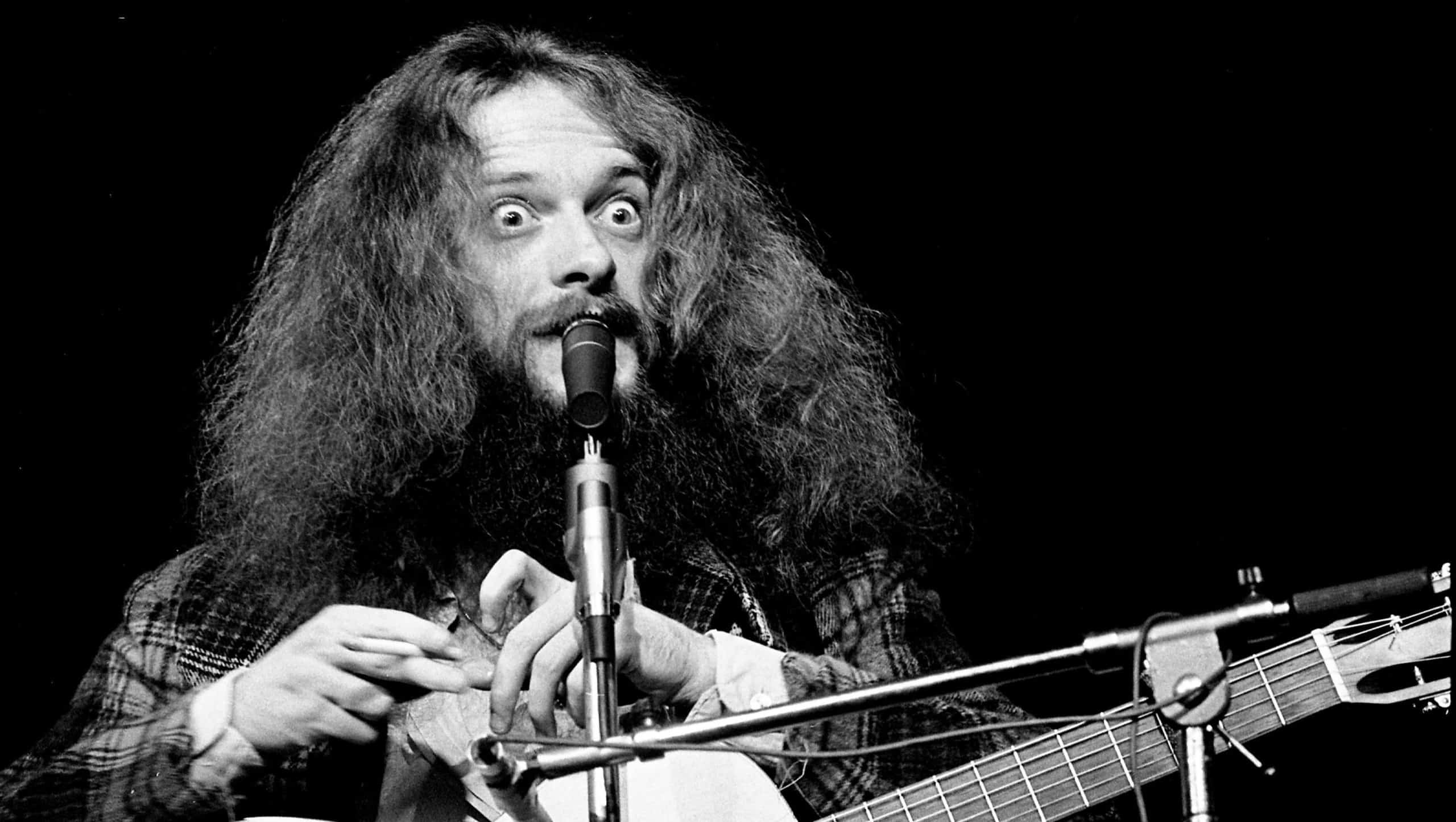
Jethro Tull, the iconic progressive rock band led by the enigmatic Ian Anderson, has left an indelible mark on the landscape of music since its inception in the late 1960s. With a fusion of rock, folk, blues, and classical influences, their sound is as eclectic as it is captivating. Over the decades, Jethro Tull has produced a plethora of timeless classics, each bearing the unmistakable stamp of their musical ingenuity and lyrical depth. In this article, we embark on a journey through the annals of Jethro Tull’s illustrious career to compile a definitive list of their top 10 songs of all time. From the haunting melodies of “Aqualung” to the intricate arrangements of “Thick as a Brick,” each track represents a masterpiece in its own right, showcasing the band’s unparalleled craftsmanship and visionary prowess. As we delve into the rich tapestry of Jethro Tull’s discography, we’ll explore the stories behind these songs, uncovering the inspirations and insights that have captivated audiences for generations. Whether you’re a seasoned fan or a newcomer to their music, prepare to be enthralled by the sheer brilliance of Jethro Tull as we countdown their greatest hits and celebrate the enduring legacy of one of rock’s most iconic bands. So, without further ado, let’s embark on a musical odyssey through the Top 10 Best Jethro Tull Songs of All Time.
1. Aqualung
“Aqualung” stands as a pinnacle in the catalog of Jethro Tull, an iconic blend of progressive rock, folk, and blues that encapsulates the band’s unique sound. Released in 1971 as the title track of their fourth studio album, “Aqualung” remains a timeless masterpiece. The song’s haunting opening riff, driven by Ian Anderson’s distinctive flute, immediately captivates listeners, setting the stage for its evocative storytelling. Lyrically, “Aqualung” delves into themes of urban alienation, poverty, and the struggle for survival, painting a vivid picture of the titular character, a homeless man on the streets of London. Anderson’s raw and impassioned vocals, coupled with the dynamic instrumentation, create a sense of urgency and intensity that is unparalleled, making “Aqualung” a standout track in the band’s repertoire.
Beyond its musical prowess, “Aqualung” remains a cultural touchstone, influencing generations of musicians and earning its place as one of the greatest rock songs of all time. Its intricate arrangements and thought-provoking lyrics continue to resonate with audiences, solidifying its status as an enduring classic. Whether it’s the electrifying guitar solos, the iconic flute melodies, or the poignant social commentary, “Aqualung” remains as relevant and impactful today as it was over five decades ago, securing its position as the top choice among Jethro Tull’s most beloved songs.
2. Locomotive Breath
“Locomotive Breath” is a tour de force in the Jethro Tull repertoire, hailed as one of their most dynamic and unforgettable compositions. Released on their seminal 1971 album “Aqualung,” the track showcases the band’s signature fusion of rock, blues, and folk influences with unparalleled energy and precision. From the moment Martin Barre’s electrifying guitar riff kicks in, the song propels listeners on a relentless journey, mirroring the intensity of a speeding locomotive. Ian Anderson’s evocative lyrics, delivered with his trademark fervor, paint a vivid picture of a world in chaos, where the relentless pace of life mirrors the unstoppable force of a train hurtling down the tracks.
With its driving rhythm and electrifying instrumental solos, “Locomotive Breath” remains a standout track in Jethro Tull’s vast catalog, captivating audiences with its infectious energy and thought-provoking lyrics. The song’s enduring popularity is a testament to its timeless appeal, as it continues to resonate with listeners across generations. Whether experienced live in concert or through the speakers of a record player, “Locomotive Breath” stands as a testament to Jethro Tull’s enduring legacy as one of the greatest rock bands of all time.
3. Bungle in the Jungle
“Bungle in the Jungle” emerges as a whimsical yet compelling track within Jethro Tull’s expansive repertoire. Released on their 1974 album “War Child,” the song offers a departure from the band’s heavier sound, instead embracing a playful blend of folk and rock elements. Ian Anderson’s distinctive vocals, accompanied by his signature flute melodies, infuse the song with a sense of adventure and intrigue. Lyrically, “Bungle in the Jungle” paints a vivid picture of a lush and mysterious jungle landscape, where whimsical creatures and larger-than-life characters collide in a narrative that is both captivating and enigmatic.
Despite its departure from the band’s more serious themes, “Bungle in the Jungle” remains a beloved fan favorite, celebrated for its infectious rhythm and catchy melodies. Its lighthearted yet thought-provoking lyrics continue to resonate with audiences, inviting listeners to embark on a fantastical journey through the untamed wilderness of the imagination. With its irresistible charm and timeless appeal, “Bungle in the Jungle” stands as a testament to Jethro Tull’s versatility and innovation, solidifying its place as one of the band’s most beloved and enduring compositions.
4. Living in the Past
“Living in the Past” stands as a timeless classic within Jethro Tull’s extensive discography, showcasing the band’s prowess in blending folk, rock, and progressive elements into a captivating musical tapestry. Originally released as a single in 1969 before becoming the title track of their 1972 compilation album, the song embodies a nostalgic reflection on the passage of time and the longing for simpler days. Ian Anderson’s haunting flute melodies intertwine seamlessly with Martin Barre’s intricate guitar work, creating a rich sonic landscape that transports listeners to another era. Lyrically, “Living in the Past” explores themes of introspection and regret, offering a poignant reminder to cherish the present moment while acknowledging the bittersweet allure of memories gone by.
As one of Jethro Tull’s most enduring hits, “Living in the Past” continues to resonate with audiences worldwide, its introspective lyrics and infectious melodies striking a chord with listeners of all ages. Whether experienced as a nostalgic trip down memory lane or as a timeless anthem for the present moment, the song remains a testament to the band’s ability to craft music that transcends generational boundaries. With its evocative instrumentation and poignant lyricism, “Living in the Past” stands as a testament to Jethro Tull’s enduring legacy as one of the most innovative and influential bands in rock history.
5. Teacher
“Teacher” emerges as a standout track in Jethro Tull’s eclectic repertoire, blending elements of rock, blues, and jazz into a dynamic and unforgettable composition. Released on their 1970 album “Benefit,” the song showcases the band’s trademark fusion of complex instrumentation and thought-provoking lyricism. Ian Anderson’s distinctive flute melodies, coupled with Martin Barre’s electrifying guitar riffs, create a captivating sonic landscape that draws listeners in from the first note. Lyrically, “Teacher” explores themes of rebellion and disillusionment, offering a biting commentary on the rigid structures of authority and conformity.
As one of Jethro Tull’s most enduring hits, “Teacher” remains a favorite among fans and critics alike, celebrated for its infectious energy and sharp wit. Its dynamic arrangement and Ian Anderson’s impassioned vocals make it a standout track in the band’s live performances, captivating audiences with its raw intensity and virtuosic musicianship. With its timeless appeal and incisive social commentary, “Teacher” stands as a testament to Jethro Tull’s enduring legacy as one of the most innovative and influential bands in rock history.
6. Cross-Eyed Mary
“Cross-Eyed Mary” emerges as a riveting gem within Jethro Tull’s expansive musical catalog, delivering a potent blend of rock, folk, and progressive elements. Originally featured on their iconic 1971 album “Aqualung,” the song showcases the band’s penchant for crafting intricate compositions layered with social commentary and vivid storytelling. From the haunting opening flute motif to the driving rhythms and electrifying guitar solos, “Cross-Eyed Mary” captivates listeners with its dynamic musicality and evocative atmosphere. Lyrically, the song delves into themes of societal outcasts and the harsh realities faced by marginalized individuals, offering a poignant exploration of human resilience in the face of adversity.
As one of Jethro Tull’s most beloved tracks, “Cross-Eyed Mary” continues to resonate with audiences worldwide, its powerful imagery and emotive storytelling leaving a lasting impression. Ian Anderson’s impassioned vocals and masterful flute performances infuse the song with a sense of urgency and depth, while Martin Barre’s searing guitar work adds a layer of intensity and drive. Whether experienced as part of the “Aqualung” album or in the context of the band’s electrifying live performances, “Cross-Eyed Mary” stands as a testament to Jethro Tull’s enduring legacy as pioneers of progressive rock, captivating listeners with their innovative sound and timeless songwriting.
7. Thick as a Brick
“Thick as a Brick” stands as an epic masterpiece in the annals of progressive rock, solidifying Jethro Tull’s reputation as one of the genre’s most innovative and boundary-pushing bands. Originally released as a single 45-minute track split across both sides of the album in 1972, the song defies convention with its complex musical arrangements and ambitious conceptual scope. Ian Anderson’s virtuosic flute performances, coupled with Martin Barre’s intricate guitar work, create a sonic tapestry that is both mesmerizing and exhilarating. Lyrically, “Thick as a Brick” is a tour de force of literary craftsmanship, with Anderson’s satirical and often cryptic verses weaving a narrative that parodies the conventions of concept albums while offering a profound commentary on the human condition.
As a cornerstone of Jethro Tull’s repertoire, “Thick as a Brick” continues to captivate audiences with its sprawling ambition and boundless creativity. Its seamless transitions between musical motifs and shifting time signatures demonstrate the band’s technical prowess and fearless experimentation. Whether experienced as a standalone epic or as part of the album of the same name, “Thick as a Brick” remains a testament to Jethro Tull’s enduring legacy as trailblazers in the realm of progressive rock, pushing the boundaries of what was thought possible in both music and storytelling.
8. Too Old to Rock n Roll: Too Young to Die
“Too Old to Rock ‘n’ Roll: Too Young to Die!” serves as a poignant and introspective reflection on the passage of time and the evolution of rock ‘n’ roll culture. Released as the title track of Jethro Tull’s 1976 album, the song embodies the band’s trademark blend of folk, rock, and progressive elements, delivering a musical narrative that is both thought-provoking and deeply resonant. Ian Anderson’s distinctive vocals and masterful flute performances infuse the song with a sense of nostalgia and melancholy, while Martin Barre’s dynamic guitar work adds layers of texture and emotion. Lyrically, “Too Old to Rock ‘n’ Roll: Too Young to Die!” explores the themes of identity, rebellion, and the fleeting nature of fame, offering a poignant meditation on the challenges of growing older in a youth-oriented industry.
As one of Jethro Tull’s most enduring compositions, “Too Old to Rock ‘n’ Roll: Too Young to Die!” continues to captivate audiences with its timeless appeal and universal themes. Its infectious melodies and evocative storytelling make it a standout track in the band’s extensive discography, resonating with listeners of all ages and backgrounds. Whether experienced as a reflection on the past or as a rallying cry for the future, “Too Old to Rock ‘n’ Roll: Too Young to Die!” stands as a testament to Jethro Tull’s enduring legacy as pioneers of progressive rock, pushing the boundaries of music and lyrical storytelling with each new release.
9. Songs from the Wood
“Songs from the Wood” emerges as a spirited celebration of nature and folklore within Jethro Tull’s rich musical tapestry. Released as the title track of their 1977 album, the song showcases the band’s seamless fusion of rock, folk, and Celtic influences, transporting listeners to a whimsical world of ancient forests and mystical realms. Ian Anderson’s enchanting flute melodies dance atop Martin Barre’s vibrant guitar riffs, creating a lush sonic landscape that evokes the sights and sounds of the natural world. Lyrically, “Songs from the Wood” pays homage to the timeless allure of the countryside, weaving a narrative that is equal parts whimsical and introspective, inviting listeners to embark on a journey of discovery and wonder.
As one of Jethro Tull’s most beloved compositions, “Songs from the Wood” continues to captivate audiences with its infectious energy and evocative storytelling. Its joyful melodies and enchanting lyrics resonate with listeners of all ages, offering a welcome escape from the hustle and bustle of modern life. Whether experienced as a nostalgic ode to simpler times or as a timeless anthem for nature lovers everywhere, “Songs from the Wood” stands as a testament to Jethro Tull’s enduring legacy as pioneers of progressive folk-rock, capturing the imagination and inspiring wonder with each enchanting note.
10. Bouree
“Bouree” stands as a testament to Jethro Tull’s versatility and virtuosity, showcasing the band’s ability to breathe new life into classical compositions with their unique blend of rock and folk influences. Originally adapted from Johann Sebastian Bach’s Suite in E minor for Lute, “Bouree” was reimagined by Ian Anderson and company on their 1969 album “Stand Up.” The song’s driving rhythms and intricate melodies, propelled by Anderson’s electrifying flute performances and Martin Barre’s dynamic guitar work, create a mesmerizing fusion of classical elegance and rock energy. Despite its origins in Baroque music, “Bouree” feels remarkably contemporary, with its infectious groove and inventive instrumentation captivating listeners from the first note.
As one of Jethro Tull’s most iconic instrumental pieces, “Bouree” continues to captivate audiences with its timeless appeal and technical brilliance. Its seamless blend of musical styles and genres transcends the boundaries of time and space, appealing to fans of classical music, rock, and everything in between. Whether experienced as a standalone track or as part of the band’s legendary live performances, “Bouree” remains a shining example of Jethro Tull’s innovative spirit and boundless creativity, leaving an indelible mark on the world of music for generations to come.

Samuel Moore is a frequent contributor to Singers Room. Since 2005, Singersroom has been the voice of R&B around the world. Connect with us via social media below.









