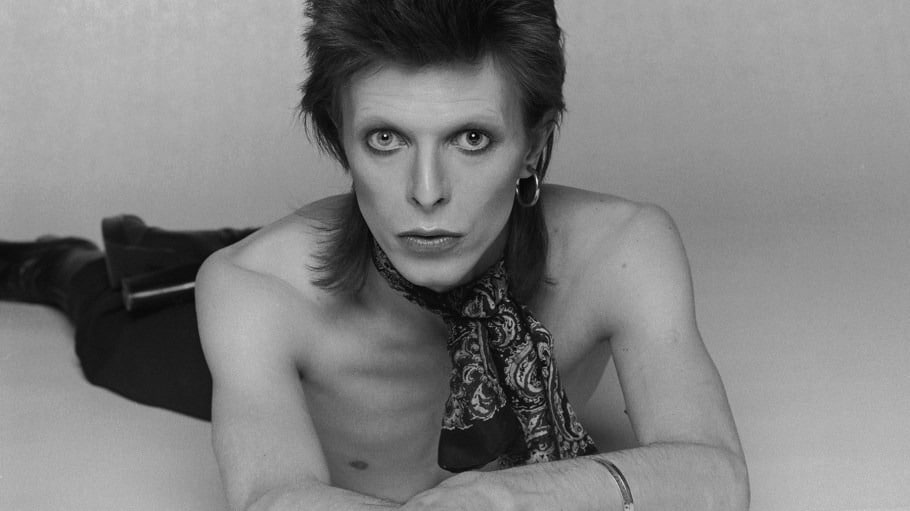
In the vast and ever-evolving landscape of music, few names resonate with the same iconic and transformative power as David Bowie. A true chameleon of sound and style, Bowie carved an indelible mark on the music industry, transcending genres and defying conventions. As we embark on a journey through his expansive catalog, we find ourselves immersed in a sonic tapestry that spans decades and captures the essence of cultural evolution. This article aims to pay homage to the legendary artist by exploring the Top 10 Best David Bowie Songs of All Time, a task as challenging as it is rewarding. From the glam rock era of Ziggy Stardust to the experimental realms of his Berlin trilogy, Bowie’s discography is a testament to his unparalleled creativity and fearless exploration. Each track on this list encapsulates a moment in time, a musical gem that not only showcases Bowie’s extraordinary vocal range but also reflects the ever-changing landscape of his artistic vision. From anthems that defined entire generations to hidden gems that deserve a rediscovery, these songs stand as pillars of Bowie’s enduring legacy. Join us on this musical odyssey as we delve into the genius of David Bowie, unraveling the stories behind each track and uncovering the magic that continues to captivate audiences worldwide. Whether you’re a lifelong Bowie enthusiast or a newcomer eager to explore his unparalleled artistry, this curated selection offers a glimpse into the sonic brilliance of an artist whose impact on the world of music remains immeasurable.
1. Blackout
“Blackout,” a stellar track from David Bowie’s 1977 album “Heroes,” stands as one of his most captivating and experimental works. The song showcases Bowie’s ability to seamlessly blend genres, fusing rock, punk, and avant-garde elements into a mesmerizing sonic journey. With its pulsating rhythm, distorted guitar riffs, and Bowie’s raw, emotionally charged vocals, “Blackout” captures a sense of urgency and rebellion. The lyrics, shrouded in enigmatic imagery, add to the mystique, inviting listeners to interpret and connect with the song on a personal level. As an influential figure in the music industry, Bowie used “Blackout” to push the boundaries of conventional rock, leaving an indelible mark on the evolution of the genre.
In addition to its musical prowess, “Blackout” is a testament to Bowie’s ability to reinvent himself and stay ahead of the curve. At a time when the music landscape was undergoing significant changes, Bowie’s fearless exploration of new sounds and styles solidified his status as a true innovator. “Blackout” remains a timeless piece that continues to captivate audiences with its electrifying energy and experimental spirit, earning its place as one of the top best David Bowie songs of all time.
2. Space Oddity
“Space Oddity,” released by David Bowie in 1969, is an iconic masterpiece that solidified Bowie’s status as a visionary in the realm of rock music. The song, with its ethereal melody and haunting lyrics, recounts the tale of Major Tom, an astronaut adrift in space. Bowie’s evocative vocals, coupled with the acoustic guitar’s gentle strumming, create a poignant atmosphere that resonates with listeners on a profound level. The track’s innovative production, featuring the iconic sound of the Stylophone, adds a futuristic touch, emphasizing Bowie’s ability to weave together elements of folk, rock, and science fiction into a cohesive and groundbreaking composition.
“Space Oddity” not only showcased Bowie’s musical prowess but also marked a pivotal moment in popular culture. Released just days before the Apollo 11 moon landing, the song became synonymous with space exploration and captured the zeitgeist of the era. Its enduring appeal lies in its ability to transcend time, resonating with audiences across generations. As one of David Bowie’s signature songs, “Space Oddity” continues to be celebrated for its timeless beauty, lyrical depth, and its role in shaping the landscape of progressive and experimental rock.
3. Rock ‘N’ Roll Suicide
“Rock ‘N’ Roll Suicide,” the closing track from David Bowie’s 1972 album “The Rise and Fall of Ziggy Stardust and the Spiders from Mars,” is a poignant and triumphant conclusion to the Ziggy Stardust narrative. In this emotionally charged anthem, Bowie delivers a powerful and theatrical performance, embodying the character of Ziggy Stardust as he grapples with the challenges of fame and self-destruction. The song begins with a delicate acoustic guitar before building into a grand orchestral arrangement, creating a sense of both vulnerability and resilience. Bowie’s soulful vocals and the anthemic chorus contribute to the song’s lasting impact, making it a standout track in his extensive catalog.
“Rock ‘N’ Roll Suicide” not only serves as a musical climax but also encapsulates the larger themes of identity, alienation, and the redemptive power of music present throughout the Ziggy Stardust concept album. With its universal message of hope and survival, the song resonates beyond its glam rock origins, becoming a timeless anthem for those facing personal struggles. Bowie’s ability to blend theatricality and sincerity in “Rock ‘N’ Roll Suicide” solidifies its place as one of the top best David Bowie songs of all time, leaving an enduring legacy in the realm of rock and glam.
4. Fame
“Fame,” released in 1975 as part of the album “Young Americans,” is a dynamic and influential collaboration between David Bowie, John Lennon, and guitarist Carlos Alomar. The song marked a departure from Bowie’s earlier glam rock sound, delving into funk and soul influences. The distinctive guitar riff and the infectious groove, coupled with Bowie’s charismatic vocal delivery, make “Fame” an irresistible and danceable track. The lyrics explore the complexities of celebrity and the pitfalls of fame, reflecting Bowie’s own experiences in the music industry.
Beyond its musical innovation, “Fame” holds historical significance as Bowie’s first number-one hit in the United States. The addition of John Lennon’s backing vocals adds an extra layer of star power to the song. The collaboration between Bowie and Lennon resulted in a unique blend of their artistic styles, creating a crossover success that resonated with a diverse audience. “Fame” not only became a chart-topping success but also contributed to Bowie’s reputation as a chameleon in the music industry, effortlessly adapting and reinventing his sound. With its infectious rhythm and insightful lyrics, “Fame” remains one of the top best David Bowie songs, showcasing his ability to push boundaries and remain relevant across different genres.
5. Lazarus
“Lazarus,” released in 2015 as part of David Bowie’s final studio album, “Blackstar,” serves as a haunting and introspective exploration of mortality and rebirth. The song, accompanied by an equally evocative music video, unfolds as a poignant farewell from Bowie to his fans, as he confronted his own impending mortality. The somber yet mesmerizing composition features ethereal saxophone lines and Bowie’s emotive vocals, creating an atmospheric and contemplative ambiance.
The lyrics of “Lazarus” take on a profound significance, with Bowie seemingly addressing his own impending death and leaving a poignant artistic testament. The song’s title references the biblical figure Lazarus, who was resurrected by Jesus, adding a layer of spiritual symbolism. The release of “Lazarus” and the “Blackstar” album took on a retrospective poignancy when Bowie’s passing was announced just days after its release. This added depth to the song’s exploration of mortality, leaving an indelible mark on Bowie’s legacy. “Lazarus” stands not only as a powerful testament to Bowie’s musical and lyrical prowess but also as a poignant farewell that resonates with fans, making it one of the top best David Bowie songs of all time.
6. Ashes To Ashes
“Ashes to Ashes,” released in 1980 as a single and part of David Bowie’s album “Scary Monsters (and Super Creeps),” stands out as a complex and avant-garde exploration of identity, self-reflection, and the artist’s personal struggles. The song revisits the character Major Tom from Bowie’s earlier hit “Space Oddity,” taking a darker and more introspective turn. The music video, a visual spectacle that pushed the boundaries of artistry in the early days of MTV, adds an extra layer of surrealism to the narrative.
Musically, “Ashes to Ashes” is a sonic marvel, featuring a groundbreaking use of synthesizers and electronic elements that set it apart in the New Wave era. Bowie’s distinctive vocal delivery, combined with the haunting melody and enigmatic lyrics, creates an immersive experience for the listener. The song’s chorus, with the refrain “My mama said, ‘to get things done, you better not mess with Major Tom,'” became iconic and added a touch of irony to the overall melancholic tone.
As a pivotal moment in Bowie’s career, “Ashes to Ashes” reflects his ability to evolve and innovate, solidifying his position as a musical trailblazer. Its avant-garde approach and thematic depth make it one of the top best David Bowie songs, showcasing the artist’s continued relevance and impact on the music industry.
7. Seven Years In Tibet
“Seven Years in Tibet,” featured on David Bowie’s 1997 album “Earthling,” demonstrates the artist’s ability to seamlessly blend genres, showcasing a fusion of industrial rock and electronic elements. The track captures Bowie’s adventurous spirit and willingness to explore new sonic territories. The song’s title refers to the period the Dalai Lama spent in Tibet before going into exile, and Bowie uses this historical reference as a metaphor to explore themes of self-discovery and spiritual awakening.
The driving force of “Seven Years in Tibet” lies in its energetic instrumentation, with prominent use of distorted guitars and electronic beats. Bowie’s vocals exude a sense of urgency and defiance, adding to the rebellious and atmospheric quality of the song. The lyrics, with lines like “Are you OK? You’ve been shot in the head, and I’m holding your brains,” offer a visceral and surreal narrative, reflecting Bowie’s penchant for storytelling and experimentation.
As part of the “Earthling” album, which embraced electronic and drum and bass influences, “Seven Years in Tibet” stands out as a testament to Bowie’s ability to remain innovative and relevant even in the ever-changing landscape of popular music. The song’s dynamic composition and thought-provoking lyrics contribute to its status as one of the top best David Bowie songs, showcasing his continued evolution as an artist.
8. Let’s Dance
“Let’s Dance,” released in 1983 as the title track of David Bowie’s album of the same name, marks a significant departure from his earlier experimental work, embracing a more mainstream and commercially accessible sound. Produced by Nile Rodgers, the song features a danceable rhythm, funky guitar riffs, and infectious hooks, making it an anthem for the 1980s. Bowie’s smooth vocals and the upbeat tempo create an irresistible energy that resonated with a wide audience.
The success of “Let’s Dance” propelled Bowie to new heights of commercial success, becoming one of his best-selling singles. The song’s music video, featuring Bowie dancing with a diverse group of people, reinforced the inclusive and celebratory atmosphere of the track. While some long-time fans initially questioned the shift towards a more commercial sound, “Let’s Dance” showcased Bowie’s versatility and adaptability as an artist, proving his ability to reinvent himself successfully.
As a cultural touchstone of the 1980s, “Let’s Dance” remains one of Bowie’s most recognizable and enduring hits. Its infectious groove, coupled with Bowie’s charismatic performance, secures its place as one of the top best David Bowie songs, demonstrating the artist’s capacity to navigate different musical landscapes with style and innovation.
9. Sound and Vision
“Sound and Vision,” released as part of David Bowie’s 1977 album “Low,” is a sonic masterpiece that showcases Bowie’s innovative approach to music production. The song is a testament to Bowie’s collaboration with producer Brian Eno during the creation of the “Berlin Trilogy.” “Sound and Vision” stands out for its minimalist yet lush sound, characterized by ambient textures and electronic experimentation, marking a departure from Bowie’s previous glam rock sound.
The track opens with a mesmerizing synthesizer riff, creating a distinctive atmosphere that sets the tone for the rest of the song. Bowie’s vocals, while taking a backseat to the instrumental arrangement, convey a sense of introspection and detachment. The use of electronic instruments and synthesizers in “Sound and Vision” was groundbreaking for its time, influencing subsequent generations of musicians and producers.
The song’s title becomes a self-fulfilling prophecy, as “Sound and Vision” not only represents a sonic exploration but also a visual one. The accompanying music video, featuring Bowie in a stark white room with various objects and colors, adds a visual dimension to the auditory experience. “Sound and Vision” remains one of Bowie’s most celebrated and influential works, symbolizing his willingness to embrace experimentation and redefine the boundaries of popular music.
10. The Next Day
“The Next Day,” the title track from David Bowie’s 2013 album, stands as a powerful and provocative statement from an artist who, after a decade of relative silence, returned with a renewed creative vigor. The song begins with a distorted guitar riff that echoes Bowie’s earlier rock sound, creating a sense of familiarity, yet it quickly evolves into a complex and modern sonic landscape. Lyrically, “The Next Day” is a reflective and critical exploration of society, morality, and the passage of time.
Bowie’s vocals are delivered with intensity and conviction, showcasing his ability to convey deep emotions through his singing. The accompanying music video, directed by Floria Sigismondi, features religious imagery and themes, adding a layer of symbolism that complements the song’s lyrical depth. The stark and bold nature of “The Next Day” reflects Bowie’s willingness to challenge conventions and push artistic boundaries even in the later stages of his career.
As a pivotal track on an album that received widespread acclaim, “The Next Day” not only demonstrated Bowie’s continued relevance but also affirmed his status as an artist unafraid to confront societal issues and question the status quo. Its inclusion in the list of top best David Bowie songs highlights the artist’s enduring impact and ability to captivate audiences with his thought-provoking and sonically innovative work.

Samuel Moore is a frequent contributor to Singers Room. Since 2005, Singersroom has been the voice of R&B around the world. Connect with us via social media below.









