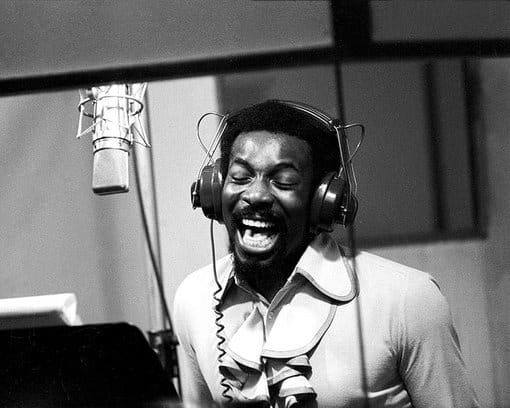
Wilson Pickett, born on March 18, 1941, in Prattville, Alabama, was a pioneering American soul and R&B singer known for his powerful and emotive vocal performances. Often referred to as the “Wicked Pickett,” he became a prominent figure in the 1960s and 1970s music scene, leaving an indelible mark on soul and rock.
Pickett’s career took off when he joined the influential Stax Records in the early 1960s. His dynamic and raw vocal style, coupled with his energetic stage presence, set him apart. Hits like “In the Midnight Hour,” “Mustang Sally,” and “Land of 1,000 Dances” showcased his ability to infuse soul with an irresistible rhythmic drive.
Known for his collaborations with other legends like Duane Allman and Steve Cropper, Pickett’s influence extended beyond soul, influencing the broader landscape of rock and popular music. His raspy voice and commanding delivery made him a charismatic and unforgettable performer.
Inducted into the Rock and Roll Hall of Fame in 1991, Wilson Pickett’s impact on the soul genre endures, with his songs continuing to be celebrated and covered by artists across generations. Pickett passed away on January 19, 2006, leaving behind a legacy of soulful sounds that continue to captivate audiences worldwide.
1. Mustang Sally
“Mustang Sally” is a classic R&B and soul song that became one of Wilson Pickett’s signature tracks. Written by Sir Mack Rice, the song was originally recorded in 1965 by Mack Rice himself, but it was Wilson Pickett’s dynamic and energetic rendition that turned it into a timeless hit.
Released in 1966 as a single and also included on his album “The Wicked Pickett,” Pickett’s version of “Mustang Sally” is characterized by its infectious groove, spirited horns, and Pickett’s raw and soulful vocals. The song’s lyrics tell the story of a woman named Sally who, after getting a new Ford Mustang, decides to have a good time and enjoy life.
“Mustang Sally” became a chart success and remains one of Wilson Pickett’s most well-known songs. Its enduring popularity is evident in its continued presence in various forms of media and its frequent inclusion in playlists dedicated to classic soul and R&B.
Over the years, “Mustang Sally” has been covered by numerous artists, solidifying its status as a soul classic and a testament to Wilson Pickett’s influence on the genre. The song’s irresistible energy and Pickett’s soulful delivery make it a staple in the history of rhythm and blues.
2. In the Midnight Hour
“In the Midnight Hour” is a soul classic and one of Wilson Pickett’s most iconic songs. Released in 1965, the track exemplifies Pickett’s dynamic vocal style and helped solidify his reputation as a prominent figure in the soul and R&B genres.
Written by Wilson Pickett and Steve Cropper of Booker T. & the M.G.’s, “In the Midnight Hour” features a driving rhythm, a memorable horn section, and Pickett’s soulful, impassioned vocals. The song’s lyrics express the singer’s longing for love and companionship during the late-night hours, creating an atmosphere of urgency and desire.
The powerful combination of Pickett’s emotive delivery and the infectious groove of the song made it an instant hit. “In the Midnight Hour” climbed the charts and became one of the defining songs of the 1960s soul movement.
Over the years, the song has been covered and celebrated by various artists, reaffirming its status as a classic in the soul and R&B canon. Its influence extends beyond its initial release, and “In the Midnight Hour” remains a timeless representation of Wilson Pickett’s contribution to the soul music landscape.
3. Land of 1000 Dances
“Land of 1000 Dances” is a classic R&B and soul song that has been recorded and popularized by several artists. One of the most famous versions is by Chris Kenner in 1962. The song’s infectious energy and danceable rhythm have made it a timeless favorite, and it has been covered by various artists in different genres.
The lyrics of “Land of 1000 Dances” mention various dance styles and invite people to join in the celebration. The famous refrain includes the chant “Na-na-na-na-na,” which has become a recognizable and catchy element of the song.
In addition to Chris Kenner’s version, Wilson Pickett released a highly successful cover in 1966, which featured a more prominent horn section and solidified the song’s reputation. Over the years, many artists from diverse musical backgrounds have recorded their interpretations of “Land of 1000 Dances.”
The song’s popularity has extended beyond its original release, and it has been featured in numerous movies, TV shows, and commercials. The lively and festive nature of “Land of 1000 Dances” continues to make it a staple at parties and events, showcasing its enduring appeal in the realm of dance and rhythm.
4. Funky Broadway
“Funky Broadway” is a soul and R&B song originally written and recorded by Dyke and the Blazers in 1967. The band, led by Arlester “Dyke” Christian, created a funky and energetic track that became a notable example of the emerging funk genre.
The song’s lyrics celebrate the lively atmosphere of Broadway Street in Buffalo, New York, and the various dance styles that were popular at the time. Dyke and the Blazers’ version of “Funky Broadway” is characterized by its infectious groove, horn arrangements, and Dyke’s spirited vocal delivery.
Wilson Pickett covered the song in 1967, and his version became the more widely recognized and commercially successful rendition. Pickett’s energetic performance and the song’s dynamic arrangement contributed to its popularity.
“Funky Broadway” has been covered and sampled by various artists over the years, solidifying its status as a funk and soul classic. The song’s influence extends beyond its initial release, with its funky rhythm and vibrant spirit continuing to resonate with audiences who appreciate the energy and danceability of this timeless track.
5. Don’t Knock My Love
“Don’t Knock My Love” is a soulful and funky track by Wilson Pickett, released in 1971. This song marked a shift in Pickett’s musical style, incorporating elements of funk and showcasing his adaptability to evolving trends in soul music during the early 1970s.
The song features a distinctive and infectious groove with a prominent bassline, driving rhythm, and Pickett’s trademark gritty vocals. The lyrics convey a plea for understanding and acceptance in matters of love, urging others not to criticize or undermine the singer’s romantic choices.
“Don’t Knock My Love” was not only a commercial success but also demonstrated Wilson Pickett’s ability to embrace new musical directions while retaining his soulful roots. The song’s fusion of soul and funk elements added a contemporary edge to Pickett’s repertoire.
As with many of Pickett’s hits, “Don’t Knock My Love” has endured over the years and has been covered by various artists. It remains a testament to Pickett’s versatility as a performer and his knack for delivering soulful performances across different musical styles.
6. 634-5789
“634-5789 (Soulsville, U.S.A.)” is a soul and R&B song written by Eddie Floyd and Steve Cropper. The song was originally recorded by Eddie Floyd in 1966 and was later covered by Wilson Pickett, becoming one of Pickett’s signature songs.
The title refers to a phone number, and the lyrics tell the story of a man urging a woman to call him if she needs love or companionship. The catchy chorus features the repeated phone number “634-5789,” adding a memorable and rhythmic element to the song.
Wilson Pickett’s version, released in 1966, is particularly well-known and showcases his powerful and soulful vocal delivery. Pickett’s energetic performance, combined with the song’s infectious groove and horn arrangements, contributed to its success on the charts.
“634-5789” has become a classic in the soul and R&B genres, and it has been covered by various artists over the years. The song’s lively and danceable nature, along with its timeless theme of romantic pursuit, has kept it in rotation on radio stations and in various music compilations, ensuring its enduring popularity.
7. Everybody Needs Somebody to Love
“Everybody Needs Somebody to Love” is a rhythm and blues song that has been covered by various artists over the years. Originally written by Bert Berns, Solomon Burke, and Jerry Wexler, the song gained significant popularity when it was recorded by Wilson Pickett.
Wilson Pickett’s version of “Everybody Needs Somebody to Love” was released in 1966 as a single and became one of his signature songs. Pickett’s dynamic and soulful rendition, characterized by his powerful vocals and energetic delivery, turned the song into a classic of the genre. The track features lively instrumentation, including horns and a driving rhythm, adding to its infectious and danceable quality.
The song’s universal theme of the need for love and companionship resonated with audiences, contributing to its enduring popularity. “Everybody Needs Somebody to Love” has been covered by various artists, further solidifying its status as a timeless and versatile classic in the realm of rhythm and blues.
8. 99 and a Half (Won’t Do)
“99 and a Half (Won’t Do)” is a classic soul and R&B song originally written and recorded by Wilson Pickett. Released in 1966, the song became one of Pickett’s well-known hits and is celebrated for its energetic and dynamic performance.
The lyrics of “99 and a Half (Won’t Do)” convey the idea that the singer is willing to give more than the full measure, emphasizing the depth of his love and commitment. The catchy refrain repeats the title phrase, underscoring the sentiment that anything less than total devotion is insufficient.
Wilson Pickett’s rendition of the song is characterized by his powerful and soulful vocal delivery, complemented by a tight and lively arrangement featuring horns and a driving rhythm section. The song’s infectious groove and upbeat tempo contributed to its popularity.
Over the years, “99 and a Half (Won’t Do)” has been covered by various artists and remains a classic in the soul and R&B canon. Its vibrant and danceable nature, coupled with Pickett’s impassioned performance, continues to make it a favorite among fans of the genre.
9. Don’t Let the Green Grass Fool You
“Don’t Let the Green Grass Fool You” is a soul and R&B classic recorded by Wilson Pickett. Released in 1971 as a single, the song showcases Pickett’s soulful vocals and became one of his notable hits during the early 1970s.
Written by Jerry Akines, John Bellmon, and Eddie Floyd, the song’s title is a metaphorical warning not to be deceived by appearances. The lyrics tell a cautionary tale about the potential pitfalls of being drawn to the allure of success and materialism without considering the true nature of a situation.
“Don’t Let the Green Grass Fool You” features a lively and groovy arrangement, typical of the soul and funk influences prevalent in Pickett’s music during this period. The horn section, rhythm guitar, and Pickett’s energetic delivery contribute to the song’s infectious and danceable quality.
The track achieved commercial success, reaching the top of the R&B charts. It has endured as a soul classic, with its timeless message and memorable musical elements making it a standout in Wilson Pickett’s extensive catalog.
10. Don’t Fight It
“Don’t Fight It” is a classic soul and R&B song co-written and originally recorded by Wilson Pickett in 1965. It became one of Pickett’s successful hits and is known for its energetic and infectious groove.
In “Don’t Fight It,” Pickett urges a woman to embrace the love between them and not resist the romantic connection. The song features a lively arrangement, complete with a prominent horn section and Pickett’s soulful and dynamic vocal delivery.
Co-written by Steve Cropper of Booker T. & the M.G.’s fame, the song reflects the collaborative effort between Pickett and the renowned Stax Records musicians. The combination of Pickett’s gritty vocals and the tight instrumental backing contributed to the song’s popularity.
“Don’t Fight It” became a Top 20 hit on the Billboard Hot 100, and its success helped solidify Wilson Pickett’s reputation as one of the leading figures in soul and R&B music during the 1960s.
The song has since been covered by various artists, but Wilson Pickett’s original recording remains a classic representation of the energetic and soulful sound of that era. “Don’t Fight It” is celebrated for its danceable rhythm, memorable hooks, and Pickett’s charismatic performance.

Edward Tomlin is a frequent contributor to Singers Room. Since 2005, Singersroom has been the voice of R&B around the world. Connect with us via social media below.









