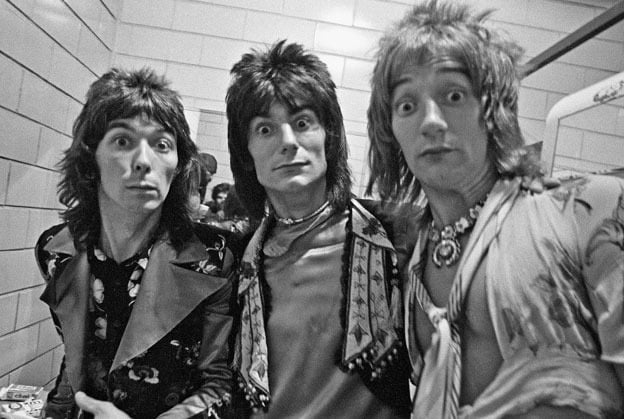
The musical journey of The Faces, one of the most iconic rock bands of the 1970s, is an electrifying tapestry woven with bluesy rhythms, soulful vocals, and irreverent charisma. As we embark on a nostalgic voyage through their discography, it becomes abundantly clear that The Faces were more than just a band; they were a combustible force of talent, mischief, and raw energy. In this exploration of the “10 Best The Faces Songs of All Time,” we delve into the sonic landscapes that defined an era and continue to resonate with audiences across generations. From Rod Stewart’s gravelly vocals to Ronnie Wood’s infectious guitar riffs, each track on this list serves as a testament to the band’s ability to capture the essence of rock ‘n’ roll rebellion. Whether it’s the rollicking energy of “Stay with Me” or the introspective beauty of “Ooh La La,” The Faces left an indelible mark on the music world, influencing countless artists who followed in their footsteps. As we celebrate the enduring legacy of this legendary ensemble, we invite you to join us on a musical odyssey that transcends time, where each song is not just a chapter in their history but a timeless anthem that continues to ignite the spirit of rock enthusiasts around the globe. So, crank up the volume, take a trip down memory lane, and rediscover the brilliance of The Faces as we count down the “10 Best The Faces Songs of All Time.”
1. Stay With Me
“Stay With Me,” a rock classic by The Faces, encapsulates the band’s raw, raucous energy and stands as a pinnacle in their discography. Released in 1971 as part of their album “A Nod Is As Good As a Wink… to a Blind Horse,” the song showcases the band’s distinctive blend of rock and roll with a touch of blues, marking a high point in the early ’70s rock scene. The track is driven by Ronnie Wood’s gritty guitar riffs and Rod Stewart’s unmistakable, gravelly vocals, a combination that breathes life into the song’s themes of fleeting relationships and the carefree, hedonistic lifestyle of rock stars. The rhythm section, powered by Ronnie Lane on bass and Kenney Jones on drums, provides a solid, groovy foundation that complements Ian McLagan’s vibrant keyboard playing. “Stay With Me” is not just a song; it’s an anthem of the era, encapsulating the spirit of rock and roll’s golden age with its infectious energy, memorable melody, and Stewart’s compelling storytelling. The Faces’ performance on this track is a testament to their chemistry as a band, showcasing their ability to combine rock’s raw power with soulful, blues-inflected nuances, making “Stay With Me” an enduring classic in rock history.
2. Ooh La La
“Ooh La La,” a poignant and reflective track by The Faces, captures the essence of wisdom passed down through generations, wrapped in the band’s signature sound. Released in 1973 on the album of the same name, it was one of the band’s final hits before their eventual disbandment. Unlike the raucous energy that characterizes much of The Faces’ work, “Ooh La La” is distinguished by its acoustic warmth and introspective lyricism, showcasing a different facet of the band’s musical versatility. The song is primarily driven by Ronnie Wood’s gentle guitar strumming and the distinctive use of a mandolin, played by Wood himself, which adds a unique, folk-like quality to the track.
The vocals, initially intended for Rod Stewart but ultimately performed by Wood, convey a sense of heartfelt sincerity and rugged charm. The lyrics, co-written by Wood and Ronnie Lane, the band’s bassist, reflect on the naiveté of youth and the inevitability of growing wiser with age, encapsulated in the song’s memorable refrain, “I wish that I knew what I know now, when I was younger.” The simplicity and honesty of “Ooh La La” resonate deeply, making it a timeless piece in The Faces’ catalog. Its enduring appeal lies in the universal message of the lyrics and the song’s understated arrangement, proving that the band’s talent extended far beyond their more boisterous hits, capturing the complexities of life and the passage of time with eloquence and ease.
3. Cindy Incidentally
“Cindy Incidentally” is a standout track from The Faces’ 1973 album “Ooh La La,” epitomizing the band’s knack for crafting infectious rock tunes laced with a pop sensibility. This song is a vibrant showcase of the group’s seamless blend of rock ‘n’ roll with elements of folk and pop, creating a sound that’s both engaging and effortlessly cool. The track features Rod Stewart’s distinctive, raspy vocals at their most charming, delivering the narrative of a fleeting encounter with a girl named Cindy in a manner that’s both relatable and captivating.
Musically, “Cindy Incidentally” is driven by a tight, upbeat rhythm section, with Ronnie Lane on bass and Kenney Jones on drums laying down a solid foundation. Ronnie Wood’s guitar work shines through with catchy riffs and melodic solos that complement the song’s lively tempo, while Ian McLagan’s keyboard contributions add depth and texture, enhancing the overall feel-good vibe of the track. The song’s lyrics, co-written by Stewart, Wood, and McLagan, showcase The Faces’ ability to tell a story that’s both engaging and visually vivid, making listeners feel as though they’re part of the scene unfolding.
Despite its breezy and upbeat surface, “Cindy Incidentally” also subtly reflects the band’s depth in songwriting, blending light-hearted storytelling with a musical sophistication that demonstrates why The Faces were considered one of the most talented bands of their era. The track remains a beloved gem in their discography, capturing the essence of the early ’70s rock scene with its blend of catchy melodies, stellar musicianship, and timeless charm, making it one of The Faces’ most enduring and beloved songs.
4. Maybe I’m Amazed
“Maybe I’m Amazed” is often associated with Paul McCartney and his post-Beatles career, being a standout track from his 1970 solo album “McCartney.” However, the confusion may arise as Rod Stewart, the iconic lead vocalist of The Faces, covered this song, showcasing his and the band’s versatility in interpreting the work of other artists. Stewart’s rendition, while not an original Faces track, highlights the group’s ability to infuse classic songs with their unique blend of rock and soul, bringing a new dimension to McCartney’s heartfelt ballad.
The original “Maybe I’m Amazed” is celebrated for McCartney’s raw, emotive delivery and its intricate arrangement, capturing the depth of his feelings in the wake of The Beatles’ breakup. McCartney’s version features him playing all the instruments and singing, making it a deeply personal reflection on love and vulnerability. The song’s lyrical content, expressing astonishment at the sustaining power of love, has made it one of McCartney’s most revered solo works.
When covered by Rod Stewart or performed live by The Faces, “Maybe I’m Amazed” would have been reinterpreted through Stewart’s distinctive vocal style and the band’s rock-oriented instrumentation. Such a cover would highlight Stewart’s raspy voice and emotional expression, backed by the dynamic and robust musical accompaniments characteristic of The Faces, including Ronnie Wood’s expressive guitar playing and the solid rhythm foundation provided by Ronnie Lane and Kenney Jones. Although “Maybe I’m Amazed” is fundamentally a McCartney creation, any interpretation by The Faces or Stewart would underscore their talent for reimagining songs with their signature sound, demonstrating their respect for McCartney’s songwriting prowess while adding their own rock and roll flair.
5. Pool Hall Richard
“Pool Hall Richard” is a high-energy track by The Faces, released as a single in 1973. This song encapsulates the band’s raw, unfiltered essence, showcasing their rock and roll spirit infused with a bluesy undertone. The track is a testament to The Faces’ ability to craft stories that paint vivid pictures of everyday life, in this case, the tale of a pool shark making his rounds in the smoke-filled ambiance of a pool hall.
Driven by Ronnie Wood’s gritty guitar riffs and Rod Stewart’s distinctive, gravelly vocals, “Pool Hall Richard” delivers a compelling narrative set to the backdrop of infectious rhythms and a catchy melody. The song’s energy is further amplified by Ian McLagan’s spirited keyboard playing, which adds a layer of depth to the arrangement, while Ronnie Lane’s bass and Kenney Jones’ drums provide a solid, driving rhythm that keeps the momentum going strong throughout the track.
The brilliance of “Pool Hall Richard” lies not just in its musical execution but in its ability to evoke the atmosphere of a pool hall, with its competitive tension and the clatter of billiard balls. The Faces’ performance captures the essence of the character Richard with a mix of admiration and a tongue-in-cheek portrayal of the hustling lifestyle. This song stands out in The Faces’ discography as a showcase of their storytelling prowess, combined with their signature blend of rock, blues, and soul. “Pool Hall Richard” remains a beloved classic, embodying the spirited, carefree attitude of the early 70s rock scene and highlighting The Faces’ place as one of the era’s most dynamic and entertaining bands.
6. Had Me a Real Good Time
“Had Me a Real Good Time” is a quintessential track by The Faces, encapsulating the band’s ethos of carefree revelry and rock ‘n’ roll exuberance. Released on their 1970 album “Long Player,” this song exemplifies the band’s knack for blending rock with a touch of boogie and blues, creating a sound that’s both engaging and effortlessly cool. The track stands out for its dynamic structure, featuring shifts in tempo and mood that reflect the highs and lows of a night out, mirroring the unpredictability and excitement of youth.
Rod Stewart’s vocals are at the forefront, delivering the lyrics with his characteristic raspy warmth, inviting listeners into a narrative filled with joy, camaraderie, and the inevitable comedown of the morning after. Ronnie Wood’s guitar work is exemplary, offering catchy riffs and solos that weave through the song, adding layers of musical interest and driving the track forward. Ian McLagan’s keyboard contributions provide a vibrant texture that enriches the sonic palette, while Ronnie Lane’s bass and Kenney Jones’ drums lay down a groove that’s both solid and swinging, embodying the spirit of a band at the peak of its powers.
“Had Me a Real Good Time” is reflective of The Faces’ ability to capture the essence of rock ‘n’ roll lifestyle in their music, portraying themes of freedom, friendship, and living in the moment. The song’s infectious energy and memorable melody make it a standout in the band’s discography, showcasing their talent for crafting songs that resonate with the joyful abandon of the era. It’s a celebration of the good times, tinged with the knowledge that they can’t last forever, but while they do, they’re to be savored to the fullest. This track remains a testament to The Faces’ enduring appeal as purveyors of rock ‘n’ roll at its most spirited and authentic.
7. Too Bad
“Too Bad” is a track that captures The Faces at their bluesy, rock ‘n’ roll best, featured on their critically acclaimed 1971 album “A Nod Is As Good As a Wink… to a Blind Horse.” This song exemplifies the band’s ability to fuse rock with a distinct blues edge, creating a sound that is both gritty and irresistibly catchy. It’s a high-energy piece that reflects the band’s signature style of combining raucous music with tales of the rock and roll lifestyle, personal experiences, and the pursuit of good times against the odds.
Rod Stewart’s distinctive, gravelly voice perfectly conveys the song’s themes of lament and missed opportunities, imbued with a sense of humor and self-awareness that is characteristic of the band’s lyrical approach. The driving force behind “Too Bad” is the powerful guitar work by Ronnie Wood, whose riffs and solos bring a raw edge to the track, perfectly complementing the rhythm section’s solid, groovy backbone provided by Ronnie Lane on bass and Kenney Jones on drums. Ian McLagan’s keyboards add depth and texture, enhancing the overall sound and contributing to the song’s dynamic feel.
“Too Bad” stands out for its compelling narrative, chronicling the highs and lows of life on the road and the band’s encounters with fame, fortune, and the law. The Faces’ ability to blend storytelling with energetic rock and roll makes this track a memorable part of their discography, embodying the carefree, rebellious spirit of early ’70s rock. It’s a testament to the band’s chemistry and their skill at crafting songs that are at once reflective, humorous, and full of life, showcasing why The Faces remain one of the most beloved bands of their era.
8. Miss Judy’s Farm
“Miss Judy’s Farm” is a rollicking track from The Faces’ 1971 album “A Nod Is As Good As a Wink… to a Blind Horse,” showcasing the band’s masterful blend of rock, blues, and a hint of country swagger. The song kicks off with an explosive guitar riff by Ronnie Wood, setting the stage for a high-energy, foot-stomping musical journey. Rod Stewart’s distinctive, raspy vocals tell the story of dealing with a formidable woman, Miss Judy, and her demanding ways, infused with the band’s characteristic wit and storytelling prowess.
The song’s driving force is its dynamic instrumentation, featuring not only Wood’s fiery guitar work but also the tight rhythm section of Ronnie Lane on bass and Kenney Jones on drums, which propels the song forward with unstoppable momentum. Ian McLagan’s keyboard playing adds layers of richness and depth to the track, creating a full-bodied sound that’s both robust and nuanced.
“Miss Judy’s Farm” is emblematic of The Faces’ ability to craft songs that are both lyrically engaging and musically compelling. The track’s blend of humor, vivid storytelling, and top-notch musicianship captures the essence of what made The Faces one of the most beloved rock bands of the early ’70s. The song’s infectious energy and memorable melody make it a standout in the band’s discography, showcasing their flair for merging different musical styles into a cohesive and irresistible sound. It’s a testament to the band’s skill at creating music that’s as entertaining as it is artistically satisfying, embodying the spirit of rock ‘n’ roll with every note.
9. Around the Plynth
“Around the Plynth” is a standout track from The Faces’ debut album “First Step,” released in 1970. This song marks a significant moment in the band’s early discography, showcasing their raw energy and the unique blend of rock, blues, and folk that would come to define their sound. The track is characterized by its gritty guitar work, courtesy of Ronnie Wood, whose slide guitar play adds a bluesy, soulful depth to the music, setting a powerful tone that resonates throughout the song.
Rod Stewart’s vocals on “Around the Plynth” are compelling and expressive, delivering the lyrics with a mix of vulnerability and strength that would become a hallmark of his style. The rhythm section, with Ronnie Lane on bass and Kenney Jones on drums, provides a solid, driving foundation that anchors the song, while Ian McLagan’s keyboard work infuses the track with a layer of musical complexity, adding to its rich, textured sound.
The song’s title, “Around the Plynth,” suggests a journey or a continuous movement, which is mirrored in the song’s dynamic structure and the band’s performance. It’s a powerful opener for “First Step,” signaling the arrival of The Faces as a formidable force in rock music. The track encapsulates the band’s ability to fuse different musical influences into a cohesive and engaging sound, blending rock’s raw power with the soulful nuances of blues and the earthiness of folk.
“Around the Plynth” stands as a testament to The Faces’ musicianship and their capacity to convey emotion through music. It highlights the band’s early experimentation with sound and style, laying the groundwork for what would become their signature approach to rock ‘n’ roll. This track not only captures the spirit of the era but also foreshadows the band’s future successes, making it a crucial piece of The Faces’ musical legacy.
10. You’re So Rude
“You’re So Rude” is a track from The Faces’ 1971 album “A Nod Is As Good As a Wink… to a Blind Horse,” showcasing the band’s lighter, more humorous side. This song stands out for its storytelling, delivered with a blend of cheeky lyrics and a catchy melody, encapsulating a quintessentially British sense of humor. The narrative revolves around a comically awkward situation of a young couple’s intimate moment being interrupted, painting a vivid picture of the scene with a mix of embarrassment and wit.
Musically, “You’re So Rude” features a jaunty, upbeat rhythm that perfectly complements the song’s playful theme. Ronnie Lane, who shares lead vocal duties with Rod Stewart on this track, brings a warmth and relatability to the storytelling, making the listener feel like a confidant. The song’s arrangement is relatively simple yet effective, with Ronnie Wood’s guitar riffs adding a bright, melodic touch that enhances the storytelling.
The rhythm section, with Lane on bass and Kenney Jones on drums, lays down a groove that’s both laid-back and engaging, keeping the listener’s toe tapping throughout. Ian McLagan’s keyboard work is subtle but essential, filling out the sound and adding depth to the song’s overall feel.
“You’re So Rude” is a perfect example of The Faces’ ability to not take themselves too seriously while still delivering musically engaging and lyrically compelling content. It’s a testament to their versatility as a band, capable of rocking hard on one track and then switching gears to something more lighthearted and whimsical. This song remains a beloved part of their discography, offering a glimpse into the everyday lives and cheeky humor that made The Faces so relatable and enduringly popular.

Samuel Moore is a frequent contributor to Singers Room. Since 2005, Singersroom has been the voice of R&B around the world. Connect with us via social media below.









