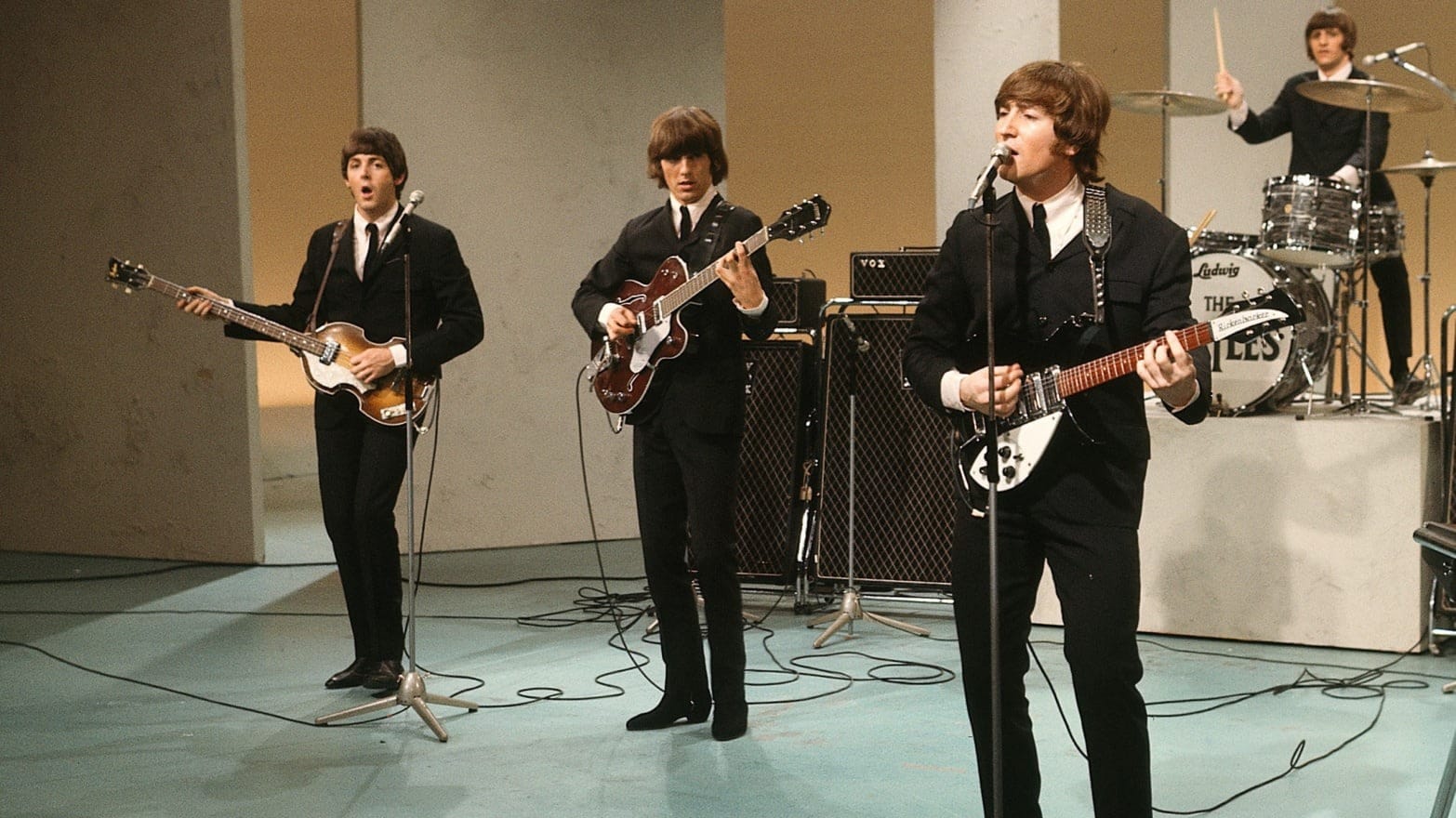
The Beatles, often hailed as the most influential band in the history of rock music, crafted an unparalleled legacy that continues to captivate and inspire generations of music lovers. From their early days in the vibrant music scene of Liverpool to their meteoric rise to global superstardom, The Beatles revolutionized the soundscape of the 20th century, leaving an indelible mark on the cultural fabric of the era. Their discography, a rich tapestry of lyrical depth, innovative soundscapes, and genre-defying compositions, spans a breathtaking array of styles, from the raw energy of rock and roll to the intricate harmonies of psychedelic pop. The task of distilling this extraordinary body of work into a list of the top 10 best The Beatles songs of all time is both daunting and exhilarating. This endeavor not only invites us to revisit the band’s monumental achievements but also to engage in the deeply personal process of reflecting on the tracks that have shaped our own connections to music. In compiling this list, we consider the songs’ musical ingenuity, lyrical poignancy, cultural impact, and enduring popularity. Through this exploration, we aim to celebrate the timeless appeal of The Beatles’ music, offering both longtime fans and new listeners a journey through the melodies and narratives that have made the band an enduring symbol of creativity and innovation. As we delve into this curated selection of classics, we are reminded of the magic that John, Paul, George, and Ringo created together, a magic that continues to resonate across the decades, making The Beatles not just a band, but a phenomenon that transcends the bounds of time and genre.
1. I want to hold your hand
“I Want to Hold Your Hand” is a landmark song by The Beatles that solidified their status as a global phenomenon and spearheaded the British Invasion of the US music scene. Released in November 1963, this joyful and exuberant track was written by John Lennon and Paul McCartney, showcasing the Lennon-McCartney songwriting partnership at its early best. With its catchy melody, upbeat tempo, and harmonious vocals, the song captures the essence of youthful desire and the longing for connection. The simplicity of the lyrics, combined with the compelling chord progressions and the innovative use of recording techniques, exemplified The Beatles’ musical genius and their ability to connect with audiences worldwide. It became their first number one hit in the United States, selling over 12 million copies globally and marking the beginning of Beatlemania.
The song’s impact on music and culture cannot be overstated. “I Want to Hold Your Hand” not only launched The Beatles into unprecedented fame but also had a significant influence on the sound of popular music in the 1960s. Its success led to The Beatles’ historic appearance on “The Ed Sullivan Show” in February 1964, an event watched by approximately 73 million viewers, which is about 34% of the American population at the time. This moment is often cited as a pivotal point in American music history, initiating a wave of British bands on the US charts and changing the landscape of rock and roll forever. The Beatles’ innovative approach to songwriting and recording in “I Want to Hold Your Hand” set new standards for musical creativity, making it one of the most iconic and best-loved songs of their illustrious career.
2. While my guitar gently weeps
“While My Guitar Gently Weeps” stands as one of The Beatles’ most profound and emotive compositions, featured on their 1968 eponymous album, commonly known as the “White Album.” Written by George Harrison, the song is a poignant reflection on the human condition, interweaving themes of love, disappointment, and the universal nature of imperfection. Harrison’s inspiration came from the I Ching, or “The Book of Changes,” which emphasizes the concept of everything being connected and the world being in a state of constant flux. This philosophical underpinning adds depth to the song’s melancholic melody and heartfelt lyrics, with Harrison’s guitar work—complemented by Eric Clapton’s uncredited but distinctive lead guitar playing—creating a soul-stirring experience. The track showcases Harrison’s maturity as a songwriter and his ability to craft songs of significant emotional and musical complexity.
The recording of “While My Guitar Gently Weeps” marked a significant moment in The Beatles’ history, showcasing the band’s willingness to collaborate with musicians outside their immediate circle, thereby enhancing the song’s emotional depth and impact. Clapton’s involvement brought a new dimension to the Beatles’ sound, with his guitar solos adding a layer of raw, expressive power that perfectly captured the song’s essence of melancholy introspection. The song has since been celebrated as one of The Beatles’ greatest works, covered by numerous artists and featuring in various cultural contexts. Its enduring appeal lies in its ability to convey profound emotions through its lyrical content and musical composition, making “While My Guitar Gently Weeps” a timeless masterpiece that continues to resonate with audiences around the world.
3. Something
“Something” is a masterpiece of love and admiration, penned by George Harrison and featured on The Beatles’ 1969 album, “Abbey Road.” This song marked a turning point, showcasing Harrison’s evolution into a songwriter whose talents rivaled those of his bandmates, John Lennon and Paul McCartney. With its elegant melody and rich, emotional depth, “Something” is often hailed as one of the greatest love songs ever written, a testament to Harrison’s profound ability to capture the nuances of love’s complexity and beauty. The track’s gentle guitar intro, coupled with the sweeping arrangement and heartfelt lyrics, creates a timeless and universal appeal. Harrison’s inspiration for the song is frequently attributed to his then-wife, Pattie Boyd, though he suggested its universality meant it could be about anyone the listener loved.
“Something” stands out not only for its lyrical and melodic beauty but also for the recognition it received from both critics and peers. Frank Sinatra famously described it as “the greatest love song of the past 50 years,” despite mistakenly attributing it to Lennon-McCartney. The song’s influence extends far beyond its initial release, covered by a vast array of artists across different genres, each interpretation highlighting the song’s enduring appeal and versatility. Its place in The Beatles’ catalog is significant, representing Harrison’s rise as a composer capable of producing work that resonated deeply with audiences and remained a beloved standard in the realm of romantic music. The enduring popularity of “Something” is a tribute to Harrison’s genius, a song that continues to move hearts and inspire listeners with its simple yet profound message of love.
4. Let it be
“Let It Be,” released in March 1970 as the title track of The Beatles’ final studio album, stands as an enduring anthem of comfort, hope, and acceptance amidst times of turmoil. Written by Paul McCartney, the song was inspired by a dream in which his deceased mother, Mary, appeared to him during a period of personal stress and uncertainty, offering the words “let it be.” This ethereal visitation provided McCartney with not only the basis for the song’s lyrics but also a sense of solace and peace, which he then sought to share through his music. The simplicity and universality of its message, combined with McCartney’s soulful vocals and the song’s soothing melody, create a powerful and uplifting ballad that has resonated with generations of listeners. The inclusion of a memorable guitar solo by George Harrison and the orchestral arrangements by producer George Martin add to the track’s emotional depth, making it one of The Beatles’ most beloved and iconic songs.
“Let It Be” has since become a cultural touchstone, often turned to in times of hardship or reflection for its comforting message that in the face of adversity, surrendering to the flow of life can bring peace. The song’s release at the dawn of the 1970s, as The Beatles were disbanding, lent it an additional layer of poignancy, serving as a swan song for the band’s remarkable decade of musical innovation and cultural influence. Its enduring appeal lies in its ability to convey a sense of hope and resilience, making “Let It Be” a timeless piece that continues to inspire and uplift audiences around the world. The song’s legacy is further cemented by its widespread use in films, cover versions by numerous artists, and its place in the hearts of millions as a source of comfort during times of trouble.
5. Strawberry fields forever
“Strawberry Fields Forever” is a hallmark of The Beatles’ experimental phase, released in February 1967 as part of a double A-side single alongside “Penny Lane.” This song epitomizes the band’s foray into psychedelic music, marking a significant departure from their earlier pop-oriented work. Written by John Lennon, the song draws inspiration from his childhood memories of playing in the Strawberry Field garden near his home in Liverpool, weaving together nostalgic recollections with a lyrical exploration of introspection and the questioning of reality. The song’s complex structure, innovative production techniques, and use of studio effects, such as the Mellotron, tape loops, and reverse recordings, showcase The Beatles’ and producer George Martin’s creative ingenuity, making it one of the most groundbreaking tracks in the history of popular music.
“Strawberry Fields Forever” is celebrated for its avant-garde approach to songwriting and recording, challenging conventional musical forms and perceptions of what pop music could be. The song’s atmospheric soundscape, combined with Lennon’s introspective lyrics and distinctive vocal delivery, creates a vivid, dreamlike quality that captures the essence of the psychedelic era. Its accompanying promotional film, one of the early examples of what would become known as music videos, further emphasized the song’s innovative nature and The Beatles’ role as pioneers of the music video format. Over the years, “Strawberry Fields Forever” has been hailed as a masterpiece of psychedelic music, influencing countless artists and remaining a cornerstone of The Beatles’ legacy as musical innovators and cultural icons.
6. Yesterday
“Yesterday” is one of The Beatles’ most iconic and timeless songs, showcasing the band’s versatility and Paul McCartney’s exceptional talent as a songwriter. Released in 1965 on the album “Help!”, the song is a poignant ballad that delves into themes of nostalgia and loss, marked by its simplicity and emotional depth. McCartney’s inspiration for “Yesterday” famously came to him in a dream, with the melody arriving fully formed, though initially he had no lyrics and temporarily titled it “Scrambled Eggs” until the evocative lyrics were penned. The song’s arrangement is notably distinct from The Beatles’ typical sound, featuring McCartney’s vocal and acoustic guitar accompanied by a string quartet, a departure that emphasized the song’s intimate and reflective nature.
“Yesterday” has achieved monumental acclaim, becoming one of the most covered songs in the history of recorded music, with over 2,000 versions by various artists. Its universal appeal lies in the song’s ability to capture the universal experience of longing for the past with a simplicity and elegance that few songs have ever matched. McCartney’s heartfelt performance, combined with the innovative decision to include a classical string arrangement, set a precedent for future musical collaborations and genres. The song’s enduring popularity and influence are testament to its timeless quality and The Beatles’ remarkable ability to explore new musical territories. “Yesterday” remains a beloved masterpiece, resonating with audiences around the world as a symbol of The Beatles’ enduring legacy in the landscape of popular music.
7. A day in the life
“A Day in the Life,” the final track on The Beatles’ groundbreaking 1967 album “Sgt. Pepper’s Lonely Hearts Club Band,” is widely regarded as one of the band’s most ambitious and influential works. A collaboration between John Lennon and Paul McCartney, the song is a seamless blend of two distinct musical ideas, starting with Lennon’s hauntingly reflective verses inspired by contemporary newspaper articles, and transitioning into McCartney’s upbeat, narrative bridge. This juxtaposition creates a compelling, narrative-driven journey that captures the essence of human experience in its mundane reality and surreal depth. The orchestral crescendos, innovative studio techniques, and the use of a final, sustained piano chord make “A Day in the Life” a masterpiece of musical experimentation and production.
The song’s structure, with its blend of rock and classical elements, its lyrical depth, and its pioneering studio effects, epitomizes the creative zenith of The Beatles and producer George Martin. The recording featured an improvised orchestra crescendo that bridged Lennon’s and McCartney’s sections, pushing the boundaries of conventional pop music. The song’s climax, a single, E-major chord played simultaneously on multiple pianos and sustained for over forty seconds, leaves listeners in a state of awe, encapsulating the song’s groundbreaking nature. “A Day in the Life” has been interpreted as a commentary on the human condition, a reflection on the banality and beauty of everyday life, and remains a critical and commercial triumph that has inspired countless musicians and composers. Its enduring significance is a testament to The Beatles’ genius, marking “A Day in the Life” as a landmark in the history of popular music.
8. Come together
“Come Together,” the opening track on The Beatles’ 1969 album “Abbey Road,” is a testament to the band’s enduring creativity and John Lennon’s innovative songwriting. Originally conceived as a campaign song for Timothy Leary’s gubernatorial run against Ronald Reagan in California, the song evolved into a cryptic, funky groove that defies easy interpretation. Its enigmatic lyrics, featuring a series of paradoxical and nonsensical phrases, create a mesmerizing blend of rock, blues, and psychedelia that showcases The Beatles’ ability to push the boundaries of popular music. The song’s distinctive bass line, played by Paul McCartney, and its sparse, effective arrangement underscore Lennon’s vocal performance and the track’s hypnotic rhythm.
“Come Together” stands out for its unique sound, combining a laid-back groove with surreal imagery and a charismatic vocal delivery. The song’s title and refrain suggest a message of unity and collective experience, resonating with the cultural ethos of the late 1960s. Despite—or perhaps because of—its ambiguity, “Come Together” has become one of The Beatles’ most popular and enduring songs, covered by numerous artists and featuring prominently in films, television shows, and advertisements. Its opening line, “Here come old flat-top,” even became the subject of a copyright lawsuit by Chuck Berry’s publisher due to its similarity to Berry’s song “You Can’t Catch Me,” illustrating the song’s complex intertextuality and The Beatles’ eclectic influences. “Come Together” remains a hallmark of The Beatles’ late career, encapsulating the band’s innovative approach to songwriting and musical experimentation.
9. Hey Jude
“Hey Jude,” released in August 1968, is one of The Beatles’ most iconic and enduring songs, written by Paul McCartney to comfort John Lennon’s son, Julian, during his parents’ divorce. The song begins with a tender piano intro, leading into McCartney’s heartfelt vocals, offering words of encouragement and advice to “take a sad song and make it better.” As the song progresses, it builds in intensity, culminating in a rousing, sing-along coda that extends for several minutes, creating an uplifting and communal listening experience. The simplicity of the arrangement, combined with the emotional depth of the lyrics, showcases McCartney’s genius for crafting songs that resonate on a universal level.
“Hey Jude” stands as a testament to The Beatles’ ability to connect with listeners through themes of love, comfort, and reassurance. The song’s extended length, over seven minutes, broke the conventional norms for single releases at the time, yet it achieved massive commercial success, becoming one of the band’s biggest hits and holding the top spot on the charts in several countries for weeks. The song’s iconic coda, featuring the repeated phrase “na-na-na na,” invites audience participation and has become a staple of live performances, embodying the sense of unity and shared humanity that lies at the heart of The Beatles’ music. “Hey Jude” remains a beloved classic, a powerful anthem of hope and solidarity that continues to inspire and uplift audiences around the world.
10. In my life
“In My Life,” featured on The Beatles’ 1965 album “Rubber Soul,” is a reflective masterpiece that stands out as one of the band’s most poignant and introspective songs. Written primarily by John Lennon, with contributions from Paul McCartney, the song explores themes of nostalgia, friendship, and the passage of time, offering a tender look back at the people and places that have shaped the narrator’s life. Lennon’s lyrics are both personal and universal, striking a chord with listeners by capturing the bittersweet nature of reminiscing about the past. The melody is gentle and evocative, with a baroque-inspired piano solo composed by producer George Martin, adding a timeless quality to the song.
“In My Life” marks a significant moment in The Beatles’ evolution as songwriters and artists, showcasing their growing maturity and depth. The song’s introspective nature and sophisticated musical arrangement signaled a departure from their earlier pop-oriented material, reflecting the band’s expanding musical horizons and their willingness to explore more complex emotional and thematic content. Widely regarded by fans and critics alike as one of The Beatles’ finest compositions, “In My Life” has been celebrated for its lyrical depth, melodic beauty, and the emotional resonance it evokes. It remains a powerful testament to The Beatles’ enduring legacy and their unparalleled ability to capture the human experience in song.

Samuel Moore is a frequent contributor to Singers Room. Since 2005, Singersroom has been the voice of R&B around the world. Connect with us via social media below.









