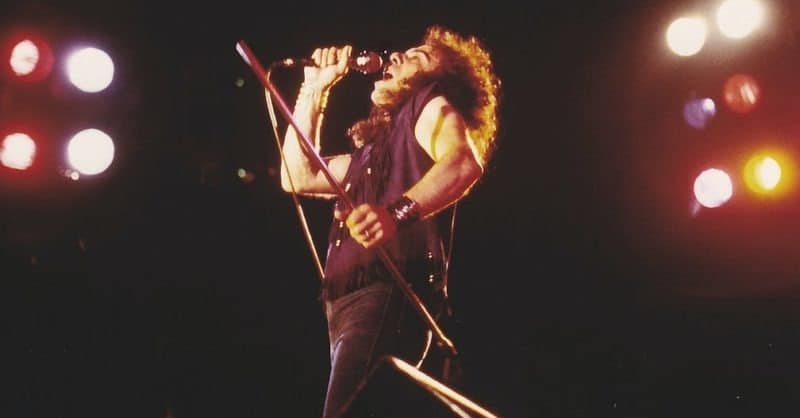
Ronnie James Dio was a towering figure in the world of heavy metal music, renowned for his powerful, operatic vocal range and pioneering contributions to the genre. Born Ronald James Padavona on July 10, 1942, in Portsmouth, New Hampshire, Dio embarked on a musical journey that would span over five decades, leaving an indelible mark on heavy metal and rock music. He first gained prominence as the lead singer of Ritchie Blackmore’s Rainbow in the 1970s, where his rich, emotive voice and mythologically themed lyrics helped to define the band’s sound.
In 1979, Dio replaced Ozzy Osbourne as the frontman of Black Sabbath, contributing to the band’s resurgence with albums like “Heaven and Hell” (1980) and “Mob Rules” (1981), which are considered classics of the heavy metal genre. Dio’s tenure with Black Sabbath introduced a more melodic and epic dimension to their music, showcasing his distinctive vocal prowess and lyrical depth.
In 1982, Dio formed his eponymous band, Dio, further cementing his status as a heavy metal icon. Hits such as “Holy Diver,” “Rainbow in the Dark,” and “The Last in Line” became anthems of the metal genre, celebrated for their powerful riffs, soaring vocals, and fantastical imagery.
Dio was not only revered for his vocal talent but also for popularizing the “devil horns” hand gesture in rock culture. His legacy extends beyond his music; Dio was a passionate advocate for his fans and a mentor to emerging artists. Ronnie James Dio passed away on May 16, 2010, but his music and influence endure, immortalizing him as one of the greatest voices in heavy metal history.
1. “Rainbow in the Dark”
“Rainbow in the Dark” is one of Ronnie James Dio’s most iconic and enduring songs, serving as a cornerstone track of the heavy metal genre. Released in 1983 on Dio’s debut solo album, “Holy Diver,” the song showcases Dio’s powerful vocal range, masterful storytelling, and the band’s tight musicianship. The track stands out for its memorable melody, anthemic chorus, and the striking use of synthesizers—a somewhat unconventional choice in heavy metal at the time—that added a unique texture to the song’s sound.
Lyrically, “Rainbow in the Dark” explores themes of isolation, inner strength, and the search for light in the darkness, with Dio’s evocative lyrics painting vivid images that resonate with listeners. The song’s title and chorus suggest the idea of finding hope and color in bleak or challenging situations, a message that has inspired countless fans worldwide.
The guitar work by Vivian Campbell is notable for its powerful riffs and melodic solo, perfectly complementing Dio’s vocal delivery. The rhythm section, driven by bassist Jimmy Bain and drummer Vinny Appice, provides a solid foundation that propels the song forward, making it an unforgettable anthem of the rock and metal scenes.
“Rainbow in the Dark” received critical acclaim and remains one of Dio’s most popular songs, often cited as a favorite among fans and a staple of his live performances. The song’s enduring appeal lies in its combination of musical prowess, emotional depth, and the universal message of hope and resilience, encapsulating the essence of Ronnie James Dio’s legendary status in the world of heavy metal.
2. “Holy Diver”
“Holy Diver” is the title track from Dio’s debut album, released in 1983. Dio, fronted by legendary heavy metal vocalist Ronnie James Dio, emerged as a powerful force in the metal genre, and “Holy Diver” quickly became one of the band’s most iconic songs. Ronnie James Dio had previously been a member of Black Sabbath and Rainbow, and his distinctive voice and thematic lyricism had already made him a prominent figure in heavy metal.
The song “Holy Diver” features powerful guitar riffs, driving bass lines, and Dio’s soaring vocals. The lyrics are rich in imagery and fantasy themes, which became characteristic of Dio’s music. The song tells a somewhat cryptic tale that can be interpreted in various ways, but it often thought to explore themes of good versus evil and the journey of a hero.
The album cover art, depicting a priest-like figure drowning in a chain, further contributed to the song’s mystique and the band’s image. “Holy Diver” and the album of the same name were critical and commercial successes, establishing Dio as a leading act in the 1980s heavy metal scene.
The song has endured as a classic of the heavy metal genre, celebrated for its memorable melody, compelling lyrics, and the powerful performance of Ronnie James Dio. “Holy Diver” has been covered by numerous artists and continues to be a staple in the heavy metal repertoire, showcasing the lasting impact of Dio’s music and its influence on the genre.
3. “The Last in Line”
“The Last in Line” is a song by the heavy metal band Dio, serving as the title track of their second studio album, released in 1984. Ronnie James Dio, the band’s lead vocalist and namesake, was known for his powerful voice and for popularizing the “metal horns” hand gesture. Before forming Dio, he had significant stints with Rainbow and Black Sabbath, contributing to the development of the heavy metal genre.
“The Last in Line” is both a critical and fan favorite within Dio’s discography, known for its melodic hooks, powerful vocals, and evocative lyrics. The song delves into themes of power, isolation, and the struggle between good and evil, common motifs in Dio’s work. Its lyrics speak to the idea of the downtrodden and overlooked rising to prominence and strength, encapsulated in the line, “We’re off to the witch, we may never never never come home, But the magic that we’ll feel is worth a lifetime.”
Musically, “The Last in Line” features driving guitar riffs, prominent bass lines, and dynamic drumming, characteristic of the heavy metal sound of the 1980s. The song’s structure showcases a blend of hard-hitting verses and anthemic choruses, highlighted by Ronnie James Dio’s iconic vocal delivery.
The album “The Last in Line” was both a commercial and critical success, further establishing Dio as a leading band in the heavy metal genre. The song “The Last in Line,” alongside other tracks from the album, has been celebrated for its contribution to the evolution of metal, demonstrating Dio’s ability to weave together complex narratives with memorable melodies.
“The Last in Line” remains a staple in the heavy metal genre, often performed in Dio’s live shows until Ronnie James Dio’s death in 2010. The song’s enduring popularity is a testament to its impactful lyrics, compelling composition, and Dio’s lasting legacy as one of heavy metal’s most influential and revered figures.
4. “Heaven and Hell” (with Black Sabbath)
“Heaven and Hell” is a seminal song and title track from Black Sabbath’s ninth studio album, released in 1980. This album marked a significant turning point for the band, as it was the first to feature Ronnie James Dio as the lead vocalist, following Ozzy Osbourne’s departure. Dio’s powerful and distinctive voice brought a new dimension to Black Sabbath’s sound, helping to usher in a new era for the band.
The song “Heaven and Hell” is celebrated for its epic structure, profound lyrical content, and dynamic range. It showcases the band’s ability to blend heavy metal with thematic depth, exploring the dualities of good and evil, and the choices that define one’s destiny. The track is driven by Tony Iommi’s masterful guitar riffs, Geezer Butler’s solid bass lines, and Bill Ward’s precise drumming, all of which lay a powerful foundation for Dio’s soaring vocals.
Lyrically, “Heaven and Hell” reflects on the human condition, morality, and the existential choices between right and wrong. The memorable chorus, “It’s heaven and hell,” is both a warning and a reflection on the consequences of our actions. The song’s composition, featuring a slow build-up that leads to an explosive climax, has made it a classic within the heavy metal genre.
“Heaven and Hell” has become one of Black Sabbath’s most beloved tracks, often highlighted as a high point in the band’s discography. It solidified Dio’s position as a formidable force in heavy metal and showcased the band’s continued relevance and evolution in the music world. The song remains a staple of Black Sabbath’s live performances and a favorite among fans, embodying the timeless appeal and innovative spirit of the band.
5. “Man on the Silver Mountain” (with Rainbow)
“Man on the Silver Mountain” is a classic rock song by Rainbow, featured on their debut album “Ritchie Blackmore’s Rainbow,” released in 1975. The band was formed by guitarist Ritchie Blackmore after he left Deep Purple, and “Man on the Silver Mountain” is considered one of Rainbow’s signature songs, as well as a defining track of the rock and heavy metal genres of the era.
The song showcases the powerful vocals of Ronnie James Dio, who was the band’s lead singer at the time, and the masterful guitar work of Ritchie Blackmore. The lyrics, penned by Dio, are filled with mystical and fantasy themes, speaking to the ambition and aspiration of reaching the metaphorical silver mountain, a place of power, success, and enlightenment. This theme of a quest for greatness and transcendence became a recurrent motif in Dio’s later work, both with Rainbow and in his solo career.
Musically, “Man on the Silver Mountain” features driving guitar riffs, solid bass lines, and energetic drumming, combined with Dio’s commanding vocal performance. The song’s structure, blending hard rock and early heavy metal elements, contributed to its wide appeal and helped establish Rainbow as a major force in the rock music scene.
“Man on the Silver Mountain” has been widely praised for its influence on the development of heavy metal and is celebrated for its memorable melody, compelling lyrics, and the powerful synergy between Blackmore and Dio. The song remains a fan favorite and a staple in the repertoire of classic rock and heavy metal music, showcasing the immense talent of its creators and their lasting impact on the genre.
6. “Neon Knights” (with Black Sabbath)
“Neon Knights” is a high-energy track that opens Black Sabbath’s seminal album “Heaven and Hell,” released in 1980. This song marked the beginning of a new era for the band, featuring Ronnie James Dio’s debut as lead vocalist after Ozzy Osbourne’s departure. “Neon Knights” is often celebrated for its brisk pace and powerful riffing, a departure from the band’s earlier, doom-laden sound, showcasing a rejuvenated Black Sabbath embracing the vibrant energy of the New Wave of British Heavy Metal movement.
The song features Tony Iommi’s masterful guitar work, characterized by driving riffs and melodic solos, Geezer Butler’s dynamic bass lines, and Bill Ward’s forceful drumming, all of which provide a solid foundation for Dio’s commanding vocal performance. The lyrics of “Neon Knights” weave a narrative filled with fantastical imagery and themes of battle, valor, and resilience, emblematic of Dio’s penchant for mythological and medieval motifs.
“Neon Knights” was a commercial and critical success, quickly becoming a fan favorite and a staple of Black Sabbath’s live performances. The song’s energetic tempo and anthemic chorus contributed to its lasting appeal, serving as a powerful opener for both the “Heaven and Hell” album and the band’s concerts during this period.
The inclusion of “Neon Knights” in the “Heaven and Hell” album not only highlighted Black Sabbath’s ability to evolve musically but also demonstrated the seamless integration of Dio’s distinctive voice and lyrical themes into the band’s sound. The track remains a celebrated piece of heavy metal history, exemplifying the successful fusion of Black Sabbath’s foundational influence with Dio’s unique artistic vision.
7. “Stargazer” (with Rainbow)
“Stargazer” is a monumental song by Rainbow, featured on their 1976 album “Rising.” This epic track is often cited as one of the greatest examples of the fusion between hard rock and symphonic music, showcasing the band’s ambitious musical direction and the extraordinary talents of its members, including guitarist Ritchie Blackmore and vocalist Ronnie James Dio.
The song narrates a compelling story inspired by fantasy and ancient mythology, focusing on the tale of a wizard who enslaves people to build a tower that can reach the stars. Dio’s powerful and emotive storytelling through his lyrics and vocal delivery brings this tale to life, while Blackmore’s guitar work ranges from hard-hitting riffs to more melodic passages, creating a rich and dynamic musical landscape.
“Stargazer” also features a grandiose orchestral arrangement, contributed by the Munich Philharmonic Orchestra, adding to the song’s epic scale and intensity. Cozy Powell’s thunderous drumming further elevates the track, making it one of the most dramatic and powerful pieces in Rainbow’s catalog.
The song is celebrated not only for its ambitious composition and lyrical depth but also for its influence on the development of progressive metal and symphonic metal genres. “Stargazer” stands as a testament to Rainbow’s creativity and their ability to push the boundaries of rock music, combining elements of classical music with heavy metal to create a unique and unforgettable sonic experience.
Over the years, “Stargazer” has maintained its status as a classic of the rock genre, revered by fans and musicians alike for its complexity, emotional depth, and the extraordinary performances of its creators. It remains one of the highlights of Ronnie James Dio’s career and a cornerstone of Ritchie Blackmore’s musical legacy with Rainbow.
8. “Stand Up and Shout”
“Stand Up and Shout” is an energetic and anthemic song by Dio, the band led by legendary heavy metal vocalist Ronnie James Dio. It appears as the opening track on the band’s debut album, “Holy Diver,” released in 1983. The song encapsulates the spirit of heavy metal with its powerful riffs, driving rhythm, and Dio’s commanding vocal performance.
Lyrically, “Stand Up and Shout” is a call to action, encouraging listeners to assert themselves, fight for their beliefs, and refuse to be silenced. The song’s message of empowerment and resilience resonated with fans and became a rallying cry for the heavy metal community. Its lyrics, “You’ve got desire, so let it out. You’ve got the power, stand up and shout,” emphasize self-confidence and the power of individual expression.
Musically, “Stand Up and Shout” features the signature sound that would define Dio’s music: fast-paced guitar solos by Vivian Campbell, solid bass lines, and aggressive drumming, all anchored by Ronnie James Dio’s powerful and distinctive voice. The song’s high energy and motivational lyrics make it a perfect opener for the “Holy Diver” album, setting the tone for the rest of the record.
“Stand Up and Shout” has become one of Dio’s most beloved tracks, often featured in the band’s live performances. Over the years, it has been celebrated not only for its musical prowess but also for its inspirational message, securing its place as a classic anthem in the heavy metal genre. The song’s enduring popularity is a testament to Ronnie James Dio’s legacy as one of the most influential and respected figures in rock and heavy metal music.
9. “Die Young” (with Black Sabbath)
“Die Young” is a standout track from Black Sabbath’s 1980 album “Heaven and Hell,” the first to feature Ronnie James Dio as the lead vocalist. This song encapsulates the rejuvenated energy and creative synergy that Dio brought to the band, blending Black Sabbath’s signature heavy metal sound with Dio’s powerful vocal delivery and thematic depth.
The song starts with an atmospheric, almost ethereal intro, featuring Tony Iommi’s clean guitar work, before launching into a hard-hitting riff that sets the tone for the rest of the track. “Die Young” showcases the band’s musical prowess, with Iommi’s guitar solos, Geezer Butler’s driving bass lines, and Bill Ward’s dynamic drumming creating a powerful and compelling backdrop for Dio’s vocals.
Lyrically, “Die Young” explores themes of mortality, the fleeting nature of life, and the desire to live fully despite the inevitability of death. Dio’s performance conveys a sense of urgency and defiance, encouraging listeners to seize the day and embrace life’s moments. The song’s blend of hard rock and philosophical lyrics exemplifies the innovative direction Black Sabbath took with Dio at the helm, resulting in a track that is both thought-provoking and viscerally engaging.
“Die Young” has become one of the highlights of the “Heaven and Hell” album and is often cited as a favorite among fans of the Dio era of Black Sabbath. Its enduring popularity is a testament to the song’s impactful message, memorable melodies, and the band’s ability to evolve and adapt to new influences while staying true to their heavy metal roots.
10. “Children of the Sea” (with Black Sabbath)
“Children of the Sea” is a song by the iconic heavy metal band Black Sabbath, featured on their ninth studio album, “Heaven and Hell,” released in 1980. This album marked a significant turning point for the band, as it was the first to feature Ronnie James Dio as the lead vocalist, following Ozzy Osbourne’s departure. Dio’s arrival brought a new dimension to Black Sabbath’s sound, with “Children of the Sea” showcasing the powerful combination of Dio’s dynamic vocal range and the band’s heavy, doom-laden musical style.
The song begins with a hauntingly beautiful acoustic guitar intro, setting a somber and mystical tone before transitioning into the heavy, riff-driven passages that characterize much of Black Sabbath’s work. Lyrically, “Children of the Sea” is thought to be a reflection on the loss of innocence and the environmental degradation of the Earth, themes that resonated with the growing awareness of ecological issues at the time.
Dio’s lyrics and vocal delivery add a layer of depth and complexity to the song, with his ability to convey emotion and weave narrative making “Children of the Sea” one of the standout tracks on the “Heaven and Hell” album. The song is a fan favorite and is often cited as one of the highlights of Dio’s tenure with Black Sabbath, demonstrating the successful fusion of his distinctive vocal style with the band’s pioneering heavy metal sound.
“Children of the Sea” remains a powerful example of Black Sabbath’s musical evolution and is celebrated for its combination of melodic introspection and heavy metal power. The collaboration between Dio and Black Sabbath members Tony Iommi, Geezer Butler, and Bill Ward resulted in an album and songs that have had a lasting impact on the heavy metal genre, with “Children of the Sea” standing as a testament to their collective genius.

Edward Tomlin is a frequent contributor to Singers Room. Since 2005, Singersroom has been the voice of R&B around the world. Connect with us via social media below.









