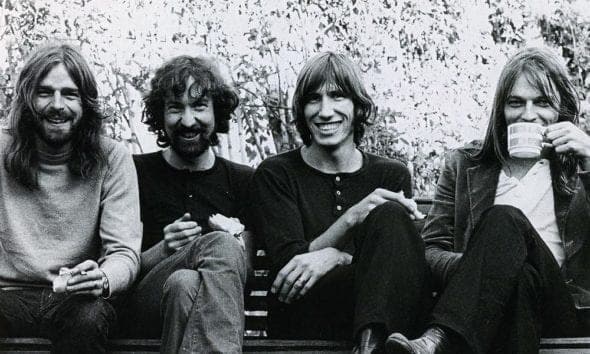
Pink Floyd, an iconic band that transcended the boundaries of rock to explore the depths of experimental and psychedelic music, has left an indelible mark on the landscape of modern music. Formed in the mid-1960s, the band’s innovative sound, thought-provoking lyrics, and visually stunning live performances have captivated audiences worldwide, making them one of the most influential and commercially successful groups in music history. Their discography is a testament to their artistic evolution, from the psychedelic whimsy of their early work to the lush, complex soundscapes of their later albums. Pink Floyd’s songs often delve into themes of conflict, human experience, and the broader existential questions that challenge our understanding of the world around us. This has not only earned them critical acclaim but also a dedicated fan base that spans generations. Choosing the top 10 best Pink Floyd songs of all time is no small feat; it involves sifting through an impressive catalogue of music that has, over the years, become synonymous with musical genius. Each track represents a chapter in the band’s storied career, from the Syd Barrett-led psychedelic innovations of the late 60s to the Roger Waters-driven conceptual masterpieces of the 70s, and beyond. This article aims to highlight the crème de la crème of Pink Floyd’s oeuvre, focusing on those songs that have not only defined the band’s sound but also had a significant impact on the fabric of popular music. Through a combination of fan favorites, critical darlings, and landmark tracks that broke new ground, we will embark on a journey through the heart and soul of Pink Floyd’s musical legacy.
1. Wish You Were Here
“Wish You Were Here,” by Pink Floyd, stands as a monumental piece in the annals of rock music, encapsulating the essence of longing and existential reflection. Released in 1975 as the title track of the album with the same name, it was crafted as a tribute to Syd Barrett, the band’s original frontman whose mental health struggles led to his departure from the group. The song’s poignant lyrics, combined with its hauntingly beautiful guitar intro, weave a tapestry of sorrow and introspection, resonating deeply with listeners worldwide. David Gilmour’s iconic four-note guitar motif opens the piece, setting a somber tone that is both ethereal and profoundly touching, while the lyrics, co-written by Gilmour and Roger Waters, express a deep sense of loss and yearning for connection.
The composition’s structure, blending acoustic and electric elements, showcases Pink Floyd’s innovative approach to music production and their ability to convey complex emotional landscapes through sound. The song’s enduring appeal lies in its universal themes of nostalgia, friendship, and the human condition, making it a timeless classic. Over the years, “Wish You Were Here” has not only become a staple of Pink Floyd’s live performances but also a cultural touchstone, often cited as one of the greatest rock songs of all time. Its influence extends beyond music, inspiring artists across various mediums to explore themes of absence, memory, and the bittersweet nature of human relationships.
2. Echoes
“Echoes,” a masterpiece from Pink Floyd’s 1971 album “Meddle,” is an epic composition that showcases the band’s experimental brilliance and musical depth. Spanning over 23 minutes, this magnum opus is a journey through an array of sonic landscapes, melding progressive rock with elements of space rock and psychedelia. The song begins with a sonar-like ping, creating an immersive underwater atmosphere that sets the stage for a voyage into the unknown. This distinctive sound, achieved through innovative studio techniques, marks the beginning of a seamless fusion of instrumental virtuosity and lyrical poetry. The lyrics, penned by Roger Waters, explore themes of unity and connection across the vastness of the human experience, mirroring the song’s expansive musical exploration.
“Echoes” is a testament to Pink Floyd’s collaborative genius, with each band member contributing to its intricate arrangement and rich textures. Richard Wright’s ethereal keyboard layers, David Gilmour’s soaring guitar solos, Roger Waters’ pulsating bass lines, and Nick Mason’s dynamic percussion work together to create a piece that is both complex and captivating. The middle section of the song plunges into an avant-garde, almost abstract, musical interlude, reflecting the band’s willingness to push the boundaries of rock music. This section eventually gives way to a triumphant return to the song’s main themes, culminating in a powerful crescendo that encapsulates the band’s ability to evoke deep emotional responses. “Echoes” remains a cornerstone of Pink Floyd’s discography, illustrating their unparalleled capacity to blend artistic ambition with musical innovation, making it one of the most profound and enduring pieces in the history of rock music.
3. Shine On You Crazy Diamond
“Shine On You Crazy Diamond,” a nine-part composition by Pink Floyd, is a poignant homage to Syd Barrett, the band’s former lead guitarist and founding member whose decline in mental health led to his departure. Spanning the length of their 1975 album “Wish You Were Here” across two parts—Parts I-V opening the album and Parts VI-IX concluding it—this piece is both a tribute and a meditation on loss, talent, and the impact of Barrett’s genius and tragedy on the band. The song’s title reflects Barrett’s bright but erratic brilliance, likened to a diamond that shines intensely yet unpredictably. Musically, “Shine On You Crazy Diamond” is a masterclass in progressive rock, characterized by its extended instrumental passages, innovative use of synthesizers and saxophone, and Gilmour’s emotive guitar work. The intro, featuring a slow build-up with Wright’s ethereal keyboards and Gilmour’s hauntingly beautiful guitar notes, sets a contemplative mood that captivates the listener from the outset.
Lyrically, Waters’ words convey a deep sense of personal loss and reflection on the fragility of genius, making “Shine On You Crazy Diamond” not just a song but a heartfelt message to a lost friend. The composition’s structure allows for a vast emotional range, from melancholy to reverence, encapsulating the band’s feelings towards Barrett’s absence. As a piece, it represents Pink Floyd’s thematic and musical zenith, blending their early psychedelic influences with the progressive rock sound they had perfected. It stands as a testament to the band’s evolution, their ability to channel personal grief into art, and their enduring influence on music and culture. “Shine On You Crazy Diamond” is not only a highlight of Pink Floyd’s discography but also a monumental piece in the landscape of 20th-century music, resonating with audiences as a universal expression of loss, memory, and undying respect.
4. Dogs
“Dogs,” originally titled “You Gotta Be Crazy,” is a standout track from Pink Floyd’s 1977 album “Animals.” This ambitious piece, extending over seventeen minutes, delves into the cutthroat nature of capitalist society, using dogs as a metaphor for the aggressive, survival-of-the-fittest mentality prevalent in the business world. Composed mainly by Roger Waters and David Gilmour, the song is a critique of the dehumanizing effects of capitalism, portraying a world where ruthlessness and betrayal are necessary for success. Musically, “Dogs” showcases Pink Floyd’s ability to blend complex compositions with deeply meaningful lyrics, featuring an array of acoustic and electric guitar work, synthesizers, and sound effects that enhance the song’s thematic depth.
The structure of “Dogs” is notable for its extended instrumental sections, which include Gilmour’s expressive guitar solos and Wright’s atmospheric keyboard playing, creating a soundscape that reflects the song’s bleak narrative. The lyrics, sung by Gilmour and Waters, weave a story of ambition, corruption, and eventual downfall, encapsulating the loneliness and alienation of those who climb the corporate ladder at the expense of their humanity. The use of voice effects and the haunting presence of a synthesized dog bark add layers of complexity to the song, making it a powerful and unsettling critique of societal values. “Dogs” stands as a testament to Pink Floyd’s musical innovation and their willingness to tackle heavy social and philosophical themes, marking it as one of the most compelling and thought-provoking tracks in their discography.
5. Hey You
“Hey You,” a track from Pink Floyd’s monumental 1979 double album “The Wall,” serves as a hauntingly introspective piece that delves deep into themes of isolation and despair. Positioned as the opening track of the second disc, it directly addresses the metaphorical and physical walls that individuals build around themselves, both to protect and isolate. Roger Waters, the band’s bassist and primary lyricist during this period, penned the song, encapsulating the sense of disconnection and longing for human contact that pervades the album’s narrative. “Hey You” is a poignant appeal to the outside world from behind the barriers we erect, both literal and figurative, exploring the human condition with profound sensitivity.
Musically, “Hey You” is characterized by its stark contrast between the verses’ gentle, acoustic beginnings and the powerful, full-band dynamics in the choruses and bridge. David Gilmour’s expressive guitar solos and Waters’ compelling vocal delivery enhance the song’s emotional weight, while Richard Wright’s keyboard work adds depth and texture to the arrangement. The song’s structure, with its blend of soft introspection and rising intensity, mirrors the fluctuating hope and despair of attempting to breach the walls that divide us. “Hey You” stands as a testament to Pink Floyd’s ability to weave complex themes of alienation, conflict, and the search for connection into their music, making it one of the most enduring and resonant songs in their extensive catalog.
6. Comfortably Numb
“Comfortably Numb,” one of Pink Floyd’s most iconic and enduring tracks, appears on their 1979 album “The Wall.” This song has captivated audiences worldwide with its profound exploration of isolation and detachment, themes central to the album’s narrative. It features a compelling dialogue between the protagonist, Pink, and a doctor, which metaphorically addresses the numbing effects of societal pressures and the loss of personal connection. Roger Waters, the band’s principal lyricist, and David Gilmour, whose guitar solos in the song are among the most celebrated in rock history, co-wrote “Comfortably Numb.” These solos are often cited for their emotional depth and technical brilliance, serving as climactic points that enhance the song’s narrative and emotional impact.
The song’s musical arrangement is notable for its lush layers of synthesizers, provided by Richard Wright, which create a dreamlike atmosphere that complements the lyrical content’s introspective quality. Gilmour’s and Waters’ vocal exchanges embody the song’s thematic dichotomy, with Gilmour’s soothing melodies contrasting against Waters’ more stark, narrative-driven approach. “Comfortably Numb” is a masterful depiction of disassociation and the human desire to escape pain, rendered with Pink Floyd’s signature blend of poetic lyrics and sonic excellence. Over the years, it has not only become a staple of the band’s live performances but also a cultural touchstone, reflecting on the universal quest for solace in the face of overwhelming emotional distress.
7. Time
“Time,” from Pink Floyd’s groundbreaking 1973 album “The Dark Side of the Moon,” is a profound meditation on the passage of time and the human tendency to let life slip away unremarked. This track is distinguished by its introspective lyrics, innovative sound design, and the existential themes it explores. The song begins with an assembly of clock sounds, meticulously recorded and arranged by drummer Nick Mason, creating a compelling introduction that thrusts the listener into the heart of the song’s message: time waits for no one. The clocks’ cacophony symbolizes the relentless march of time, leading into a powerful rock arrangement that showcases the band’s musical prowess.
Roger Waters, the band’s bassist and primary lyricist, penned the song’s reflective lyrics, which lament the ease with which one can become complacent in life, only to realize too late that time has slipped away. David Gilmour’s vocals, filled with a sense of urgency and reflection, convey the song’s message with poignant clarity, while his guitar solos are among the most emotive and technically proficient in the band’s catalogue. Rick Wright’s keyboard work adds a layer of melancholic beauty to the song, enhancing its introspective quality. “Time” stands as a stark reminder of life’s fleeting nature, urging listeners to seize the day before it’s too late. Its place in Pink Floyd’s repertoire is not just as a song but as a philosophical statement on the human condition, resonating with audiences across generations and cementing its status as one of the band’s most powerful and enduring works.
8. Money
“Money,” a standout track from Pink Floyd’s 1973 album “The Dark Side of the Moon,” is a scathing critique of capitalism and the greed that drives it. Opening with the distinctive sound of cash registers and coins clinking, the song immediately sets the tone for its exploration of the materialistic obsession that pervades society. This sound effect, ingeniously looped to create the song’s rhythm, underscores the central theme of money’s pervasive influence. Roger Waters, the band’s principal lyricist and bassist, penned the lyrics, which satirize the accumulation of wealth and its corrupting power, presenting a cynical view of the pursuit of financial success.
Musically, “Money” is notable for its unusual 7/4 time signature during the verses, which contributes to the song’s distinctive feel, before transitioning to a more conventional 4/4 time for the solos. This rhythmic complexity, paired with David Gilmour’s sharp, expressive guitar work and the saxophone solo by Dick Parry, adds a layer of sophistication to the song’s critique of consumerism. The interplay between the band members showcases Pink Floyd’s ability to merge complex musical ideas with thought-provoking lyrics, making “Money” not only a rock anthem but also a commentary on the socio-economic conditions of the time.
“Money” has since become one of Pink Floyd’s most famous tracks, appreciated both for its musical innovation and its incisive commentary on the nature of wealth and human desire. Its relevance endures, reflecting the ongoing dialogue about the role of money in society and the ethical considerations of wealth accumulation. As part of “The Dark Side of the Moon,” “Money” contributes to the album’s legendary status, offering a critical perspective on the dark side of human nature and the societal constructs that shape our lives.
9. Another Brick In The Wall (Part 2)
“Another Brick in the Wall (Part 2),” the most famous segment of a three-part composition from Pink Floyd’s 1979 album “The Wall,” stands as a vehement critique of the rigid and repressive education system. This song became an anthem of rebellion and a symbol of resistance against authoritarianism, particularly in the context of schooling. Roger Waters, who conceived the album’s narrative, drew from his own experiences to critique the way educational institutions can stifle creativity and enforce conformity. The song’s chorus, “We don’t need no education, we don’t need no thought control,” became iconic, encapsulating the sentiment of disillusionment with authoritative structures.
Musically, “Another Brick in the Wall (Part 2)” is distinguished by its memorable bassline, a haunting guitar solo by David Gilmour, and the striking inclusion of a children’s choir from a local school, which adds a powerful layer of irony and impact to the critique. The song’s blend of rock elements with the choir’s innocent yet defiant voices creates a compelling contrast that emphasizes the song’s message. The production, led by Bob Ezrin, was instrumental in crafting the song’s sound, pushing the band to incorporate elements like the disco-inspired beat that made it accessible and helped it to achieve massive commercial success.
“Another Brick in the Wall (Part 2)” not only topped charts worldwide but also became a rallying cry for those feeling oppressed by the educational system and other authoritarian institutions. Its message of resistance and the demand for personal freedom and expression resonate with listeners across generations, making it one of Pink Floyd’s most enduring and culturally significant tracks. The song’s legacy is a testament to the band’s ability to combine profound lyrical themes with innovative music, leaving a lasting impact on the landscape of rock and beyond.
10. Us And Them
“Us and Them,” from Pink Floyd’s seminal 1973 album “The Dark Side of the Moon,” is a poignant reflection on conflict, division, and the human condition. This track stands out for its lyrical exploration of the arbitrary nature of conflict and the common humanity that unites us all, despite the divisions we face. Written by Roger Waters and Richard Wright, the song’s genesis dates back to an earlier composition for the soundtrack of the film “Zabriskie Point,” but it found its perfect home in the thematic context of “The Dark Side of the Moon.” The lyrics, penned by Waters, question the reasons behind conflict and the dichotomy of “us” versus “them,” urging a recognition of shared human experiences and emotions.
Musically, “Us and Them” is distinguished by Wright’s lush, atmospheric keyboard work and the soulful saxophone solos by Dick Parry, which add depth and emotion to the track. David Gilmour’s vocals, ethereal and reflective, perfectly convey the song’s message, while the dynamic shifts between the softer verses and the powerful choruses enhance the thematic contrasts of the lyrics. The use of sound effects and studio techniques contributes to the song’s immersive soundscape, creating a space for contemplation and emotional resonance.
“Us and Them” encapsulates Pink Floyd’s ability to weave complex themes of social and philosophical significance into their music, offering a timeless meditation on the human propensity for division and the possibility of empathy and unity. The song’s enduring appeal lies in its combination of musical innovation, poignant lyrics, and the universal message of peace and understanding, marking it as a highlight of Pink Floyd’s discography and a profound contribution to the canon of rock music.

Samuel Moore is a frequent contributor to Singers Room. Since 2005, Singersroom has been the voice of R&B around the world. Connect with us via social media below.









