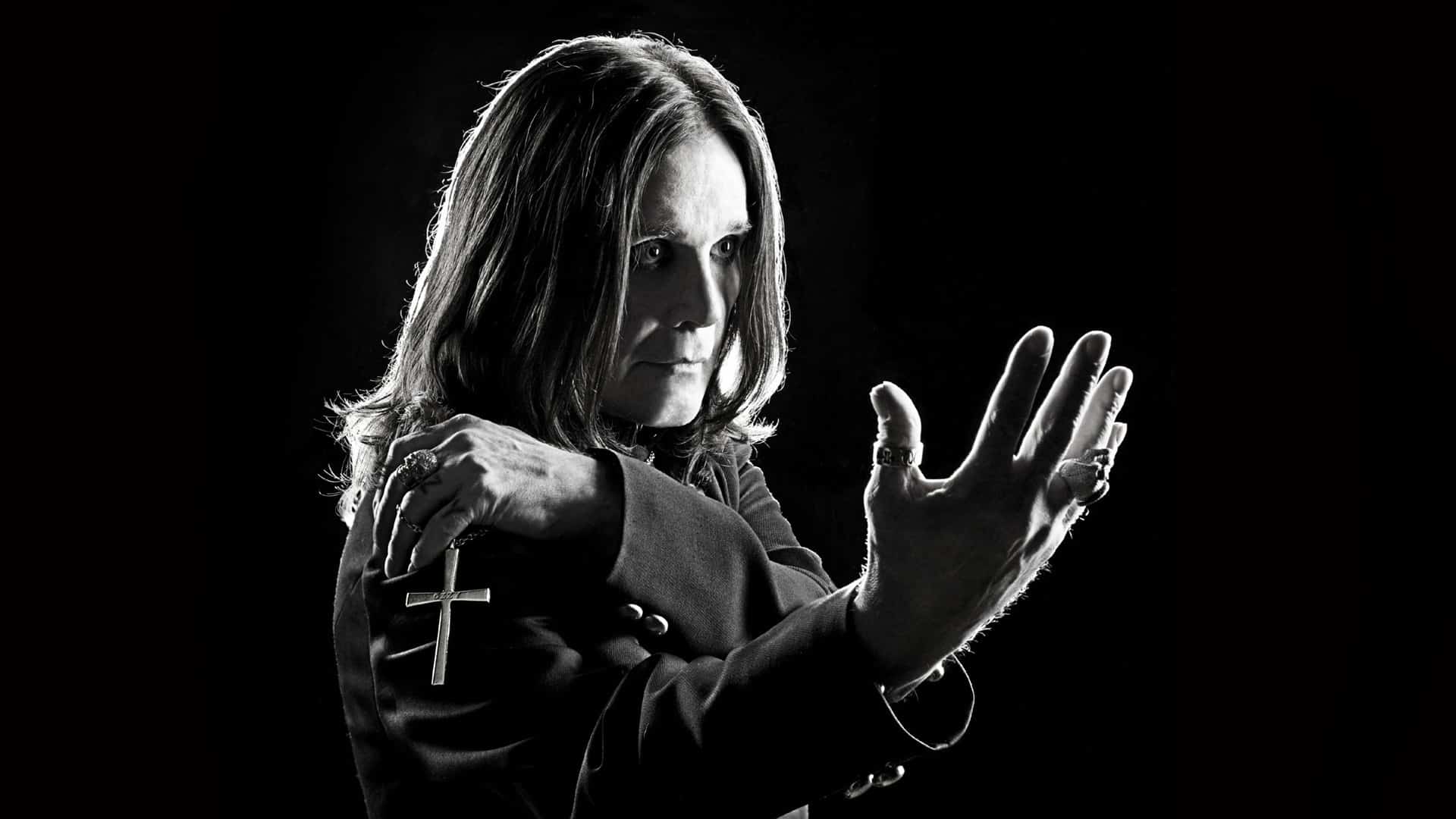
Ozzy Osbourne, born John Michael Osbourne on December 3, 1948, is a pioneering British rock vocalist and iconic figure in the heavy metal genre. Widely known as the “Prince of Darkness,” Osbourne rose to fame as the lead singer of the legendary band Black Sabbath in the early 1970s. His distinct, howling vocals and charismatic stage presence played a pivotal role in defining the sound of heavy metal.
Beyond his contributions to Black Sabbath, Osbourne’s solo career has been equally influential. His debut solo album, “Blizzard of Ozz” (1980), featured the iconic track “Crazy Train” and solidified his reputation as a solo artist. Throughout the decades, Osbourne continued to release successful albums, earning him a dedicated fan base.
Osbourne’s career is also marked by his larger-than-life persona, with his wild antics both on and off the stage contributing to his status as a rock and roll icon. His reality TV show, “The Osbournes,” offered fans a glimpse into his family life, further cementing his place in popular culture.
Despite battles with substance abuse and health challenges, Osbourne remains a resilient figure in the music industry, celebrated for his distinctive voice, dark lyrical themes, and lasting impact on the evolution of heavy metal. His legacy as a pioneer and enduring force in rock and metal music is etched into the annals of musical history.
1. “Road To Nowhere”
“Road to Nowhere” is a song by the Talking Heads, released in 1985 as part of their album “Little Creatures.” It’s a quirky and upbeat track that encapsulates the band’s signature sound and frontman David Byrne’s distinctive vocal style.
The song features a catchy melody, infectious rhythm, and clever lyrics that play with the theme of life’s journey and the uncertainties that come with it. The upbeat and almost whimsical musical arrangement contrasts with the existential reflections in the lyrics, creating a dynamic and intriguing listening experience.
“Road to Nowhere” has a sense of irony and playfulness, with Byrne’s vocals delivering the lyrics in a way that captures both a sense of resignation and an embracing of life’s unpredictable nature. The accompanying music video, featuring surreal and whimsical imagery, complements the song’s overall quirky vibe.
The track has endured as a fan favorite and remains a standout in the Talking Heads’ discography. Its fusion of upbeat musicality and contemplative lyricism makes “Road to Nowhere” a timeless piece that invites listeners to reflect on life’s journey with a touch of humor and self-awareness.
2. “Mama, I’m Coming Home”
“Mama, I’m Coming Home” is a heartfelt rock ballad by Ozzy Osbourne, released in 1991 as part of his album “No More Tears.” Co-written with Lemmy Kilmister of Motörhead and guitarist Zakk Wylde, the song showcases a softer and more introspective side of the Prince of Darkness.
The song’s lyrics express a sense of longing and the desire to return home to a loved one. The emotional depth of the track is heightened by Osbourne’s soulful vocals and the melodic guitar work by Wylde. The combination of powerful lyrics and a memorable melody has made “Mama, I’m Coming Home” a standout track in Osbourne’s solo career.
The ballad not only showcases Osbourne’s ability to deliver emotionally resonant performances but also highlights his willingness to explore different musical styles beyond his heavy metal roots. The song’s success and enduring popularity have solidified its place as one of Osbourne’s most beloved and iconic tracks.
Whether you’re a longtime fan or discovering it for the first time, “Mama, I’m Coming Home” remains a poignant and powerful ballad that captures the essence of love, homecoming, and the softer side of the legendary Ozzy Osbourne.
3. “Shot In The Dark”
“Shot in the Dark” is a classic rock song by Ozzy Osbourne, released in 1986 as the lead single from his fourth studio album, “The Ultimate Sin.” Co-written by Osbourne, along with guitarist Jake E. Lee and bassist Phil Soussan, the song is emblematic of Osbourne’s solo career during the 1980s.
“Shot in the Dark” is characterized by its infectious guitar riff, memorable chorus, and Osbourne’s distinctive vocals. The track showcases Osbourne’s ability to create anthemic, radio-friendly rock with a touch of his signature dark and enigmatic style. The lyrics explore themes of love, desire, and the unpredictability of life, and the chorus features Osbourne’s powerful declaration, “A shot in the dark, one step away from you.”
The song’s success was bolstered by its accompanying music video, which received heavy rotation on MTV. “Shot in the Dark” became one of Osbourne’s most commercially successful singles, reaching high positions on various charts. Despite the controversy surrounding the album’s production and subsequent lineup changes, “The Ultimate Sin” and “Shot in the Dark” contributed significantly to Ozzy Osbourne’s enduring legacy as a solo artist in the realm of heavy metal and hard rock.
4. “Bark At The Moon”
“Bark at the Moon” is a heavy metal anthem and the title track from Ozzy Osbourne’s third studio album, released in 1983. This iconic song marked a pivotal moment in Osbourne’s solo career and showcased the talents of his guitarist at the time, Jake E. Lee.
The track is notable for its ominous and atmospheric intro, which sets the stage for a dark and powerful metal journey. The lyrics of “Bark at the Moon” tell a tale of a creature transforming into a werewolf and the ensuing chaos, blending Osbourne’s fascination with horror themes and the supernatural. The chorus, with Osbourne’s signature howl, features the iconic line, “Bark at the moon.”
The accompanying music video, featuring Osbourne as a mad scientist attempting to bring a deceased rock star back to life, became a staple on MTV, contributing to the song’s popularity. Jake E. Lee’s guitar work, including a memorable solo, adds to the song’s enduring appeal.
“Bark at the Moon” remains a fan favorite and a staple in Ozzy Osbourne’s live performances. It not only solidified Osbourne’s solo career after his departure from Black Sabbath but also became a timeless classic in the heavy metal genre, showcasing Osbourne’s ability to create dark, theatrical, and powerful music that resonates with fans across generations.
5. “Over the Mountain”
“Over the Mountain” is a heavy-hitting track by Ozzy Osbourne, released in 1981 as part of his debut solo album “Diary of a Madman.” The song kicks off with a thunderous guitar riff and sets the tone for a high-energy, hard-hitting rock experience.
Written by Osbourne, bassist Bob Daisley, and guitarist Randy Rhoads, “Over the Mountain” showcases the collaborative brilliance of the musicians involved. Randy Rhoads’ guitar work is particularly noteworthy, featuring intricate and blistering solos that contribute to the song’s overall intensity.
The lyrics of “Over the Mountain” are a blend of fantasy and introspection, with Osbourne’s vocals delivering a powerful and commanding performance. The combination of the driving rhythm section, Rhoads’ guitar mastery, and Osbourne’s distinctive voice creates a dynamic and memorable piece of heavy metal.
As one of the standout tracks on “Diary of a Madman,” “Over the Mountain” has become a classic in Ozzy Osbourne’s discography, showcasing the iconic sound that defined his solo career. Whether you’re a metal enthusiast or exploring Osbourne’s music, this track offers a thrilling and intense journey into the realm of heavy rock.
6. “Mr. Crowley”
“Mr. Crowley” is a classic rock song by Ozzy Osbourne, released in 1980 as part of his debut solo album, “Blizzard of Ozz.” Written by Osbourne, guitarist Randy Rhoads, and bassist/lyricist Bob Daisley, the song is notable for its dark and mysterious atmosphere, both musically and lyrically.
The title and lyrics of “Mr. Crowley” are inspired by the infamous British occultist and ceremonial magician Aleister Crowley. The song delves into themes of the supernatural, mysticism, and the occult, reflecting Osbourne’s interest in darker and esoteric subject matter. The intricate guitar work by Randy Rhoads, including a memorable and intricate solo, adds to the song’s eerie and haunting vibe.
“Mr. Crowley” has become one of Ozzy Osbourne’s signature songs and a staple in his live performances. The track showcases the collaborative chemistry between Osbourne and Rhoads, who tragically died in a plane crash in 1982. Despite its controversial themes, the song has earned critical acclaim for its musical complexity and the powerful vocal delivery by Osbourne.
The legacy of “Mr. Crowley” endures not only as a standout track in Ozzy Osbourne’s solo discography but also as a representation of the artistic heights achieved by Osbourne and his band during the early 1980s. The song’s impact on the heavy metal genre and its continued popularity among fans highlight its significance in the realm of classic rock.
7. “Flying High Again”
“Flying High Again” is a classic rock anthem by Ozzy Osbourne, featured on his 1981 album “Diary of a Madman.” Co-written by Osbourne, bassist Bob Daisley, and guitarist Randy Rhoads, the song is a high-energy ode to the thrill of living life to the fullest.
The track opens with a catchy guitar riff and an infectious groove, setting the stage for Osbourne’s dynamic vocals. Randy Rhoads’ guitar work is once again a standout, featuring impressive solos that add to the song’s overall intensity and excitement.
Lyrically, “Flying High Again” captures the rebellious and carefree spirit of rock and roll, with Osbourne singing about the liberating feeling of being on top of the world. The chorus, with its anthemic declaration of “Oh, no, no, no, no!,” adds to the song’s memorable and sing-along quality.
As part of Osbourne’s solo career, “Flying High Again” has become a fan favorite and a staple in his live performances. The combination of powerful vocals, energetic instrumentation, and a sense of rock rebellion makes it a timeless piece in the heavy metal and classic rock genres. Whether you’re a longtime fan or discovering it for the first time, “Flying High Again” is a thrilling ride that embodies the essence of rock and roll excess.
8. “I Don’t Know”
“I Don’t Know” is a powerful and iconic song by Ozzy Osbourne, released in 1980 as part of his debut solo album, “Blizzard of Ozz.” It’s the opening track of the album and serves as a statement of Ozzy’s solo career after departing from Black Sabbath.
The song kicks off with a distinctive riff and an explosive energy that sets the tone for the entire album. Written by Ozzy Osbourne, guitarist Randy Rhoads, and bassist Bob Daisley, “I Don’t Know” features Rhoads’ masterful guitar work, showcasing his technical prowess and contributing to the song’s hard-hitting sound.
The lyrics convey a sense of confusion and uncertainty, with Osbourne expressing his inner turmoil and existential questioning. The powerful chorus, with Ozzy belting out the words “I don’t wanna live forever,” adds a dramatic and memorable element to the track.
“I Don’t Know” is not only a standout in Osbourne’s solo career but also a key moment in the history of heavy metal. The combination of Osbourne’s distinctive vocals and Rhoads’ guitar wizardry makes this track a timeless classic that continues to resonate with fans of hard rock and metal. Whether you’re a seasoned fan or exploring Ozzy’s early solo work, “I Don’t Know” is a definitive example of the energy and intensity that defines classic heavy metal.
9. “No More Tears”
“No More Tears” is a rock ballad by Ozzy Osbourne, released in 1991 as the title track from his sixth studio album. Co-written by Osbourne, Zakk Wylde (guitarist), and producer John Purdell, the song stands out as one of Osbourne’s most successful and enduring tracks.
The composition is characterized by its melodic and bluesy guitar riff, with Zakk Wylde’s guitar work playing a prominent role. The lyrics, written by Osbourne, reflect a mix of personal introspection and a desire for positive change. The chorus, featuring Osbourne’s emotive vocals, declares the resolve to shed the past and move forward with a sense of liberation.
The success of “No More Tears” can be attributed in part to its crossover appeal, blending hard rock elements with a more accessible, radio-friendly sound. The accompanying music video, featuring a dark and cinematic narrative, further enhanced the song’s popularity.
The album “No More Tears” marked a significant commercial resurgence for Osbourne and showcased his ability to evolve with changing musical trends. The song remains a staple in Osbourne’s live performances, and its enduring popularity underscores its place as a classic in his extensive discography. The combination of powerful lyrics, memorable guitar work, and Osbourne’s iconic vocals makes “No More Tears” a standout track in the rock and metal genres.
10. “Crazy Train”
“Crazy Train” is a thunderous anthem and one of Ozzy Osbourne’s most iconic songs. Released in 1980 as the first single from his debut solo album “Blizzard of Ozz,” the track became a defining moment in the history of heavy metal.
Written by Osbourne, guitarist Randy Rhoads, and bassist Bob Daisley, “Crazy Train” opens with one of the most recognizable guitar riffs in rock history, courtesy of Randy Rhoads. The song’s energetic pace, powerful vocals, and explosive guitar solos contributed to its status as a heavy metal classic.
Lyrically, “Crazy Train” addresses themes of the Cold War and the looming threat of nuclear destruction. The iconic chorus, with Osbourne proclaiming “All aboard! Ha ha ha ha ha ha haaaa!,” has become a rallying cry for rock fans and is often associated with the excitement of live performances.
The combination of Osbourne’s distinctive vocals, Rhoads’ innovative guitar work, and a memorable chorus has cemented “Crazy Train” as a timeless and influential piece in the heavy metal genre. Whether it’s featured in sports arenas, movies, or as the opening track to Ozzy’s concerts, the song’s enduring popularity showcases its impact on the world of rock and metal. All aboard the “Crazy Train”!

Edward Tomlin is a frequent contributor to Singers Room. Since 2005, Singersroom has been the voice of R&B around the world. Connect with us via social media below.









