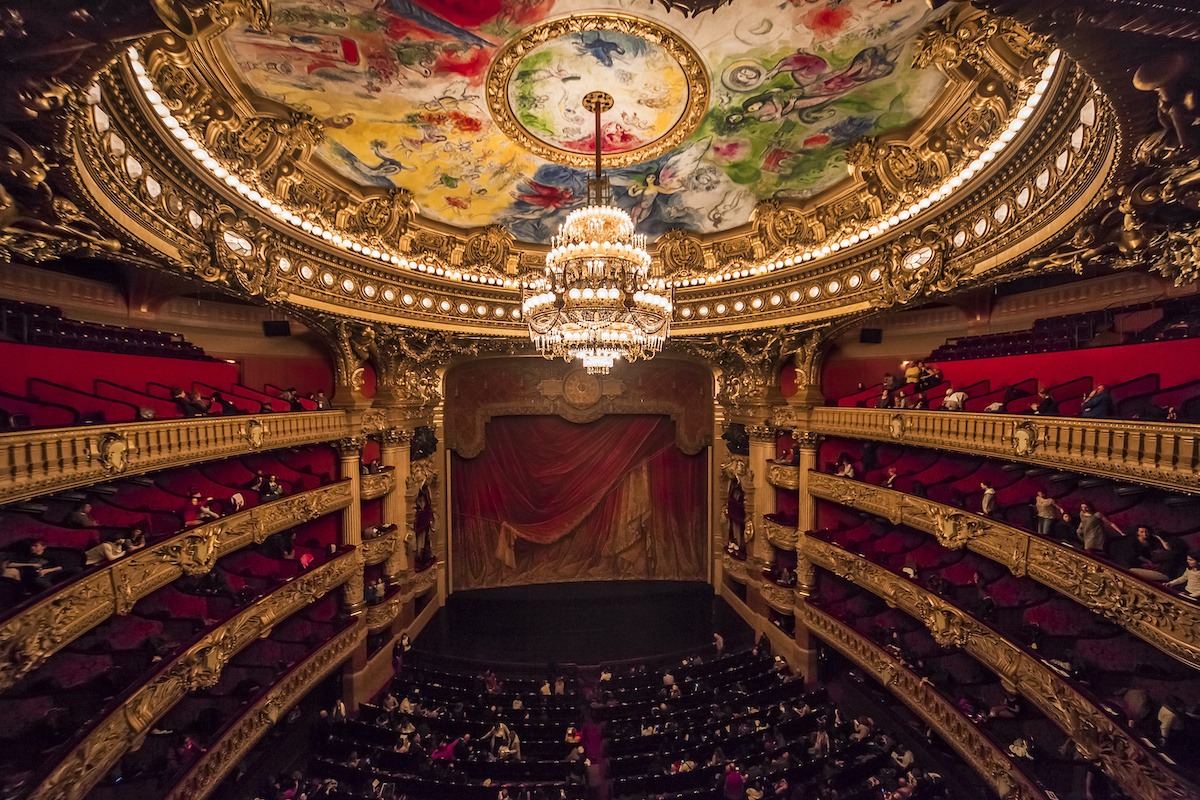
Opera, a captivating blend of music, drama, and visual art, has enchanted audiences for centuries with its powerful vocal performances, intricate compositions, and emotional depth. Traversing through various eras and styles, from the baroque grandeur of Handel to the romantic turmoil of Verdi and the innovative harmonies of Wagner, opera has given birth to some of the most unforgettable and timeless songs in the classical music repertoire. These songs, or arias, stand out not only for their exquisite melodies and vocal demands but also for their ability to convey complex emotions and stories, often encapsulating the essence of an opera in a single, standalone piece. The top 15 best opera songs of all time represent a diverse array of composers, languages, and historical periods, each with its unique charm and historical significance. They include soaring soprano arias that test the limits of the human voice, tender tenor solos that express the depths of love and despair, and dramatic mezzo-soprano and baritone pieces that convey power and vulnerability in equal measure. From Puccini’s heart-wrenching “Nessun Dorma” to Mozart’s playful “Der Hölle Rache,” these pieces have transcended their original operatic contexts to become cultural touchstones, beloved by both classical connoisseurs and casual listeners alike. This article will explore the stories behind these magnificent works, the genius of the composers who created them, and the legendary performers who have brought them to life on the world’s greatest stages. Join us as we embark on a journey through the top 15 best opera songs of all time, a celebration of the enduring power and beauty of opera music.
1. Va, pensiero by Giuseppe Verdi
“Va, pensiero,” also known as the “Chorus of the Hebrew Slaves,” is a poignant piece from Giuseppe Verdi’s opera “Nabucco,” first performed in 1842. This opera marked a significant turning point in Verdi’s career, establishing him as a major figure in the world of opera. The chorus, sung in the third act by Hebrew slaves yearning for their homeland, has transcended its operatic origins to become a symbol of the Italian unification movement, representing the struggle for freedom and the longing for home. Its melody is haunting and evocative, capturing the collective sorrow and hope of a people in exile. The lush orchestration and the powerful, harmonious voices of the chorus blend to create a piece that is both deeply moving and uplifting, reflecting Verdi’s mastery in conveying human emotions through music.
Over the years, “Va, pensiero” has gained an iconic status not just in the realm of opera but also as a piece of cultural heritage. It resonates with audiences worldwide, transcending language and cultural barriers to touch the hearts of listeners with its universal themes of longing, loss, and hope. The song’s popularity is such that it is often performed independently of the opera, featuring in concerts and recitals as a standalone piece. Its ability to evoke deep emotions and its significance in Italian history have cemented “Va, pensiero” as one of the top best opera songs of all time, showcasing Verdi’s genius and the enduring power of opera to convey the deepest human experiences.
2. Una furtiva lagrima by Gaetano Donizetti
“Una furtiva lagrima,” a tender aria from Gaetano Donizetti’s opera “L’elisir d’amore” (“The Elixir of Love”), first performed in 1832, stands as one of the most cherished tenor arias in the operatic repertoire. The aria is sung by Nemorino, a lovesick peasant who believes that a tear shed by his beloved Adina reveals her love for him. This moment of realization is captured in a melody that is both simple and profoundly expressive, showcasing Donizetti’s ability to craft music that speaks directly to the heart. The gentle, flowing lines of the aria, combined with its delicate orchestration, create an atmosphere of tender vulnerability and hopeful longing, encapsulating the sweet pain of unrequited love turning into joy.
“Una furtiva lagrima” embodies the essence of the bel canto tradition, with its emphasis on beautiful singing and emotional expression. The aria requires not just technical prowess but also a deep sensitivity to convey the nuances of Nemorino’s realization and joy. Its popularity extends beyond the opera house, as it has become a showcase piece for tenors in concerts and recitals worldwide. The universal themes of love, longing, and the joy of finding one’s affection reciprocated have made “Una furtiva lagrima” a timeless piece, resonating with audiences long after its first performance. Its enduring appeal lies in its ability to touch the soul with its simplicity and emotional depth, securing its place as one of the top best opera songs of all time.
3. The Toreador Song by Georges Bizet
“The Toreador Song” (“Votre toast, je peux vous le rendre”) is one of the most famous and instantly recognizable arias from Georges Bizet’s opera “Carmen,” first performed in 1875. Sung by the charismatic bullfighter Escamillo, the aria is a vibrant and brash tribute to the life of a toreador, full of danger and excitement. The robust melody, coupled with the rousing chorus that echoes Escamillo’s bravado, creates an atmosphere of anticipation and exhilaration. Bizet’s composition brilliantly captures the essence of the toreador’s world, where courage and love are celebrated with every note. The aria’s rhythm mimics the march-like cadence of a bullfight, making it impossible not to be swept up in its energy.
Beyond its thrilling music, “The Toreador Song” is significant for its role in the opera’s narrative, serving as a catalyst for the drama that unfolds. Escamillo’s confident declaration of a toreador’s life and his allure is pivotal, attracting the attention of Carmen and setting the stage for the tragic love triangle that defines the opera. This song has transcended its operatic roots, becoming a staple in popular culture and a favorite among audiences worldwide, whether they are opera aficionados or newcomers to the genre. Its enduring popularity underscores Bizet’s genius in creating music that is as accessible as it is profound, making “The Toreador Song” one of the top best opera songs of all time, celebrated for its infectious energy and its embodiment of the spirit of the opera.
4. Che gelida manina by Giacomo Puccini
“Che gelida manina” (“What a cold little hand”) is a poignant aria from Giacomo Puccini’s opera “La Bohème,” first performed in 1896. This aria, sung by the poet Rodolfo in the first act, marks the moment he meets Mimì, a seamstress, thus beginning their love story. As Rodolfo holds Mimì’s cold hand to warm it, he sings of his dreams, his life as a poet, and the power of love to transform the mundane into the sublime. The music, rich in melody and emotion, perfectly captures the essence of young love, full of hope and vulnerability. Puccini’s composition showcases his unparalleled ability to convey deep feelings through music, with “Che gelida manina” standing as one of the most expressive and beloved tenor arias in the operatic canon.
The aria’s beauty lies not only in its lyrical melody but also in the way it sets the stage for the relationship between Rodolfo and Mimì, encapsulating the themes of love, art, and the fleeting nature of happiness that pervade “La Bohème.” Its universal appeal has made “Che gelida manina” a favorite among tenors and opera enthusiasts alike, celebrated for its technical challenges and emotional depth. The aria is a testament to Puccini’s genius in creating music that speaks directly to the heart, making “Che gelida manina” a masterpiece of operatic literature and securing its place as one of the top best opera songs of all time.
5. Voi, che sapete by Wolfgang Amadeus Mozart
“Voi, che sapete” is a captivating aria from Wolfgang Amadeus Mozart’s opera “Le Nozze di Figaro” (“The Marriage of Figaro”), first performed in 1786. Sung by the character Cherubino, a young page in love with all the women he meets, the aria is a delicate and expressive exploration of the pains and joys of young love. Cherubino, often portrayed by a female singer performing a “trouser role,” asks the women around him to understand the feelings stirring within him, which he is too inexperienced to fully comprehend. Mozart’s music, with its elegant melody and subtle orchestration, perfectly captures the innocence and confusion of first love, making “Voi, che sapete” one of the most endearing arias in the operatic repertoire.
The aria stands out not only for its beautiful melody but also for its place within the opera’s larger themes of love, desire, and the complexities of human relationships. Mozart’s ability to convey deep emotional truths through music is on full display in “Voi, che sapete,” as the aria resonates with listeners for its heartfelt sincerity and the universality of its sentiments. It remains a favorite among mezzo-sopranos and audiences alike, admired for its lyrical beauty and emotional depth. “Voi, che sapete” is a testament to Mozart’s genius in creating music that speaks to the human condition, securing its place as one of the top best opera songs of all time.
6. E lucevan le stelle by Giacomo Puccini
“E lucevan le stelle,” from Giacomo Puccini’s opera “Tosca,” first performed in 1900, is one of the most emotionally charged arias in the operatic repertoire. Sung by the artist Mario Cavaradossi while he awaits execution, the aria is a poignant reflection on his life and his love for Tosca, filled with despair and longing. Puccini’s composition, with its tender melody and lush orchestration, captures the heart-wrenching beauty of Cavaradossi’s final moments, as he reminisces about the love he shares with Tosca and the cruel fate that awaits him. The aria’s power lies in its ability to convey the depth of human emotion, combining exquisite musical craftsmanship with a profound narrative impact.
“E lucevan le stelle” stands as a masterpiece of operatic expression, showcasing Puccini’s mastery in creating music that deeply moves the listener. The aria is not only a highlight of “Tosca” but also a defining moment in the tenor repertoire, celebrated for its emotional depth and the vocal challenges it presents. Its universal themes of love, loss, and despair resonate with audiences around the world, making it one of the most beloved pieces in all of opera. The haunting beauty of “E lucevan le stelle” ensures its place among the top best opera songs of all time, a testament to Puccini’s genius and the enduring power of opera to capture the complexities of the human experience.
7. Suor Angelica Si, mi chiamano Mimi by Giacomo Puccini
“Si, mi chiamano Mimì” (“Yes, they call me Mimì”) is a touching aria from Giacomo Puccini’s opera “La Bohème,” first performed in 1896. This piece is sung by Mimì, a shy seamstress who introduces herself to Rodolfo, her neighbor and soon-to-be lover, in the opera’s first act. Through the aria, Mimì shares the simple pleasures of her life and her love for the beauty of spring, revealing her delicate and introspective nature. Puccini’s music beautifully encapsulates Mimì’s gentle soul, with a melody that is both intimate and evocative, highlighting her quiet strength and depth of character. The aria sets the tone for Mimì and Rodolfo’s relationship, characterized by its sincerity, warmth, and the tragic fragility of their love.
“Si, mi chiamano Mimì” is celebrated for its lyrical beauty and emotional subtlety, embodying the essence of Puccini’s ability to convey complex human emotions through music. The aria is a favorite among sopranos for its expressive depth and the vocal technique required to convey Mimì’s character. It remains a poignant moment in “La Bohème,” touching audiences with its honesty and vulnerability. The enduring popularity of “Si, mi chiamano Mimì” underscores the universal appeal of Puccini’s music and his mastery of the operatic form, making it one of the most beloved arias in the soprano repertoire.
8. Un bel di vedremo by Giacomo Puccini
“Un bel dì vedremo” is a profoundly moving aria from Giacomo Puccini’s opera “Madama Butterfly,” first performed in 1904. Sung by the opera’s heroine, Cio-Cio-San, a young Japanese geisha who clings to the hope that her American husband, Lieutenant Pinkerton, will return to her as promised, this aria encapsulates the depth of her longing and unwavering faith in love. As she stands watching the harbor, Cio-Cio-San sings of the beautiful day when she will see Pinkerton’s ship on the horizon, returning to her. Puccini’s composition masterfully conveys the poignancy of hope mingled with the heartache of waiting, through a melody that is at once haunting and imbued with a fragile optimism.
“Un bel dì vedremo” stands as one of the most poignant expressions of love and hope in the operatic canon, showcasing Puccini’s gift for crafting music that speaks directly to the human soul. The aria requires not only technical skill but also a deep emotional resonance from the soprano, making it a cornerstone piece for performers and a beloved moment for audiences. Its enduring power lies in its ability to capture the universal themes of love, longing, and the human capacity for faith in the face of uncertainty. Through Cio-Cio-San’s voice, Puccini invites listeners into a world where love’s beauty is matched only by its potential for tragedy, securing “Un bel dì vedremo” a place among the top best opera songs of all time.
9. Vissi d’arte by Giacomo Puccini
“Vissi d’arte” is a poignant aria from Giacomo Puccini’s opera “Tosca,” first performed in 1900. Sung by the opera’s heroine, Floria Tosca, in the second act, this aria is a reflective and deeply emotional soliloquy in which Tosca contemplates her fate and questions why her devotion to art, love, and faith has led her to her current despair. Facing the cruel choice imposed by the villainous police chief Scarpia, Tosca laments her situation through lines that express her confusion and grief over the injustice she is enduring. Puccini’s music for this aria is intensely lyrical and expressive, capturing the depth of Tosca’s anguish and her inner turmoil with a melody that is both beautiful and heartbreaking.
“Vissi d’arte” stands out in the operatic repertoire for its emotional depth and the challenge it presents to sopranos, requiring not just vocal prowess but a profound interpretative sensitivity to convey the complexity of Tosca’s character and her predicament. The aria is a critical moment in the opera, showcasing Tosca’s vulnerability and strength, and has become one of the most revered pieces for soprano voice. Its universal themes of faith, art, and the struggle against injustice resonate with audiences, making “Vissi d’arte” a timeless piece that highlights Puccini’s genius in marrying dramatic narrative with exquisite musical expression. This aria secures its place as one of the top best opera songs of all time, celebrated for its ability to touch the heart and stir the soul.
10. Largo al factotum by Gioachino Rossini
“Largo al factotum” is a vibrant and energetic aria from Gioachino Rossini’s opera “Il Barbiere di Siviglia” (“The Barber of Seville”), first performed in 1816. Sung by the character Figaro, the town’s barber and a jack-of-all-trades, this aria is a boisterous introduction to Figaro’s character, showcasing his charisma, wit, and self-assuredness. The aria’s famous refrain, “Figaro! Figaro! Figaro!” is an exuberant declaration of his popularity and indispensability in the town. Rossini’s composition is a marvel of vocal agility and musical inventiveness, requiring the baritone to navigate rapidly changing dynamics and a torrent of words, all while maintaining a captivating presence and comedic timing.
“Largo al factotum” stands as one of the most challenging and exhilarating pieces in the baritone repertoire, celebrated for its humor, energy, and the technical prowess it demands. The aria captures the essence of Rossini’s operatic style—lively, clever, and with an unmatched flair for melody and vocal ornamentation. It has become synonymous with the character of Figaro, embodying the spirit of the opera and the vibrancy of Italian comic opera. Its enduring popularity is a testament to Rossini’s genius in creating music that is as entertaining as it is artistically rewarding, making “Largo al factotum” one of the top best opera songs of all time, beloved by audiences and performers alike for its wit, vitality, and sheer vocal exhilaration.
11. Libiamo ne’ lieti calici by Giuseppe Verdi
“Libiamo ne’ lieti calici” (Let’s drink from the joyful cups) is a famous brindisi, or drinking song, from Giuseppe Verdi’s opera “La Traviata,” first performed in 1853. Sung in the first act by the opera’s leads, Violetta Valéry and Alfredo Germont, along with a chorus of party guests, this lively duet celebrates the pleasures of love and wine. The aria’s infectious melody and the spirited chorus create an atmosphere of joy and revelry, inviting listeners to partake in the characters’ celebration of life’s fleeting pleasures. Verdi’s composition masterfully blends individual vocal lines with choral harmonies, underpinned by a vibrant orchestral accompaniment, to capture the essence of the moment’s carefree exuberance.
“Libiamo ne’ lieti calici” has transcended its operatic origins to become one of the most recognizable and beloved pieces in all of classical music, emblematic of the joys of companionship and the celebration of life. Its universal appeal lies in its ability to convey a sense of immediacy and joy, making it a favorite at concerts, celebrations, and in popular media. The aria not only showcases Verdi’s genius for melody and his ability to capture the spirit of a scene but also highlights the themes of love and hedonism that are central to “La Traviata.” This brindisi remains a testament to Verdi’s skill in creating music that resonates with audiences on a profound level, securing its place as one of the top best opera songs of all time.
12. Der Hölle Rache kocht in meinem Herzen by Wolfgang Amadeus Mozart
“Der Hölle Rache kocht in meinem Herzen” (Hell’s vengeance boils in my heart) is one of the most famous and technically challenging arias from Wolfgang Amadeus Mozart’s opera “Die Zauberflöte” (“The Magic Flute”), first performed in 1791. Sung by the character of the Queen of the Night in the second act, this aria is a dramatic and virtuosic display of anger and vengeance. The Queen commands her daughter, Pamina, to murder Sarastro, the high priest, expressing her fury and determination through music that demands extraordinary vocal agility and precision. The aria is renowned for its demanding coloratura passages, wide leaps, and the high F above high C, making it a showcase piece for sopranos with the technical skill to navigate its complexities.
“Der Hölle Rache kocht in meinem Herzen” stands out for its intense emotional power and the sheer vocal fireworks required to perform it. Mozart’s composition brilliantly captures the Queen of the Night’s malevolent character and her descent into vengeful madness, set against a backdrop of some of the most intricate and challenging vocal writing in all of opera. The aria’s popularity extends beyond the opera house, becoming a symbol of the virtuosic possibilities of the human voice and Mozart’s genius in composing for it. It remains one of the most admired and unforgettable moments in opera, a testament to the composer’s ability to combine technical mastery with deep emotional expression, securing its place among the top best opera songs of all time.
13. O mio babbino caro by Giacomo Puccini
“O mio babbino caro” (Oh my dear papa) is a tender and beloved soprano aria from Giacomo Puccini’s opera “Gianni Schicchi,” first performed in 1918. This aria is sung by Lauretta, who pleads with her father, Gianni Schicchi, to help her marry her beloved Rinuccio, the man she loves. The simplicity and sincerity of the melody, combined with the heartfelt lyrics, express Lauretta’s deep love and the desperation of her plea. Puccini’s composition captures the universal theme of young love and the lengths to which one will go to achieve it, all within a melody that is both lush and deeply moving.
“O mio babbino caro” has transcended its operatic origins to become one of the most famous and frequently performed arias in the classical repertoire, celebrated for its emotional depth and melodic beauty. It requires not only vocal skill but also a profound ability to convey the nuances of young love and earnest pleading. The aria’s popularity extends beyond the opera stage, featuring in films, television shows, and concerts, making it a favorite among both classical music enthusiasts and the general public. Its enduring appeal lies in its ability to touch the heart with its simplicity and purity, securing “O mio babbino caro” a place among the top best opera songs of all time.
14. La donna è mobile by Giuseppe Verdi
“La donna è mobile” (Woman is fickle) is one of the most iconic tenor arias from Giuseppe Verdi’s opera “Rigoletto,” first performed in 1851. Sung by the Duke of Mantua in the opera’s third act, this lively aria embodies the character’s carefree and rakish nature, as he muses on the fickleness of women. The aria’s catchy melody, characterized by its lightness and agility, contrasts starkly with the dark and tragic elements of the opera’s storyline. Verdi’s composition masterfully captures the Duke’s frivolous and superficial charm, making “La donna è mobile” an unforgettable piece that has become synonymous with the tenor repertoire.
The aria’s popularity is not only due to its memorable melody but also to the way it showcases the tenor’s vocal skills, requiring both technical precision and a charismatic delivery. “La donna è mobile” has transcended the operatic stage to become a staple in popular culture, often representing opera in movies, commercials, and various media. Its universal appeal lies in its catchy tune and the insight it provides into the Duke’s character, making it one of the most performed and recognized arias in the world. The enduring success of “La donna è mobile” underscores Verdi’s genius in creating music that is as accessible as it is artistically profound, securing its place among the top best opera songs of all time.
15. Nessun dorma by Giacomo Puccini
“Nessun dorma” (None shall sleep) is arguably one of the most famous tenor arias of all time, from Giacomo Puccini’s opera “Turandot,” which was left incomplete at the composer’s death in 1924 and premiered posthumously in 1926. Sung by the character Prince Calaf in the final act, the aria captures the moment of triumphant declaration as he awaits the dawn, which will reveal whether he has won the heart of the icy Princess Turandot. The aria’s powerful opening, rising to a climax with the triumphant cry of “Vincerò!” (I will win!), encapsulates hope, determination, and the anticipation of victory. Puccini’s composition is masterful, combining soaring melodies with lush orchestration to create a piece that is both emotionally stirring and vocally challenging.
“Nessun dorma” has gained immense popularity outside the opera house, becoming a symbol of triumph and celebration. Its appeal transcends opera, making it a favorite in concerts, sporting events, and as a showcase for tenors around the world. The aria’s ability to evoke deep emotions and its soaring climax have made it a beloved piece, capturing the imagination of audiences with its blend of musical beauty and dramatic intensity. The global recognition of “Nessun dorma” attests to Puccini’s genius in creating music that speaks to universal themes of love, hope, and the human spirit, securing its place as one of the top best opera songs of all time.

Samuel Moore is a frequent contributor to Singers Room. Since 2005, Singersroom has been the voice of R&B around the world. Connect with us via social media below.









