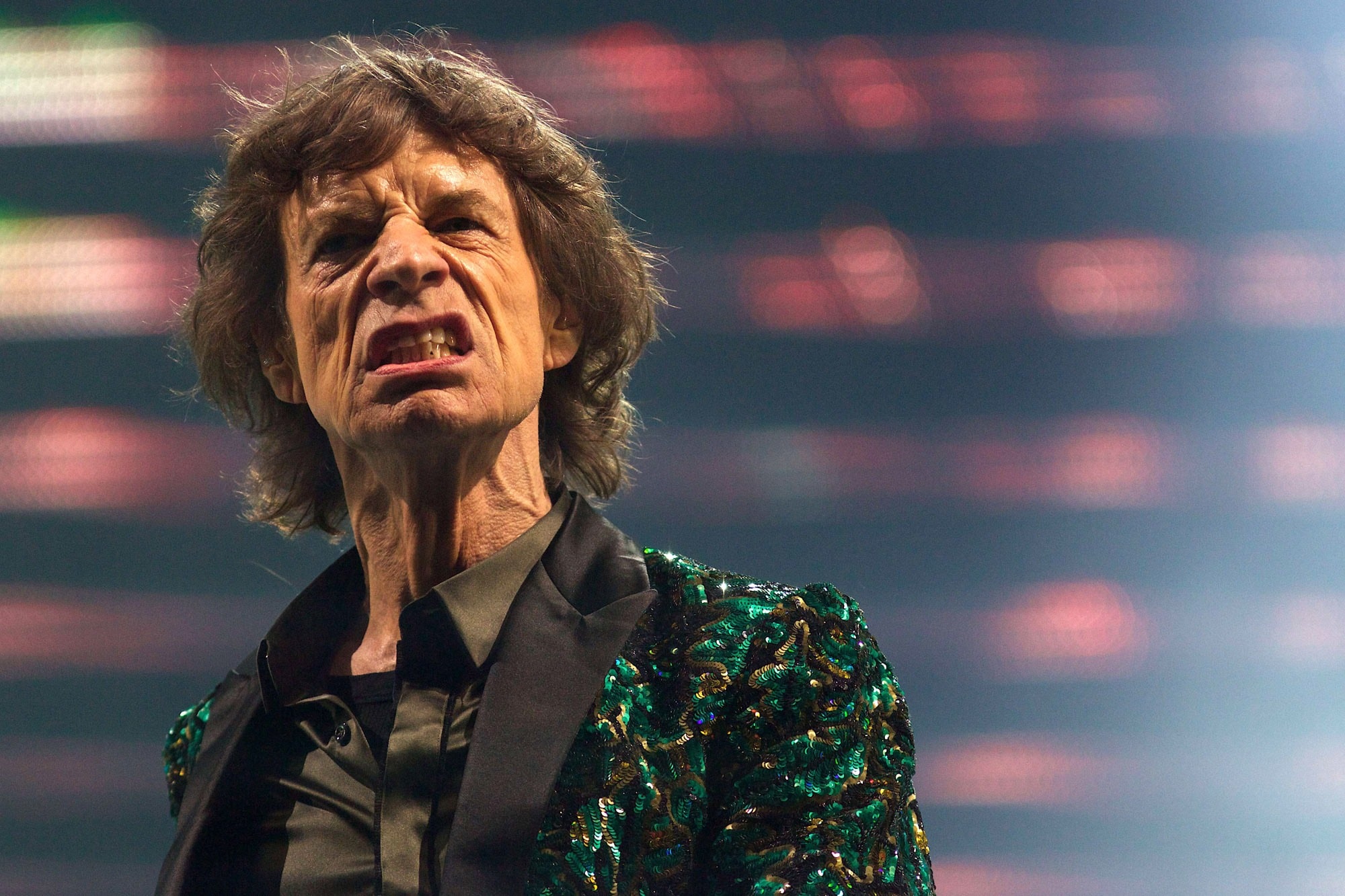
Mick Jagger, born Michael Philip Jagger on July 26, 1943, in Dartford, Kent, England, is a living legend in the world of rock ‘n’ roll. As the lead vocalist, songwriter, and co-founder of The Rolling Stones, he has had an indelible impact on music and pop culture for over six decades.
Jagger’s charismatic and energetic stage presence is legendary, characterized by his distinctive voice, dynamic performance style, and trademark dance moves. He is not only known for his vocal prowess but also for his songwriting contributions to The Rolling Stones’ extensive catalog. His lyrics often explore themes of rebellion, love, and social commentary.
Throughout his career, Mick Jagger has fronted The Rolling Stones, one of the most influential and enduring rock bands in history. Their hits, including “Satisfaction,” “Paint It Black,” and “Start Me Up,” have become timeless classics, and their live performances are the stuff of legend.
Jagger’s influence extends beyond music. He has ventured into acting, producing, and even solo music projects. His collaborations with other artists, including David Bowie, have yielded memorable tracks like “Dancing in the Street.”
As a cultural icon, Mick Jagger has left an indelible mark on music, fashion, and popular culture. His contributions to rock ‘n’ roll continue to inspire generations of musicians, making him an enduring and iconic figure in the music industry.
1. Gimme Shelter (with The Rolling Stones)
“Gimme Shelter” is an iconic rock song by The Rolling Stones, featuring Mick Jagger’s distinctive vocals and released in 1969 as part of their album “Let It Bleed.” The song is characterized by its powerful and emotive sound, blending rock, blues, and gospel elements.
“Gimme Shelter” is known for its haunting and intense atmosphere, featuring a memorable guitar riff played by Keith Richards and the soulful backing vocals of Merry Clayton. The lyrics of the song convey a sense of turmoil and unrest, with lines like “War, children, it’s just a shot away” reflecting the social and political climate of the late 1960s.
The song’s title and central refrain, “Gimme Shelter,” capture a plea for refuge and safety amidst the chaos and upheaval of the times. Mick Jagger’s impassioned vocal delivery adds to the song’s emotional impact.
“Gimme Shelter” is often celebrated as one of The Rolling Stones’ greatest achievements and a masterpiece of rock music. It has been featured in numerous films, television shows, and commercials and is considered a timeless classic. The song’s enduring popularity and cultural significance have solidified its place in the pantheon of rock and roll and cemented Mick Jagger’s status as a rock icon.
2. Brown Sugar (with The Rolling Stones)
“Brown Sugar” is a classic rock song by The Rolling Stones, released in 1971 as the opening track and lead single from their album “Sticky Fingers.” The song is one of the band’s most famous and enduring hits and is characterized by its energetic and infectious rock ‘n’ roll sound.
Written by Mick Jagger and Keith Richards, “Brown Sugar” features Jagger’s distinctive vocals and Richards’ iconic guitar riff. The song’s lyrics are provocative and controversial, addressing themes of slavery, interracial relationships, and sexual desire. Despite its controversial subject matter, the song’s upbeat tempo and catchy melody have made it a staple of The Rolling Stones’ live performances.
The chorus, with its repeated refrain of “Brown sugar, how come you taste so good?” is instantly recognizable and has contributed to the song’s lasting popularity.
“Brown Sugar” was a commercial success, reaching high chart positions in multiple countries. It remains a beloved and frequently played song on classic rock radio and is often included in the band’s setlists during live concerts. The song’s combination of rock ‘n’ roll swagger and memorable hooks continues to make it a favorite among fans and a quintessential track in The Rolling Stones’ extensive discography.
3. Miss You (with The Rolling Stones)
“Miss You” is a song by the British rock band The Rolling Stones. It was released in 1978 as a single and is also featured on their album “Some Girls.” The song is notable for its disco and dance-rock influences.
“Miss You” marked a departure from the band’s traditional rock sound and incorporated elements of disco and funk music. The song features a prominent bassline, infectious rhythm, and a catchy melody. Mick Jagger’s vocals, along with the use of falsetto, contribute to the song’s danceable and upbeat feel.
Lyrically, “Miss You” is about longing and loneliness, with Jagger singing about missing a loved one while on the road. The chorus includes the memorable lines “Ooh, ooh, ooh, ooh, miss you,” which became a signature part of the song.
“Miss You” was a commercial success, topping the charts in several countries and becoming one of The Rolling Stones’ biggest hits. Its fusion of rock and disco elements made it a crossover hit and showcased the band’s ability to adapt to different musical styles.
The song’s enduring popularity has solidified its status as one of The Rolling Stones’ classic tracks and a highlight of their discography.
4. Sympathy for the Devil (with The Rolling Stones)
“Sympathy for the Devil” is a song by the British rock band The Rolling Stones. It was released in 1968 as the opening track of their album “Beggars Banquet.” The song is one of The Rolling Stones’ most iconic and controversial tracks.
“Sympathy for the Devil” is known for its distinctive and mesmerizing rhythm, driven by percussion instruments such as congas and maracas. The lyrics are sung from the perspective of the Devil, and they touch on themes of temptation, evil, and historical events. The chorus includes the repeated line “Pleased to meet you, hope you guess my name.”
The song’s blend of rock, blues, and Latin rhythms, along with Mick Jagger’s charismatic and theatrical vocal delivery, create a dark and hypnotic atmosphere. The Rolling Stones’ willingness to explore new musical territory and lyrical themes set them apart from many of their contemporaries.
“Sympathy for the Devil” garnered both praise and controversy upon its release due to its subject matter and provocative lyrics. It has since become one of The Rolling Stones’ signature songs and a classic in the rock genre. The song’s enduring popularity is a testament to its musical and lyrical craftsmanship.
5. Start Me Up (with The Rolling Stones)
“Start Me Up” is a popular rock song by the British rock band The Rolling Stones. It was released in 1981 as a single and is also featured on their album “Tattoo You.”
“Start Me Up” is known for its catchy and energetic guitar riff, played by Keith Richards, which is one of the most recognizable guitar riffs in rock music history. The song features Mick Jagger’s distinctive vocals and has a driving rock and roll sound.
Lyrically, the song is about desire and attraction, with lines like “You make a grown man cry.” The chorus, with the repeated phrase “You make a dead man come,” adds to the song’s provocative and playful nature.
“Start Me Up” was a commercial success and became one of The Rolling Stones’ signature songs of the 1980s. It received extensive radio play and remains a fan favorite, often performed at the band’s concerts.
The song’s enduring popularity and infectious guitar riff have solidified its status as a classic rock and roll track, and it continues to be celebrated by fans and music enthusiasts alike.
6. Dancing in the Street (with David Bowie)
“Dancing in the Street” is a classic rock and pop song performed as a collaboration between David Bowie and Mick Jagger. It was released in 1985 as a charity single for the Live Aid famine relief efforts.
Originally written by Marvin Gaye, William “Mickey” Stevenson, and Ivy Jo Hunter, the song was first recorded by Martha and the Vandellas in 1964 and became one of Motown’s signature hits. Bowie and Jagger’s version brought new life to the song, giving it a rock-infused and energetic interpretation.
The music video for “Dancing in the Street” features Bowie and Jagger energetically dancing and performing on the streets of London. Their playful and dynamic chemistry adds to the video’s appeal.
The collaboration between Bowie and Jagger, two of rock’s most iconic figures, created a buzz and generated excitement among music fans. Their version of “Dancing in the Street” was a commercial success, and the proceeds from its sales contributed to the Live Aid charity, which aimed to alleviate the famine crisis in Ethiopia.
While some critics viewed the collaboration as unconventional, the song’s catchy and infectious energy, along with the memorable music video, have solidified it as a unique and enduring moment in the careers of both David Bowie and Mick Jagger.
7. Just Another Night (solo)
“Just Another Night” is a song by Mick Jagger, the lead singer of The Rolling Stones. It was released in 1985 as a single from his debut solo album, “She’s the Boss.”
The song “Just Another Night” has a rock-pop sound and features Mick Jagger’s distinctive vocals and charismatic performance. The lyrics revolve around themes of romance and nightlife, with Jagger singing about a night out on the town and the excitement of meeting someone new.
The song received positive reviews and achieved moderate commercial success. Its music video, featuring a theatrical and energetic performance by Jagger, added to its appeal.
“Just Another Night” is one of Mick Jagger’s solo hits and showcases his ability to create catchy and engaging rock music outside of his work with The Rolling Stones. It remains a memorable track in his solo career.
8. Don’t Tear Me Up (solo)
“Don’t Tear Me Up” is a solo song by Mick Jagger, the iconic frontman of The Rolling Stones. It was released in 1993 as part of his third solo album, “Wandering Spirit.”
The song “Don’t Tear Me Up” is characterized by its bluesy and soulful sound, showcasing Mick Jagger’s signature raspy vocals and his ability to deliver emotionally charged performances. The lyrics of the song convey a sense of vulnerability and desire, with Jagger singing about the complexities of love and relationships.
The chorus, with its repeated refrain of “Don’t tear me up, tear me up,” adds a memorable and melodic element to the song.
“Don’t Tear Me Up” received positive reviews from music critics and is considered one of the standout tracks on the “Wandering Spirit” album. Mick Jagger’s solo work allowed him to explore different musical styles while still retaining his distinctive rock ‘n’ roll sensibility.
The song’s inclusion in his solo discography showcases Jagger’s artistic versatility and his ability to create compelling music beyond his role in The Rolling Stones. “Don’t Tear Me Up” remains a testament to his enduring talent as a musician and songwriter.
9. Lucky in Love (solo)
“Lucky in Love” is a song by Mick Jagger, the lead singer of The Rolling Stones. It was released as a single from his second solo album, “Primitive Cool,” in 1987.
The song “Lucky in Love” is a blend of rock and pop, featuring Mick Jagger’s distinctive vocals and a catchy melody. The lyrics touch on themes of love, relationships, and the ups and downs of romance. Jagger sings about the feeling of being fortunate to have found love, with lines like “I was living in a fantasy, living in a lie.”
“Lucky in Love” received some radio play and music video rotation upon its release but did not achieve the same level of commercial success as some of Jagger’s earlier solo efforts. Nevertheless, it remains a part of his solo discography and showcases his ability to explore different musical styles and themes in his solo work.
The song is a testament to Mick Jagger’s versatility as an artist, both as the frontman of The Rolling Stones and in his solo career.
10. Memo from Turner (solo)
“Memo from Turner” is a solo song by Mick Jagger, originally recorded for the soundtrack of the 1970 film “Performance,” in which Jagger also starred. The song was later included in his 2007 compilation album “The Very Best of Mick Jagger.”
“Memo from Turner” is a bluesy and gritty rock track that showcases Mick Jagger’s distinctive vocals and his ability to capture a sense of decadence and rebellion. The song’s lyrics are enigmatic and convey a sense of defiance and nonconformity, fitting the themes of the film “Performance.”
The song features a bluesy guitar riff and a driving rhythm, creating a dark and moody atmosphere. Jagger’s performance on the track is particularly noteworthy, with his raspy and expressive delivery adding to the song’s intensity.
“Memo from Turner” has been praised for its raw and visceral sound and its connection to the counterculture of the late 1960s and early 1970s. It has become a cult classic among Mick Jagger’s solo works and is often associated with his portrayal of the character Turner in the film “Performance.”
The song’s enduring appeal and its connection to both Jagger’s film career and his solo music catalog have solidified its status as a memorable and iconic track in his career.

Edward Tomlin is a frequent contributor to Singers Room. Since 2005, Singersroom has been the voice of R&B around the world. Connect with us via social media below.









