Male singers command the stage with their captivating vocals, charisma, and emotive performances, leaving an indelible mark on the music landscape. With voices that range from velvety croons to powerful belts, these artists captivate audiences with their unique styles and artistic expressions.
Their songs serve as anthems of love, heartbreak, resilience, and triumph, resonating with listeners on a deeply personal level. Through their lyrics and melodies, they navigate the complexities of human emotion, offering solace and inspiration to those who find refuge in their music.
Male singers often embody a sense of vulnerability and strength, embracing their authenticity and sharing their stories with sincerity and passion. From pop and rock to R&B and hip-hop, these artists traverse genres and push boundaries, redefining what it means to be a male performer in the modern music industry.
Beyond their vocal talents, male singers are multi-faceted artists, captivating audiences with their stage presence, musicality, and storytelling abilities. Their performances are immersive experiences, transporting listeners to different worlds and eliciting a range of emotions through the power of their artistry.
In a world filled with noise, male singers serve as beacons of authenticity and connection, reminding us of the universal language of music and its ability to unite us all.
1. Freddie Mercury
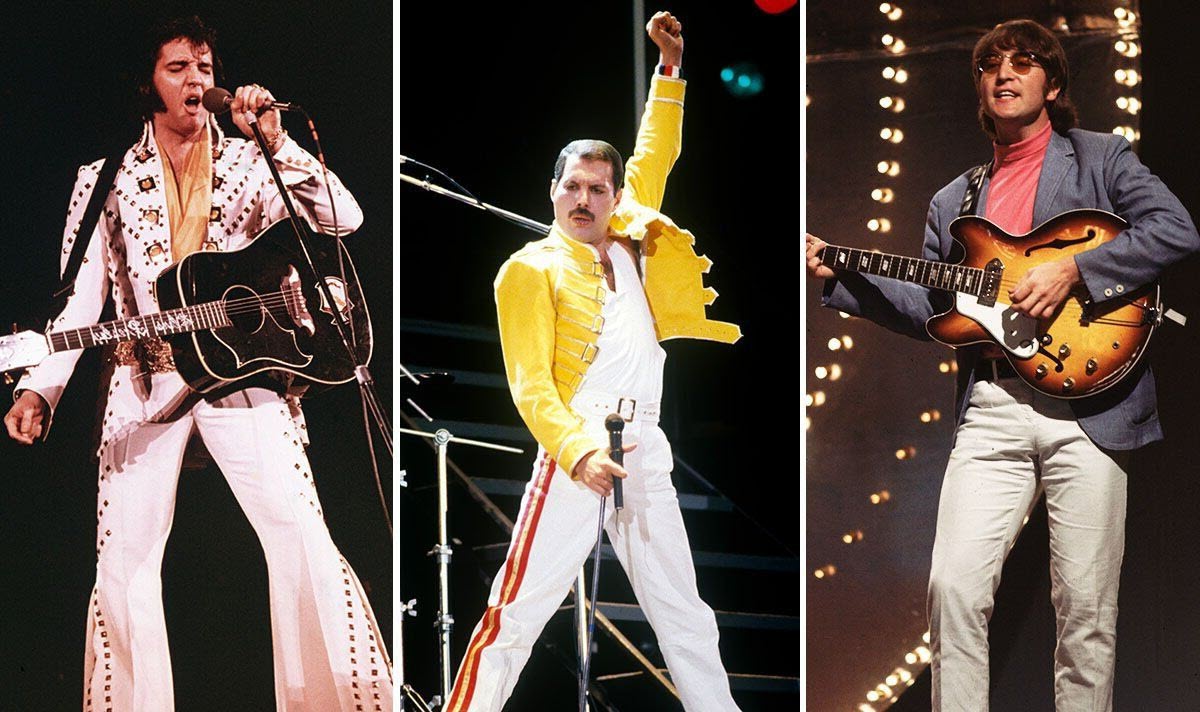
Freddie Mercury, the charismatic frontman of the legendary rock band Queen, stands as an icon of musical brilliance and flamboyant showmanship. Born Farrokh Bulsara in Zanzibar in 1946, Mercury’s electrifying stage presence and four-octave vocal range propelled Queen to global stardom, solidifying their place in rock history.
Mercury’s commanding voice and theatrical performances captivated audiences worldwide, earning him adoration and admiration from fans and peers alike. Hits like “Bohemian Rhapsody,” “Somebody to Love,” and “We Are the Champions” showcased his extraordinary vocal prowess and songwriting talent, pushing the boundaries of rock music and leaving an indelible mark on the genre.
Beyond his musical contributions, Mercury’s larger-than-life persona and unapologetic embrace of his identity challenged societal norms and inspired countless individuals. His fearless approach to self-expression and unbridled creativity continue to resonate with fans, cementing his legacy as one of the greatest performers of all time.
Tragically, Mercury’s life was cut short due to complications from AIDS in 1991, but his influence on the world of music and popular culture endures. His spirit lives on through Queen’s timeless music and the countless artists who continue to be inspired by his incomparable talent and boundless passion.
2. Michael Jackson
Michael Jackson, often referred to as the “King of Pop,” remains one of the most influential and celebrated entertainers in history. Born in Gary, Indiana, in 1958, Jackson began his career as a child prodigy with the Jackson 5 before embarking on a solo career that would revolutionize the music industry.
With his unparalleled talent, innovative dance moves, and groundbreaking music videos, Jackson captivated audiences around the world. Hits like “Thriller,” “Billie Jean,” and “Beat It” showcased his electrifying stage presence and infectious energy, earning him critical acclaim and record-breaking success.
Beyond his musical prowess, Jackson’s impact extended to his philanthropic efforts and humanitarian work. He used his platform to champion causes like children’s rights, AIDS research, and humanitarian aid, leaving a lasting legacy of compassion and generosity.
Despite facing personal challenges and controversies throughout his life, Jackson’s artistic genius and cultural influence remain undeniable. His contributions to music, dance, and popular culture have left an indelible mark on the world, inspiring generations of artists and continuing to captivate audiences worldwide.
Though Jackson’s life was tragically cut short in 2009, his music and legacy endure, serving as a testament to his enduring impact and the enduring power of his artistry. He remains an immortal figure in the pantheon of music legends, forever remembered as the “King of Pop.”
3. Elvis Presley
Elvis Presley, often hailed as the “King of Rock and Roll,” revolutionized the music industry with his electrifying performances, distinctive voice, and undeniable charisma. Born in Tupelo, Mississippi, in 1935, Presley’s humble beginnings gave way to a meteoric rise to fame that would forever change the course of popular music.
With his signature blend of rock, country, blues, and gospel, Presley captured the hearts of audiences worldwide. Hits like “Heartbreak Hotel,” “Hound Dog,” and “Jailhouse Rock” propelled him to superstardom, earning him adoration from fans and admiration from fellow musicians.
Presley’s impact extended beyond music, as he became a cultural phenomenon and a symbol of rebellion and youthful energy. His hip-swiveling dance moves and magnetic stage presence broke down racial barriers and ignited a cultural revolution, forever altering the landscape of American music and popular culture.
Despite facing personal challenges and controversies throughout his life, Presley’s influence remains unparalleled. He sold over a billion records worldwide, earned numerous awards and accolades, and is regarded as one of the best-selling solo artists in history.
Though Presley passed away in 1977, his legacy lives on through his timeless music, iconic image, and enduring impact on the world. He remains a symbol of innovation, individuality, and the enduring power of rock and roll, forever remembered as the ultimate king of music.
4. Frank Sinatra
Frank Sinatra, born Francis Albert Sinatra on December 12, 1915, was an iconic American singer, actor, and producer, widely regarded as one of the greatest entertainers of the 20th century. Born in Hoboken, New Jersey, Sinatra began his music career in the swing era as a member of the Tommy Dorsey Band and later embarked on a highly successful solo career.
Sinatra’s smooth voice, impeccable phrasing, and emotive delivery made him a beloved figure in popular music. He became known for his interpretations of classic American songs, particularly those from the Great American Songbook, and his distinctive style set him apart from his contemporaries. Some of his most famous songs include “My Way,” “Fly Me to the Moon,” “New York, New York,” and “Strangers in the Night.”
In addition to his music career, Frank Sinatra also found success as an actor, starring in numerous films throughout his career. He won the Academy Award for Best Supporting Actor for his performance in “From Here to Eternity” (1953) and received critical acclaim for roles in films like “The Man with the Golden Arm” (1955) and “The Manchurian Candidate” (1962).
Sinatra’s influence extended beyond music and film; he was also a prominent figure in American culture and politics. He was known for his connections to various political figures and his involvement in social causes, including civil rights and humanitarian efforts.
Throughout his career, Frank Sinatra received numerous awards and honors, including 11 Grammy Awards, three Academy Awards, and the Presidential Medal of Freedom. He was also a Kennedy Center Honoree and received the Grammy Lifetime Achievement Award.
Frank Sinatra’s impact on popular culture is immeasurable, and his legacy as one of the greatest entertainers of all time continues to endure. His music remains timeless, and his contributions to music, film, and society ensure that he will be remembered as a cultural icon for generations to come. Sinatra passed away on May 14, 1998, but his influence on music and entertainment lives on.
5. Stevie Wonder
Stevie Wonder, born Stevland Hardaway Judkins on May 13, 1950, is an American singer-songwriter, musician, and record producer. Blind since shortly after birth, Wonder showed early musical talent and signed with Motown’s Tamla label at the age of 11.
Throughout his career, Stevie Wonder has released numerous hit songs and albums, spanning various genres including R&B, soul, funk, pop, and jazz. Some of his most iconic songs include “Superstition,” “Sir Duke,” “Isn’t She Lovely,” “I Just Called to Say I Love You,” and “Living for the City.”
Wonder’s music often reflects his social consciousness, with many of his songs addressing themes of love, unity, and equality. He became a prominent figure in the Civil Rights Movement of the 1960s and 1970s, using his platform to advocate for social justice and racial equality.
Stevie Wonder’s influence on popular music is profound, and he is widely regarded as one of the greatest musicians of his generation. He has won 25 Grammy Awards, including a Grammy Lifetime Achievement Award, making him one of the most awarded artists in Grammy history. He was also inducted into the Rock and Roll Hall of Fame in 1989.
In addition to his musical achievements, Stevie Wonder is known for his humanitarian work and activism. He has supported various charitable organizations and causes, including those focused on disabilities, HIV/AIDS awareness, and children’s education.
Despite being blind, Stevie Wonder is a multi-instrumentalist, playing the piano, keyboards, harmonica, drums, and various other instruments. His virtuosic musical abilities, combined with his soulful voice and heartfelt lyrics, have earned him a dedicated fan base and secured his place as a musical legend.
Stevie Wonder continues to inspire audiences around the world with his timeless music and unwavering commitment to making the world a better place through his art and activism.
6. John Lennon
John Lennon, a visionary songwriter and co-founder of The Beatles, left an indelible mark on the world through his music, activism, and profound introspection. Born in Liverpool, England, in 1940, Lennon’s creative genius and rebellious spirit propelled The Beatles to unprecedented success, revolutionizing the music industry and inspiring generations of artists.
As a member of The Beatles, Lennon penned timeless classics like “Imagine,” “Let It Be,” and “Hey Jude,” which continue to resonate with audiences worldwide. His introspective lyrics, coupled with his evocative melodies, captured the zeitgeist of the 1960s and left an enduring legacy of artistic innovation.
Beyond his musical contributions, Lennon was an outspoken advocate for peace, love, and social justice. His activism, fueled by his experiences and observations, helped galvanize movements for peace and equality around the world. His anthem “Imagine” remains a powerful call for unity and understanding, embodying his unwavering commitment to a better world.
Tragically, Lennon’s life was cut short by senseless violence in 1980, but his spirit and legacy endure. His music continues to inspire and uplift, serving as a reminder of the transformative power of art and the enduring impact of one man’s vision for a more peaceful and compassionate world. Lennon’s influence transcends generations, making him an eternal symbol of hope, creativity, and the pursuit of a better tomorrow.
7. Paul McCartney
Paul McCartney, born James Paul McCartney on June 18, 1942, in Liverpool, England, is a British singer-songwriter, multi-instrumentalist, and composer. He is best known for being a founding member of the legendary rock band The Beatles, along with John Lennon, George Harrison, and Ringo Starr.
As a member of The Beatles, McCartney played bass guitar, sang lead and backing vocals, and contributed extensively to the band’s songwriting alongside Lennon. The Beatles became one of the most influential and successful bands in music history, revolutionizing popular music and culture during the 1960s. Their innovative approach to songwriting, studio recording techniques, and musical experimentation helped shape the landscape of modern music.
After The Beatles disbanded in 1970, Paul McCartney embarked on a highly successful solo career. He formed the band Wings with his first wife, Linda McCartney, and released numerous hit albums and singles, including “Band on the Run,” “Live and Let Die,” and “Maybe I’m Amazed.” McCartney’s solo work showcased his versatility as a musician, incorporating elements of rock, pop, folk, and classical music.
Throughout his career, Paul McCartney has continued to innovate and push the boundaries of music. He has collaborated with a wide range of artists across different genres and has explored various musical styles and themes in his solo work. McCartney’s contributions to music have earned him numerous awards and accolades, including multiple Grammy Awards, Brit Awards, and an induction into the Rock and Roll Hall of Fame as a member of The Beatles.
In addition to his music career, Paul McCartney is also known for his activism and philanthropy. He has been involved in various humanitarian causes, including animal rights, environmental conservation, and campaigns for peace and social justice.
Paul McCartney’s influence on popular music is immense, and he is widely regarded as one of the greatest songwriters and performers of all time. His timeless music, enduring legacy, and continued relevance in the music industry ensure that he will be remembered as a cultural icon for generations to come.
8. Elton John
Elton John, a musical virtuoso and cultural icon, has mesmerized audiences around the world with his extraordinary talent, flamboyant style, and enduring legacy. Born Reginald Dwight in 1947 in Pinner, England, Elton John’s musical journey began at a young age, and he quickly rose to prominence in the 1970s with his distinctive voice, captivating piano skills, and eclectic fashion sense.
With a career spanning over five decades, Elton John has amassed an impressive catalog of hits that have become anthems for generations. From timeless classics like “Your Song” and “Rocket Man” to chart-toppers like “Crocodile Rock” and “Tiny Dancer,” his music transcends genres and continues to resonate with audiences of all ages.
Elton John’s influence extends far beyond the realm of music. As an openly gay artist in an era when LGBTQ+ rights were still marginalized, he fearlessly challenged societal norms and paved the way for greater acceptance and visibility within the industry. His philanthropic efforts, particularly in the fight against HIV/AIDS, have saved countless lives and earned him admiration and respect worldwide.
Throughout his illustrious career, Elton John has received numerous awards and accolades, including multiple Grammy Awards, an Academy Award, and a knighthood from Queen Elizabeth II. Despite announcing his retirement from touring, his music remains as vibrant and relevant as ever, leaving an indelible mark on the world of music and popular culture. Elton John’s legacy as one of the greatest artists of all time is secure, and his impact will be felt for generations to come.
9. Prince
Prince, born Prince Rogers Nelson on June 7, 1958, in Minneapolis, Minnesota, was an American singer-songwriter, musician, and record producer. He was known for his innovative music style, flamboyant stage presence, and prolific output, earning him the nickname “The Purple One” due to his frequent use of the color purple and his album “Purple Rain.”
Prince rose to fame in the late 1970s and early 1980s with his eclectic blend of funk, rock, R&B, pop, and soul music. He released numerous critically acclaimed albums, including “Purple Rain” (1984), “Sign o’ the Times” (1987), and “1999” (1982). Some of his most famous songs include “When Doves Cry,” “Kiss,” “Let’s Go Crazy,” and “Raspberry Beret.”
In addition to his musical talents, Prince was a multi-instrumentalist, proficient in playing guitar, piano, drums, and various other instruments. He was known for his virtuosic skills as a guitarist and his dynamic performances, often incorporating elements of dance, theatrics, and visual art into his live shows.
Prince’s impact on popular music is profound, and he is regarded as one of the greatest musicians and performers of all time. He challenged societal norms and pushed the boundaries of music and gender expression, inspiring countless artists and musicians across different genres.
Throughout his career, Prince received numerous awards and honors, including seven Grammy Awards, a Golden Globe Award, and an Academy Award for Best Original Song Score for “Purple Rain.” He was also inducted into the Rock and Roll Hall of Fame in 2004.
In addition to his musical achievements, Prince was known for his philanthropy and activism. He supported various charitable causes, including education, environmental conservation, and youth empowerment.
Prince’s unexpected death on April 21, 2016, at the age of 57, shocked the music world and led to an outpouring of tributes from fans and fellow musicians. His legacy as a groundbreaking artist, visionary, and cultural icon continues to resonate, and his music remains influential and beloved by audiences around the world.
10. Marvin Gaye
Marvin Gaye, often referred to as the “Prince of Soul,” was a pioneering musician whose extraordinary talent and soulful voice reshaped the landscape of popular music. Born in Washington, D.C., in 1939, Gaye’s career spanned over three decades and left an indelible mark on the world of R&B, soul, and Motown.
With his smooth, velvety voice and poignant lyrics, Gaye captivated audiences with hits like “I Heard It Through the Grapevine,” “What’s Going On,” and “Sexual Healing.” His ability to infuse his music with social commentary and introspection set him apart as a true artist, earning him critical acclaim and adoration from fans around the world.
Beyond his musical contributions, Gaye was a trailblazer in addressing social and political issues through his music. His landmark album “What’s Going On,” released in 1971, tackled themes of racial injustice, war, and poverty, establishing him as a voice for social change and cementing his legacy as an icon of the civil rights movement.
Tragically, Gaye’s life was cut short in 1984 when he was fatally shot by his father. Despite his untimely death, his music continues to resonate with audiences of all ages, inspiring countless artists and serving as a timeless reminder of the power of music to heal, unite, and uplift the human spirit. Marvin Gaye’s legacy as one of the greatest soul singers of all time remains unparalleled, and his impact on the world of music will be felt for generations to come.
11. Bob Dylan
Bob Dylan, born Robert Allen Zimmerman on May 24, 1941, in Duluth, Minnesota, is an American singer-songwriter, musician, and poet who is considered one of the most influential figures in the history of popular music and culture.
Dylan emerged in the 1960s as a leading figure in the folk music revival, known for his distinctive voice, poetic lyrics, and evocative songwriting. His early albums, such as “The Freewheelin’ Bob Dylan” (1963) and “The Times They Are a-Changin'” (1964), featured protest songs that captured the spirit of social and political upheaval during that era. Songs like “Blowin’ in the Wind” and “The Times They Are a-Changin'” became anthems for the civil rights and anti-war movements.
Throughout his career, Bob Dylan has continued to evolve as an artist, experimenting with different musical styles and genres. He famously “went electric” in 1965, much to the dismay of some of his folk music fans, with the release of the album “Bringing It All Back Home,” which featured a blend of folk, rock, and blues.
Dylan’s lyrical prowess and ability to capture the essence of the human experience in his songs have earned him widespread acclaim and numerous awards. He has won multiple Grammy Awards, including Album of the Year for “Time Out of Mind” (1997) and “Modern Times” (2007). In 2016, he was awarded the Nobel Prize in Literature, becoming the first musician to receive the prestigious honor.
Some of Bob Dylan’s most famous songs include “Like a Rolling Stone,” “Tangled Up in Blue,” “Mr. Tambourine Man,” and “Knockin’ on Heaven’s Door.” His influence on popular music and culture is immeasurable, and he has inspired generations of musicians and songwriters with his unique blend of storytelling, poetry, and music.
Bob Dylan’s impact extends beyond music; he is also a visual artist, author, and cultural icon. His legacy as a pioneering artist and visionary continues to be celebrated and revered by fans around the world, cementing his place as one of the greatest artists of all time.
12. David Bowie
David Bowie, a visionary musician and cultural icon, transcended boundaries and reshaped the landscape of popular music with his innovative style, genre-defying sound, and iconic personas. Born David Robert Jones in London, England, in 1947, Bowie’s career spanned over five decades, leaving an indelible mark on the world of rock, pop, and art.
With his chameleon-like ability to reinvent himself, Bowie captivated audiences with his enigmatic stage presence and groundbreaking music. Hits like “Space Oddity,” “Heroes,” and “Starman” showcased his eclectic range and fearless experimentation, earning him critical acclaim and a devoted global following.
Beyond his musical contributions, Bowie’s influence extended to fashion, film, and art, as he embraced androgyny, theatricality, and avant-garde aesthetics. His alter egos, including Ziggy Stardust, the Thin White Duke, and Aladdin Sane, became cultural touchstones and symbols of artistic freedom and self-expression.
Throughout his career, Bowie challenged societal norms and pushed artistic boundaries, earning him a reputation as a true innovator and iconoclast. His influence can be felt across generations of artists, from rock legends to avant-garde performers, who continue to be inspired by his fearless creativity and uncompromising vision.
Though Bowie passed away in 2016, his legacy as a musical pioneer and cultural icon endures. His music remains as relevant and influential as ever, serving as a testament to his enduring impact on the world of music and popular culture. David Bowie’s unparalleled legacy will continue to inspire and captivate audiences for generations to come.
13. Bruce Springsteen
Bruce Springsteen, born on September 23, 1949, in Long Branch, New Jersey, is an American singer-songwriter, musician, and humanitarian. He is widely known for his distinctive voice, poetic lyrics, and energetic stage performances, earning him the nickname “The Boss.”
Springsteen first gained widespread recognition in the 1970s with the release of his album “Born to Run” (1975), which featured anthemic rock songs like the title track and “Thunder Road.” He followed up with the critically acclaimed albums “Darkness on the Edge of Town” (1978) and “The River” (1980), which further solidified his reputation as one of rock music’s most important artists.
In the 1980s, Bruce Springsteen achieved commercial success with the album “Born in the U.S.A.” (1984), which spawned several hit singles, including the title track, “Dancing in the Dark,” and “I’m on Fire.” The album’s themes of working-class struggle, patriotism, and social commentary struck a chord with audiences around the world, making it one of the best-selling albums of all time.
Throughout his career, Springsteen has continued to evolve as an artist, exploring different musical styles and themes in his music. He has released numerous acclaimed albums, including “Nebraska” (1982), “Tunnel of Love” (1987), and “The Rising” (2002), which earned him critical praise and multiple Grammy Awards.
Bruce Springsteen is also known for his legendary live performances, which are characterized by their intensity, passion, and connection with the audience. He and his E Street Band are renowned for their marathon concerts, often lasting for several hours and featuring a mix of classic hits, deep cuts, and covers.
In addition to his music career, Bruce Springsteen is a dedicated humanitarian and activist, using his platform to advocate for social justice, civil rights, and economic equality. He has supported various charitable organizations and causes, including food banks, veterans’ groups, and organizations fighting poverty and homelessness.
Bruce Springsteen’s impact on popular music and culture is immeasurable, and he is regarded as one of the greatest rock musicians of all time. His powerful lyrics, soulful voice, and enduring legacy continue to inspire and resonate with audiences around the world, cementing his place as a cultural icon and musical legend.
14. George Michael
George Michael, a pop icon and trailblazing musician, captivated audiences with his soulful voice, infectious melodies, and fearless approach to self-expression. Born Georgios Kyriacos Panayiotou in London, England, in 1963, Michael’s journey to stardom began as one half of the pop duo Wham! before he embarked on a successful solo career.
With hits like “Careless Whisper,” “Faith,” and “Freedom! ’90,” Michael’s smooth vocals and catchy hooks dominated the airwaves in the 1980s and 1990s, earning him critical acclaim and commercial success. His ability to blend pop, soul, and R&B resonated with audiences worldwide, solidifying his status as one of the greatest pop artists of his generation.
Beyond his musical talent, Michael was an outspoken advocate for LGBTQ+ rights and social justice. His openness about his sexuality and activism helped challenge stereotypes and promote acceptance and equality within the industry and society at large.
Despite facing personal struggles and controversies throughout his life, Michael’s music remains a testament to his enduring talent and legacy. His influence can be heard in the work of countless artists who continue to be inspired by his artistry and fearless authenticity.
Tragically, Michael passed away in 2016, but his music lives on as a timeless reminder of his unparalleled talent and the enduring power of his voice. George Michael’s legacy as a pop icon and cultural trailblazer will continue to shine brightly for generations to come.
15. Luther Vandross
Luther Vandross, born on April 20, 1951, in New York City, was an American singer, songwriter, and record producer known for his smooth, soulful voice and romantic ballads. He rose to prominence in the 1980s as one of the premier R&B and soul artists of his time.
Vandross began his music career as a session singer and songwriter, working with artists like David Bowie, Chic, and Diana Ross. He released his debut solo album, “Never Too Much,” in 1981, which spawned the hit title track and established him as a solo artist to watch.
Throughout the 1980s and 1990s, Luther Vandross released a string of successful albums and singles, earning critical acclaim and commercial success. His smooth, velvety voice and heartfelt lyrics resonated with audiences, particularly on romantic ballads like “Here and Now,” “So Amazing,” and “Dance with My Father.”
Vandross’s music often explored themes of love, relationships, and personal introspection, and his emotional delivery endeared him to fans around the world. He was known for his impeccable vocal technique, effortless range, and soulful interpretations of classic R&B and pop songs.
Over the course of his career, Luther Vandross received numerous awards and accolades, including eight Grammy Awards. He was also nominated for numerous other honors, including American Music Awards, Soul Train Music Awards, and NAACP Image Awards.
In addition to his solo career, Luther Vandross was a highly sought-after collaborator and producer, working with artists like Aretha Franklin, Whitney Houston, and Beyoncé. His contributions to the music industry were recognized with his induction into the Rock and Roll Hall of Fame in 2021.
Tragically, Luther Vandross passed away on July 1, 2005, at the age of 54, but his music continues to be celebrated and cherished by fans around the world. His timeless ballads and soulful performances ensure that his legacy as one of the greatest voices in R&B and soul music will endure for generations to come.

Edward Tomlin is a frequent contributor to Singers Room. Since 2005, Singersroom has been the voice of R&B around the world. Connect with us via social media below.