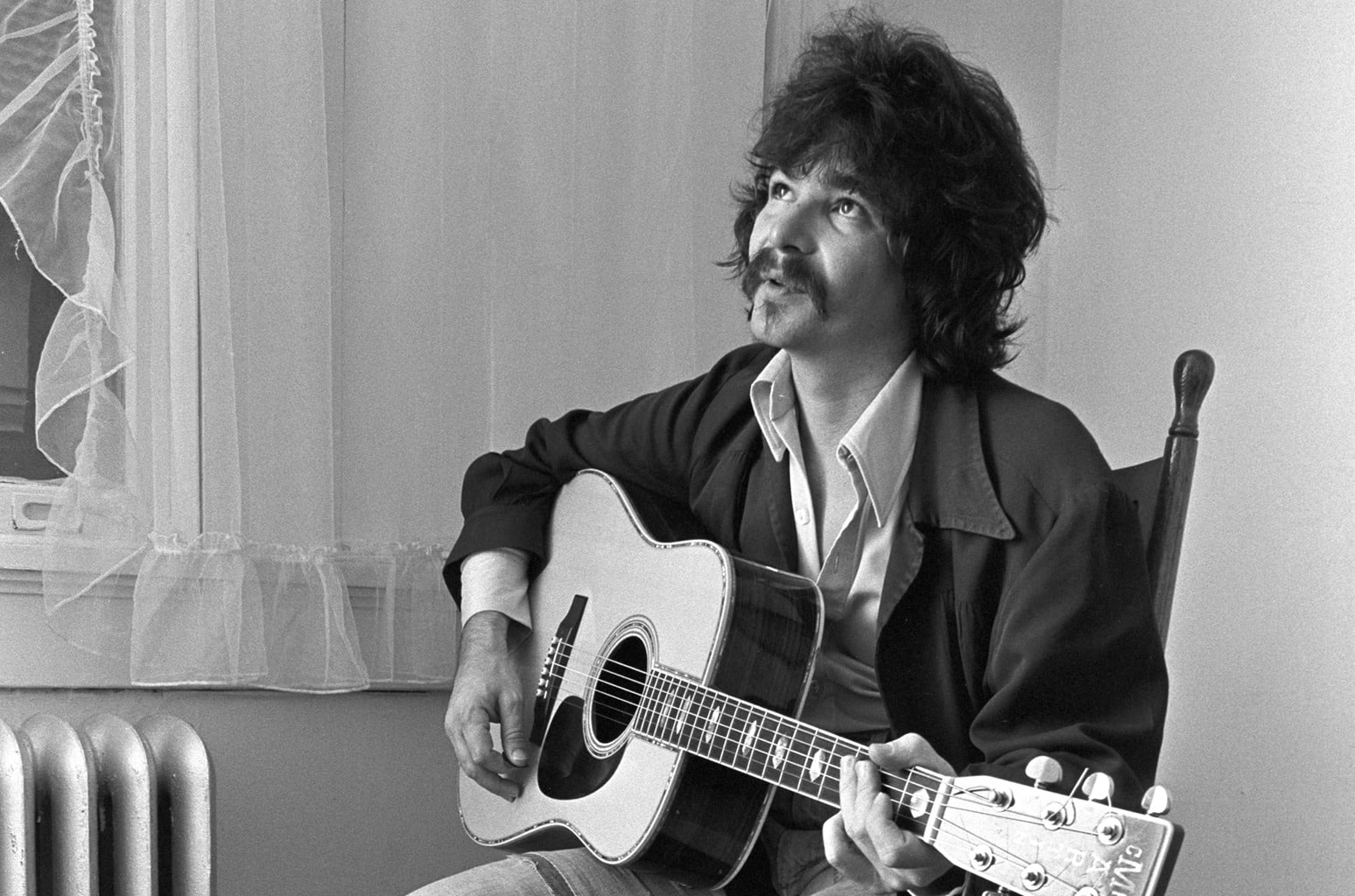
John Prine was an American country folk singer-songwriter revered for his poignant lyrics, distinctively wry sense of humor, and ability to craft songs that resonated deeply with the human experience. Born on October 10, 1946, in Maywood, Illinois, Prine was a key figure in the Chicago folk revival of the late 1960s and early 1970s. His music career took off after being discovered by Kris Kristofferson, leading to the release of his self-titled debut album in 1971.
Prine’s songs are known for their simple yet powerful narratives, often combining elements of folk, country, and rock. His lyrics reflect a profound insight into the joys, sorrows, and ironies of everyday life, filled with vivid characters and poignant storytelling. Songs like “Sam Stone,” “Angel from Montgomery,” and “Hello in There” showcase his unique ability to blend humor with heartache, offering commentary on social issues, relationships, and mortality.
Throughout his career, Prine received widespread acclaim, including multiple Grammy Awards and a place in the Songwriters Hall of Fame. His influence extended beyond his own recordings, with numerous artists covering his songs. Despite health challenges, Prine continued to perform and write, leaving a legacy that firmly places him among the pantheon of great American songwriters. His death on April 7, 2020, due to complications from COVID-19, marked the end of an era, but his music continues to inspire and resonate with audiences worldwide.
1. Angel from Montgomery
“Angel from Montgomery” is a profoundly moving and widely acclaimed song written by John Prine, appearing on his 1971 self-titled debut album. The song is considered one of Prine’s masterpieces and has been covered by numerous artists, most notably Bonnie Raitt, who helped popularize the song with her powerful rendition.
The song’s narrative is from the perspective of a middle-aged woman living a life of quiet desperation in Montgomery, Alabama. She reflects on her unfulfilled dreams, the mundaneness of her domestic life, and her longing for escape and transformation. The opening lines, “I am an old woman named after my mother / My old man is another child that’s grown old,” immediately establish the poignant tone and setting of the song.
The chorus, “Make me an angel that flies from Montgomery / Make me a poster of an old rodeo,” expresses the protagonist’s desire for a different life, yearning for the freedom and excitement that she feels are forever out of reach. The imagery of the angel and the rodeo poster symbolizes her longing for something transcendent, a stark contrast to her current reality.
“Angel from Montgomery” is celebrated for its evocative lyrics, emotional depth, and the vivid, relatable characters it portrays. The song’s enduring appeal lies in Prine’s skillful storytelling and the universal themes of longing, hope, and the search for meaning in the mundane aspects of life. The song remains a beloved classic in the American folk and country music canon, showcasing John Prine’s profound impact as a songwriter and storyteller.
2. Sam Stone
“Sam Stone” is a poignant and powerful song by John Prine, appearing on his self-titled debut album released in 1971. The song is known for its deeply moving narrative and social commentary, addressing the plight of a veteran returning from war and struggling with drug addiction and the challenges of readjusting to civilian life.
The song’s lyrics tell the story of Sam Stone, a character who returns home with a Purple Heart and a dependency on morphine, ultimately leading to his tragic demise. The chorus, with the line “There’s a hole in daddy’s arm where all the money goes, and Jesus Christ died for nothin’ I suppose,” is particularly haunting, emphasizing the sense of despair and futility experienced by the protagonist.
“Sam Stone” is a powerful example of John Prine’s songwriting genius, highlighting his ability to weave complex stories and emotions into his music. His empathetic portrayal of the struggles faced by veterans and the impact of war on individuals and families is both profound and thought-provoking.
The song has been covered by numerous artists and is often cited as one of Prine’s most significant works. “Sam Stone” showcases Prine’s talent for storytelling and his dedication to addressing challenging and meaningful topics through his music, solidifying his reputation as one of the most respected and influential songwriters of his generation.
3. Hello in There
“Hello in There” is a deeply moving song by John Prine, also from his self-titled debut album released in 1971. The song is a poignant reflection on old age, loneliness, and the human need for connection and empathy. Prine’s storytelling ability and his compassionate perspective shine through in this track, making it one of his most beloved and enduring songs.
The lyrics of “Hello in There” tell the stories of elderly individuals who have been seemingly forgotten by a bustling world, emphasizing the isolation and longing for companionship that can accompany aging. Prine encourages the listener to reach out and offer a simple gesture of recognition and kindness to those who might feel overlooked, as expressed in the chorus.
4. Illegal Smile
“Illegal Smile” is the opening track from John Prine’s self-titled debut album, released in 1971. The song is known for its playful, humorous lyrics and laid-back, folksy melody, showcasing Prine’s unique blend of wit and musicality. While it has often been interpreted as a song about marijuana use, Prine himself stated that the song was more about finding happiness in small, everyday things, rather than about drugs.
The song’s lyrics are characterized by Prine’s signature clever wordplay and a certain mischievous charm. Lines like “Well, I sat down in my closet with all my overalls, trying to get away from all the ears inside my walls,” paint a vivid picture of someone seeking a private moment of peace and joy. The chorus, “But fortunately I have the key to escape reality,” further suggests the theme of finding solace or happiness in one’s own way, irrespective of societal norms.
“Illegal Smile” has a simple, catchy melody that complements its light-hearted lyrics. Prine’s delivery, with his distinctive voice and acoustic guitar, adds to the song’s charm, making it an enduring favorite among fans. While it never became a chart-topping hit, “Illegal Smile” remains an important part of John Prine’s musical legacy, exemplifying his ability to blend humor with thoughtful commentary on the human condition. The song’s enduring popularity is a testament to Prine’s talent as a songwriter who could find and celebrate the extraordinary in the ordinary.
5. Paradise
“Paradise” is a heartfelt and nostalgic song by John Prine, featured on his debut album. The song is a tribute to Prine’s father’s hometown of Paradise, Kentucky, and it reflects on the impact of environmental degradation and industrialization on small-town life and natural beauty.
The lyrics of “Paradise” speak about the fond memories of visiting Paradise during childhood and the sadness of seeing the town decline due to the strip mining that devastated the area. Prine paints a vivid picture of the once idyllic town, now lost to the ravages of industrial progress, with lines like, “And daddy, won’t you take me back to Muhlenberg County, down by the Green River where Paradise lay.”
“Paradise” resonates with listeners for its storytelling, emotional depth, and the universal themes of loss, change, and longing for a simpler time. The song’s simple yet evocative melody and Prine’s earnest vocal delivery enhance its poignancy.
Over the years, “Paradise” has been covered by numerous artists and has become a staple in folk and country music, illustrating the lasting impact of Prine’s songwriting and his ability to connect deeply with listeners through his music. The song is not only a personal reflection but also a commentary on the broader issues of environmental conservation and the loss of community heritage.
6. That’s the Way the World Goes ‘Round
“That’s the Way the World Goes ‘Round” is a song by John Prine, appearing on his 1978 album “Bruised Orange.” The song is emblematic of Prine’s ability to blend humor with wisdom, offering a light-hearted yet poignant take on life’s unpredictable nature. Its catchy melody and whimsical lyrics have made it a beloved tune among fans and a staple in Prine’s live performances.
The song’s chorus, “That’s the way that the world goes ’round / You’re up one day, the next you’re down / It’s a half an inch of water and you think you’re gonna drown / That’s the way that the world goes ’round,” captures the essence of the song—life is full of ups and downs, and often, situations may not be as dire as they seem. The lyrics use vivid imagery and a touch of satire to comment on the human tendency to overreact to life’s challenges.
Musically, “That’s the Way the World Goes ‘Round” is upbeat and engaging, with a rhythm that encourages listeners to sing along. Prine’s delivery of the song, with his distinctive vocal style and acoustic guitar accompaniment, adds a sense of warmth and authenticity.
The song’s message of resilience and maintaining a sense of humor amidst adversity resonates with listeners, making “That’s the Way the World Goes ‘Round” a timeless piece in John Prine’s discography. It showcases his skill as a songwriter in crafting tunes that are not only catchy and enjoyable but also rich with meaning and insight into the human experience.
7. Far From Me
“Far From Me” is a song by John Prine, appearing on his self-titled debut album released in 1971. The song is a melancholic ballad that showcases Prine’s talent for crafting deeply emotional and introspective lyrics. It’s known for its poignant narrative and the delicate, reflective mood that Prine creates through both the lyrics and the melody.
The song tells the story of a love that has faded, capturing the pain and loneliness that come with realizing that someone you care about is emotionally distant and drifting away. The lyrics are filled with vivid imagery and metaphor, typical of Prine’s songwriting style, which draws the listener into the emotional landscape of the song.
The chorus, “You told me goodbye, How was I to know, you didn’t mean goodbye, you meant please don’t let me go,” is particularly striking, encapsulating the confusion and desperation that can accompany the end of a relationship.
“Far From Me” is a testament to John Prine’s ability to express complex emotions in his music, making his songs relatable and deeply moving. The song remains a favorite among fans for its honesty, poetic lyricism, and the gentle beauty of its composition. It’s a prime example of Prine’s skill in using music as a means to explore and express the intricacies of the human heart.
8. Lake Marie
“Lake Marie” is one of John Prine’s most haunting and evocative songs, featured on his 1995 album “Lost Dogs and Mixed Blessings.” The song is widely admired for its storytelling prowess, vivid imagery, and the way it weaves together disparate narratives to create a tapestry of emotion and memory. “Lake Marie” is often cited as a quintessential example of Prine’s ability to tell complex, deeply affecting stories through his music.
The song’s narrative is multi-layered, intertwining the story of a troubled marriage with the history of the eponymous Lake Marie in Wisconsin. Prine sings about Native American tribes, early European settlers, and a grisly murder, all connected through the theme of love and the passage of time. The chorus, with its haunting refrain “We were standing, standing by peaceful waters,” serves as a poignant anchor, drawing listeners back to the serene yet sorrowful image of Lake Marie.
Musically, “Lake Marie” is notable for its shifting dynamics and the compelling interplay of guitars. The song builds in intensity, reflecting the turmoil and depth of the stories it tells. Prine’s delivery is both gentle and powerful, imbued with a sense of longing and melancholy.
“Lake Marie” is a testament to John Prine’s unique talent as a songwriter and storyteller. The song’s ability to connect deeply personal narratives with broader historical and cultural themes showcases Prine’s profound understanding of the human condition. Its lasting impact lies in its capacity to evoke a wide range of emotions, leaving a lasting impression on listeners and solidifying its place as one of the most poignant and powerful pieces in Prine’s illustrious catalog.
9. In Spite of Ourselves
“In Spite of Ourselves” is a delightfully humorous and affectionate duet by John Prine, featured on his 1999 album of the same name. The song is a duet with Iris DeMent, and it showcases a playful, tongue-in-cheek take on love and relationships. Its lighthearted approach and relatable lyrics have made it a favorite among fans, and it stands out as one of Prine’s most memorable and endearing songs.
The song’s charm lies in its witty portrayal of a couple who, despite their quirks and the occasional friction, deeply love and accept each other. The lyrics are filled with amusing descriptions and candid admissions, such as “He ain’t got laid in a month of Sundays / I caught him once and he was sniffin’ my undies,” and “She thinks all my jokes are corny / Convict movies make her horny.” Each verse playfully outlines the idiosyncrasies and flaws of each partner, yet the chorus reaffirms their unwavering affection with the line “In spite of ourselves, we’ll end up sittin’ on a rainbow.”
The duet format allows Prine and DeMent to engage in a call-and-response style, adding to the song’s narrative charm and authenticity. The musical arrangement is simple and country-flavored, with acoustic guitars and a relaxed tempo that complements the song’s lighthearted and intimate feel.
“In Spite of Ourselves” is often praised for its honest and humorous take on love, celebrating the imperfections and peculiarities that make relationships unique and enduring. The song’s enduring popularity is a testament to John Prine’s gift for storytelling and his ability to find beauty and humor in the everyday aspects of life. It’s a song that invites listeners to smile, sing along, and appreciate the quirky side of love and companionship.
10. Bruised Orange (Chain of Sorrow)
“Bruised Orange (Chain of Sorrow)” is a compelling song by John Prine, serving as the title track of his 1978 album “Bruised Orange.” The song is a profound reflection on the human condition, dealing with themes of forgiveness, the impact of tragedy, and the complexities of the human heart.
Prine’s storytelling prowess is at the forefront of “Bruised Orange (Chain of Sorrow),” where he weaves a narrative that draws on imagery of a young altar boy being hit by a train. The song delves into the reactions and internal struggles of those touched by the incident, highlighting how people cope with grief and the challenge of finding forgiveness and meaning in the face of senseless tragedy.

Edward Tomlin is a frequent contributor to Singers Room. Since 2005, Singersroom has been the voice of R&B around the world. Connect with us via social media below.









