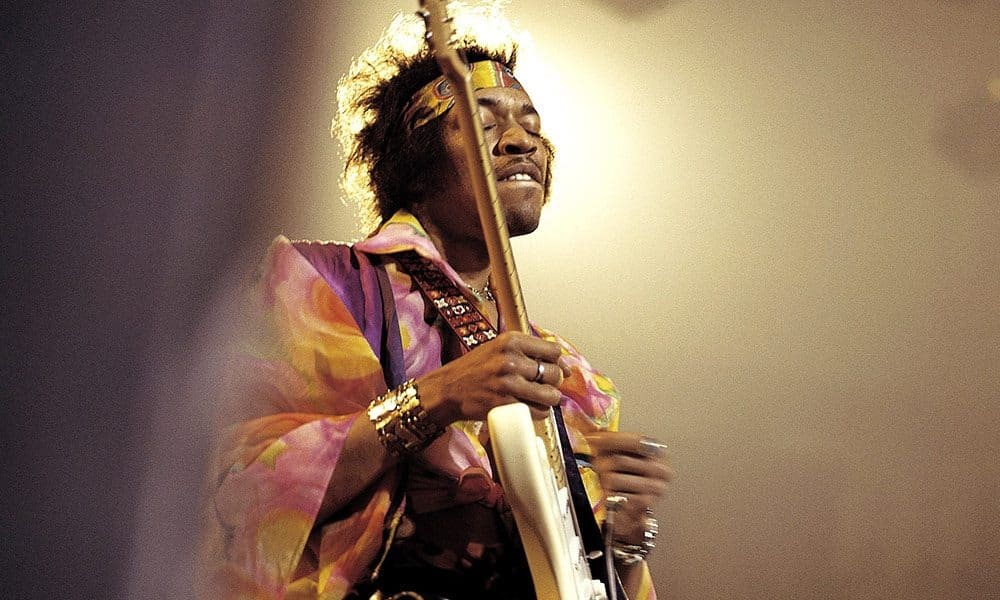
Jimi Hendrix, a name synonymous with revolutionary guitar play and psychedelic rock, has left an indelible mark on the world of music. Born James Marshall Hendrix on November 27, 1942, in Seattle, Washington, Hendrix’s meteoric rise to fame in the 1960s established him as a musical icon whose influence transcends generations. With a career that spanned only a brief four years before his untimely death in 1970, Hendrix achieved what many artists could only dream of in a lifetime. His innovative use of guitar feedback, wah-wah pedals, and unprecedented amplification techniques redefined the electric guitar’s role in rock music. Hendrix was not just a virtuoso guitarist; he was a visionary composer and a charismatic performer whose stage presence was as electrifying as his music. From the momentous Monterey Pop Festival in 1967 to his legendary performance at Woodstock in 1969, Hendrix’s live shows were groundbreaking. His discography, though limited, is rich with tracks that vary from hard rock anthems to soulful blues numbers, all showcasing his extraordinary talent and versatility. Compiling a list of the top 10 best Jimi Hendrix songs is no small feat, as each track is a testament to his genius. This article aims to celebrate Hendrix’s legacy by diving deep into his catalogue, highlighting songs that not only showcase his unparalleled skill as a guitarist but also his profound impact on music history. Through this exploration, we pay homage to Hendrix’s artistry, exploring the depth and breadth of his work, from the iconic riffs of “Purple Haze” to the emotional depth of “Little Wing”, and beyond. Hendrix’s music continues to inspire and influence musicians and fans alike, proving that his legacy is as vibrant and relevant today as it was over half a century ago.
1. Hey Joe
“Hey Joe,” an iconic song performed by Jimi Hendrix, stands as a monumental piece in the history of rock music, forever etched into the annals of musical greatness. The song’s narrative revolves around a man, Joe, on the run after shooting his unfaithful wife, a storyline that unfolds over Hendrix’s groundbreaking guitar riffs. What sets “Hey Joe” apart is not just its compelling story but also Hendrix’s innovative approach to the guitar. His use of effects, such as the wah-wah pedal, and his pioneering guitar techniques, helped to redefine what was musically possible at the time. Hendrix’s expressive vocals blend perfectly with his guitar work, creating a hauntingly beautiful piece that resonates with themes of regret, rage, and the consequences of one’s actions.
First released in 1966, “Hey Joe” was not only a commercial success but also a critical one, showcasing Hendrix’s raw talent and his ability to blend different genres into a cohesive and unforgettable masterpiece. The song’s influence extends beyond rock, touching on blues and folk, and it has been covered by numerous artists, each bringing their own interpretation to this timeless classic. Hendrix’s rendition remains the definitive version, a testament to his genius and his impact on music. The song’s legacy is a reminder of Hendrix’s brief but explosive career, and “Hey Joe” continues to inspire and influence musicians and fans alike, making it one of the top best Jimi Hendrix songs of all time.
2. Bold as Love
“Bold as Love,” the closing track of the Jimi Hendrix Experience’s seminal album “Axis: Bold as Love,” is a vibrant testament to Hendrix’s unparalleled genius as a musician and songwriter. Released in 1967, the song is a psychedelic masterpiece, showcasing Hendrix’s extraordinary ability to fuse colors with sound in a symphony of guitar mastery. The lyrics of “Bold as Love” are a poetic exploration of the spectrum of human emotions, each represented by different colors, illustrating Hendrix’s deep introspection and philosophical musings. His guitar work on the track is nothing short of revolutionary, utilizing a wide range of techniques and effects to create a soundscape that is as vivid and colorful as the emotions he describes. The song’s innovative use of stereo panning and phasing effects adds to its psychedelic ambiance, enveloping the listener in a sonic tapestry that is both ethereal and grounded in raw emotional power.
Beyond its technical brilliance, “Bold as Love” encapsulates the essence of Hendrix’s artistic spirit and his quest for emotional and musical authenticity. It stands as a shining example of his ability to transcend the boundaries of genre, blending rock, blues, and psychedelia into a unique and timeless sound. The song’s enduring appeal lies in its combination of lyrical depth, musical innovation, and Hendrix’s passionate vocal delivery. As part of Hendrix’s discography, “Bold as Love” contributes significantly to his legacy as a pioneering force in music. It remains a powerful expression of love, creativity, and the human condition, making it one of the top best Jimi Hendrix songs of all time. Through “Bold as Love,” Hendrix invites listeners to experience the full spectrum of his musical genius, leaving an indelible mark on the world of music that continues to captivate and inspire generations.
3. Foxy Lady
“Foxy Lady,” one of Jimi Hendrix’s most iconic tracks, is a quintessential rock anthem that perfectly captures the explosive energy and raw sexuality of the late 1960s. Released in 1967 as part of the groundbreaking album “Are You Experienced,” the song is an electrifying showcase of Hendrix’s virtuosic guitar skills and charismatic vocal delivery. From the very first notes, characterized by a distinctive descending riff that immediately grabs the listener’s attention, “Foxy Lady” sets itself apart as a masterpiece of electric guitar work. Hendrix’s use of feedback, overdriven amplifiers, and innovative chord structures created a sound that was revolutionary for its time, pushing the boundaries of what was technically and musically possible.
Lyrically, “Foxy Lady” is a straightforward expression of desire and admiration for a woman, yet it’s Hendrix’s performance that imbues the song with its enduring appeal. His playful yet powerful vocals, combined with a guitar tone that is both aggressive and seductive, create a palpable sense of attraction and urgency that resonates with listeners. The song’s impact on rock music cannot be overstated; it cemented Hendrix’s reputation as a guitar hero and became a staple of his live performances, often extended into improvised jams that highlighted his exceptional skill and creativity. “Foxy Lady” not only stands as a testament to Hendrix’s genius but also as a defining moment in rock history, influencing countless musicians and earning its place as one of the top best Jimi Hendrix songs of all time. Through “Foxy Lady,” Hendrix’s legacy as an innovator and a symbol of the psychedelic era endures, continuing to inspire awe and admiration for his unmatched talent and visionary approach to music.
4. Crosstown Traffic
“Crosstown Traffic,” a standout track from Jimi Hendrix’s acclaimed 1968 album “Electric Ladyland,” epitomizes the ingenuity and dynamism of Hendrix’s musical prowess. This song is a high-energy rock number that cleverly uses automotive imagery to describe the complexities of navigating through a tumultuous relationship, mirroring the congested chaos of city life. Hendrix’s masterful guitar work and inventive use of effects, including the kazoo, which mimics the hustle and bustle of traffic, create a vivid auditory experience that complements the song’s lyrical themes. The driving rhythm and catchy riff underscore the song’s sense of urgency and movement, showcasing Hendrix’s ability to blend traditional rock elements with experimental sounds.
“Crosstown Traffic” is further distinguished by its tight composition and the interplay between Hendrix’s vocals and guitar, illustrating his skill not only as a guitarist but also as a songwriter and arranger. The song’s concise, energetic delivery, combined with its innovative production techniques, highlights Hendrix’s forward-thinking approach to music-making. It remains a testament to his genius, reflecting his unique ability to convey complex ideas and emotions through his music. As one of the top best Jimi Hendrix songs of all time, “Crosstown Traffic” encapsulates the essence of Hendrix’s impact on the rock genre, blending psychedelia, blues, and rock into a distinct sound that continues to influence musicians and captivate listeners worldwide. Through this track, Hendrix’s legacy as a visionary artist and unparalleled guitarist lives on, solidifying “Crosstown Traffic” as a cornerstone of rock music history.
5. Voodoo Child (Slight Return)
“Voodoo Child (Slight Return)” stands as one of Jimi Hendrix’s most monumental and influential tracks, a tour de force in the realm of electric guitar. Featured on the “Electric Ladyland” album released in 1968, this song is a powerful expression of Hendrix’s mastery over his instrument, encapsulating the essence of his innovative and exploratory approach to music. The opening wah-wah pedal effects immediately immerse the listener in a sonic landscape that is both mystical and raw, setting the stage for a guitar performance that is unrivaled in its intensity and creativity. Hendrix’s ability to manipulate sound and emotion through his guitar work on “Voodoo Child (Slight Return)” showcases his deep connection to his instrument, making the guitar an extension of his own voice and spirit.
The song’s lyrics, infused with references to magic and supernatural themes, complement the otherworldly quality of the music, creating an atmosphere that is both captivating and enigmatic. Hendrix’s vocal performance, paired with his explosive guitar solos, propels the song forward, embodying the freedom and rebellion of the late 1960s. “Voodoo Child (Slight Return)” is not just a musical composition but a landmark moment in the history of rock music, representing the pinnacle of Hendrix’s artistic achievement. It has left an indelible mark on the genre, influencing countless guitarists and musicians across various musical landscapes. As one of the top best Jimi Hendrix songs of all time, it stands as a testament to Hendrix’s genius, a breathtaking blend of technical skill, emotional depth, and musical innovation that continues to awe and inspire generations of music lovers and guitar aficionados around the world.
6. Red House
“Red House” is a profound testament to Jimi Hendrix’s versatility as a musician, showcasing his deep roots in the blues tradition. This track, which appeared on his 1967 debut album “Are You Experienced,” distinguishes itself from Hendrix’s more psychedelic work, offering a straightforward yet soulful blues composition that highlights his exceptional talent as a guitarist and vocalist. The song’s narrative centers around a man returning to his “red house” only to find his lover has gone, a classic blues theme that Hendrix imbues with his unique emotional depth and virtuosity. His guitar solos in “Red House” are exemplary of the blues genre, marked by their expressiveness, technical precision, and the use of bending and vibrato that convey a sense of longing and loss.
What sets “Red House” apart in Hendrix’s discography is not just its adherence to the blues form but also how Hendrix personalizes the genre, infusing it with his signature sound and innovative techniques. His ability to express the song’s emotive core through both his singing and guitar playing demonstrates a profound understanding of the blues’ expressive potential. “Red House” has been celebrated for its authenticity and has earned acclaim not only from rock audiences but also from blues purists, underscoring Hendrix’s respect for and mastery of traditional blues. As one of the top best Jimi Hendrix songs of all time, “Red House” serves as a reminder of Hendrix’s musical roots and his transformative impact on the blues genre, further cementing his legacy as one of the most influential guitarists and musicians in the history of modern music. Through “Red House,” Hendrix’s ability to bridge the past and the future of blues music continues to resonate, offering a timeless exploration of love, loss, and the human experience.
7. Purple Haze
“Purple Haze,” one of Jimi Hendrix’s signature songs, is a seminal track that epitomizes the psychedelic rock era of the late 1960s. Released in 1967 as part of the “Are You Experienced” album, the song immediately captivated audiences with its innovative sound and vivid imagery. The opening riff of “Purple Haze” is instantly recognizable, a bold declaration of Hendrix’s musical genius and his ability to push the boundaries of the electric guitar. This track is not just a showcase of Hendrix’s technical prowess; it’s also a window into his experimental approach to sound and composition, featuring distorted guitar effects, feedback, and a groundbreaking use of the wah-wah pedal that would influence generations of musicians.
The lyrics of “Purple Haze” are enigmatic and filled with surreal imagery, reflecting the song’s origins in a dream Hendrix had. The phrase “purple haze” itself has become synonymous with the psychedelic experience, capturing the spirit of exploration and boundary-pushing that defined the era. Hendrix’s performance on the track—both vocally and on the guitar—exudes a sense of freedom and creativity that remains unparalleled. “Purple Haze” is not only a defining moment in Hendrix’s career but also a landmark in the history of rock music, embodying the innovation, rebellion, and artistic exploration of the 1960s. As one of the top best Jimi Hendrix songs of all time, it continues to inspire awe and admiration for its audacious sound and the profound impact Hendrix had on music and culture. Through “Purple Haze,” Hendrix’s legacy as a visionary artist and the ultimate guitar hero lives on, forever shaping the landscape of rock music.
8. All Along the Watchtower
“All Along the Watchtower” stands as one of Jimi Hendrix’s most profound and celebrated achievements, a masterful cover of Bob Dylan’s original composition that transcends the original to become an iconic anthem in its own right. Released in 1968 as part of the “Electric Ladyland” album, Hendrix’s version transformed Dylan’s folk tune into a powerful, electrifying rock masterpiece. The song is renowned for its compelling arrangement, featuring one of Hendrix’s most memorable guitar solos that perfectly captures the song’s sense of urgency and apocalyptic vision. His innovative use of the electric guitar, combined with a haunting vocal delivery, imbues the song with a profound emotional depth and complexity.
Hendrix’s interpretation of “All Along the Watchtower” is a testament to his genius as a musician and an arranger, showcasing his ability to take a piece of music and completely reimagine it, making it his own. The track’s driving rhythm, underscored by Mitch Mitchell’s dynamic drumming and Noel Redding’s bass line, creates a sense of tension and anticipation, while Hendrix’s guitar work weaves through the song, expressing a range of emotions from despair to defiance. This version of the song not only became a hit but also served as a defining moment in rock history, illustrating Hendrix’s unparalleled talent and his impact on the music world.
Bob Dylan himself has praised Hendrix’s rendition, noting that it added dimensions to the song he hadn’t realized were there. “All Along the Watchtower” is a prime example of Hendrix’s ability to blend rock, blues, and psychedelia into a unique musical experience. As one of the top best Jimi Hendrix songs of all time, it showcases his innovative spirit and his profound influence on the evolution of music. The song remains a powerful reminder of Hendrix’s legacy as a pioneering musician whose work continues to inspire and resonate with audiences around the globe.
9. The Wind Cries Mary
“The Wind Cries Mary” is a poignant and beautifully crafted ballad by Jimi Hendrix, showcasing a softer, more introspective side of his musical genius. Released in 1967 as part of the “Are You Experienced” album, this track diverges from the high-octane rock for which Hendrix is best known, offering instead a delicate blend of blues, rock, and soul. The song’s gentle, flowing guitar work, combined with Hendrix’s reflective lyrics and tender vocal delivery, creates a haunting atmosphere that captures a sense of longing and introspection. “The Wind Cries Mary” is often interpreted as a lament for a lost love, with the wind serving as a metaphor for change and the transient nature of relationships.
What sets this song apart is Hendrix’s ability to convey deep emotion through both his guitar playing and his voice. The simplicity of the arrangement—featuring a subdued rhythm section and minimalistic guitar solos—allows Hendrix’s lyrical storytelling to take center stage, showcasing his versatility as a musician and a songwriter. The track’s lyrical imagery, rich with references to nature and change, resonates with listeners for its poetic quality and universal themes. “The Wind Cries Mary” stands as a testament to Hendrix’s broad musical range, proving that his talents extended far beyond his legendary electric guitar solos.
As one of the top best Jimi Hendrix songs of all time, “The Wind Cries Mary” highlights the depth and complexity of Hendrix’s artistry, illustrating his ability to touch the hearts of listeners with a ballad as powerfully as he could with a blistering rock track. The song remains a beloved classic, a gentle reminder of Hendrix’s profound impact on the world of music and his enduring legacy as one of the most influential musicians of the 20th century. Through “The Wind Cries Mary,” Hendrix’s spirit and creativity continue to inspire, making it a timeless piece in the rich tapestry of his discography.
10. Castles Made of Sand
“Castles Made of Sand,” featured on the Jimi Hendrix Experience’s second album “Axis: Bold as Love” released in 1967, is a masterpiece of lyrical storytelling and musical innovation. The song stands out for its introspective lyrics, which weave together a series of vignettes about the impermanence of life and the inevitability of change, symbolized by the metaphor of sand castles washed away by the sea. Hendrix’s guitar work on the track is both delicate and complex, utilizing sliding chord progressions and a reverse tape effect that lends an ethereal, dream-like quality to the music. This technique, innovative for its time, perfectly complements the song’s philosophical themes and showcases Hendrix’s willingness to experiment and push the boundaries of the rock genre.
Lyrically, “Castles Made of Sand” is a departure from the psychedelic rock anthems that characterized much of Hendrix’s work, offering a more contemplative and poetic exploration of human experiences and emotions. The song’s narratives, from a girl in a wheelchair finding hope to a soldier’s tragic fate, are rendered with a sense of poignancy and depth that is rare in rock music. Hendrix’s ability to convey complex ideas and emotions through his lyrics, combined with his unparalleled skill as a guitarist, makes “Castles Made of Sand” a compelling and deeply moving piece.
As one of the top best Jimi Hendrix songs of all time, “Castles Made of Sand” is a testament to Hendrix’s artistry and his profound understanding of the human condition. The song remains a powerful reminder of the fleeting nature of life and the beauty that can be found in its transience. Through its poetic lyrics and innovative sound, “Castles Made of Sand” continues to resonate with listeners, offering a timeless reflection on the cycles of loss and renewal that define our existence. Hendrix’s legacy, much like the castles made of sand in the song, may seem impermanent, but his music endures, continually inspiring new generations with its depth, beauty, and brilliance.

Samuel Moore is a frequent contributor to Singers Room. Since 2005, Singersroom has been the voice of R&B around the world. Connect with us via social media below.









