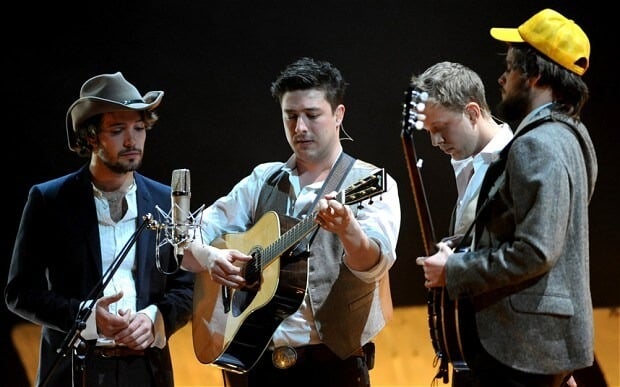
Folk bands play a pivotal role in the tapestry of global music, embodying the essence of storytelling and cultural expression through acoustic instrumentation and heartfelt lyrics. Rooted in the traditions of the communities from which they emerge, folk music serves as a bridge between the past and present, preserving the stories, struggles, and joys of people. The genre’s defining characteristics include the use of traditional instruments such as acoustic guitars, banjos, violins, and harmonicas, though it is not uncommon for artists to incorporate modern elements to create a unique sound that resonates with contemporary audiences.
Lyrically, folk music is rich in narrative, often exploring themes of love, loss, social justice, and political change, reflecting the human experience in its most raw and genuine form. The storytelling aspect of folk music is central, with lyrics that convey messages and stories that are easily relatable, aiming to evoke emotion and provoke thought among listeners.
Folk bands often share a communal spirit, with performances that emphasize connection with the audience, inviting sing-alongs and participation. This genre’s appeal lies in its simplicity and authenticity, offering a counterpoint to the heavily produced sounds prevalent in much of today’s music. Through their art, folk bands continue to foster a sense of community and continuity, championing the values and stories of their cultural heritage while embracing new influences and perspectives.
1. Donovan
Donovan, a British singer-songwriter and guitarist, emerged as a key figure in the 1960s folk music scene, later incorporating psychedelic rock elements into his music, which made him stand out. Although not a band, Donovan’s work is characterized by his gentle, melodic style, poetic lyrics, and distinctive voice. He is often compared to contemporaries like Bob Dylan but carved out his own niche with hits like “Catch the Wind,” “Sunshine Superman,” and “Mellow Yellow.” His music reflects a fusion of folk, jazz, pop, and world influences, showcasing his versatility as an artist. Donovan’s contributions to music also include collaborations with leading musicians and influence on future generations of artists.
2. Kris Kristofferson
Kris Kristofferson, born on June 22, 1936, is a multifaceted American icon renowned for his contributions as a singer-songwriter, actor, and musician. With a career spanning several decades, Kristofferson has etched his name in the annals of country music with his gravelly voice, profound lyrics, and storytelling prowess. His songs, such as “Me and Bobby McGee,” “Sunday Mornin’ Comin’ Down,” and “Help Me Make It Through the Night,” showcase his ability to weave complex emotions and narratives into memorable melodies, earning him widespread acclaim. Kristofferson’s influence extends beyond music into acting, where he has delivered notable performances in films, further demonstrating his artistic versatility. A Rhodes Scholar and a former army officer, his life’s journey from academics and military service to Nashville’s stages is a testament to his enduring legacy and impact on American culture and entertainment.
3. Harry Chapin
Harry Chapin was an American singer-songwriter best known for his folk-rock and story songs, which combined catchy melodies with narrative depth, making him a beloved figure in the 1970s music scene. Born in 1942, Chapin’s career was marked by his commitment to using music as a medium for social change, notably his efforts to combat hunger. His most famous song, “Cat’s in the Cradle,” is a poignant reflection on fatherhood and the passage of time, showcasing his skill in capturing the complexities of human relationships. Tragically, Chapin’s life and career were cut short when he died in a car accident in 1981, but his legacy endures through his music and humanitarian work, including the founding of the organization World Hunger Year (WHY).
4. Joni Mitchell
Joni Mitchell is a Canadian singer-songwriter and painter, celebrated for her profound influence on the music of the late 20th century. Born in 1943, Mitchell’s work spans folk, pop, rock, and jazz, showcasing her extraordinary talent for lyrical poetry, complex melodies, and innovative guitar tunings. Her album “Blue” (1971) is often cited as one of the greatest albums of all time, capturing the raw emotional depth and introspection that characterize her music. Mitchell’s lyrics delve into social and environmental issues, love, and the human condition, earning her widespread acclaim. A pioneer for female musicians, her artistic integrity and pioneering spirit have cemented her status as one of the most important and influential figures in contemporary music.
5. James Taylor
James Taylor, born on March 12, 1948, in Boston, Massachusetts, is a quintessential American singer-songwriter and guitarist, celebrated for his soothing voice, gentle guitar playing, and reflective lyrics. Emerging in the late 1960s with his introspective songwriting, Taylor became a key figure in the folk-rock movement, capturing the essence of personal and emotional storytelling. His iconic songs, such as “Fire and Rain,” “Carolina in My Mind,” and “Sweet Baby James,” resonate with themes of love, longing, and introspection, earning him a devoted global following. Taylor’s influence on the singer-songwriter genre is profound, marked by multiple Grammy Awards and induction into the Rock and Roll Hall of Fame, cementing his legacy as one of the most enduring and beloved musicians of his generation.
6. Bob Dylan
Bob Dylan, born Robert Allen Zimmerman in 1941, is an iconic American singer-songwriter whose career spans over six decades. Dylan revolutionized the 1960s folk music scene with his fusion of folk, blues, and rock, profoundly influencing popular music and culture. His poetic lyrics tackle social issues, politics, philosophy, and personal introspections, earning him the Nobel Prize in Literature in 2016 for creating new poetic expressions within the great American song tradition. Albums like “The Freewheelin’ Bob Dylan” and “Highway 61 Revisited” feature landmark tracks such as “Blowin’ in the Wind” and “Like a Rolling Stone,” showcasing his unique voice and unparalleled songwriting skills, making him a legendary figure in music history.
7. Pete Seeger
Pete Seeger (1919-2014) was an American folk musician and social activist whose music and life work embody the spirit of American protest and folk traditions. Seeger’s repertoire included songs of labor, peace, and social justice, and he was instrumental in popularizing folk music as a medium for change. With his banjo emblazoned with the motto, “This machine surrounds hate and forces it to surrender,” Seeger’s performances were more than entertainment; they were calls to action. Songs like “Where Have All the Flowers Gone?” and “If I Had a Hammer” became anthems of the civil rights and anti-war movements, showcasing his commitment to using music as a tool for social change. Seeger’s legacy as a musician, storyteller, and activist continues to inspire generations to raise their voices for a better world.
8. Leonard Cohen
Leonard Cohen was a Canadian singer-songwriter, poet, and novelist, whose deep, gravelly voice and evocative lyrics have left an indelible mark on music and literature. Born in 1934 in Montreal, Cohen’s career spanned nearly five decades, during which he explored themes of love, religion, politics, isolation, and personal freedom. His songs, such as “Hallelujah,” “Suzanne,” and “Bird on the Wire,” are celebrated for their lyrical depth and emotional intensity. Cohen’s work is characterized by its poetic precision, blending folk music with a literary sensibility. He passed away in 2016, but his profound influence on songwriting and his unique artistic voice continue to resonate with audiences worldwide, securing his legacy as one of the most esteemed and influential artists of his generation.
9. Simon & Garfunkel
Simon & Garfunkel, the iconic American folk rock duo, consisted of singer-songwriter Paul Simon and singer Art Garfunkel. Formed in 1956, their harmonious vocals and Simon’s masterful songwriting led them to become one of the defining acts of the 1960s. Their music, characterized by poignant lyrics and beautiful melodies, explored themes of love, despair, and social unrest, resonating deeply with the era’s youth. Hits like “The Sound of Silence,” “Mrs. Robinson,” and “Bridge Over Troubled Water” became timeless classics, showcasing their ability to blend folk with rock and pop elements. Simon & Garfunkel’s artistry and influence have left an indelible mark on music history, celebrated for its depth, emotion, and poetic grace.
10. Cat Stevens
Cat Stevens, born Steven Demetre Georgiou in 1948 and later known as Yusuf Islam following his conversion to Islam, is a British singer-songwriter and multi-instrumentalist whose music has touched hearts worldwide. Rising to fame in the late 1960s and 1970s, Stevens crafted melodic, introspective folk-pop songs that explored themes of peace, spirituality, and humanity. Albums like “Tea for the Tillerman” and “Teaser and the Firecat” became seminal works of the era, featuring timeless tracks such as “Wild World,” “Peace Train,” and “Morning Has Broken.” His conversion in 1977 marked a turning point, leading to a hiatus from the music industry. However, he returned in the 2000s as Yusuf, continuing to inspire with his message of peace and reconciliation.
11. John Prine
John Prine (1946-2020) was an American country-folk singer-songwriter known for his keen observational wit and the poignant humanity in his lyrics. Emerging in the early 1970s, Prine’s music deftly combined humor, heartache, and storytelling, painting vivid pictures of American life. With a knack for capturing the ordinary and the extraordinary in his songs, he addressed themes ranging from love and loss to social commentary, often with a sly grin. Classics like “Sam Stone,” “Angel from Montgomery,” and “Hello in There” showcase his gift for turning simple tales into profound reflections on the human condition. Prine’s legacy as a songwriter’s songwriter endures, revered by peers and fans alike for his unique voice and unpretentious genius.
12. Steeleye Span
Steeleye Span is a British folk rock band formed in 1969, renowned for their role in the revival of traditional British folk music and its fusion with rock elements. The band’s innovative approach to folk, characterized by the use of electric instruments and complex vocal harmonies, has made them one of the most influential groups in the genre. Their repertoire includes both original compositions and modern interpretations of traditional songs, bringing ancient tales and historical narratives to contemporary audiences. Albums like “Hark! The Village Wait” and “Below the Salt” showcase their ability to blend the medieval with the modern. With a career spanning over five decades, Steeleye Span has endured as a cornerstone of folk rock, continually evolving while maintaining the rich heritage of British folk music.
13. Neil Young
Neil Young, born in Canada in 1945, is a prolific singer-songwriter and musician whose career spans over five decades, marking him as one of the most influential figures in rock and folk music. Known for his distinctive voice, profound lyrical themes, and innovative guitar work, Young’s music explores personal introspection, social issues, and environmental concerns. With a vast discography that includes iconic albums like “After the Gold Rush” and “Harvest,” Young has continually evolved, experimenting across genres from rock and folk to grunge, influencing countless artists along the way. A co-founder of the band Crosby, Stills, Nash & Young, his solo work and collaborations have cemented his legacy as a relentless advocate for artistic integrity and environmental activism.
14. Crosby, Stills, Nash, & Young
Crosby, Stills, Nash & Young (CSNY) is an iconic American folk rock supergroup formed in 1968, consisting of David Crosby, Stephen Stills, Graham Nash, and occasionally Neil Young. Known for their intricate vocal harmonies, politically charged lyrics, and pioneering influence on the folk rock and country rock genres, CSNY embodied the spirit of the 1960s and 70s counterculture. Their debut performance at Woodstock and albums like “Déjà Vu” have left a lasting legacy in music history. Their work not only provided a soundtrack to a generation’s quest for peace and change but also showcased the power of collaboration in creating enduring music that crosses generational divides.
15. John Denver
John Denver (1943-1997) was an American singer-songwriter, musician, and activist known for his sunny, acoustic folk-pop songs that celebrated nature, love, and introspection. With a warm, clear voice and earnest delivery, Denver became one of the most beloved figures in American music during the 1970s. His hits, such as “Take Me Home, Country Roads,” “Rocky Mountain High,” and “Sunshine on My Shoulders,” resonate with a deep appreciation for the beauty of the natural world and human connection. Denver’s music, characterized by its melodic simplicity and emotional sincerity, made him a household name, and his work as an environmental activist and humanitarian left a lasting impact beyond his musical contributions. His tragic death in a plane crash cut short a career that had touched millions with its optimism and gentle spirit, but his legacy endures through his timeless songs and dedication to a better world.

Edward Tomlin is a frequent contributor to Singers Room. Since 2005, Singersroom has been the voice of R&B around the world. Connect with us via social media below.