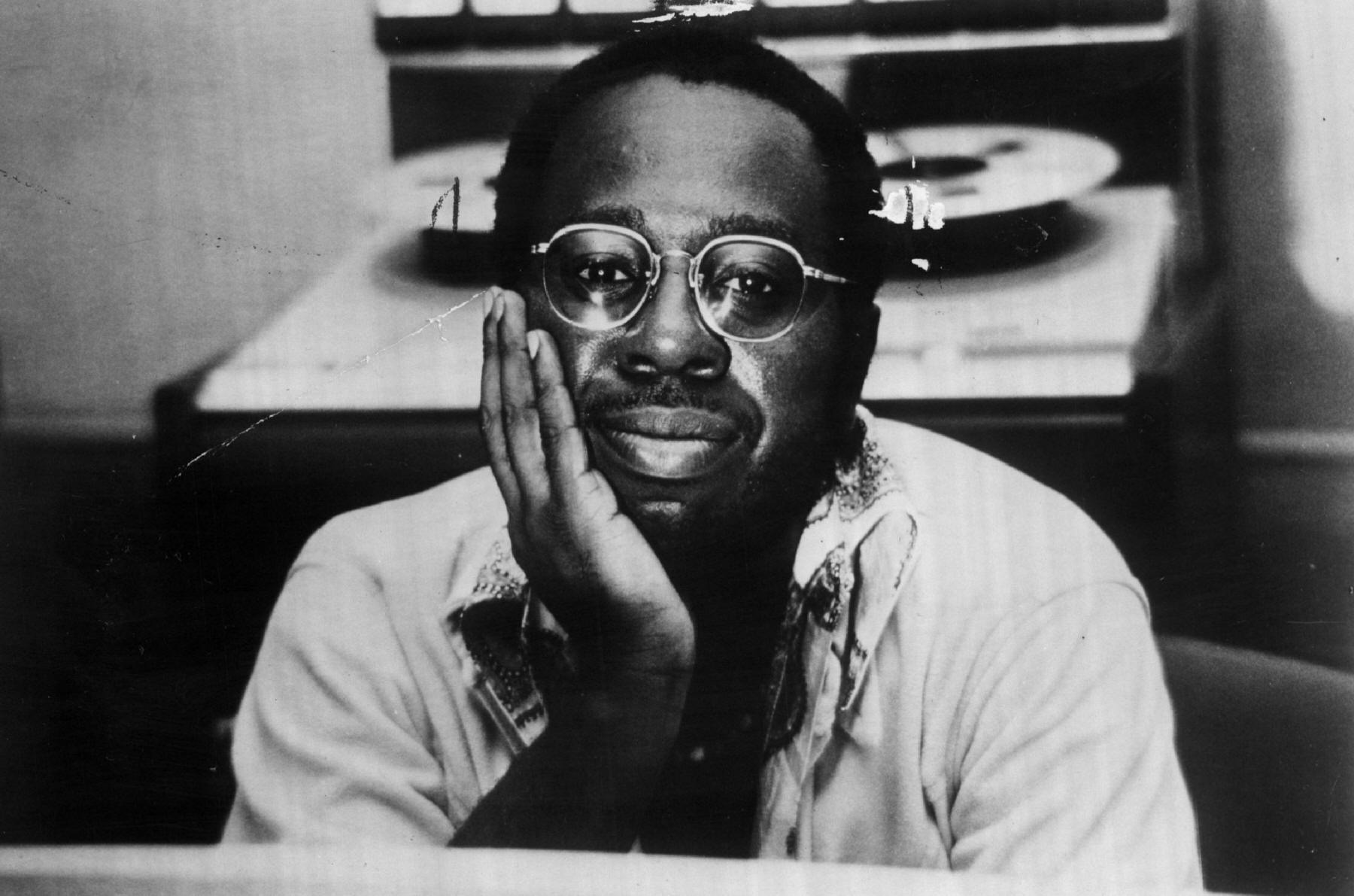
Curtis Mayfield, born on June 3, 1942, in Chicago, was a visionary singer, songwriter, and guitarist whose impact on soul and R&B music is immeasurable. As a founding member of The Impressions and a solo artist, Mayfield’s socially conscious lyrics, silky falsetto vocals, and innovative guitar playing became synonymous with the evolution of soul in the 1960s and 1970s.
Mayfield’s tenure with The Impressions produced timeless classics like “People Get Ready” and “Keep on Pushing,” where his poignant lyrics reflected the Civil Rights Movement’s spirit. Going solo, he crafted the soundtrack for the 1972 film “Super Fly,” a groundbreaking work that not only defined the blaxploitation era but also addressed societal issues and urban struggles.
Curtis Mayfield’s music transcended traditional genres, seamlessly blending soul, funk, and social commentary. His politically charged compositions, such as “Move On Up” and “Freddie’s Dead,” showcased his commitment to addressing the complexities of African American life.
Tragically, in 1990, Mayfield’s career was interrupted when a stage lighting rig fell on him during a concert, leaving him paralyzed. Despite his physical challenges, his influence persisted, with artists across genres acknowledging his impact. Curtis Mayfield’s enduring legacy lies not just in his chart-topping hits but also in his unwavering commitment to using music as a platform for social change.
1. Move On Up
“Move On Up” is a classic soul anthem by Curtis Mayfield, released as a single in 1970 from his debut solo album, “Curtis.” The song exemplifies Mayfield’s distinctive blend of soul, funk, and socially conscious lyrics, making it a timeless and uplifting piece.
With its infectious grooves, horns, and Mayfield’s silky falsetto vocals, “Move On Up” captures the essence of empowerment and optimism. The lyrics encourage listeners to persevere and strive for success, reflecting Mayfield’s commitment to addressing social issues and inspiring positive change.
The song’s musical arrangement is both dynamic and expansive, incorporating elements of funk and gospel. Clocking in at over eight minutes in its full version, “Move On Up” allows for extended instrumental breaks that showcase Mayfield’s masterful guitar work. The extended arrangement became a staple in the world of dance and has been sampled by numerous artists in various genres.
Beyond its musical influence, “Move On Up” became an anthem for social and political movements. Mayfield’s ability to infuse his music with messages of hope and resilience solidified the song as a soul classic. Its enduring popularity is a testament to Curtis Mayfield’s legacy as a pioneering artist who used his craft to inspire change and uplift spirits.
2. Superfly
“Superfly” is a classic soul and funk song performed by Curtis Mayfield. It serves as the title track for the soundtrack of the 1972 Blaxploitation film “Super Fly,” in which Mayfield was heavily involved. The soundtrack is considered one of the most influential in the genre.
Curtis Mayfield not only provided the soundtrack but also composed the majority of the songs, including “Superfly.” The lyrics address the struggles and temptations faced by a drug dealer, reflecting the narrative of the film. However, Mayfield’s socially conscious approach adds layers of commentary on societal issues, creating a powerful and thought-provoking piece.
Musically, “Superfly” is characterized by Mayfield’s distinctive falsetto vocals, a funky rhythm, and a memorable guitar riff. The song incorporates elements of soul, funk, and rhythm and blues, contributing to its unique and enduring sound.
“Superfly” became one of Curtis Mayfield’s signature songs and a cultural touchstone for the Blaxploitation era. The soundtrack, including the hit single, was critically acclaimed and commercially successful, solidifying Mayfield’s status as a pioneering artist in the realm of soul and funk music. The song’s impact resonates not only as a soundtrack highlight but also as a standalone classic in the history of American music.
3. Freddie’s Dead
“Freddie’s Dead” is a soul and funk classic by Curtis Mayfield, released in 1972. The song served as the theme for the film “Super Fly,” for which Mayfield also composed the soundtrack. Known for its socially conscious lyrics and distinctive sound, “Freddie’s Dead” became one of Mayfield’s signature solo works.
The song addresses the harsh realities of urban life, exploring themes of poverty, drugs, and the impact of systemic issues on individuals. The title refers to the film’s character Freddie, who meets a tragic end, serving as a metaphor for the struggles faced by many in inner-city communities.
“Freddie’s Dead” features Mayfield’s soulful vocals and his intricate guitar work, creating a unique and memorable sonic landscape. The song incorporates elements of funk and R&B, contributing to its enduring appeal and influence on subsequent generations of musicians.
Beyond its musical acclaim, “Freddie’s Dead” stands as a powerful social commentary, reflecting Mayfield’s commitment to addressing the challenges faced by marginalized communities. The song’s impact extends beyond its initial release, remaining relevant as a cultural and artistic statement on the complexities of urban life.
4. (Don’t Worry) If There’s a Hell Below, We’re All Going to Go
“(Don’t Worry) If There’s a Hell Below, We’re All Going to Go” is a socially conscious and politically charged song by Curtis Mayfield, released in 1970. It serves as the opening track of his debut solo album, “Curtis.”
The lyrics of the song delve into themes of social and political unrest, touching on issues such as racial inequality, corruption, and the turbulent state of the world. Mayfield’s lyrics are delivered with a sense of urgency and purpose, reflecting the social activism prevalent during the late 1960s and early 1970s.
Musically, the song is characterized by its innovative and layered production, blending elements of funk, soul, and rock. The track features Mayfield’s soulful falsetto vocals, a prominent bassline, and a dynamic arrangement that builds in intensity as the song progresses.
“(Don’t Worry) If There’s a Hell Below, We’re All Going to Go” is recognized for its bold and unapologetic commentary on societal issues, making it a standout and influential track in Curtis Mayfield’s discography. The song’s impact extends beyond its initial release, with its themes continuing to resonate and inspire discussions about social justice and activism.
5. Keep on Keepin’ On
“Keep On Keepin’ On” is a soulful and inspirational song by Curtis Mayfield, released in 1974. The track is part of his album “Sweet Exorcist” and reflects Mayfield’s commitment to delivering uplifting messages through his music.
The lyrics of “Keep On Keepin’ On” encourage perseverance and resilience in the face of challenges. Mayfield’s smooth vocals, coupled with the optimistic and empowering message, create a motivational anthem that resonates with listeners. The song’s title itself serves as a rallying cry, urging individuals to press on despite adversity.
Musically, the song features Mayfield’s signature guitar playing, characterized by intricate and melodic lines. The arrangement blends elements of soul, funk, and R&B, showcasing Mayfield’s ability to create a seamless fusion of genres.
Curtis Mayfield’s “Keep On Keepin’ On” has not only become a timeless classic in his discography but also a source of inspiration for those facing difficulties. The song’s enduring popularity is a testament to Mayfield’s impact as a socially conscious artist who used his music to uplift and motivate his audience.
6. She Don’t Let Nobody (But Me)
“She Don’t Let Nobody (But Me)” is a soulful R&B song by Curtis Mayfield, released in 1980. It is part of his album “Something to Believe In.” This track is notable for its smooth and romantic vibe, showcasing Mayfield’s enduring ability to craft soulful love songs.
The lyrics of “She Don’t Let Nobody (But Me)” express the singer’s feelings of exclusivity and possessiveness in a romantic relationship. Mayfield’s vocals, with his trademark falsetto, bring a sense of intimacy and passion to the song. The music is characterized by a laid-back groove, featuring rhythmic guitar patterns and a melodic arrangement.
While not as widely recognized as some of Mayfield’s earlier hits, this song reflects his consistent ability to convey emotions through his music. Even in the 1980s, a period marked by evolving musical styles, Mayfield maintained his distinctive sound and continued to contribute to the R&B landscape.
Curtis Mayfield’s legacy is celebrated not only for his groundbreaking work with The Impressions and his influential solo career in the 1970s but also for his ability to adapt and create meaningful music across different eras. “She Don’t Let Nobody (But Me)” is a testament to his enduring artistry in the realm of soul and R&B.
7. Right on for the Darkness
“Right on for the Darkness” is a soulful and socially conscious song by Curtis Mayfield, released in 1973 as part of his album “Back to the World.” The track is known for its poetic lyrics and Mayfield’s distinctive falsetto vocals.
The song explores themes of inner strength, perseverance, and the struggle for personal and societal redemption. Mayfield’s lyrics reflect a sense of optimism and resilience in the face of challenges. The title itself, “Right on for the Darkness,” suggests finding enlightenment and empowerment even in difficult times.
Musically, the song is characterized by its smooth and laid-back groove, featuring Mayfield’s signature guitar work and a sophisticated orchestration. The arrangement complements the reflective and contemplative nature of the lyrics.
“Right on for the Darkness” showcases Curtis Mayfield’s ability to merge social commentary with soulful and melodic elements. The song remains a testament to Mayfield’s impact on the soul and R&B genres and his ability to create music that resonates on both artistic and societal levels.
8. Get Down
“Get Down” is a soul and funk song by Curtis Mayfield, released in 1971 as a part of his album “Roots.” The track is characterized by its infectious groove, Mayfield’s distinctive falsetto vocals, and socially conscious lyrics, typical of his signature style.
“Get Down” features a rhythmic and danceable arrangement, with Mayfield’s smooth delivery conveying a message of social awareness. The lyrics touch on themes of poverty, inequality, and the struggles faced by marginalized communities, emphasizing the need for positive change.
As with many of Curtis Mayfield’s compositions, “Get Down” showcases his ability to seamlessly blend soul, funk, and thoughtful social commentary. The song not only encourages listeners to move to its irresistible rhythm but also prompts reflection on societal issues.
Curtis Mayfield’s influence on the development of funk and his commitment to addressing social concerns through music are evident in “Get Down.” The song remains a testament to Mayfield’s artistry and his role as a pioneer in the soul and funk genres during the 1970s.
9. Future Shock
“Future Shock” is an album by soul/funk musician Curtis Mayfield, released in 1973. The title track, “Future Shock,” is also one of the standout songs from the album. The term “future shock” refers to the disorientation and stress caused by the perception that technology, social structures, and cultural norms are changing rapidly and unpredictably.
The song “Future Shock” is a socially conscious piece that addresses the challenges and uncertainties of the modern world. Curtis Mayfield’s lyrics reflect on the impact of rapid technological advancements, political changes, and societal shifts on individuals and communities. The message is one of caution and awareness, urging listeners to navigate the future with open eyes and adaptability.
Musically, “Future Shock” incorporates elements of funk, soul, and rock. The track features Mayfield’s soulful vocals, socially relevant lyrics, and a dynamic arrangement that captures the energy and complexity of the subject matter. The album as a whole represents Mayfield’s exploration of new musical directions and his commitment to addressing contemporary issues through his art.
“Future Shock” and the album of the same name showcase Curtis Mayfield’s ability to blend thoughtful social commentary with innovative musical styles, marking an important phase in his career as he continued to evolve and contribute to the landscape of soul and funk music.
10. Do Do Wap Is Strong In Here
“Do Do Wap Is Strong In Here” is a track by Curtis Mayfield, released in 1973 as part of his album “Back to the World.” The song is notable for its smooth, soulful sound and Mayfield’s introspective lyrics.
The title, “Do Do Wap Is Strong In Here,” suggests a play on the doo-wop genre, a style of vocal-based rhythm and blues music that flourished in the 1950s and early 1960s. Mayfield incorporates elements of doo-wop into the song while infusing it with his own unique style.
Lyrically, the song explores themes of love, unity, and the strength found in the power of music. Mayfield’s ability to blend social consciousness with soulful melodies is evident in this track. The song carries a positive and uplifting message, emphasizing the resilience and power of collective spirit.
As with many of Curtis Mayfield’s works, “Do Do Wap Is Strong In Here” showcases his musical versatility and his ability to craft songs that resonate on both an emotional and intellectual level. The track contributes to Mayfield’s legacy as a soul and funk pioneer with a keen sense of social commentary.

Edward Tomlin is a frequent contributor to Singers Room. Since 2005, Singersroom has been the voice of R&B around the world. Connect with us via social media below.









