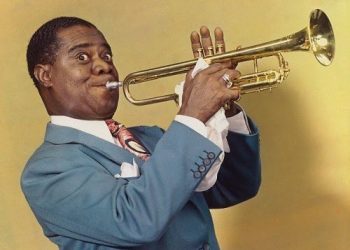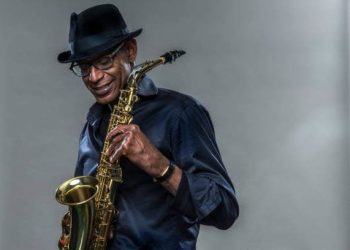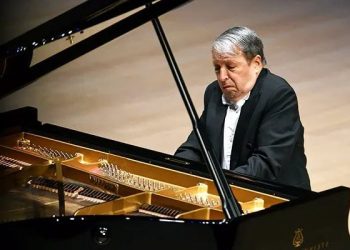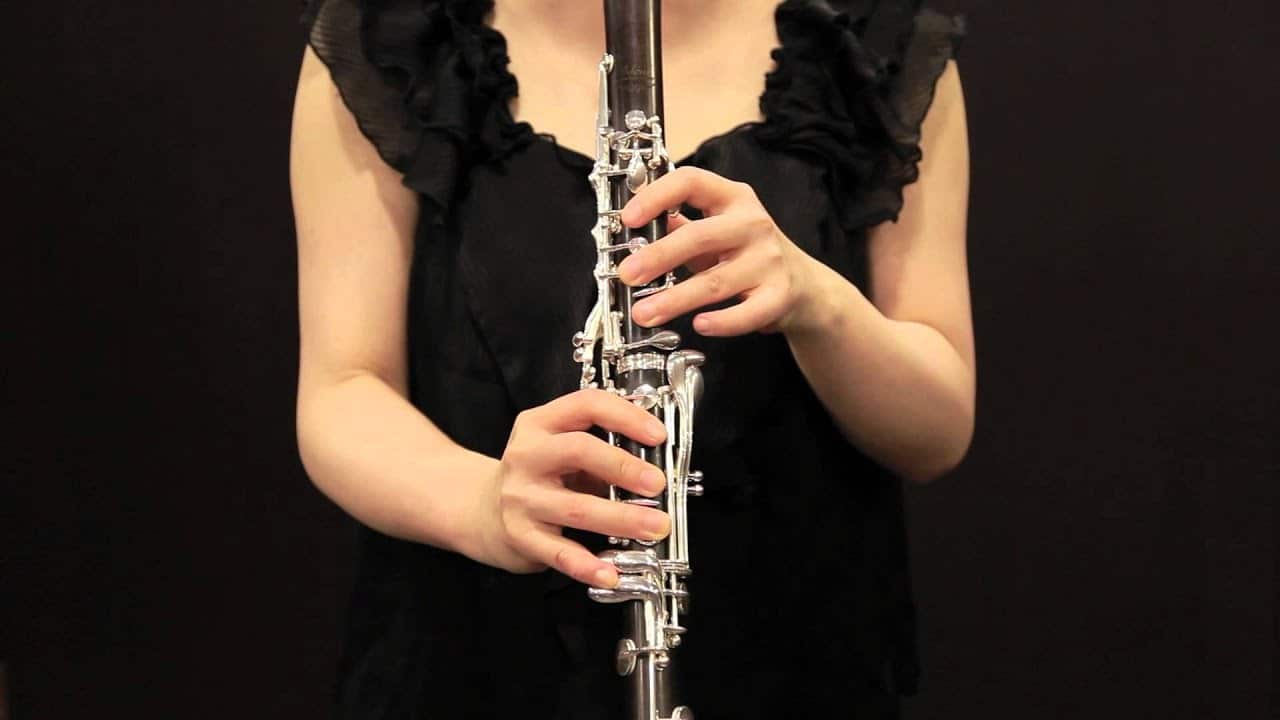
Clarinet players, or clarinetists, are musicians skilled in playing the clarinet, a woodwind instrument known for its versatility and wide expressive range. The clarinet’s distinct, rich sound can convey a multitude of emotions, from the warm, deep tones of the lower register to the bright, piercing sounds of the upper register. This allows clarinetists to excel in a variety of musical genres, including classical, jazz, contemporary, and folk music.
Mastering the clarinet requires a combination of technical precision, breath control, and emotional expressiveness. Clarinetists must develop a strong embouchure—the way the mouth engages the mouthpiece—and the ability to control their fingers over the instrument’s keys to produce smooth, agile passages and articulate rapid sequences of notes with clarity. Breath control is essential for maintaining tone quality, dynamic range, and phrasing, especially in longer, sustained passages.
The role of the clarinet in musical ensembles is diverse. In orchestras, clarinetists often carry melodic lines, add color to harmonic textures, and engage in dialogues with other instruments. Jazz clarinetists explore the instrument’s improvisational possibilities, contributing solos that range from sultry and smooth to lively and rhythmic. Across all settings, clarinet players continue to push the boundaries of their instrument, exploring new repertoire and techniques, and showcasing the clarinet’s enduring appeal and adaptability.
1. Benny Goodman
Benny Goodman, known as the “King of Swing,” was an iconic American clarinetist and bandleader who played a pivotal role in popularizing jazz and swing music in the 1930s and 1940s. Born on May 30, 1909, in Chicago, Goodman achieved fame with his orchestra, which became one of the first to perform jazz at Carnegie Hall, a landmark event that elevated jazz to a higher cultural status. His band featured some of the era’s most talented musicians, fostering interracial collaboration in a time of segregation. Goodman’s virtuosic clarinet playing, characterized by its precision, dynamism, and innovative technique, made him a household name. His recordings remain classics, and his legacy as a bandleader and musician who broke racial barriers continues to inspire.
2. Artie Shaw
Artie Shaw (1910-2004) was an American clarinetist, composer, and bandleader, renowned as one of the leading figures in the swing era of jazz music. Shaw’s innovative approach to jazz and his virtuosic skill on the clarinet made him a standout musician of his time. He was known for his smooth, complex, and highly expressive playing style, which brought a new level of artistry to jazz clarinet performance. Shaw’s career was marked by several hit recordings, including the iconic “Begin the Beguine,” and his bands featured some of the era’s most talented musicians. Beyond music, Shaw was a complex character with interests that ranged from literature to flying, making him a fascinating figure in American cultural history. His contributions to jazz and clarinet music remain influential, securing his legacy as a legendary artist.
3. Sidney Bechet
Sidney Bechet (1897-1959) was a pioneering American jazz musician, renowned for his virtuosic clarinet and soprano saxophone playing. Born in New Orleans, Bechet was a key figure in the early development of jazz, bringing a unique blend of passion, intensity, and innovation to his performances. His ability to convey deep emotions through his instruments led to a highly expressive, instantly recognizable sound. Bechet’s career took him from the United States to Europe, where he found a fervent audience for his music, particularly in France, where he spent his later years. As one of jazz’s first great soloists, Bechet’s contributions to the genre include memorable compositions and groundbreaking recordings that have cemented his legacy as a giant of early jazz music.
4. Woody Herman
Woody Herman (1913-1987) was an American jazz clarinetist, saxophonist, singer, and big band leader, famously known for his energetic and innovative contributions to the jazz and swing music scenes. Leading various groups known as the “Herd,” Herman’s bands were celebrated for their dynamic sound, incorporating elements from bebop, blues, and early rock and roll, thereby evolving with the changing tastes in music. Herman was not only a talented instrumentalist but also a shrewd bandleader who nurtured the talents of many young musicians who would go on to become jazz luminaries. His signature pieces, such as “Woodchopper’s Ball” and “Four Brothers,” showcase his skillful blend of powerful brass and reed arrangements with his own spirited clarinet and vocal performances. Woody Herman’s legacy is that of a versatile and enduring figure in jazz history, whose contributions helped shape the genre’s development.
5. Acker Bilk
Acker Bilk (1929-2014) was an English clarinetist and bandleader, best known for his trademark bowler hat, striped waistcoat, and goatee, as well as his beautifully smooth clarinet tone. Bilk’s signature tune, “Stranger on the Shore,” became an international hit in the early 1960s, making him a household name and one of the most recognized figures in traditional jazz and popular music. His style blended elements of jazz with more accessible popular melodies, appealing to a wide audience and contributing significantly to the popularity of the clarinet in mainstream music. Bilk’s warm, lyrical playing and affable personality led to a long and successful career, with numerous albums and singles that endeared him to fans around the world. His contributions to music remain influential, celebrated for their emotional depth and melodic beauty.
6. Jimmy Hamilton
Jimmy Hamilton (1917-1994) was an American jazz clarinetist and saxophonist, best known for his long tenure with Duke Ellington’s orchestra. Hamilton’s playing was distinguished by his refined tone, impeccable technique, and innovative approach to jazz clarinet. His classical training contributed to a unique sound that blended beautifully with Ellington’s sophisticated arrangements, bringing a new dimension to the band’s music. Hamilton was a master of both the clarinet and tenor saxophone, seamlessly moving between the instruments depending on the musical setting. His contributions to jazz extend beyond performance; his compositions and arrangements added depth to the Ellington repertoire, earning him a respected place in jazz history.
7. Buddy DeFranco
Buddy DeFranco (1923-2014) was an American jazz clarinetist, celebrated for his exceptional skill and innovative approach to playing the clarinet in the bebop and swing genres. As one of the first to adapt the clarinet to the complexities of bebop, DeFranco bridged the gap between the big band era and modern jazz, showcasing remarkable technical prowess and musical sensitivity. Throughout his career, DeFranco collaborated with many jazz legends, including Count Basie, Glenn Miller, and Art Tatum, contributing to some of the genre’s most memorable performances and recordings. His ability to play with both speed and lyricism redefined the role of the clarinet in jazz, earning him numerous awards and accolades, including the NEA Jazz Masters Fellowship. DeFranco’s legacy as a pioneering jazz clarinetist continues to inspire musicians today.
8. Anthony McGill
Anthony McGill is a celebrated American clarinetist, known for his exceptional talent, expressive playing, and dynamic range. As the first African American principal clarinetist of the New York Philharmonic, McGill has broken barriers and served as an inspiration to many. His artistry is marked by a deep musical sensitivity, technical precision, and a beautiful, clear tone that shines in both solo and orchestral settings. McGill’s performances and recordings span a wide repertoire, from classical to contemporary works, showcasing his versatility and commitment to expanding the clarinet’s presence in the music world. Beyond his performance achievements, McGill is also dedicated to education and advocacy, using his platform to support young musicians and promote diversity within classical music.
9. Richard Stoltzman
Richard Stoltzman is an American clarinetist, renowned for his virtuosity and for pioneering the clarinet as a solo instrument in classical and contemporary music. Born on July 12, 1942, Stoltzman’s career has been marked by his innovative approach to the clarinet, blending classical repertoire with jazz and new music, thus expanding the possibilities of the instrument. His expressive playing and technical mastery have earned him international acclaim, two Grammy Awards, and collaborations with leading orchestras, chamber groups, and composers worldwide. Stoltzman’s extensive discography showcases his versatility and commitment to exploring new musical territories, making significant contributions to the clarinet’s presence in the 20th and 21st centuries. His passion for music education and advocacy for new works have solidified his status as a luminary in the world of classical music.
10. Sabine Meyer
Sabine Meyer is one of the leading clarinetists in the world, acclaimed for her exceptional technique, purity of tone, and expressive depth. Her career, marked by controversy and triumph, saw her briefly becoming the first female wind player in the Berlin Philharmonic before departing due to the orchestra’s then-gender biases. This did not deter her; instead, Meyer established herself as a soloist and chamber musician of international renown. Her repertoire spans from classical to contemporary music, showcasing the clarinet’s versatility. Meyer’s recordings and performances are celebrated for their musicality and precision, earning her numerous awards. As a teacher, she has mentored many young talents, contributing significantly to the next generation of clarinetists. Her influence extends beyond her own performances, making her a pivotal figure in the classical music world.
11. Larry Combs
Larry Combs is a distinguished American clarinetist, celebrated for his impeccable technique, warm tone, and musical versatility. Serving as the principal clarinetist of the Chicago Symphony Orchestra (CSO) from 1978 to 2008, Combs made a significant impact on the world of classical music, contributing to the CSO’s reputation as one of the premier orchestras globally. His performances, both as a soloist and chamber musician, are noted for their expressive depth and precision. Beyond the concert stage, Combs is a dedicated educator, having taught at prestigious institutions like DePaul University, nurturing the next generation of clarinetists. His recordings and collaborations span a wide range of genres, showcasing his adaptability and passion for exploring the clarinet’s full expressive potential.
12. Karl Leister
Karl Leister is a German clarinetist renowned for his distinguished career as a leading figure in classical clarinet music. Born in 1937, Leister became a prominent member of the Berlin Philharmonic Orchestra, where his exceptional talent and beautiful tone set new standards for clarinet playing. His interpretive depth and technical mastery have made significant contributions to both solo and chamber music repertoires. Leister’s performances and recordings of Mozart, Brahms, and Weber, among others, are particularly celebrated for their musicality and precision. Beyond his performance career, Leister is also revered as a teacher, sharing his profound knowledge and passion for music with generations of students, thus leaving a lasting impact on the world of classical clarinet.
13. Martin Fröst
Martin Fröst is a Swedish clarinetist, renowned for his extraordinary technical proficiency, innovative programming, and dynamic stage presence. Born on December 14, 1970, Fröst has pushed the boundaries of classical music, incorporating elements of dance, lighting, and multimedia into his performances to create immersive concert experiences. His repertoire spans from traditional clarinet works to contemporary commissions, reflecting his commitment to expanding the instrument’s literature. Fröst’s collaborations with composers and musicians across various genres highlight his versatility and creativity. As a recording artist, he has received numerous accolades for his albums, which showcase his exceptional ability to convey emotion and nuance through the clarinet. Additionally, Fröst is dedicated to music education and mentorship, influencing a new generation of musicians with his innovative approaches to performance and interpretation.
14. Jack Brymer
Jack Brymer (1915-2003) was a British clarinetist, renowned for his lyrical playing, warm tone, and impeccable technique, making him one of the most admired clarinetists of the 20th century. His career was highlighted by his long tenure as principal clarinetist with the Royal Philharmonic Orchestra, the BBC Symphony Orchestra, and the London Symphony Orchestra. Brymer’s interpretations of the clarinet repertoire, especially the works of Mozart and Brahms, set a benchmark for musicianship and stylistic understanding. He was also a dedicated educator, authoring influential books on clarinet playing and music. Brymer’s legacy extends through his recordings, which continue to inspire clarinetists worldwide with their expressive depth and clarity.
15. Stanley Drucker
Stanley Drucker is an American clarinetist whose remarkable career spanned over six decades, predominantly with the New York Philharmonic, where he served as principal clarinetist for an unprecedented 49 years. Born in 1929, Drucker’s tenure with the orchestra saw him perform in over 10,000 concerts, a testament to his endurance, consistency, and unparalleled musicianship. His extensive discography includes critically acclaimed recordings of the core clarinet repertoire, showcasing his virtuosic technique, rich tonal color, and expressive depth. Drucker’s legacy is not only marked by his longevity but also by his influence on generations of musicians, cementing his status as a legendary figure in the world of classical music.

Edward Tomlin is a frequent contributor to Singers Room. Since 2005, Singersroom has been the voice of R&B around the world. Connect with us via social media below.