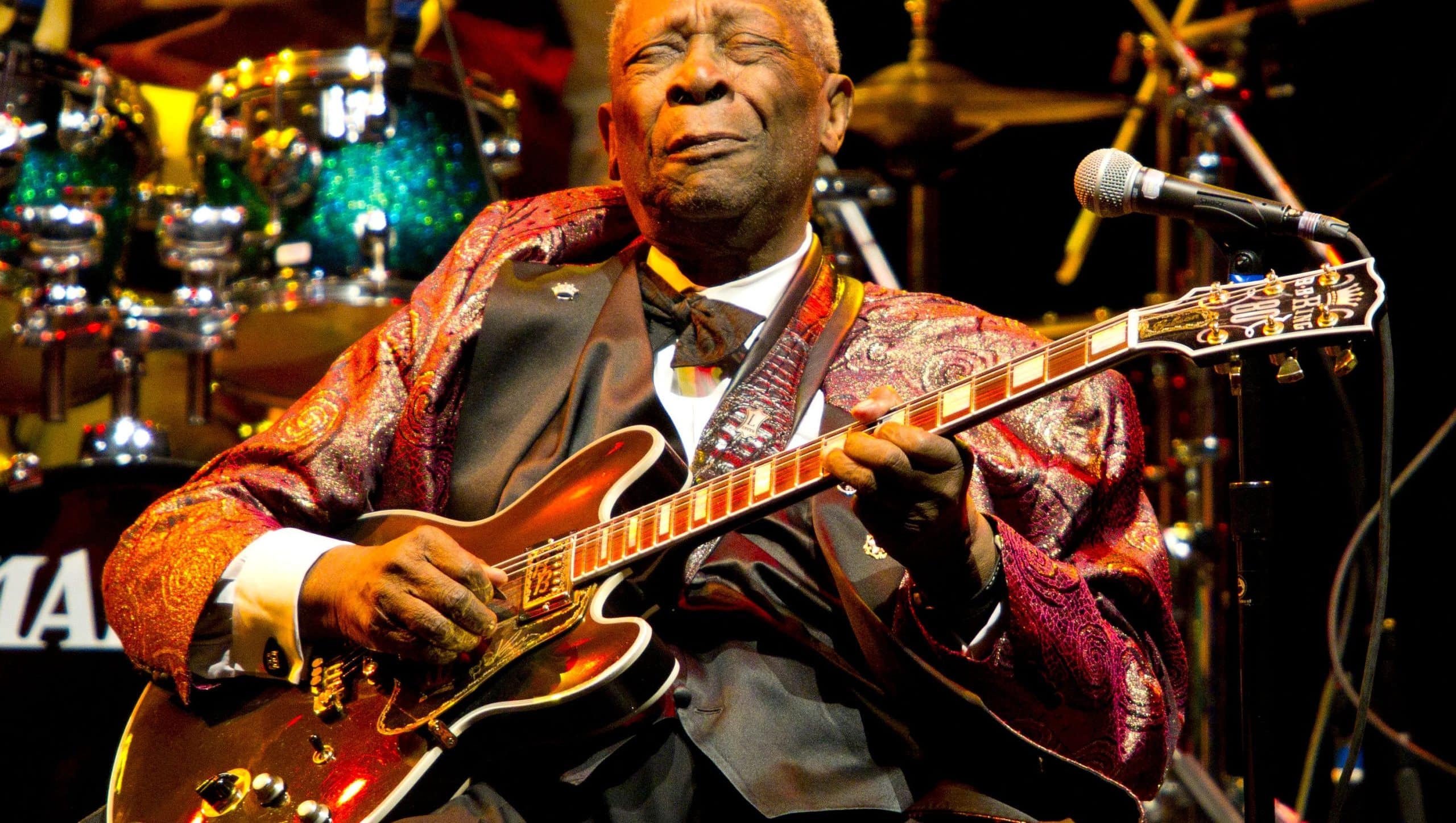
The blues, an evocative and profound musical genre, has played a pivotal role in shaping the landscape of American music and beyond, touching the souls of audiences worldwide with its raw emotion and powerful storytelling. Rooted in the African American experience of the late 19th and early 20th centuries, the blues has evolved from its humble origins in the Deep South’s plantations, juke joints, and rural communities to become a cornerstone of modern music, influencing rock, jazz, and R&B. This genre encapsulates a spectrum of human emotions, from sorrow and pain to joy and redemption, articulated through its distinctive 12-bar structures, expressive vocal styles, and the soulful sounds of guitars, harmonicas, and pianos. The blues has given rise to a myriad of songs that not only define the genre but also stand as monumental contributions to the global music canon. In this exploration of the top 15 best blues songs of all time, we delve into the heart and soul of the blues tradition, highlighting tracks that have left an indelible mark on the cultural zeitgeist. These songs, crafted by legendary artists such as Muddy Waters, B.B. King, Robert Johnson, and Etta James, among others, embody the essence of the blues, conveying stories of life’s trials and tribulations with authenticity and passion. As we journey through this curated list, we not only pay homage to the timeless classics that have inspired generations of musicians and fans alike but also appreciate the enduring power of the blues to connect deeply with the human experience, transcending boundaries of time, culture, and geography.
1. Stormy Monday by T-Bone Walker
“Stormy Monday,” penned and performed by T-Bone Walker, stands as a monumental track in the blues genre, encapsulating the essence of the blues with its soulful lyricism and expressive guitar work. Released in 1947, this song is often hailed as one of the most influential blues songs ever recorded, showcasing Walker’s mastery over the electric guitar—a relatively novel instrument in blues music at the time. The song’s lyrics narrate the woes of the weekdays, climaxing with the relief that the weekend brings, a theme that resonates with the universal feeling of looking forward to better days. Its slow, melancholic rhythm and heartfelt delivery have made it a timeless piece, influencing countless musicians across generations.
Walker’s innovative guitar technique, characterized by fluid bends and emotive vibrato, set new standards for electric blues guitar playing. “Stormy Monday” has been covered by numerous artists, including the Allman Brothers Band, who added their own Southern rock flair to the song, further cementing its place in music history. The track’s enduring appeal lies in its ability to convey deep emotional truths through simple, yet profound lyrics paired with Walker’s groundbreaking guitar work. It’s not just a song; it’s an experience, a journey through the highs and lows of life, encapsulated in a few minutes of blues perfection.
2. Got My Mojo Working by Muddy Waters
“Got My Mojo Working” is a vibrant and energetic blues classic performed by Muddy Waters, originally written by Preston “Red” Foster. Released in 1957, the song quickly became synonymous with Waters’ powerful vocal delivery and dynamic stage presence, embodying the electrifying essence of Chicago blues. The term “mojo” refers to a magical charm or spell, and in this song, Waters sings about his frustration over an ineffective mojo, a metaphor for his unreciprocated love and desire. The driving rhythm, harmonica blasts, and Waters’ commanding voice combine to create a track that is as infectious as it is spirited, making listeners feel every bit of the urgency and frustration expressed in the lyrics.
“Got My Mojo Working” not only showcases Waters’ mastery of the blues genre but also highlights the fusion of traditional Delta blues with the amplified sound that would come to define the Chicago blues style. This song has left an indelible mark on the blues and rock music, covered by numerous artists across various genres, demonstrating its widespread influence and appeal. The energetic performance and catchy refrain have made it a staple in blues music, capturing the raw emotion and heart of the blues. Waters’ performance of “Got My Mojo Working” remains a definitive moment in blues history, showcasing his ability to connect with audiences and convey powerful emotions through music.
3. Mannish Boy by Muddy Waters
“Mannish Boy” is a quintessential blues anthem by Muddy Waters, first recorded in 1955. This song serves as a bold declaration of masculinity and coming of age, with its repetitive, driving riff and Waters’ deep, resonant voice proclaiming, “I’m a man, I spell M-A-N, man.” The track’s simplicity in structure—built around a one-chord vamp—belies its profound impact on the blues genre and popular music at large. It revisits and reinterprets the classic blues theme of the boogie rhythm, making it both a nod to tradition and a step forward in the evolution of electric blues. “Mannish Boy” is characterized by its raw energy, infectious groove, and the powerful interplay between Waters’ vocals and the band’s tight, rhythmic backing, featuring the harmonica and guitar licks that became signatures of Chicago blues.
Over the years, “Mannish Boy” has grown in stature, becoming a symbol of resilience and self-affirmation. Its influence extends beyond blues to rock, punk, and beyond, covered and reimagined by countless artists. The song’s enduring appeal lies in its universal theme of identity and assertiveness, encapsulated in a form that is visceral and direct. Muddy Waters’ performance of “Mannish Boy” is a masterclass in the blues genre, showcasing his unparalleled ability to convey strength, vulnerability, and the human experience through music. This track not only solidified Waters’ status as a blues legend but also perpetuated the blues tradition, inspiring future generations to explore and celebrate their identity through music.
4. Dust My Broom by Elmore James
“Dust My Broom” is a landmark blues recording by Elmore James, released in 1951. This electrifying track is best known for James’ masterful slide guitar work, which would come to define the sound of electric blues. The song’s origins trace back to Robert Johnson, but James’ rendition—with its electrifying energy and raw emotional power—transformed it into a blues standard, showcasing his signature slide technique that influenced countless guitarists across various music genres. The opening riff of “Dust My Broom” is iconic, featuring a series of shimmering slide guitar notes that immediately grab the listener’s attention and convey a sense of longing and restlessness. The lyrics speak of departure and change, themes common in blues music, but James’ passionate delivery and the driving rhythm give the song a unique vibrancy.
Elmore James’ “Dust My Broom” is not just a song; it’s a pivotal moment in the history of blues music, marking the transition from acoustic Delta blues to the more electrified sounds that would dominate the genre. His use of amplification and his distinctive slide technique expanded the expressive capabilities of the electric guitar, inspiring a generation of musicians. The song’s impact on blues, rock, and beyond is immeasurable, with James’ fiery playing and heartfelt singing establishing “Dust My Broom” as an enduring anthem of the blues. It remains a testament to the power of blues music to convey deep emotions and the transformative potential of a single guitar to shape the sound of an entire genre.
5. Everyday I Have the Blues by B.B. King
“Everyday I Have the Blues” is one of B.B. King’s most celebrated and enduring hits, a song that has become synonymous with his name and the blues genre at large. Though the song has been recorded by numerous artists, King’s version, with its release in the 1950s, stands out for its heartfelt vocal delivery and his signature, expressive guitar playing. The song’s lyrics articulate a feeling of persistent sorrow and the universality of suffering, themes that resonate deeply within the blues tradition. King’s rendition is particularly notable for its smooth, soulful arrangement and the masterful interplay between his voice and Lucille, his beloved guitar. His ability to convey deep emotion through subtle guitar vibratos and dynamic bends made this song a staple of his live performances and helped cement his reputation as one of the greatest blues guitarists of all time.
B.B. King’s “Everyday I Have the Blues” is more than just a song; it’s an expression of the resilience and enduring spirit of the human condition, encapsulated through the blues. King’s performance showcases his unique approach to the blues, characterized by a refined blend of traditional blues elements with more contemporary sounds. This song not only highlights King’s virtuosic guitar skills but also his profound understanding of the blues as a means of emotional expression. Over the years, “Everyday I Have the Blues” has remained a beloved classic, a testament to B.B. King’s incredible influence on the blues genre and music as a whole. Through this track, King invites listeners into a world of emotional depth and musical sophistication, leaving a lasting legacy that continues to inspire and move audiences around the world.
6. Boom Boom by John Lee Hooker
“Boom Boom,” released in 1962 by John Lee Hooker, is a towering classic in the blues genre that captures the essence of Hooker’s raw, hypnotic sound. This song stands out for its compelling rhythm, Hooker’s deep, gravelly voice, and the infectious hook that gives the track its name. Unlike the slow, melancholic blues that characterized much of the genre, “Boom Boom” is upbeat and energetic, showcasing Hooker’s ability to create a blues song that can fill dance floors. The lyrics speak of the power of attraction and the intensity of love, themes universal and timeless, delivered with Hooker’s characteristic swagger and confidence. The driving beat, combined with Hooker’s rhythmic guitar playing and emphatic vocal delivery, makes “Boom Boom” an unforgettable blues anthem.
John Lee Hooker’s influence on the development of blues music cannot be overstated, and “Boom Boom” exemplifies his innovative approach to the genre. By blending traditional blues elements with a more modern, accessible sound, Hooker helped bridge the gap between the delta blues of the past and the electric blues sound that would dominate the genre. The song has been covered by numerous artists across various genres, a testament to its broad appeal and Hooker’s enduring legacy. “Boom Boom” not only solidified John Lee Hooker’s status as a blues legend but also left an indelible mark on the music world, influencing generations of musicians with its powerful beat and captivating rhythm.
7. Born Under a Bad Sign by Albert King
“Born Under a Bad Sign,” performed by Albert King and released in 1967, is a cornerstone of the blues genre, emblematic of the soul-blues fusion that characterized the music of the late 1960s. Written by Booker T. Jones and William Bell, the song’s poignant lyrics about misfortune and bad luck are delivered over a groove that blends blues guitar licks with the sensibilities of Memphis soul, courtesy of the backing by Stax Records’ house band, Booker T. & the M.G.’s. King’s deep, forceful voice, combined with his piercing, vibrato-heavy guitar work, creates a sound that is both raw and deeply emotive. The song’s refrain, “If it wasn’t for bad luck, I wouldn’t have no luck at all,” resonates as an anthem for the downtrodden, encapsulating a feeling of existential woe with a touch of irony.
“Born Under a Bad Sign” has since become a blues standard, covered by countless artists and influencing musicians across blues, rock, and other genres. Albert King’s rendition, with its fusion of blues and soul, marked a significant moment in the evolution of blues music, opening up new avenues for stylistic exploration. The song’s enduring popularity underscores not only King’s mastery of the blues guitar but also his ability to convey deep, universal emotions through his music. King’s innovative guitar techniques and soulful playing style have left a lasting legacy, making “Born Under a Bad Sign” a seminal track that continues to inspire and captivate audiences with its timeless message and unforgettable sound.
8. Key to the Highway by Big Bill Broonzy
“Key to the Highway” is a classic blues song that has been a staple of the genre since it was first recorded by Big Bill Broonzy in 1940. This enduring track is celebrated for its wandering, nomadic spirit, encapsulated in the lyrics that speak of a life spent traveling the open road. Broonzy’s rendition of “Key to the Highway” is marked by his rich, expressive voice and masterful acoustic guitar playing, embodying the traditional Delta blues sound with its emotional depth and simplicity. The song’s structure is built around a recurring chord progression that gives it a timeless, universal appeal, resonating with anyone who’s ever felt the call of the horizon. The lyrics, with their themes of freedom, travel, and the search for a better life, showcase the blues’ capacity to convey profound human experiences and emotions.
Over the decades, “Key to the Highway” has been covered by numerous artists across various genres, becoming a symbol of the enduring appeal of the blues. Big Bill Broonzy’s version, however, remains a touchstone for the song’s interpretation, highlighting his significant influence on the development of blues music. Broonzy’s ability to blend the raw emotionality of the blues with his storytelling prowess made “Key to the Highway” more than just a song; it’s a narrative of resilience and the quest for autonomy. The track stands as a testament to Broonzy’s artistry and the timeless appeal of the blues, embodying the genre’s essence through its evocative lyrics and haunting melodies.
9. The Sky Is Crying by Elmore James
“The Sky Is Crying,” recorded by Elmore James in 1959, is a poignant masterpiece in the blues genre, showcasing James’ exceptional slide guitar skills and soul-stirring vocal delivery. The song captures the essence of the blues with its melancholic lyrics that speak of loss and heartache, as if the sky itself were weeping. James’ slide guitar work on this track is nothing short of iconic, with his emotive, crying guitar lines mirroring the sorrow expressed in the lyrics. This hauntingly beautiful song is a showcase of James’ ability to convey deep emotions through his music, blending his raw, powerful voice with his distinctive guitar sound to create a deeply affecting blues experience.
“The Sky Is Crying” has become a blues standard, covered by numerous artists who have each brought their own interpretation to the song, yet Elmore James’ original version remains unmatched in its emotional depth and musicality. The song’s enduring appeal lies in its universal theme of grief and longing, delivered through James’ masterful guitar playing and heartfelt singing. It stands as a testament to Elmore James’ legacy as a blues legend and his profound influence on the genre. “The Sky Is Crying” is not just a song; it’s an emotional journey that resonates with listeners, making it one of the most beloved and respected blues tracks of all time.
10. Red House by Jimi Hendrix
“Red House” by Jimi Hendrix is a seminal piece in the blues rock genre, showcasing Hendrix’s unparalleled mastery of the electric guitar. Released on his 1967 debut album “Are You Experienced,” the song is a vivid testament to Hendrix’s deep blues roots and his innovative approach to guitar playing. “Red House” is distinguished by its slow-burning blues structure, over which Hendrix lays down some of the most expressive and technically proficient guitar solos of his career. The lyrics tell a story of lost love and longing, with Hendrix’s soulful voice complementing his guitar work, creating a powerful emotional narrative.
Hendrix’s performance on “Red House” is a masterclass in blues expression, utilizing a range of techniques from bending and vibrato to his pioneering use of feedback and distortion. The song not only highlights his technical skill but also his ability to convey deep emotions, making “Red House” a quintessential blues track that transcends the boundaries between blues and rock. Hendrix’s influence on the guitar and music, in general, is immeasurable, and “Red House” stands as a shining example of his genius. It remains a cornerstone of Hendrix’s legacy, celebrated for its emotional depth, musical innovation, and the indelible mark it has left on the world of music.
11. I’d Rather Go Blind by Etta James
“I’d Rather Go Blind” by Etta James is a profound and soul-stirring ballad that stands as one of the most powerful expressions of heartbreak and loss in the realm of blues and soul music. Released in 1968, Etta James’ rendition of this song has become iconic, showcasing her unparalleled vocal prowess and deep emotional resonance. The song’s lyrics speak to the depths of despair over lost love, with James conveying a sense of profound sorrow and vulnerability that is palpable. Her delivery of the line, “I would rather go blind, boy, than to see you walk away from me,” captures the essence of the song’s emotional intensity, making it a timeless anthem of love and loss.
The musical arrangement of “I’d Rather Go Blind” complements James’ vocal performance perfectly, with its understated instrumentation allowing her voice to take center stage and deliver the emotional weight of the song. Etta James’ interpretation of “I’d Rather Go Blind” is considered one of her signature songs, highlighting her ability to convey complex emotions through her music. The song has been covered by numerous artists across various genres, attesting to its universal appeal and the deep emotional connection it fosters with listeners. Etta James’ “I’d Rather Go Blind” remains a masterpiece of soulful expression, enduring as a testament to her extraordinary talent and the timeless appeal of blues and soul music.
12. Cross Road Blues by Robert Johnson
“Cross Road Blues” by Robert Johnson is a seminal track in the history of blues music, recorded in 1936. This song is steeped in legend, famously associated with the myth that Johnson sold his soul to the devil at a crossroads in Mississippi for his extraordinary musical talent. The song itself is a raw and haunting expression of desperation and existential angst, with Johnson’s eerie, powerful voice accompanied only by his intricate guitar work. The lyrics speak of a man at a crossroads, both literally and metaphorically, dealing with the profound themes of fate, despair, and the search for redemption. Johnson’s ability to convey such deep emotions with sparse instrumentation is a testament to his genius and the reason why “Cross Road Blues” has become a cornerstone of the blues genre.
Robert Johnson’s influence on music extends far beyond the blues, shaping the evolution of rock and roll and inspiring countless musicians. “Cross Road Blues” in particular has been covered and reinterpreted by many artists, becoming a symbol of the enduring power and mystery of the blues. Johnson’s masterful guitar playing, combined with his soulful vocals, creates an atmosphere that is both haunting and deeply moving. The song not only showcases his incredible talent but also captures the essence of the human condition, making “Cross Road Blues” an enduring classic that continues to resonate with audiences today.
13. Sweet Home Chicago by Robert Johnson
“Sweet Home Chicago” by Robert Johnson is one of the most celebrated and recognized blues songs of all time, recorded in 1936. This upbeat track stands as a quintessential example of the Delta blues style, characterized by Johnson’s masterful guitar playing and distinctive, emotive vocals. The song’s lyrics offer a lively and affectionate tribute to the city of Chicago, a place mythologized as a promised land for many African Americans during the Great Migration. Johnson’s performance captures the hopeful spirit of seeking a better life in the North, with “Sweet Home Chicago” becoming an anthem of sorts for the city and its deep ties to the blues tradition.
Robert Johnson’s contribution to the blues genre with “Sweet Home Chicago” goes beyond its lyrical homage; it’s in the intricate guitar techniques and the raw, expressive power of his voice that the song’s true legacy lies. His ability to weave complex narratives through music, paired with his innovative guitar skills, has made “Sweet Home Chicago” a timeless classic, inspiring countless musicians across genres. The song not only pays tribute to the cultural significance of Chicago in the history of the blues but also showcases Johnson’s profound influence on the development of American music. “Sweet Home Chicago” remains a beloved standard, a testament to Robert Johnson’s enduring legacy and the enduring appeal of the blues.
14. Pride and Joy by Stevie Ray Vaughan
“Pride and Joy” by Stevie Ray Vaughan is a vibrant and exhilarating showcase of Vaughan’s mastery of blues guitar, released in 1983 as part of his debut album, “Texas Flood.” This song stands out as a testament to Vaughan’s deep roots in the blues tradition, infused with his own innovative, high-energy style that revitalized the genre in the 1980s. The track features Vaughan’s signature guitar playing—fiery, expressive, and technically brilliant—accompanied by his raw, passionate vocals. The lyrics celebrate a loving, joyful relationship, a theme that Vaughan delivers with sincerity and a palpable sense of happiness, making “Pride and Joy” an infectious and uplifting blues anthem.
Stevie Ray Vaughan’s impact on the blues and rock music with “Pride and Joy” cannot be overstated; he brought a fresh intensity and virtuosity to the blues, attracting a new generation of fans and musicians alike. His playing on this track, characterized by fluid solos, tight rhythms, and a seamless blend of traditional and modern blues elements, showcases his extraordinary talent and innovative approach to the guitar. “Pride and Joy” not only solidified Vaughan’s status as a guitar legend but also underscored the enduring appeal and versatility of the blues genre. The song remains a highlight of Vaughan’s all-too-short career, a joyful expression of love and musical excellence that continues to inspire and captivate listeners around the world.
15. The Thrill Is Gone by B.B. King
“The Thrill Is Gone” by B.B. King is an iconic blues standard that showcases King’s profound emotional depth and masterful guitar playing. Released in 1969, this song marked a pivotal moment in King’s career, bringing him widespread acclaim and introducing his music to a broader audience. The track is distinguished by its melancholic melody, King’s soulful vocal delivery, and his expressive guitar solos, which convey the song’s themes of loss and resignation. The lyrics speak to the end of a love affair, with King lamenting, “The thrill is gone away…,” a sentiment that resonates with the universal experience of heartbreak and disillusionment.
B.B. King’s performance on “The Thrill Is Gone” is a masterclass in the expressive potential of the blues guitar. His use of vibrato, bending, and dynamic contrast on his beloved guitar, Lucille, brings a poignant emotional depth to the song, demonstrating why King is considered one of the greatest guitarists of all time. This track not only solidified King’s status as a blues legend but also exemplified the genre’s ability to capture the complexity of human emotions. “The Thrill Is Gone” remains one of B.B. King’s most beloved and enduring songs, a testament to his incredible talent and the timeless appeal of the blues.

Samuel Moore is a frequent contributor to Singers Room. Since 2005, Singersroom has been the voice of R&B around the world. Connect with us via social media below.









