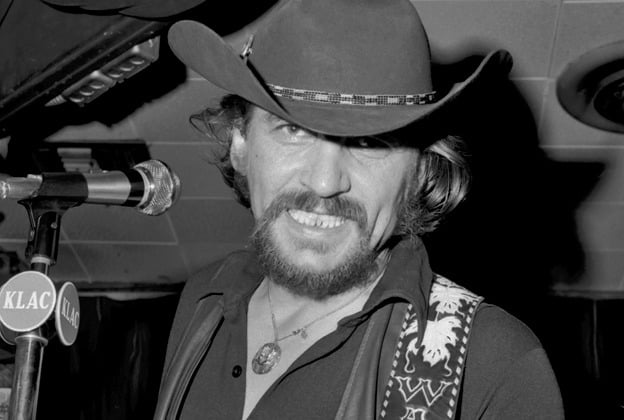
In the rich tapestry of country music, few voices resonate as profoundly as that of Waylon Jennings, an icon whose legacy endures through his timeless melodies and gritty, honest lyrics. As we embark on a nostalgic journey through the annals of country music history, it becomes inevitable to pay homage to the man who defied convention and pioneered the outlaw country movement. This article unfolds as a heartfelt tribute to Waylon Jennings, showcasing the “10 Best Waylon Jennings Songs of All Time.” From honky-tonk anthems that echo the struggles of the everyday working class to soulful ballads that explore the complexities of love, Jennings’ discography remains a testament to the enduring power of authenticity in music.
Each song on this carefully curated list represents a chapter in Waylon’s illustrious career, encapsulating his rebellious spirit, distinctive vocal stylings, and unmatched storytelling prowess. Whether you’re a seasoned Waylon enthusiast or a newcomer eager to explore the roots of outlaw country, join us on this musical pilgrimage as we celebrate the indelible mark left by Waylon Jennings on the genre that he so passionately shaped. These ten songs stand as a testament to Waylon’s enduring influence and serve as a reminder that, even in the ever-evolving landscape of country music, his legacy remains eternally engraved in the hearts of fans worldwide.
1. Only Daddy That’ll Walk the Line
One of the standout tracks in Waylon Jennings’ illustrious career is undoubtedly “Only Daddy That’ll Walk the Line.” Released in 1968, this iconic song became a cornerstone of the outlaw country movement that Jennings helped pioneer. With its distinctive guitar riff and Jennings’ unmistakable voice, the song exemplifies the raw and rebellious spirit of outlaw country. The lyrics tell the tale of a man who refuses to conform to societal norms and expectations, emphasizing his commitment to staying true to himself. “Only Daddy That’ll Walk the Line” not only showcases Jennings’ vocal prowess but also his ability to infuse authenticity and grit into his music, setting him apart as a revolutionary force in the country music landscape.
This timeless classic resonates with fans for its rebellious attitude and refusal to conform to mainstream country conventions. Jennings’ smooth delivery and the song’s infectious energy make it an enduring favorite among country music enthusiasts. “Only Daddy That’ll Walk the Line” not only solidified Waylon Jennings’ status as a country music icon but also left an indelible mark on the genre, influencing countless artists who followed in his footsteps. The song’s legacy continues to thrive, reminding listeners of the rebellious spirit that defined Jennings’ career and the outlaw country movement as a whole.
2. Good Hearted Woman
“Good Hearted Woman” stands as one of Waylon Jennings’ most celebrated songs, co-written with Willie Nelson. Released in 1972 as a title track for an album, this country classic beautifully captures the essence of Jennings’ outlaw persona. The song narrates the struggles and triumphs of a man who appreciates the unwavering support of a good-hearted woman, despite the challenges that come with a life on the road. Jennings’ distinctive baritone voice, coupled with the twangy guitar riffs and heartfelt lyrics, elevates the track into a timeless anthem of love and resilience.
The collaboration with Willie Nelson adds another layer of authenticity to “Good Hearted Woman,” as the two outlaw country icons seamlessly blend their voices and songwriting talents. The song’s success solidified Jennings’ and Nelson’s status as leaders of the outlaw country movement, breaking away from Nashville’s polished sound. “Good Hearted Woman” not only topped the charts but also became a signature song for both artists. Its enduring popularity reflects the universal themes of love, loyalty, and the challenges of life on the road, making it a staple in the country music canon and a testament to the enduring legacy of Waylon Jennings.
3. Theme From The Dukes Of Hazzard
Waylon Jennings’ “Theme From The Dukes of Hazzard (Good Ol’ Boys)” is a high-octane country-rock anthem that served as the iconic theme song for the popular television series “The Dukes of Hazzard.” Released in 1980, the song became synonymous with the show’s adventurous and rebellious spirit. With its catchy lyrics and energetic instrumentation, the track captures the essence of the Duke boys’ wild escapades in Hazzard County. Jennings’ distinctive voice and the spirited delivery of lines like “Just a good ol’ boy, never meanin’ no harm” make it an instantly recognizable and enduring piece of American pop culture.
The success of “Good Ol’ Boys” went beyond the TV screen, becoming one of Waylon Jennings’ biggest hits. The song reached the top of the country charts, showcasing Jennings’ ability to create music that resonates with a broad audience. Its upbeat tempo and memorable chorus make it a staple in Jennings’ discography and a standout example of how country music can transcend traditional boundaries. The legacy of “Good Ol’ Boys” lives on not only as a theme song for a beloved TV show but also as a testament to Waylon Jennings’ versatility and enduring impact on the country music genre.
4. Luckenbach, Texas (Back to the Basics of Love)
“Luckenbach, Texas (Back to the Basics of Love)” is a quintessential Waylon Jennings song that epitomizes the outlaw country ethos. Released in 1977, the song became one of Jennings’ signature hits and a cornerstone of his remarkable career. The lyrics, co-written by Chips Moman and Bobby Emmons, paint a vivid picture of a simpler life and a return to the fundamental elements of love, contrasting with the complexities of modern living. The reference to Luckenbach, a small town in Texas, adds a nostalgic charm and reinforces the song’s message of seeking genuine connections in a world filled with distractions.
Jennings’ smooth vocals, accompanied by the distinctive guitar riffs and honky-tonk piano, create a laid-back and infectious vibe. The song’s popularity extends beyond the country music realm, becoming a cultural touchstone that resonates with listeners from various musical backgrounds. “Luckenbach, Texas” not only topped the country charts but also achieved crossover success, solidifying Jennings’ position as a trailblazer in the genre. The song’s enduring appeal lies in its timeless message and the way it captures the essence of a bygone era while remaining relevant to audiences of all generations. “Luckenbach, Texas” remains a classic in Waylon Jennings’ repertoire, celebrated for its authenticity, simplicity, and the enduring charm of its back-to-basics philosophy.
5. Mammas Don’t Let Your Babies Grow Up to Be Cowboys
“Mammas Don’t Let Your Babies Grow Up to Be Cowboys” is an iconic duet performed by Waylon Jennings and Willie Nelson, released in 1978. The song, written by Ed Bruce and Patsy Bruce, serves as a cautionary tale about the challenges and hardships that come with the cowboy lifestyle. The lyrics provide a gritty and realistic portrayal of the difficulties faced by those who choose this rugged path, advising mothers to steer their children away from the unpredictable and often tough existence of a cowboy.
Jennings and Nelson’s collaboration on this track is nothing short of legendary. Their contrasting yet complementary voices, combined with the song’s memorable melody and straightforward lyrics, contribute to its timeless appeal. The authenticity in their delivery resonates with audiences, making it one of the most beloved country songs of all time. The song not only topped the country charts but also earned the duo a Grammy Award for Best Country Performance by a Duo or Group with Vocal.
“Mammas Don’t Let Your Babies Grow Up to Be Cowboys” became an anthem for the outlaw country movement, embodying the rebellious spirit of artists like Jennings and Nelson who sought to break free from the conventions of mainstream country music. The enduring popularity of the song underscores its universal message and the lasting impact of these two country music legends on the genre.
6. I’ve Always Been Crazy
“I’ve Always Been Crazy” is a rebellious anthem and title track from Waylon Jennings’ 1978 album. Written by Jennings himself, the song encapsulates the unapologetic and free-spirited nature that defined the outlaw country movement. Released during a period of creative exploration and personal tumult for Jennings, the track reflects his candid and introspective approach to songwriting.
The lyrics of “I’ve Always Been Crazy” are a declaration of independence and a celebration of individuality. Jennings embraces his nonconformist persona, acknowledging his penchant for living on the edge and challenging societal norms. The twangy guitar riffs and Jennings’ distinctively gritty vocals infuse the song with a raw energy that resonates with fans who appreciate the authenticity of outlaw country.
As an artist who continually pushed boundaries, Jennings used “I’ve Always Been Crazy” to assert his artistic freedom and distance himself from the Nashville establishment. The song not only became a chart-topping hit but also solidified Jennings’ reputation as a maverick in the country music scene. Its enduring popularity is a testament to the timeless allure of rebellion and the enduring legacy of Waylon Jennings as a trailblazer in the evolution of country music. “I’ve Always Been Crazy” remains a pivotal song in Jennings’ discography, showcasing his unapologetic attitude and commitment to staying true to his unique artistic vision.
7. Are You Sure Hank Done It This Way
“Are You Sure Hank Done It This Way” is a standout track from Waylon Jennings’ 1975 album “Dreaming My Dreams.” Written by Jennings himself, the song reflects his introspective take on the evolving landscape of country music during that era. Released at a time when the Nashville sound was dominating the genre, Jennings used the song to express his concerns about the changing nature of country music.
The lyrics of “Are You Sure Hank Done It This Way” pose a question to the listener, pondering whether the traditional style and authenticity of country music embodied by legends like Hank Williams are being lost in the face of commercialization. Jennings, a key figure in the outlaw country movement, was known for challenging the mainstream country establishment, and this song served as a poignant commentary on the industry’s shift towards a more polished and pop-oriented sound.
Musically, the track features a distinctive guitar riff and Jennings’ signature vocals, delivering the lyrics with a blend of defiance and reflection. The song became a commercial success, reaching the top of the country charts and solidifying Jennings’ reputation as a pioneering force in country music.
“Are You Sure Hank Done It This Way” remains a classic example of Waylon Jennings’ ability to blend social commentary with musical artistry. Its enduring relevance speaks to the timeless themes explored in the song, making it a pivotal piece in the outlaw country movement and a reflection of Jennings’ commitment to preserving the roots and authenticity of country music.
8. Just to Satisfy You
“Just to Satisfy You” is a classic country duet featuring Waylon Jennings and Willie Nelson. Released in 1969, the song became a significant hit for both artists, showcasing their harmonious collaboration and their shared commitment to the outlaw country movement. Written by Jennings, the song delves into the complexities of love, desire, and the sacrifices made in relationships.
The lyrics of “Just to Satisfy You” explore the challenges and compromises inherent in romantic partnerships. The duo’s vocal chemistry adds emotional depth to the narrative, as they take turns expressing the yearning for connection and the lengths they would go to please their partners. The sincerity in their delivery, accompanied by the melodic country instrumentation, creates a timeless piece that resonates with audiences across generations.
Beyond its success on the charts, the song played a pivotal role in defining the outlaw country sound. Jennings and Nelson’s collaboration demonstrated a departure from the polished Nashville sound, embracing a raw and authentic approach that resonated with a changing audience. “Just to Satisfy You” remains a testament to the enduring impact of both artists on the country music genre, showcasing their ability to craft emotionally resonant songs that capture the complexities of human relationships. The song’s legacy endures as a classic in the rich tapestry of outlaw country music.
9. I Ain’t Living Long Like This
“I Ain’t Living Long Like This” is a gritty and rebellious song that showcases Waylon Jennings’ outlaw country sensibilities. Released in 1979 as the title track of his album, the song became a powerful anthem of defiance and resilience. Written by Rodney Crowell, the lyrics narrate the experiences of a person navigating a tumultuous and challenging life, with Jennings’ distinctive voice infusing the narrative with authenticity and raw emotion.
The driving force behind “I Ain’t Living Long Like This” lies in its infectious energy, fueled by a raucous combination of electric guitars and Jennings’ unmistakable vocals. The song’s rebellious spirit aligns with the ethos of outlaw country, challenging conventional norms and celebrating a life lived on one’s own terms. Its energetic tempo and unapologetic attitude make it a standout track in Jennings’ discography and a favorite among fans of the outlaw country movement.
The song’s impact extends beyond its original release, as it has been covered by various artists, further solidifying its status as a classic in the country music canon. “I Ain’t Living Long Like This” encapsulates the essence of Waylon Jennings as a musical icon who fearlessly pushed boundaries, leaving an indelible mark on the landscape of country music with his rebellious spirit and authentic storytelling.
10. Amanda
“Amanda” is a heartfelt ballad and one of Waylon Jennings’ most successful and enduring songs. Released in 1979 as a single from his album “The Ramblin’ Man,” the song reached the top of the country charts and became a crossover hit. Written by Bob McDill, “Amanda” stands out in Jennings’ discography for its tender and emotional portrayal of love and longing.
The lyrics of “Amanda” tell the story of a man expressing his deep and sincere feelings for a woman named Amanda. The song captures the vulnerability and authenticity of love, showcasing Jennings’ softer vocal side. The arrangement, featuring a gentle melody and Jennings’ heartfelt delivery, adds to the emotional impact of the song.
The success of “Amanda” went beyond the country music audience, resonating with listeners across genres. It earned Jennings a Grammy Award for Best Country Vocal Performance, Male, in 1980, further solidifying its place as one of his signature songs. The enduring appeal of “Amanda” lies in its timeless theme of love and the genuine emotion conveyed by Jennings, making it a classic in the realm of country ballads and a testament to the versatility of Waylon Jennings as a singer and storyteller.

Samuel Moore is a frequent contributor to Singers Room. Since 2005, Singersroom has been the voice of R&B around the world. Connect with us via social media below.









