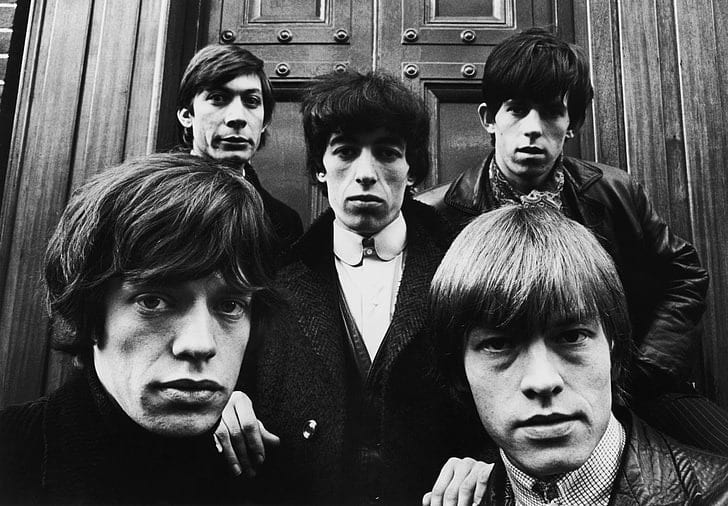
The Rolling Stones have etched an indelible mark on the annals of rock ‘n’ roll history, solidifying their status as one of the greatest bands to ever grace the stage. With a career spanning over six decades, the iconic British rockers have amassed a repertoire of timeless classics that transcend generations. In this exploration of musical excellence, we delve into the essence of The Rolling Stones’ artistry and present the “Top 10 Best The Rolling Stones Songs of All Time.” From the rebellious fervor of their early years to the seasoned brilliance of their later work, this list encapsulates the band’s evolution and showcases the enduring impact of their music. Each song selected has left an indelible imprint on the cultural soundscape, reflecting the band’s ability to capture the zeitgeist and articulate the human experience. As we embark on this musical journey, we celebrate the enduring legacy of Mick Jagger, Keith Richards, and company, unearthing the gems that have become the soundtrack to countless lives. Join us as we traverse the sonic landscape sculpted by The Rolling Stones, counting down their greatest songs that have stood the test of time.
1. (I Can’t Get No) Satisfaction
“(I Can’t Get No) Satisfaction” stands as one of the quintessential tracks in the expansive catalog of The Rolling Stones, epitomizing the rebellious spirit of the 1960s. Released in 1965, the song became an anthem for a generation with its raw energy, infectious guitar riff, and defiant lyrics. Keith Richards’ iconic opening riff, played on a fuzzed-out guitar, immediately grabs the listener’s attention, setting the stage for Mick Jagger’s irreverent vocal delivery. Jagger’s lyrics express frustration and dissatisfaction with the commercialized world, making the song a powerful critique of consumer culture and societal norms. The memorable chorus, where Jagger declares his inability to find satisfaction, became an instant rallying cry for those questioning the status quo.
Beyond its cultural impact, “(I Can’t Get No) Satisfaction” also holds historical significance within the evolution of rock music. The song’s distorted guitar sound and rebellious attitude marked a departure from the more polished pop music of the time, paving the way for the edgier and more rebellious sound that would define the rock genre in the years to come. As one of The Rolling Stones’ most recognizable and enduring hits, “(I Can’t Get No) Satisfaction” remains a timeless classic that continues to resonate with audiences, capturing the essence of the countercultural movement that defined the 1960s.
2. Gimme Shelter
“Gimme Shelter,” a haunting masterpiece released by The Rolling Stones in 1969, remains a pinnacle of rock ‘n’ roll, known for its intense, apocalyptic atmosphere and soul-stirring vocals. The song opens with an ominous guitar riff, setting the tone for the impending sense of doom that pervades the entire composition. What sets “Gimme Shelter” apart is the gripping vocal collaboration between Mick Jagger and Merry Clayton, whose spine-chilling wails in the background add a layer of urgency and desperation. The lyrics, laden with social and political commentary, reflect the turbulence of the late 1960s, addressing war, violence, and the search for refuge.
As an enduring anthem of a tumultuous era, “Gimme Shelter” has been featured in numerous films, TV shows, and documentaries, solidifying its status as a cultural touchstone. The song encapsulates the Stones’ ability to capture the zeitgeist and channel it into their music, transcending its initial context to resonate with audiences across generations. From its enigmatic beginning to its poignant conclusion, “Gimme Shelter” stands as a testament to The Rolling Stones’ artistic prowess and their ability to create music that transcends time, carrying with it the weight of the era it emerged from while remaining relevant and impactful in the present day.
3. Sympathy for the Devil
Released in 1968 as part of The Rolling Stones’ album “Beggars Banquet,” “Sympathy for the Devil” is an audacious and provocative exploration of human history, mythology, and the nature of evil. The song is a tour de force in musical storytelling, with Mick Jagger adopting the persona of the devil himself, narrating pivotal moments in history where chaos, violence, and upheaval unfolded. The samba-influenced rhythm, driven by percussionist Rocky Dijon, adds an exotic and hypnotic quality to the track, creating a sonic backdrop that complements the dark and enigmatic lyrical content.
“Sympathy for the Devil” is celebrated for its intricate musical arrangement, featuring Keith Richards’ distinct guitar work and Nicky Hopkins’ piano contributions. The song’s dynamic structure builds tension throughout, reaching a climax in the final verses. Jagger’s charismatic and sly vocal delivery, coupled with the devilish persona, adds a layer of theatricality that captivates listeners. Beyond its musical brilliance, the song also reflects the cultural and political turmoil of the late 1960s, making it a timeless commentary on the human condition and the forces that shape history.
As one of The Rolling Stones’ most iconic and controversial tracks, “Sympathy for the Devil” has left an indelible mark on rock music, showcasing the band’s willingness to push artistic boundaries and engage with provocative themes. Its enduring legacy lies in its ability to spark contemplation and discussion, making it a standout in the vast landscape of The Rolling Stones’ repertoire.
4. Jumpin’ Jack Flash
“Jumpin’ Jack Flash,” released by The Rolling Stones in 1968, is a high-octane rock anthem that has become synonymous with the band’s signature sound. The song’s driving rhythm, characterized by Charlie Watts’ pounding drums and Keith Richards’ gritty guitar riff, immediately grabs the listener’s attention. Mick Jagger’s electrifying vocals, filled with swagger and attitude, further contribute to the song’s infectious energy. The lyrics tell the tale of a resilient and street-smart character named Jack Flash, who triumphs over adversity, adding a rebellious and defiant spirit to the track.
What sets “Jumpin’ Jack Flash” apart is its raw and unbridled rock ‘n’ roll essence. The simplicity of the composition, coupled with the relentless pace, creates a sense of urgency that propels the song forward. The memorable chorus, with Jagger belting out the iconic line “It’s a gas, gas, gas,” adds to the overall anthemic quality of the track. The song’s impact is also attributed to its successful fusion of bluesy elements with a contemporary rock sound, showcasing The Rolling Stones’ ability to evolve while staying true to their roots.
As one of The Rolling Stones’ most celebrated hits, “Jumpin’ Jack Flash” has endured as a timeless classic, earning its place in the pantheon of rock music. Its infectious energy and memorable riff have made it a staple in the band’s live performances and a favorite among fans, solidifying its status as a quintessential piece of The Rolling Stones’ discography.
5. Ruby Tuesday
“Ruby Tuesday,” released by The Rolling Stones in 1967 as a single and later included in the album “Between the Buttons,” stands out as a reflective and introspective ballad amidst the band’s more raucous repertoire. The song showcases a softer side of The Rolling Stones, both musically and lyrically. Keith Richards’ acoustic guitar sets the melodic tone, while Brian Jones’ distinctive recorder melody adds a touch of whimsy to the arrangement.
Mick Jagger’s poignant lyrics depict a free-spirited and elusive woman named Ruby Tuesday, whose transient nature and resistance to commitment become the central themes. Jagger’s soulful and emotive vocal delivery adds depth to the narrative, capturing the essence of fleeting relationships and the inevitability of change. The chorus, with its iconic refrain, “Goodbye, Ruby Tuesday,” resonates with a sense of longing and acceptance.
“Ruby Tuesday” not only showcases The Rolling Stones’ versatility but also marked a departure from their blues-rock roots. The song’s success lies in its ability to blend folk and rock elements seamlessly, creating a timeless piece that has endured through the decades. Its enduring popularity is a testament to The Rolling Stones’ ability to craft emotionally resonant and universally relatable songs, making “Ruby Tuesday” a cherished gem in their expansive catalog.
6. 2000 Light Years From Home
“2000 Light Years From Home,” featured on The Rolling Stones’ 1967 album “Their Satanic Majesties Request,” is a psychedelic masterpiece that takes listeners on an otherworldly journey. The song is a departure from the band’s more straightforward rock sound, delving into the experimental and avant-garde realms of the late 1960s. Brian Jones’s use of the Mellotron, an early keyboard synthesizer, creates an ethereal and otherworldly atmosphere, setting the stage for the cosmic sonic landscape that unfolds.
Mick Jagger’s vocals are drenched in reverb, adding to the surreal and dreamlike quality of the composition. Lyrically, the song explores themes of isolation, alienation, and the disorienting effects of space travel. The title itself suggests a vast distance from home, and the sonic experimentation mirrors the sense of drifting through an expansive, unknown cosmos.
“2000 Light Years From Home” is a testament to The Rolling Stones’ willingness to explore new musical horizons. The song’s complex arrangement and psychedelic elements contribute to its enduring appeal among fans of the band and enthusiasts of the psychedelic rock era. It remains a captivating sonic journey, showcasing the band’s artistic evolution and their ability to embrace unconventional sounds during a period of significant musical experimentation in the late 1960s.
7. Paint It, Black
Released in 1966, “Paint It, Black” by The Rolling Stones is a groundbreaking and emotionally charged track that stands as a definitive example of the band’s ability to push musical boundaries. Brian Jones’ distinctive sitar riff introduces an Eastern influence, setting the tone for the song’s dark and introspective atmosphere. The driving force of Charlie Watts’ drumming and the haunting melody contribute to the song’s unique and timeless sound.
Mick Jagger’s vocals deliver a narrative of intense grief and despair, with the lyrics expressing a desire to “paint it all black” in response to loss and heartache. The song’s exploration of themes like mourning and inner turmoil marked a departure from the more straightforward rock and blues material that characterized the band’s earlier work. “Paint It, Black” resonated deeply with audiences, becoming a chart-topping hit and a cultural touchstone during a tumultuous period in the 1960s.
The song’s impact extends beyond its commercial success, as it has been featured in numerous films, TV shows, and commercials, maintaining its relevance across decades. Its innovative fusion of rock and world music elements, coupled with its emotionally charged lyrics, solidifies “Paint It, Black” as one of The Rolling Stones’ most iconic and enduring compositions.
8. The Last Time
“The Last Time,” released by The Rolling Stones in 1965, is a pivotal song in the band’s discography, showcasing their evolution as songwriters and their mastery of the rock genre. The track is notable for its infectious guitar riff, often considered one of the greatest in rock history, and its distinctive combination of rhythm and blues with a more polished sound. The song features Mick Jagger’s dynamic vocals and Keith Richards’ crisp guitar work, creating a memorable and energetic composition.
Lyrically, “The Last Time” explores themes of betrayal and disillusionment in relationships. Jagger’s impassioned delivery adds a layer of emotional intensity, making the song resonate with authenticity. The chorus, with its refrain of “It’s the last time, but I’ve got to say the first time,” captures the conflicted emotions of a relationship on the brink.
Beyond its musical and lyrical merits, “The Last Time” holds historical significance as the band’s first original composition to top the charts in the UK. The song’s success marked a turning point in The Rolling Stones’ career, signaling their transition from primarily covering blues standards to becoming prolific songwriters in their own right. As a result, “The Last Time” remains a crucial milestone in the band’s journey, reflecting their growing artistic maturity and establishing them as a force to be reckoned with in the rock and roll landscape of the 1960s.
9. It’s Only Rock and Roll
“It’s Only Rock ‘n Roll (But I Like It),” released by The Rolling Stones in 1974, is a defiant and anthemic celebration of the power of rock music. The song’s catchy chorus and infectious energy make it an enduring classic in the band’s extensive repertoire. The track opens with a distinctive guitar riff, courtesy of Keith Richards, setting the tone for a rollicking rock experience.
Mick Jagger’s charismatic vocals, filled with swagger and confidence, deliver a message of resilience and the liberating spirit of rock and roll. The lyrics suggest a carefree attitude, emphasizing the joy and pleasure found in the music itself, regardless of any external judgment or criticism. The chorus, with its memorable line “It’s only rock ‘n roll, but I like it,” became a rallying cry for fans and a statement of The Rolling Stones’ unapologetic commitment to their craft.
Beyond its musical appeal, “It’s Only Rock ‘n Roll” also reflects the band’s ability to adapt to changing musical landscapes. Released during a period when the music scene was evolving, the song bridges the gap between the classic rock sound of the 1960s and the emerging genres of the 1970s. Its enduring popularity is a testament to The Rolling Stones’ ability to capture the essence of rock and roll and create music that resonates across generations, making it a timeless anthem for fans of the genre.
10. Beast of Burden
“Beast of Burden,” released by The Rolling Stones in 1978 as part of their album “Some Girls,” is a soulful and introspective ballad that showcases the band’s versatility in navigating various musical styles. The song stands out for its laid-back groove, marked by a prominent bassline and rhythmic guitar chords, creating a mellow yet powerful sonic landscape.
Mick Jagger’s vocals take center stage, delivering a poignant and emotive performance. The lyrics, co-written by Jagger and Keith Richards, explore themes of love, vulnerability, and the complexities of relationships. The title phrase, “I’ll never be your beast of burden,” reflects a desire for reciprocity and a refusal to be solely responsible for the emotional burdens within a partnership.
“Beast of Burden” has become one of The Rolling Stones’ signature ballads, celebrated for its timeless appeal and emotional resonance. The soulful instrumentation and Jagger’s sincere delivery contribute to the song’s enduring popularity. Its inclusion in numerous films, TV shows, and commercials further attests to its cultural impact and ability to connect with audiences across generations. As a standout track from “Some Girls,” “Beast of Burden” remains a testament to The Rolling Stones’ ability to craft emotionally rich and musically diverse compositions.

Samuel Moore is a frequent contributor to Singers Room. Since 2005, Singersroom has been the voice of R&B around the world. Connect with us via social media below.









