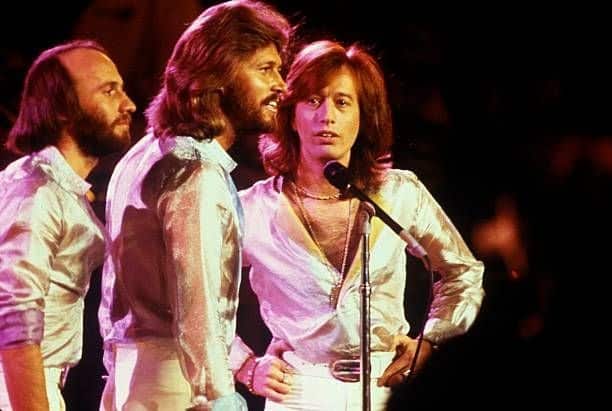
The Bee Gees, an iconic trio of brothers – Barry, Robin, and Maurice Gibb, left an indelible mark on the music industry with their distinctive sound, harmonious vocals, and unparalleled songwriting prowess. As one of the best-selling music artists of all time, The Bee Gees crafted a musical legacy that transcends generations. In this exploration of their unparalleled catalog, we delve into the timeless and melodic world of The Bee Gees to uncover the “Top 10 Best The Bee Gees Songs of All Time.” From their early days in the 1960s through the disco phenomenon of the 1970s and beyond, the brothers Gibb enchanted listeners with a diverse range of genres, from soulful ballads to infectious dance hits. Each song on this list is a testament to The Bee Gees’ ability to create music that not only captures the spirit of its era but continues to resonate with audiences worldwide. Join us on a musical journey through the Bee Gees’ illustrious career as we celebrate the tunes that have become anthems, capturing the hearts of fans and earning a permanent place in the pantheon of musical greatness. Whether you’re a long-time devotee or a newcomer to their vast discography, this curated selection is a tribute to the enduring brilliance of The Bee Gees and a reminder of the timeless impact they have had on the world of music.
1. Stayin’ Alive
“Stayin’ Alive” stands tall as one of the Bee Gees’ timeless classics, epitomizing the disco era and showcasing the trio’s unparalleled songwriting and vocal prowess. Released in 1977 as part of the “Saturday Night Fever” soundtrack, the song quickly became an anthem synonymous with the disco phenomenon. Its infectious beat and falsetto vocals by Barry Gibb create an irresistible energy, inviting listeners to the dance floor. The rhythm is iconic, driven by a pulsating bassline and a steady four-on-the-floor disco beat. The lyrics convey a sense of resilience and determination, aligning perfectly with the film’s narrative and contributing to its cultural impact. “Stayin’ Alive” not only dominated the charts but also became an emblem of the Bee Gees’ ability to capture the spirit of an era and create music that transcends generations.
The success of “Stayin’ Alive” extends beyond its initial popularity, as the song continues to be celebrated and embraced in various cultural contexts. Its use in films, commercials, and public events underscores its enduring relevance. The Bee Gees’ harmonies, coupled with the undeniable groove of the track, have secured its place as a musical masterpiece. “Stayin’ Alive” remains a symbol of the Bee Gees’ influence on popular music, leaving an indelible mark on the disco genre and standing as a testament to the enduring power of a well-crafted song.
2. How Deep Is Your Love
“How Deep Is Your Love” is a quintessential ballad that showcases the Bee Gees’ ability to craft emotionally resonant and timeless music. Released in 1977 as part of the “Saturday Night Fever” soundtrack, the song stands out as a departure from the disco beats that dominated the era, demonstrating the Bee Gees’ versatility. The gentle melody, paired with the brothers’ signature harmonies, creates a hauntingly beautiful atmosphere. Barry Gibb’s lead vocals, along with the seamless blend of Maurice and Robin’s voices, result in a performance that is both tender and soul-stirring.
The lyrics of “How Deep Is Your Love” explore the complexities of romantic relationships, questioning the depth of emotional connection. This introspective theme, combined with the Bee Gees’ impeccable songwriting, struck a chord with audiences worldwide, propelling the song to the top of the charts. Its enduring appeal is evident through its continued presence in various romantic playlists and wedding ceremonies. “How Deep Is Your Love” remains a testament to the Bee Gees’ ability to capture the essence of love through music, transcending the disco era and solidifying their place as one of the greatest pop acts in music history.
3. Night Fever
“Night Fever” is a pulsating disco anthem that solidifies the Bee Gees’ impact on the dance music scene of the late 1970s. Released in 1977 as part of the “Saturday Night Fever” soundtrack, the song became an iconic representation of the disco era, dominating dance floors around the world. The infectious rhythm, characterized by a hypnotic beat and funky bassline, invites listeners to immerse themselves in the vibrant and energetic atmosphere of the discotheque. The Bee Gees’ signature falsetto vocals, particularly showcased in the chorus, add a layer of sensuality to the track, enhancing its overall allure.
The lyrics of “Night Fever” capture the spirit of the nightlife, celebrating the freedom and exhilaration of dancing into the early morning hours. The combination of catchy hooks, danceable grooves, and the Bee Gees’ trademark harmonies contributed to the song’s widespread success, earning it a permanent place in the disco music canon. Beyond its chart-topping achievements, “Night Fever” has endured as a cultural touchstone, often used in films, television, and advertisements to evoke the lively and glamorous ambiance of the disco era. With its timeless appeal, “Night Fever” remains a testament to the Bee Gees’ ability to create music that transcends genres and continues to resonate with audiences across generations.
4. Too Much Heaven
“Too Much Heaven” stands as a testament to the Bee Gees’ ability to craft emotionally rich and melodically captivating ballads. Released in 1979, the song is a departure from the disco era’s upbeat tempo, showcasing the brothers’ versatility in seamlessly transitioning between genres. The track is characterized by its gentle and uplifting melody, featuring the distinct harmonies of Barry, Robin, and Maurice Gibb. Barry’s lead vocals, complemented by the ethereal quality of the falsetto, create a sublime listening experience that captures the essence of love and devotion.
Lyrically, “Too Much Heaven” explores themes of deep affection and commitment. The heartfelt and earnest nature of the lyrics, combined with the Bee Gees’ emotive delivery, resonated with audiences, making the song a chart-topping success. The lush orchestration and layered vocal arrangements contribute to the song’s timeless appeal, ensuring its place as a classic love ballad that transcends the era of its release.
“Too Much Heaven” showcases the Bee Gees’ ability to connect with listeners on a profound emotional level, further solidifying their reputation as one of the premier pop and ballad acts in the music industry. The song’s enduring popularity is a testament to the timeless quality of the Bee Gees’ music and their lasting impact on the landscape of popular music.
5. Massachusetts
“Massachusetts” represents a pivotal moment in the Bee Gees’ career, marking their transition from the Beatles-inspired pop of the 1960s to the sophisticated and harmonically rich sound that would define their later work. Released in 1967, “Massachusetts” served as a turning point for the trio, showcasing their songwriting maturity and vocal prowess. The song features a stripped-down arrangement, with acoustic guitars and heartfelt lyrics that capture a sense of homesickness and longing. Barry Gibb’s lead vocals, complemented by the harmonies of Robin and Maurice, create a poignant and evocative atmosphere, making “Massachusetts” a standout in the Bee Gees’ early catalog.
The song’s success catapulted the Bee Gees to international stardom, marking their first chart-topping single in the UK. “Massachusetts” not only highlighted the group’s ability to craft emotionally resonant songs but also hinted at the diverse musical directions they would explore in the years to come. Its enduring popularity is a testament to the timeless quality of the Bee Gees’ music, as “Massachusetts” remains a cherished classic that captures the essence of 1960s pop while foreshadowing the evolution of the Bee Gees’ sound throughout their illustrious career.
6. New York Mining Disaster 1941
“New York Mining Disaster 1941” stands as a haunting and enigmatic masterpiece that marked the early success of the Bee Gees in 1967. Released as their debut single, the song showcased the brothers’ ability to craft emotionally charged narratives and intricate vocal harmonies. Written by Barry and Robin Gibb, the lyrics tell the story of a trapped miner communicating with a rescuer, their conversation unfolding against the backdrop of a mining disaster. The somber tone is accentuated by the melancholic melody and the Bee Gees’ trademark three-part harmonies, creating a sense of mystery and empathy for the characters in the narrative.
The unconventional structure of “New York Mining Disaster 1941,” featuring a key change in the middle of the song, added to its uniqueness and left a lasting impression on listeners. The track’s title itself, with its misleading reference to New York, contributed to the intrigue and curiosity surrounding the Bee Gees’ early work. Despite the somber theme, the song’s musical sophistication and the brothers’ vocal delivery helped establish the Bee Gees as a formidable force in the realm of pop and rock.
“New York Mining Disaster 1941” not only marked the beginning of the Bee Gees’ chart success but also demonstrated their ability to weave complex narratives into their music—a characteristic that would continue to define their songwriting throughout their illustrious career.
7. Words
“Words” stands out as a poignant and introspective ballad in the Bee Gees’ repertoire, released in 1968. This timeless composition showcases the brothers’ songwriting prowess and their ability to craft emotionally resonant melodies. The song is characterized by its simplicity, featuring acoustic guitars and the Bee Gees’ trademark harmonies, allowing the focus to be on the introspective lyrics and the evocative vocal delivery.
The lyrics of “Words” delve into the power and impact of spoken and unspoken words in relationships. Barry Gibb’s lead vocals, coupled with the harmonies provided by Robin and Maurice, convey a sense of vulnerability and longing. The song’s profound yet relatable theme struck a chord with audiences, contributing to its success on the charts.
“Words” reflects the Bee Gees’ versatility, demonstrating their capacity to create meaningful ballads alongside their more upbeat and dance-oriented tracks. The enduring appeal of “Words” lies in its ability to transcend the era of its release, remaining a timeless piece that resonates with listeners across generations. The song not only showcases the Bee Gees’ musical depth but also solidifies their status as prolific and enduring songwriters in the landscape of popular music.
8. Tragedy
“Tragedy” is a high-energy disco anthem that showcases the Bee Gees’ continued relevance in the late 1970s. Released in 1979 as part of the “Spirits Having Flown” album, the song embraces the disco era’s pulsating beats while infusing it with the Bee Gees’ signature harmonies. The track’s infectious rhythm, dominated by a driving bassline and dynamic orchestration, creates an electrifying dancefloor experience.
Barry Gibb’s falsetto vocals, a trademark of the Bee Gees, soar to new heights in “Tragedy,” adding a dramatic and theatrical flair to the composition. Lyrically, the song explores the theme of heartbreak and loss, but the energetic and upbeat musical arrangement contrasts with the melancholic subject matter, making it a unique and memorable disco hit.
“Tragedy” not only achieved commercial success, reaching the top of the charts, but also became a cultural phenomenon, solidifying the Bee Gees’ status as disco legends. Its enduring popularity is evident in its continued presence in pop culture, frequently featured in films, television, and events that evoke the spirit of the disco era. “Tragedy” remains a testament to the Bee Gees’ ability to evolve with musical trends while maintaining their distinctive sound, leaving an indelible mark on the landscape of disco and pop music.
9. I’ve Got to Get a Message to You
“I’ve Gotta Get a Message to You” is a poignant and dramatic ballad that showcases the Bee Gees’ storytelling prowess and emotional depth. Released in 1968 as a single from the album “Idea,” the song stands out for its narrative intensity and the powerful vocal delivery by the Gibb brothers. The track’s storyline revolves around a man facing imminent execution, desperately trying to convey a final message to his loved one before it’s too late.
The orchestral arrangement and the Bee Gees’ harmonies add a layer of complexity to the song, amplifying the emotional impact of the narrative. Barry Gibb’s lead vocals convey a sense of urgency and desperation, creating a palpable tension throughout the track. The song’s structure, with its shifts in dynamics and tempo, contributes to its cinematic quality, evoking a sense of storytelling reminiscent of classic ballads.
“I’ve Gotta Get a Message to You” became a chart-topping hit, showcasing the Bee Gees’ ability to craft emotionally charged songs that resonate with a wide audience. The song’s enduring appeal lies not only in its musical arrangement but also in its ability to connect with listeners on a visceral level, highlighting the Bee Gees’ versatility as artists capable of delivering impactful narratives alongside their more upbeat and dance-oriented compositions.
10. You Should Be Dancing
“You Should Be Dancing” is a disco anthem that exemplifies the Bee Gees’ mastery of the genre and their pivotal role in shaping the sound of the late 1970s. Released in 1976 as part of the “Children of the World” album, the song is characterized by its infectious rhythm, funky bassline, and the Bee Gees’ trademark falsetto vocals. The track is a dancefloor sensation, capturing the vibrant and energetic spirit of the disco era.
The groovy instrumentation, featuring a prominent synthesizer and dynamic percussion, creates an irresistible beat that encourages listeners to hit the dance floor. Barry Gibb’s lead vocals, combined with the harmonies of Robin and Maurice, contribute to the song’s overall exuberance. The memorable chorus, with its iconic “You should be dancing, yeah” refrain, solidified the track as a disco classic.
“You Should Be Dancing” not only topped the charts but also became a cultural phenomenon, earning the Bee Gees acclaim as disco pioneers. The song’s success laid the foundation for their contributions to the “Saturday Night Fever” soundtrack, further cementing their status as iconic figures in the disco and pop music landscape. With its vibrant energy and timeless appeal, “You Should Be Dancing” remains a quintessential track that defines the Bee Gees’ legacy in the disco era.

Samuel Moore is a frequent contributor to Singers Room. Since 2005, Singersroom has been the voice of R&B around the world. Connect with us via social media below.









