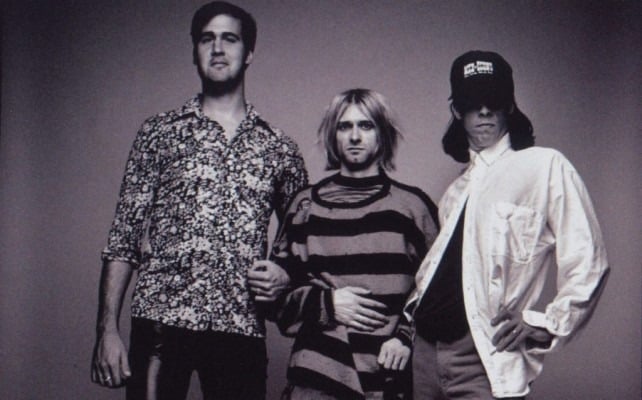
Nirvana, a groundbreaking American rock band formed in Aberdeen, Washington, in 1987, emerged as a defining force in the 1990s alternative music scene. Comprising Kurt Cobain, Krist Novoselic, and Dave Grohl, Nirvana is credited with popularizing the grunge genre and shifting the musical landscape with their raw energy and introspective lyrics.
Led by the enigmatic frontman Kurt Cobain, Nirvana released their seminal album “Nevermind” in 1991, featuring the iconic hit “Smells Like Teen Spirit.” The album catapulted them to global fame and symbolized the anti-establishment ethos of the era. Cobain’s distinctive songwriting, combined with Novoselic’s bass and Grohl’s dynamic drumming, created a sound that resonated with a generation disillusioned with mainstream culture.
Despite their meteoric rise, Nirvana faced internal struggles, and Kurt Cobain’s tragic death in 1994 marked the end of the band. Their influence, however, endured. Nirvana’s music encapsulates the angst and disillusionment of the ’90s, making them cultural icons. Their legacy extends beyond chart-topping hits; Nirvana represents a cultural shift, shaping the trajectory of alternative and grunge music while embodying the spirit of authenticity and rebellion. The band’s impact remains indelible, and Nirvana continues to be celebrated for their profound influence on the music industry and popular culture.
1. Smells Like Teen Spirit
“Smells Like Teen Spirit” is a groundbreaking song by the American rock band Nirvana, released as the lead single from their second studio album, “Nevermind,” in 1991. Written by Kurt Cobain, Krist Novoselic, and Dave Grohl, the song is widely regarded as one of the defining anthems of the 1990s and a pivotal moment in the grunge movement.
The title, “Smells Like Teen Spirit,” was inspired by a brand of deodorant and an attempt by Cobain to capture the rebellious spirit of youth. The song’s lyrics are often interpreted as a commentary on teenage apathy and the disillusionment of the Generation X era.
What set “Smells Like Teen Spirit” apart was its explosive combination of raw energy, distorted guitar riffs, and Cobain’s distinctive vocal delivery. The track’s dynamic shifts, from subdued verses to explosive choruses, created a sonic intensity that resonated with listeners. The accompanying music video, directed by Samuel Bayer, features iconic scenes of a high school pep rally turning into chaos and contributed to the song’s cultural impact.
Upon its release, “Smells Like Teen Spirit” became an unexpected commercial success, propelling Nirvana and “Nevermind” to mainstream fame. The song’s popularity marked a cultural shift in music, and Nirvana’s influence on the alternative rock scene and popular culture remains profound.
2. Come as You Are
“Come as You Are” is a song by the American rock band Nirvana, featured on their second studio album, “Nevermind,” released in 1991. Written by Kurt Cobain, the song stands out for its distinctive guitar riff and melodic yet haunting quality.
The song’s sonic landscape, characterized by its clean guitar tones and Cobain’s subdued vocals, contrasts with the more abrasive sound found in some of Nirvana’s other tracks. This dynamic showcased the band’s versatility and contributed to the widespread appeal of “Come as You Are.”
The success of “Come as You Are” further solidified Nirvana’s place in the mainstream. While not as explosive as “Smells Like Teen Spirit,” the song’s accessibility and introspective nature made it a fan favorite and a notable part of the band’s discography. Its enduring popularity reflects the enduring impact of Nirvana’s music.
3. In Bloom
“In Bloom” is a track from Nirvana’s second studio album, “Nevermind,” released in 1991.
“In Bloom” was written by Kurt Cobain, the lead singer and songwriter of Nirvana. The song explores themes of misinterpretation and societal expectations. The lyrics address the idea of people misunderstanding the meaning behind Cobain’s lyrics and the disconnect between the band’s artistic intentions and how their music is received by a broader audience.
Musically, “In Bloom” is known for its dynamic shifts, alternating between quieter verses and more explosive choruses. The song showcases the band’s ability to blend melodic elements with the raw intensity of grunge, a genre for which Nirvana became iconic.
“In Bloom” received critical acclaim and has become one of Nirvana’s well-loved and enduring tracks. It played a significant role in propelling “Nevermind” to massive commercial success and solidifying Nirvana’s influence on the alternative rock scene of the early 1990s.
4. Lithium
“Lithium” is a song by the American rock band Nirvana. It was written by the band’s frontman, Kurt Cobain, and is featured on their second studio album, “Nevermind,” released in 1991.
“Lithium” is known for its dynamic shifts in intensity, ranging from subdued verses to a more explosive chorus. The lyrics of the song are open to interpretation but are often seen as addressing themes of mental health, inner turmoil, and the search for stability.
The song showcases Nirvana’s signature blend of melodic sensibility with raw and distorted guitar riffs, characteristic of the grunge genre. “Lithium” became one of the standout tracks on “Nevermind” and contributed to the album’s critical and commercial success.
Over the years, “Lithium” has remained a fan favorite and is often cited as one of Nirvana’s most iconic songs. Its emotional depth and the juxtaposition of melodic and heavy elements reflect the band’s ability to convey complex emotions through their music.
5. Heart-Shaped Box
“Heart-Shaped Box” is a powerful song by the American rock band Nirvana, featured on their third and final studio album, “In Utero,” released in 1993. Written by Kurt Cobain, the song is often considered one of Nirvana’s masterpieces, showcasing the band’s ability to blend raw intensity with melodic brilliance.
The lyrics of “Heart-Shaped Box” are enigmatic and open to interpretation, with Cobain’s vivid imagery contributing to its haunting allure. The chorus includes the lines:
“Hey! Wait! I’ve got a new complaint
Forever in debt to your priceless advice.”
The song’s musical landscape is marked by Cobain’s distinctive guitar work, Krist Novoselic’s pulsating bass, and Dave Grohl’s powerful drumming. The dynamic shifts in the song, ranging from quiet verses to explosive choruses, create a tension that resonates with listeners.
The accompanying music video, directed by Anton Corbijn, features surreal and symbolic imagery, adding another layer to the song’s artistic depth.
“Heart-Shaped Box” received critical acclaim and remains a fan favorite. Its combination of visceral energy, poetic lyricism, and melodic hooks encapsulates the essence of Nirvana’s musical legacy. The song stands as a testament to the band’s ability to convey complex emotions through their music, leaving an indelible mark on the grunge and alternative rock landscape.
6. All Apologies
“All Apologies” is a song by the American rock band Nirvana, written by the band’s lead vocalist and guitarist, Kurt Cobain. It appears on their third and final studio album, “In Utero,” released in 1993. The song is notable for its introspective lyrics and melodic composition.
“All Apologies” is often interpreted as Cobain’s reflection on his tumultuous experiences and the complexities of his relationships. The chorus includes the poignant lines:
“All in all is all we are”
The song combines a more subdued and reflective musical approach with moments of intensity, showcasing Nirvana’s ability to balance melody and distortion. The original version on the “In Utero” album concludes with a haunting cello arrangement.
Nirvana’s MTV Unplugged performance in 1993 featured a notable acoustic rendition of “All Apologies,” which further highlighted the emotional depth of the song. The band’s Unplugged album, released posthumously, included this acoustic version.
“All Apologies” stands as one of Nirvana’s mature and introspective compositions, offering a glimpse into Cobain’s artistic evolution. The song remains a significant part of the band’s legacy and is regarded as one of their iconic tracks.
7. About a Girl
“About a Girl” is a song by Nirvana, featured on their debut studio album, “Bleach,” released in 1989. Written by Kurt Cobain, the track stands out for its melodic and somewhat pop-infused sound, a departure from the heavier and more distorted sound found in much of the band’s discography.
The lyrics of “About a Girl” are introspective and convey a sense of personal reflection. In the song, Cobain addresses his relationship with then-girlfriend Tracy Marander. The chorus includes the lines:
“I do appreciate you being ’round
Help me get my feet back on the ground.”
Musically, “About a Girl” features clean guitar work and a more polished sound compared to some of Nirvana’s later, more grunge-oriented tracks. The song highlights Cobain’s songwriting versatility and ability to craft catchy, yet emotionally charged, melodies.
Despite being initially overshadowed by the success of later Nirvana releases, “About a Girl” has since gained recognition as a significant song in the band’s catalog. Its inclusion in the “MTV Unplugged in New York” performance in 1993 further showcased the song’s depth and enduring appeal.
8. Rape Me
“Rape Me” is a song by the American rock band Nirvana, written by the band’s lead vocalist and guitarist, Kurt Cobain. It is featured on their third and final studio album, “In Utero,” released in 1993.
“Rape Me” is a controversial and provocative song, both in its title and its lyrical content. Cobain has stated that the song is a condemnation of how the media and society exploit artists, turning them into commodities for public consumption. Despite its challenging subject matter, “Rape Me” was not released as a single, but it became a notable track from the “In Utero” album. The album, produced by Steve Albini, was intentionally raw and abrasive, reflecting Cobain’s desire to move away from the polished sound of their previous release, “Nevermind.”
“Rape Me” sparked discussions about censorship and the role of explicit content in music. Cobain defended the song’s intent as a critique rather than an endorsement of violence. The controversy surrounding the track underscores Nirvana’s willingness to address societal issues through their music.
9. Pennyroyal Tea
“Pennyroyal Tea” is a song by Nirvana, featured on their third and final studio album, “In Utero,” released in 1993. Written by Kurt Cobain, the song carries a melancholic and introspective tone, reflecting the complex emotions that were a hallmark of Cobain’s songwriting.
The lyrics of “Pennyroyal Tea” have been subject to interpretation, with references to themes of illness, self-medication, and the struggles with fame. The chorus includes the lines:
“I’m on warm milk and laxatives
Cherry-flavored antacids.”
Musically, the song features a more subdued and acoustic arrangement compared to some of Nirvana’s earlier, more aggressive tracks. The haunting quality of Cobain’s vocals and the stripped-down instrumentation contribute to the song’s emotional impact.
“Pennyroyal Tea” faced some controversy when Nirvana performed it on “Saturday Night Live” in 1993. During the performance, Cobain altered the lyrics to express frustration with the band’s label, leading to tensions between the band and the show’s producers.
Despite its controversies, “Pennyroyal Tea” remains a notable track in Nirvana’s discography, showcasing the band’s ability to convey vulnerability and emotion through their music. The song’s lasting impact is a testament to Cobain’s songwriting prowess and the band’s willingness to explore diverse musical expressions.
10. Breed
“Breed” is a song by the American rock band Nirvana, written by the band’s lead vocalist and guitarist, Kurt Cobain. It is featured on their second studio album, “Nevermind,” released in 1991. “Breed” is known for its energetic and punk-influenced sound.
The lyrics of “Breed” are open to interpretation, but they are often seen as addressing themes of alienation, societal expectations, and the desire for personal freedom. Musically, “Breed” is characterized by its fast-paced tempo, distorted guitar riffs, and dynamic shifts. It exemplifies Nirvana’s signature grunge sound, blending raw intensity with catchy melodies.
While “Breed” was not released as a single, it has become a fan favorite and is frequently included in Nirvana’s live performances and retrospectives. The song’s straightforward and powerful approach aligns with the overall ethos of the “Nevermind” album, which played a crucial role in bringing alternative rock and grunge to mainstream audiences in the early 1990s.

Edward Tomlin is a frequent contributor to Singers Room. Since 2005, Singersroom has been the voice of R&B around the world. Connect with us via social media below.









