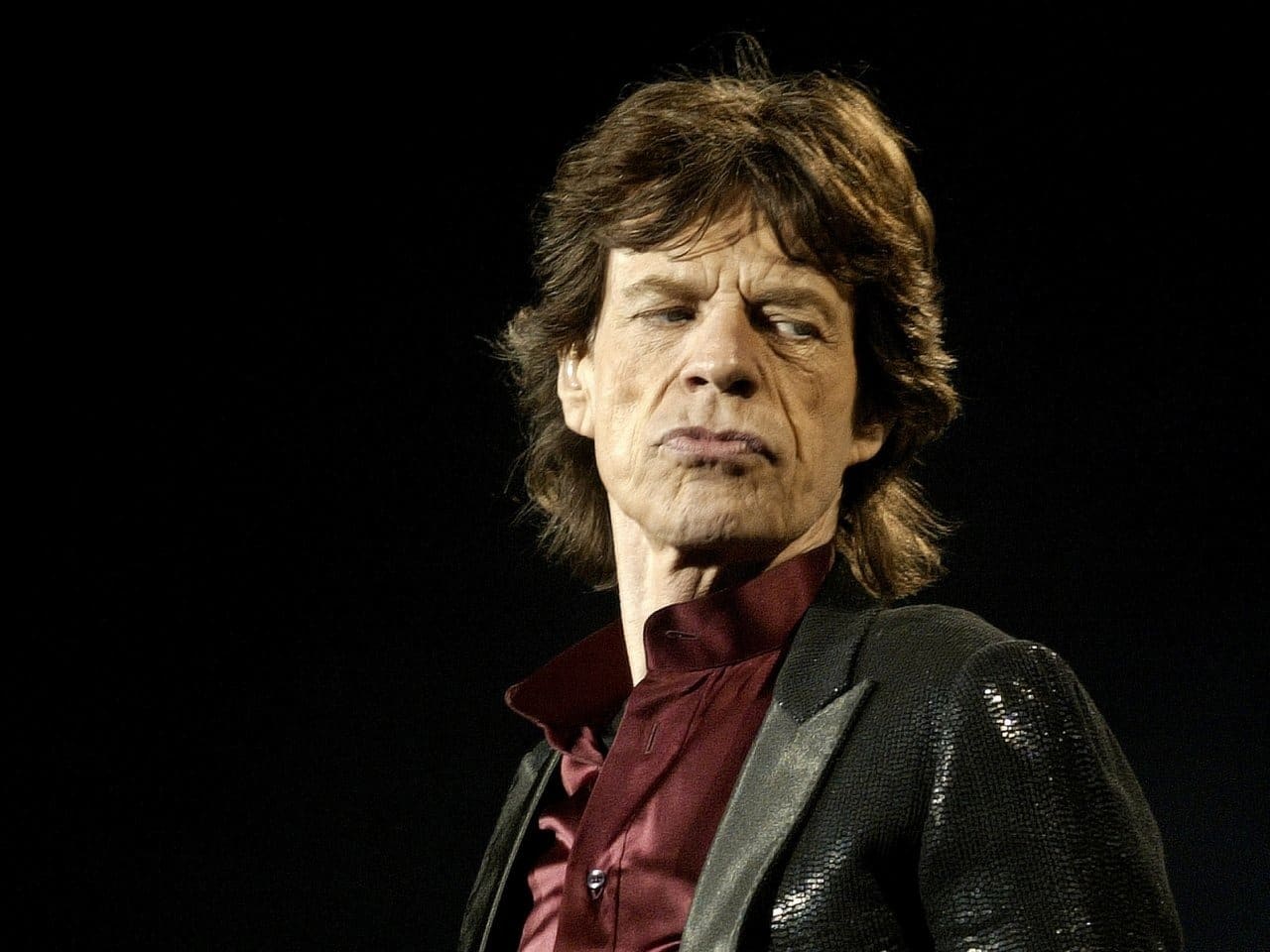
In the vast tapestry of rock and roll history, few figures loom as large and enduring as Sir Mick Jagger, the charismatic frontman of The Rolling Stones. As the indomitable voice of a generation and an icon of musical prowess, Jagger’s contributions to the world of rock transcend time and genre. This article embarks on a nostalgic journey through the extensive catalog of one of music’s most prolific songwriters and performers, seeking to unearth and celebrate the Top 10 Best Mick Jagger Songs of All Time. From the rebellious spirit of the ’60s to the swaggering anthems that defined the ’70s, and beyond, Jagger’s lyrical ingenuity and magnetic stage presence have left an indelible mark on the evolution of popular music. Each selected song on this list serves as a testament to Jagger’s ability to captivate audiences with his distinct vocal style, infectious energy, and keen storytelling. As we traverse this musical landscape, we invite readers to relive the timeless brilliance of Mick Jagger’s artistry, exploring the depth and diversity of his greatest compositions that have left an indelible imprint on the annals of rock history.
1. Sweet Thing
“Sweeet Thing” stands as one of Mick Jagger’s timeless gems, captivating audiences with its infectious blend of rock and blues. Released in 1992 as part of Jagger’s third solo album, “Wandering Spirit,” the song showcases his unparalleled vocal prowess and songwriting finesse. The track unfolds with a sultry, bluesy guitar riff, setting the stage for Jagger’s gritty yet soulful vocals. The lyrics weave a narrative of desire and longing, delivered with Jagger’s signature swagger. His vocal performance is nothing short of magnetic, drawing listeners into the raw emotion of the song. “Sweeet Thing” captures the essence of Jagger’s solo career, marrying rock ‘n’ roll attitude with a bluesy, introspective touch.
Beyond its musical allure, “Sweeet Thing” also serves as a testament to Jagger’s ability to evolve as an artist. In this track, he effortlessly embraces a contemporary sound while staying true to his rock roots. The song’s enduring appeal lies in its ability to transcend generations, resonating with fans old and new. “Sweeet Thing” remains a standout in Mick Jagger’s repertoire, a testament to his enduring talent and the timelessness of his contributions to the world of music.
2. Party Doll
“Party Doll” is an iconic Mick Jagger song that showcases his versatility as an artist and his ability to create infectious, upbeat tunes. Released in 1987 as the lead single from his second solo album, “Primitive Cool,” the track is a lively blend of rock and danceable rhythms. From the opening notes, “Party Doll” bursts with energy, driven by a catchy guitar riff and Jagger’s unmistakable vocals. The song’s lyrics are a celebration of the carefree spirit of a party, reflecting Jagger’s charisma and knack for crafting anthems that resonate with a wide audience.
What sets “Party Doll” apart is its infectious groove and the way it seamlessly fuses rock with elements of pop and dance music. Jagger’s dynamic performance infuses the track with a sense of excitement and joy, making it a standout in his solo career. The accompanying music video, featuring Jagger’s charismatic stage presence, adds to the song’s visual appeal. “Party Doll” is not only a testament to Jagger’s enduring influence but also a testament to his ability to adapt to evolving musical landscapes while maintaining his distinctive style. The song remains a timeless party anthem that continues to captivate listeners with its irresistible rhythm and Jagger’s charismatic charm.
3. Lonely At The Top
“Lonely at the Top” is a poignant and introspective Mick Jagger song that delves into the complexities of fame and success. Released in 1993 as part of Jagger’s solo album, “Wandering Spirit,” the track showcases a more reflective side of the iconic rocker. The song’s title sets the tone for its lyrical exploration of the isolating nature of reaching the pinnacle of one’s career. Jagger’s vocals exude a sense of vulnerability as he navigates the emotional landscape of solitude amid the glittering lights of success.
Musically, “Lonely at the Top” features a soulful arrangement, with Jagger’s raspy yet soul-stirring voice taking center stage. The track is characterized by its bluesy undertones and a contemplative melody that complements the introspective lyrics. Jagger’s skillful songwriting shines through as he weaves a narrative that resonates with the struggles and sacrifices that come with fame. “Lonely at the Top” stands as a testament to Jagger’s ability to use his artistry to communicate deeper emotions and universal themes, transcending the confines of traditional rock music.
In the grand tapestry of Mick Jagger’s extensive discography, “Lonely at the Top” remains a standout for its emotional depth and the vulnerability it brings to the forefront, allowing listeners a glimpse into the human side of an iconic figure often seen in the spotlight.
4. God Gave Me Everything
“God Gave Me Everything” is an electrifying Mick Jagger song that showcases his collaborative prowess with legendary guitarist and songwriter, Lenny Kravitz. Released in 2001 as part of Jagger’s solo album, “Goddess in the Doorway,” the track is a high-energy anthem that seamlessly blends rock, funk, and electronic elements. The collaboration with Kravitz brings a contemporary edge to Jagger’s sound, resulting in a dynamic and infectious musical experience.
From the opening guitar riffs to Jagger’s unmistakable vocals, “God Gave Me Everything” exudes a sense of confidence and vitality. The lyrics express gratitude for life’s blessings and celebrate the joy of existence. The song’s upbeat tempo, coupled with Jagger’s charismatic delivery, creates an irresistible energy that resonates with audiences. The music video, directed by Mark Romanek, features visually striking imagery that complements the song’s exuberant vibe.
“God Gave Me Everything” stands out in Jagger’s solo catalog as a testament to his ability to evolve with the times and collaborate with contemporary talents. The fusion of rock and modern elements in this track exemplifies Jagger’s musical versatility and his enduring impact on the rock genre. With its infectious rhythm and positive message, “God Gave Me Everything” remains a standout track in Mick Jagger’s solo career, reflecting his ability to stay relevant and innovative.
5. Don’t Tear Me Up
“Don’t Tear Me Up” is a soul-stirring Mick Jagger track that emerged from his second solo album, “Wandering Spirit,” released in 1993. The song showcases Jagger’s introspective side, dealing with themes of heartbreak and vulnerability. With a bluesy, contemplative vibe, “Don’t Tear Me Up” demonstrates Jagger’s ability to navigate emotional terrain through his distinctive voice and poignant songwriting.
The song’s stripped-down arrangement, featuring soulful guitar licks and a resonant rhythm, creates an intimate backdrop for Jagger’s heartfelt lyrics. His vocals, filled with raw emotion, deliver a plea for understanding and resilience in the face of personal struggles. “Don’t Tear Me Up” serves as a testament to Jagger’s capacity to transcend the flashy persona associated with his rock and roll image and reveal a more vulnerable and relatable aspect of his artistic expression.
In the grand scope of Mick Jagger’s expansive career, “Don’t Tear Me Up” stands out for its authenticity and the genuine emotion it conveys. It remains a powerful representation of Jagger’s solo work, showcasing his ability to connect with listeners on a deeper, more personal level. The track’s enduring appeal lies in its universal themes of love and resilience, making it a poignant addition to Mick Jagger’s repertoire.
6. Dancing In The Streets
“Dancing in the Streets” is a vibrant and iconic collaboration featuring Mick Jagger alongside David Bowie. Originally released in 1985, this rendition of the classic Martha and the Vandellas song was part of the Live Aid charity concert, where Jagger and Bowie’s dynamic performance became one of the standout moments of the event. The song is a lively celebration of music, dance, and the unifying power of rhythm.
Jagger and Bowie’s rendition of “Dancing in the Streets” is a testament to their charismatic stage presence and vocal chemistry. The track’s infectious energy is fueled by a driving beat, lively horns, and the charismatic interplay between the two legendary artists. The performance transcends the typical boundaries of rock and pop, incorporating elements of funk and soul to create a dynamic and memorable rendition.
Beyond its musical prowess, “Dancing in the Streets” holds historical significance as a symbol of collaboration and camaraderie in the realm of rock and pop music. The performance captured the zeitgeist of the 1980s and remains a classic example of how two influential artists can come together to create a moment of musical magic. This rendition of “Dancing in the Streets” stands as a testament to the enduring legacy of Mick Jagger and David Bowie, showcasing their ability to captivate audiences with their talent and innovation.
7. Just Another Night
“Just Another Night” is a standout track from Mick Jagger’s debut solo album, “She’s the Boss,” released in 1985. The song perfectly encapsulates Jagger’s solo foray, as it blends his signature rock sensibilities with elements of pop and dance, showcasing a willingness to experiment with diverse musical styles.
The upbeat and infectious nature of “Just Another Night” is driven by a pulsating rhythm and catchy guitar riffs. Jagger’s distinctive vocals take center stage as he narrates a tale of love and nightlife, infusing the track with his characteristic swagger. The song’s production reflects the contemporary sound of the ’80s, featuring synth-driven arrangements that complement Jagger’s dynamic performance.
The accompanying music video for “Just Another Night” further emphasizes Jagger’s charismatic stage presence. The visual spectacle, coupled with the song’s infectious groove, contributed to the track’s commercial success. “Just Another Night” remains a testament to Jagger’s ability to adapt to changing musical landscapes, exploring new sounds while maintaining the essence of his rock and roll persona.
In the context of Mick Jagger’s solo career, “Just Another Night” represents a successful venture into a more pop-oriented and danceable territory, demonstrating his versatility as a musician and entertainer beyond the confines of The Rolling Stones. The track remains a lively and memorable entry in Jagger’s solo discography.
8. Old Habits Die Hard
“Old Habits Die Hard” is a captivating Mick Jagger song that showcases his enduring talent and ability to craft emotionally resonant music. Released in 2004 as part of the soundtrack for the film “Alfie,” the track is a collaboration between Jagger and Academy Award-winning musician Dave Stewart of the Eurythmics. The song beautifully blends rock, blues, and soul, creating a timeless sound that mirrors the film’s themes of love, relationships, and personal transformation.
Jagger’s vocals in “Old Habits Die Hard” are soulful and reflective, conveying a sense of introspection and vulnerability. The song’s lyrics delve into the complexities of human nature, exploring the challenges of breaking free from ingrained patterns and habits. The seamless collaboration with Dave Stewart brings a contemporary edge to the track, incorporating elements of modern production while maintaining a classic and enduring quality.
The song earned Jagger a Golden Globe Award for Best Original Song, further cementing its impact and recognition. “Old Habits Die Hard” stands as a testament to Jagger’s ability to adapt his musical style to fit various contexts, in this case, complementing the narrative of a film with a poignant and evocative composition. The track remains a gem in Jagger’s expansive catalog, showcasing his ability to create music that transcends time and resonates with listeners on a deep, emotional level.
9. Wired All Night
“Wired All Night” is a compelling Mick Jagger track that finds its place in his second solo album, “Primitive Cool,” released in 1987. The song reflects Jagger’s continued exploration of contemporary sounds and production techniques during the late ’80s. It showcases a fusion of rock, pop, and electronic elements, presenting a sonic landscape that aligns with the musical trends of its time.
The track’s title, “Wired All Night,” suggests a sense of restlessness and a high-energy, nocturnal vibe, fittingly represented in the music. The song’s instrumentation features a mix of synthesizers, electric guitars, and a pulsating rhythm, creating an atmospheric backdrop for Jagger’s distinctive vocals. The lyrics capture a sense of urgency and intensity, mirroring the fast-paced, electric feel of the music.
“Wired All Night” exemplifies Jagger’s willingness to experiment with new sounds and embrace evolving musical landscapes. The song’s edgy and modern production, coupled with Jagger’s charismatic delivery, makes it a noteworthy addition to his solo repertoire. While perhaps not as commercially prominent as some of his other works, “Wired All Night” remains a testament to Jagger’s artistic curiosity and his ability to adapt to the ever-changing currents of the music industry.
10. Lucky In Love
“Lucky in Love” is a captivating Mick Jagger track featured on his second solo album, “Primitive Cool,” released in 1987. The song is a testament to Jagger’s versatility as an artist, showcasing his ability to infuse rock with elements of pop and dance, a characteristic trait of his solo work during this era.
The upbeat and rhythmic nature of “Lucky in Love” is driven by a lively arrangement that includes vibrant percussion, catchy guitar riffs, and Jagger’s dynamic vocals. The lyrics tell a story of romantic escapades, with Jagger’s charismatic delivery adding a playful and flirtatious element to the song. The infectious energy of the track makes it a memorable and enjoyable addition to Jagger’s solo catalog.
“Lucky in Love” is notable for its incorporation of electronic and synthesized elements, reflecting the musical trends of the 1980s. Jagger’s willingness to experiment with contemporary sounds during this period demonstrates his adaptability as an artist. While “Lucky in Love” may not be as widely recognized as some of Jagger’s other works, it remains a gem that highlights his ability to explore different musical styles and maintain his relevance in the ever-changing landscape of popular music.

Samuel Moore is a frequent contributor to Singers Room. Since 2005, Singersroom has been the voice of R&B around the world. Connect with us via social media below.









