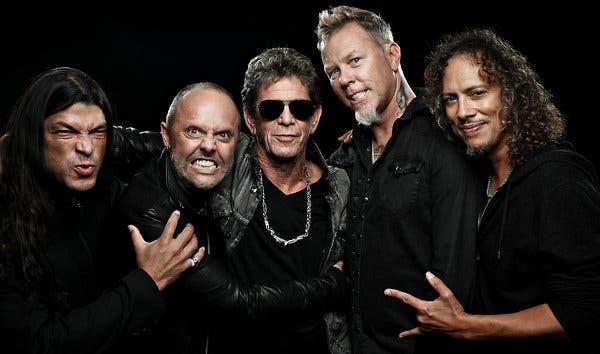
In the realm of heavy metal, few bands have left an indelible mark on the genre quite like Metallica. With a career spanning over four decades, the iconic quartet has not only redefined the boundaries of thrash metal but has also produced an extensive catalog of timeless classics. Crafting a legacy that resonates across generations, Metallica’s musical prowess and lyrical depth have elevated them to the pantheon of rock legends. In this exploration of the band’s illustrious discography, we embark on a sonic journey to uncover the “10 Best Metallica Songs of All Time.” From the raw intensity of their early days to the symphonic grandeur of their later works, each track on this list represents a pinnacle in the band’s evolution. As we delve into the intricate guitar riffs, thunderous drumming, and the distinctive vocals of James Hetfield, we celebrate the artistry and influence that have made Metallica a household name in the world of heavy metal. Join us as we revisit the anthems that have fueled the mosh pits, ignited the airwaves, and solidified Metallica’s status as one of the greatest metal bands in history.
1. Fuel
“Fuel” stands as one of Metallica’s most iconic songs, catapulting listeners into a sonic realm of relentless energy and raw power. Released as the third single from their 1997 album “Reload,” the track is a high-octane anthem that showcases the band’s mastery in blending heavy metal with a hard rock edge. The driving force behind “Fuel” lies in its thunderous guitar riffs, courtesy of James Hetfield and Kirk Hammett, which create an electrifying atmosphere from the very first notes. Hetfield’s gravelly vocals, filled with intensity and conviction, perfectly complement the aggressive instrumentation, making the song an adrenaline-fueled journey from start to finish. Its lyrics, centered around the theme of speed and the thrill of the open road, resonate with the rebellious spirit often associated with Metallica’s music.
As a live performance staple, “Fuel” has solidified its place as a fan favorite, inciting crowds with its infectious energy. The song’s enduring popularity is a testament to Metallica’s ability to craft timeless metal anthems that transcend generations. Whether blasting through speakers or reverberating in a concert arena, “Fuel” remains an essential part of Metallica’s musical legacy, capturing the essence of their enduring influence on the metal genre.
2. For Whom the Bell Tolls
“For Whom the Bell Tolls” stands tall as a cornerstone in Metallica’s illustrious catalog, renowned for its hauntingly atmospheric intro and thunderous musicality. Released on their 1984 album “Ride the Lightning,” the song is a sonic journey inspired by Ernest Hemingway’s novel of the same name. The ominous tolling of bells at the outset sets a somber tone, creating an instant air of suspense that builds into an explosive blend of heavy guitar riffs, intricate drum patterns, and Cliff Burton’s iconic bass lines. The track’s mid-paced tempo, coupled with its relentless intensity, delivers a sense of impending doom that captivates listeners.
James Hetfield’s vocals, simultaneously powerful and melodic, weave through the narrative of war and sacrifice, further enhancing the song’s emotional depth. “For Whom the Bell Tolls” showcases Metallica’s ability to infuse intricate storytelling into their music, transcending the traditional boundaries of heavy metal. As a live performance staple, the song has become a fixture in Metallica’s setlists, captivating audiences with its dynamic shifts and commanding presence. With its timeless appeal and enduring impact, “For Whom the Bell Tolls” solidifies its place as one of Metallica’s greatest contributions to the metal genre, a testament to the band’s musical prowess and lasting influence.
3. Master of Puppets
“Master of Puppets” reigns supreme as one of Metallica’s most monumental and influential compositions, earning its place as an enduring masterpiece in the metal genre. Released as the title track of their 1986 album, this epic song is a showcase of the band’s musical virtuosity and compositional prowess. Clocking in at over eight minutes, “Master of Puppets” is a sonic odyssey that takes listeners on a rollercoaster of emotions, ranging from blistering thrash metal to hauntingly melodic interludes.
The song’s iconic opening riff, played by James Hetfield, is instantly recognizable and sets the stage for a relentless onslaught of power chords and intricate guitar solos courtesy of Kirk Hammett. The rhythm section, led by the late Cliff Burton on bass and Lars Ulrich on drums, contributes to the song’s complex structure and dynamic shifts. Lyrically, “Master of Puppets” delves into themes of addiction and control, adding a layer of depth to its already compelling musical narrative.
As a live performance staple and a cultural touchstone, “Master of Puppets” has become synonymous with Metallica’s legacy. Its impact goes beyond the metal community, with the Library of Congress even recognizing the album as culturally, historically, or aesthetically significant. “Master of Puppets” stands as a towering achievement, solidifying Metallica’s status as pioneers of the genre and leaving an indelible mark on the history of heavy metal.
4. Creeping Death
“Creeping Death” emerges as a relentless and epic masterpiece within Metallica’s repertoire, showcasing the band’s ability to craft a gripping narrative within the framework of intense thrash metal. Released on their second studio album, “Ride the Lightning,” in 1984, the song is a sonic tour de force that seamlessly blends intricate guitar work, thunderous drumming, and James Hetfield’s commanding vocals.
The song’s thematic core is inspired by the biblical story of the plagues of Egypt, with Hetfield channeling the persona of the Angel of Death during the Passover. The opening riff, often referred to as the “Die by my hand” riff, is instantly recognizable and sets the tone for the impending sonic onslaught. The track’s tempo variations and dynamic shifts reflect Metallica’s adeptness at creating a multi-dimensional listening experience.
“Creeping Death” has become a staple in Metallica’s live performances, eliciting fervent crowd responses with its infectious energy. The call-and-response interaction between the band and the audience during the chorus, chanting “Die!” in unison, has become an iconic moment in Metallica’s concert history. The song’s enduring popularity is a testament to its timeless appeal and the band’s mastery in crafting intense, memorable, and thematically rich compositions. “Creeping Death” remains an indelible chapter in Metallica’s legacy, etching its place as one of the greatest thrash metal anthems of all time.
5. Seek and Destroy
“Seek and Destroy” stands as a quintessential representation of Metallica’s early thrash metal sound, embodying the raw aggression and infectious energy that defined the band’s formative years. Featured on their debut album, “Kill ‘Em All,” released in 1983, the song is a high-octane onslaught characterized by relentless guitar riffs, frenetic drumming, and James Hetfield’s gritty vocals.
The opening chords of “Seek and Destroy” immediately grab the listener’s attention, setting the stage for an adrenaline-fueled journey. The song’s straightforward and headbanging-inducing structure, coupled with its memorable chorus, has made it a fan favorite and a staple in Metallica’s live performances. The lyrics, with their rallying cry of “Searching, seek and destroy,” contribute to the anthemic quality of the track, creating an atmosphere of rebellion and intensity.
As one of Metallica’s earliest compositions, “Seek and Destroy” played a pivotal role in establishing the band’s presence in the thrash metal scene. Its infectious energy and sing-along-worthy nature have made it a timeless classic, resonating with both longtime fans and newcomers to the genre. With its enduring popularity and status as a live performance highlight, “Seek and Destroy” remains a crucial chapter in Metallica’s storied musical journey, reflecting the band’s roots and lasting impact on the world of heavy metal.
6. Enter Sandman
“Enter Sandman” is an iconic and groundbreaking track that catapulted Metallica into mainstream success, solidifying their place as heavy metal legends. Released as the lead single from their 1991 self-titled album, commonly known as the “Black Album,” the song marked a shift towards a more accessible sound while retaining the band’s unmistakable edge. The haunting guitar riff that opens the track, played by Kirk Hammett, has become instantly recognizable and is synonymous with Metallica’s global impact.
The song’s lyrics, penned by James Hetfield, explore the realm of nightmares and the unsettling transition from wakefulness to sleep. Hetfield’s gravelly yet melodic delivery adds a captivating layer to the narrative, contributing to the song’s crossover appeal. “Enter Sandman” showcases Metallica’s ability to craft a radio-friendly hit without compromising their heavy metal roots, making it one of the band’s most commercially successful and enduring songs.
With its infectious chorus and memorable hooks, “Enter Sandman” became a cultural phenomenon and received widespread acclaim. The accompanying music video, featuring surreal and dreamlike imagery, further enhanced the song’s impact. As a live performance staple and a gateway for new fans into the world of Metallica, “Enter Sandman” remains a cornerstone of the band’s discography, illustrating their adaptability and influence across diverse musical landscapes.
7. Nothing Else Matters
“Nothing Else Matters” stands as a testament to Metallica’s versatility and songwriting depth, showcasing a softer, more introspective side of the band. Released as the third single from their eponymous 1991 album, commonly known as the “Black Album,” the song diverges from Metallica’s typical thrash metal sound, offering a poignant ballad that resonates with a broad audience.
The acoustic guitar-driven melody, composed by James Hetfield and Lars Ulrich, introduces a different sonic dimension for Metallica. Hetfield’s heartfelt and introspective lyrics explore themes of love and vulnerability, adding a personal touch to the song. The inclusion of a symphonic arrangement, courtesy of the San Francisco Symphony in later performances, further elevates the emotional impact of “Nothing Else Matters.”
The song’s universal appeal is reflected in its widespread success, reaching the top of the charts in multiple countries. “Nothing Else Matters” has become a staple in Metallica’s live performances, demonstrating the band’s ability to connect with fans on a deeply emotional level. Its crossover success also helped introduce Metallica to a broader audience, solidifying their status as one of the most influential and enduring bands in the rock genre. As a departure from their heavier roots, “Nothing Else Matters” remains a standout and cherished composition, showcasing Metallica’s musical diversity and enduring impact.
8. The Four Horsemen
“The Four Horsemen” is a seminal track from Metallica’s debut album, “Kill ‘Em All,” released in 1983, and it stands as a definitive example of the band’s early thrash metal prowess. Originally titled “The Mechanix” when co-written by Dave Mustaine during his time in the band, the song underwent revisions by James Hetfield and Lars Ulrich, transforming into a relentless and dynamic anthem.
From its thunderous opening riff to its intricate guitar solos, “The Four Horsemen” showcases the aggressive and technical musicality that defined Metallica’s early sound. The song’s lyrics draw inspiration from the biblical concept of the Four Horsemen of the Apocalypse, weaving a narrative of destruction and chaos. James Hetfield’s commanding vocals, coupled with the intricate guitar work of Hetfield and Dave Mustaine (during his tenure), contribute to the song’s enduring impact.
As one of Metallica’s early compositions, “The Four Horsemen” played a pivotal role in establishing the band’s reputation within the burgeoning thrash metal scene. Its complex structure and fast-paced tempo have made it a favorite among metal enthusiasts, while its live performances continue to incite fervent crowd reactions. “The Four Horsemen” remains a cornerstone in Metallica’s discography, reflecting their early sonic aggression and laying the foundation for the influential career that would follow.
9. Sad but True
“Sad but True” is a towering and brooding masterpiece from Metallica’s self-titled 1991 album, often referred to as the “Black Album.” The song stands out as a testament to the band’s ability to create a heavy, atmospheric, and emotionally charged sonic experience. The slow, menacing tempo, coupled with the downtuned guitar riffs and James Hetfield’s deep, resonant vocals, gives “Sad but True” a dark and powerful presence.
Released as the fifth single from the album, the song’s lyrics delve into themes of introspection and inner struggles. Hetfield’s lyrics, combined with the slow and deliberate musical arrangement, contribute to the song’s somber and contemplative atmosphere. The repetitive and hypnotic quality of the main riff enhances the sense of despair and introspection, making “Sad but True” a standout track within Metallica’s diverse catalog.
The song’s impact extends beyond its studio recording, as it has become a staple in Metallica’s live performances, where its colossal sound fills arenas and captivates audiences. “Sad but True” showcases Metallica’s ability to embrace a slower, more groove-oriented style without sacrificing their trademark heaviness. Its enduring popularity solidifies its place as a classic within the band’s discography, demonstrating Metallica’s prowess in exploring different musical dimensions while maintaining their distinctive sound.
10. One
“One” is an epic and emotionally charged composition that stands as one of Metallica’s most iconic and powerful songs. Featured on their 1988 album “…And Justice for All,” the track is a multifaceted journey that blends intricate musicality with a profound narrative. Clocking in at over seven minutes, “One” is marked by its dynamic shifts, combining melodic passages with intense thrash metal elements.
The song’s lyrics are inspired by Dalton Trumbo’s novel “Johnny Got His Gun” and convey the harrowing experiences of a soldier who becomes a quadruple amputee and loses his ability to see, speak, and hear. James Hetfield’s vocals reflect the desperation and anguish of the protagonist, creating a deeply moving and visceral listening experience. The song’s memorable moments include the haunting acoustic intro, the explosive guitar solos, and the powerful crescendo that builds towards the end.
The accompanying music video, featuring scenes from the 1971 film adaptation of Trumbo’s novel, further amplifies the emotional impact of “One.” The song earned Metallica their first Grammy Award and has become a signature track in their discography. As a live performance centerpiece, “One” continues to captivate audiences, with its thematic depth and musical complexity solidifying its status as one of Metallica’s greatest achievements and a poignant commentary on the human cost of war.

Samuel Moore is a frequent contributor to Singers Room. Since 2005, Singersroom has been the voice of R&B around the world. Connect with us via social media below.









