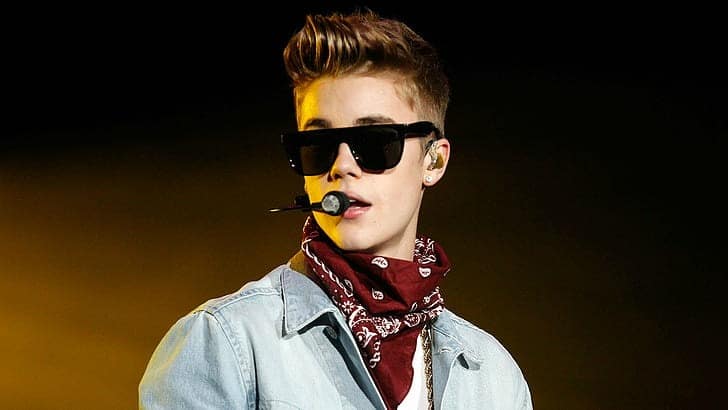
Justin Bieber, born on March 1, 1994, in London, Ontario, Canada, is a globally acclaimed pop and R&B artist who rose to prominence as a teenager and quickly became a pop culture sensation. Discovered on YouTube in the mid-2000s, Bieber’s journey from a small-town Canadian talent to a worldwide phenomenon is marked by chart-topping hits, multiple Grammy Awards, and a massive global fan base known as “Beliebers.”
Bieber’s debut album, “My World 2.0,” released in 2010, featured the chart-topping single “Baby” and established him as a teen idol. His subsequent albums, including “Purpose” in 2015, showcased his evolving musical maturity, with hits like “Sorry” and “Love Yourself.”
Aside from his musical achievements, Bieber’s personal life and public image have been subjects of intense media scrutiny. From his early years as a heartthrob to his more recent endeavors, including collaborations with notable artists, Bieber has consistently remained in the spotlight.
Over the years, Bieber has successfully navigated the challenges of fame, maturing both as an artist and an individual. His ability to reinvent his sound and connect with audiences across generations has solidified his status as one of the most influential and enduring figures in the contemporary music scene.
1. What Do You Mean?
“What Do You Mean?” is a song by Justin Bieber, released in 2015 as the lead single from his fourth studio album, “Purpose.” The track is known for its catchy melody, upbeat production, and marked a shift in Bieber’s musical style toward a more mature and electronic sound.
Lyrically, “What Do You Mean?” explores the theme of miscommunication in a romantic relationship. The lyrics depict the confusion and uncertainty that can arise when partners don’t fully understand each other. The chorus features the repeated question, “What do you mean?,” capturing the frustration and desire for clarity in the situation.
Musically, the song is characterized by its tropical house and electronic dance influences. Produced by Skrillex and BloodPop, the track features a lively beat, atmospheric synths, and Bieber’s smooth vocals. The production marked a departure from Bieber’s earlier teen pop sound and showcased his embrace of more contemporary and mature musical styles.
The success of “What Do You Mean?” was evident in its commercial performance, reaching the top of charts globally. The song’s infectious and danceable qualities, coupled with Bieber’s growing artistic maturity, contributed to its widespread appeal and cemented its status as one of Justin Bieber’s signature hits.
2. I Don’t Care
“I Don’t Care” is a collaborative single by Justin Bieber and Ed Sheeran, released in 2019. The track is known for its upbeat and feel-good sound, blending elements of pop and R&B, and marked the second collaboration between the two artists.
Lyrically, “I Don’t Care” explores the theme of social anxiety and the comfort that comes from being with a loved one. The lyrics convey a sense of unease in social situations, but the presence of a significant other makes everything better. The chorus features the reassuring lines “‘Cause I don’t care when I’m with my baby, yeah,” capturing the sentiment of finding solace in a romantic relationship.
Musically, the song is characterized by its catchy melody, acoustic guitar riffs, and a blend of electronic and pop production. The track showcases both Bieber and Sheeran’s distinctive vocal styles, creating a harmonious and enjoyable collaboration.
The music video for “I Don’t Care” features humorous and whimsical visuals, with Bieber and Sheeran placed in various surreal and amusing scenarios.
“I Don’t Care” achieved commercial success, topping charts worldwide. The song’s infectious and uplifting nature, coupled with the popularity of the two artists, contributed to its widespread appeal, making it a standout addition to both Justin Bieber and Ed Sheeran’s discographies.
3. Stay
“Stay” is a song by Australian rapper and singer the Kid Laroi and Canadian singer Justin Bieber. It was released through Grade A Productions and Columbia Records on 9 July 2021, as the lead single (sixth overall) from Laroi’s reloaded mixtape, F*ck Love 3: Over You. Laroi and Bieber wrote the song with Haan, FnZ members Finatik & Zac, and producers Cashmere Cat, Charlie Puth, Omer Fedi, and Blake Slatkin. The song marks the second collaboration between the two artists, following Bieber’s song, “Unstable”, a track from his sixth studio album, Justice (2021).
“Stay” reached number one on the Billboard Hot 100, becoming Laroi’s first chart-topping single and Bieber’s eighth, and additionally topped the Billboard Global 200. Furthermore, it reached number one in 21 other countries, including their respective natives Australia and Canada, along with Germany, the Netherlands, New Zealand, Norway, South Korea, and Sweden. It also peaked within the top ten in 18 other countries. At the 2021 ARIA Music Awards, the song won the ARIA Award for Best Pop Release, which resulted in Laroi and Bieber both winning the ARIA Award for Best Artist.[1] At the APRA Music Awards of 2022, the song won the award for Song of the Year.
4. Sorry
“Sorry” is a song by Justin Bieber, released in 2015 as the lead single from his fourth studio album, “Purpose.” The track is an upbeat and catchy pop song with elements of dancehall and tropical house.
Lyrically, “Sorry” is an apology to a romantic partner and an acknowledgment of past mistakes. The song’s chorus features the iconic line “Is it too late now to say sorry?” expressing regret and a desire for reconciliation.
The production of “Sorry” incorporates tropical beats, rhythmic percussion, and a lively melody that contributed to its widespread popularity. The song received positive reviews for its infectious sound and marked a stylistic shift for Justin Bieber.
“Sorry” became a commercial success, topping charts in multiple countries and earning critical acclaim. The accompanying music video, featuring a dance crew performing a routine, added to the song’s popularity. “Sorry” played a significant role in Justin Bieber’s career resurgence and is considered one of his signature hits.
5. Where Are Ü Now
“Baby” is a song by Justin Bieber featuring rapper Ludacris, released in 2010 as the lead single from Bieber’s debut studio album, “My World 2.0.” The track catapulted Bieber to international stardom and became one of his most iconic and recognizable songs.
Lyrically, “Baby” is a pop love song that revolves around themes of young love and infatuation. The lyrics depict Bieber expressing his affection for a special girl and his desire to make her his. The chorus features the catchy and memorable lines “Baby, baby, baby, oh,” contributing to the song’s infectious and youthful vibe.
Musically, the track is characterized by its upbeat and danceable pop-R&B sound. The production incorporates a catchy melody, handclaps, and a blend of acoustic and electronic elements. Ludacris’ rap verse adds an extra layer to the song, providing a contrast to Bieber’s smooth vocals.
The music video for “Baby” became one of the most-viewed videos on YouTube, featuring a young Bieber showcasing his dance moves and charisma. The song’s success extended beyond its chart performance, earning Bieber widespread recognition and establishing him as a pop sensation.
“Baby” received commercial success, topping charts globally and contributing to Justin Bieber’s status as a teenage heartthrob. While opinions on the song may vary, there’s no denying its cultural impact and its role in shaping Bieber’s early career.
6. Love Yourself
“Love Yourself” is a song by Justin Bieber, released in 2015 as part of his fourth studio album, “Purpose.” The track is a folk-pop influenced ballad co-written by Ed Sheeran. It features acoustic guitar elements and showcases a more mature and introspective side of Justin Bieber’s music.
Lyrically, “Love Yourself” is a breakup song where the narrator advises an ex-partner to “love yourself” if they think the narrator is the cause of their problems. The lyrics deliver a message of self-respect and empowerment, encouraging individuals to prioritize their own well-being.
The minimalist production, with its acoustic guitar and subdued instrumentation, allows Justin Bieber’s vocals to take center stage. The combination of the heartfelt lyrics and Bieber’s sincere delivery resonated with audiences and critics alike.
“Love Yourself” became a major commercial success, topping charts worldwide. Its unique blend of pop and folk elements, coupled with the emotionally resonant lyrics, contributed to the song’s popularity. It received critical acclaim and earned Justin Bieber several award nominations. “Love Yourself” is often regarded as one of the standout tracks from the “Purpose” album.
7. Baby
“Baby” is a song by Justin Bieber featuring rapper Ludacris, released in 2010 as the lead single from Bieber’s debut studio album, “My World 2.0.” The track catapulted Bieber to international stardom and became one of his most iconic and recognizable songs.
Lyrically, “Baby” is a pop love song that revolves around themes of young love and infatuation. The lyrics depict Bieber expressing his affection for a special girl and his desire to make her his. The chorus features the catchy and memorable lines “Baby, baby, baby, oh,” contributing to the song’s infectious and youthful vibe.
Musically, the track is characterized by its upbeat and danceable pop-R&B sound. The production incorporates a catchy melody, handclaps, and a blend of acoustic and electronic elements. Ludacris’ rap verse adds an extra layer to the song, providing a contrast to Bieber’s smooth vocals.
The music video for “Baby” became one of the most-viewed videos on YouTube, featuring a young Bieber showcasing his dance moves and charisma. The song’s success extended beyond its chart performance, earning Bieber widespread recognition and establishing him as a pop sensation.
“Baby” received commercial success, topping charts globally and contributing to Justin Bieber’s status as a teenage heartthrob. While opinions on the song may vary, there’s no denying its cultural impact and its role in shaping Bieber’s early career.
8. Despacito
“Despacito” is a song by Puerto Rican singer Luis Fonsi featuring Puerto Rican rapper Daddy Yankee. Released in 2017, the track became a global phenomenon and is widely recognized for its catchy melody and incorporation of reggaeton and Latin pop elements.
The lyrics of “Despacito” celebrate a slow and sensual dance between two people, expressing romantic desire. Sung in Spanish, the title translates to “slowly” in English, emphasizing the relaxed and intimate nature of the song.
The infectious rhythm and memorable chorus of “Despacito” contributed to its massive success. The song topped charts around the world and broke numerous records, including becoming the most-viewed YouTube video at the time.
The popularity of “Despacito” was further amplified by a remix featuring Canadian singer Justin Bieber, which helped the song reach an even broader international audience. The remix, which includes Bieber singing in English and Spanish, added a new dimension to the track’s appeal.
“Despacito” is often credited with helping to popularize Latin music globally and remains one of the best-selling digital singles of all time. Its cultural impact and success have solidified its place as one of the defining songs of the 2010s.
9. No Sense
“No Sense” is a song by Justin Bieber featuring Travi$ Scott, included in Bieber’s fourth studio album, “Purpose,” released in 2015. The track is known for its R&B and electronic influences and is part of Bieber’s exploration into a more mature sound.
Lyrically, “No Sense” delves into the confusion and irrationality that often accompany a tumultuous relationship. The lyrics discuss the irrationality of staying in a relationship that doesn’t make sense, yet the emotional pull is too strong to resist. The chorus features the lines “It don’t make no sense unless I’m doing it with you,” capturing the paradoxical nature of love.
Musically, the song is characterized by its atmospheric and moody production. The track features a smooth R&B vibe with electronic elements, showcasing Bieber’s evolving musical style. Travi$ Scott’s contribution adds a rap verse, contributing to the track’s dynamic and contemporary feel.
“No Sense” received positive reviews for its mature sound, production quality, and the chemistry between Bieber and Travi$ Scott. While not released as a single, the song contributed to the overall success of Bieber’s “Purpose” album, which marked a significant artistic and commercial comeback for the pop star.
10. As Long As You Love Me
“As Long As You Love Me” is a song by Justin Bieber, released in 2012 as the second single from his third studio album, “Believe.” The track features American rapper Big Sean and is a pop and R&B-influenced song with a catchy chorus and a danceable beat.
The lyrics of “As Long As You Love Me” convey a message of love and devotion, expressing a willingness to overcome challenges in a relationship as long as there is genuine love. The song’s title is often associated with the famous Backstreet Boys song of the same name, but Justin Bieber’s version has a different musical style.
The collaboration with Big Sean adds a rap element to the song, providing a dynamic contrast to Bieber’s vocals. The track received positive reviews for its catchy melody, relatable lyrics, and the chemistry between Bieber and Big Sean.
The accompanying music video features a more mature image of Justin Bieber and includes dramatic scenes that complement the emotional tone of the song. “As Long As You Love Me” achieved commercial success, charting well internationally, and contributing to the overall success of the “Believe” album.

Edward Tomlin is a frequent contributor to Singers Room. Since 2005, Singersroom has been the voice of R&B around the world. Connect with us via social media below.









