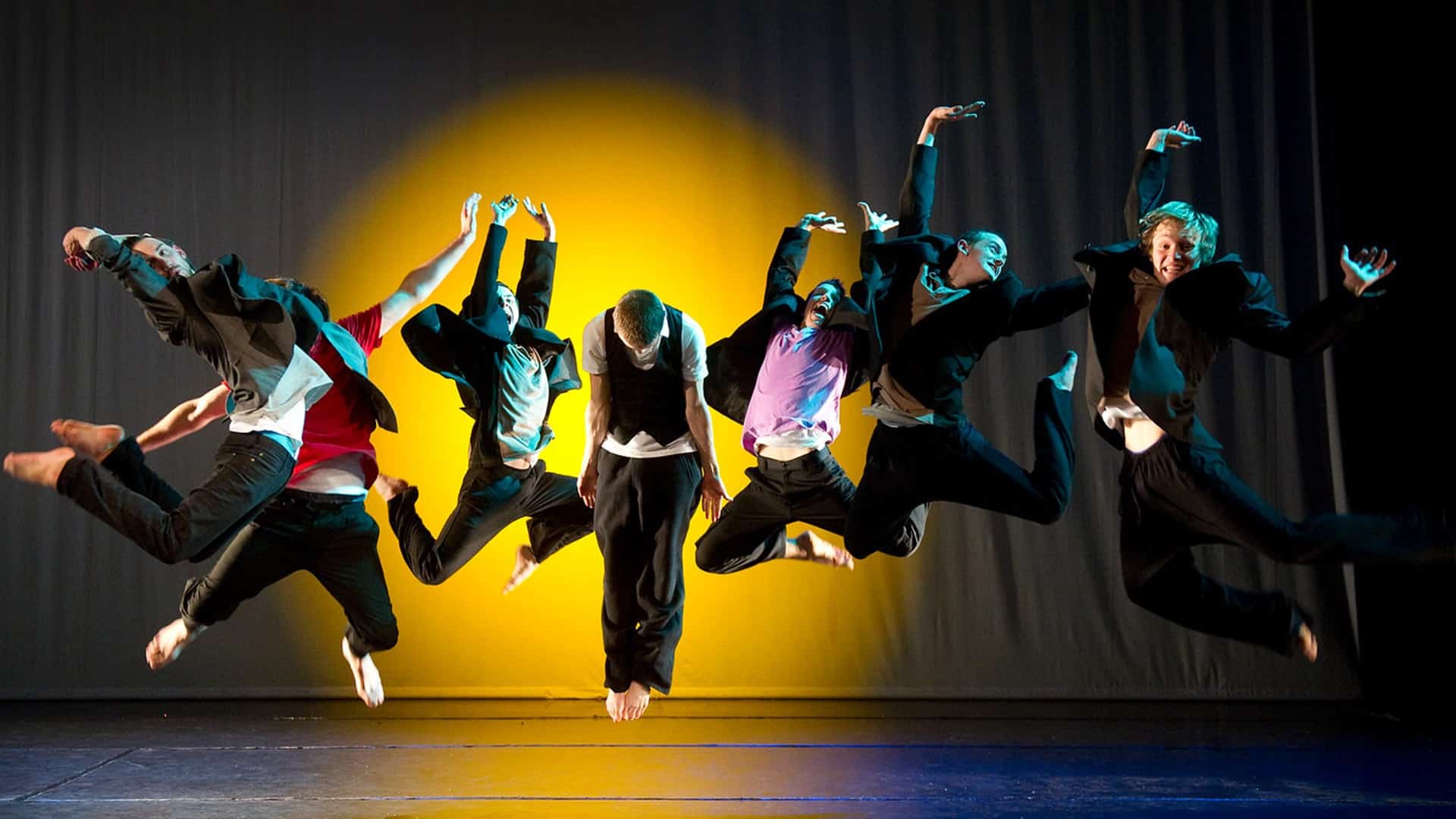
Dance music is a vibrant and dynamic genre that serves as the rhythmic heartbeat of global nightlife, social gatherings, and cultural celebrations. Characterized by infectious beats, pulsating rhythms, and energetic melodies, dance songs are designed to move the body and create an atmosphere of joy, freedom, and collective euphoria. From the throbbing basslines of electronic dance music (EDM) to the groovy rhythms of funk and disco, dance songs span a diverse range of styles, each with its unique ability to inspire movement.
At the core of dance music is the universal language of rhythm, encouraging individuals to express themselves physically and connect with others on the dance floor. Whether in the exuberant atmosphere of a nightclub, the rhythmic beats of a music festival, or the communal spirit of a wedding celebration, dance songs facilitate a sense of unity and liberation.
Dance songs often feature repetitive and hypnotic elements that propel listeners into a state of flow, where the music becomes a conduit for self-expression and communal celebration. Beyond mere entertainment, dance music serves as a cultural force, reflecting the ever-evolving tastes and influences of society while providing a soundtrack for moments of joy, connection, and unbridled expression.
1. James Brown, “Get on the Good Foot”
“Get on the Good Foot” by James Brown is a funk-infused dance anthem that encapsulates the electrifying energy and infectious rhythm for which the Godfather of Soul is renowned. Released in 1972 as the title track of his album, the song stands as a testament to Brown’s ability to create music that not only makes you move but also captures the essence of the funk genre.
The driving force behind “Get on the Good Foot” is its relentless groove, characterized by a tight rhythm section, punchy horns, and Brown’s trademark vocal delivery. The song encourages listeners to get up, get moving, and embrace life with a positive attitude. The infectious call-and-response vocals, punctuated by Brown’s charismatic ad-libs, create an irresistible energy that permeates the entire track.
Lyrically, the song reflects Brown’s philosophy of perseverance, self-confidence, and resilience. It carries a message of empowerment, urging people to overcome challenges and find joy in the act of dancing and celebrating life.
“Get on the Good Foot” showcases James Brown’s mastery of funk and his unparalleled ability to create music that not only entertains but also inspires movement and a sense of collective joy. The song remains a timeless embodiment of the funk genre’s influence on dance music and its enduring impact on popular culture.
2. First Choice, “Let No Man Put Asunder”
“Let No Man Put Asunder” is a disco and soul song by American girl group First Choice. Originally released in 1977, the track became a classic in the disco genre and has been remixed and re-released several times over the years.
The lyrics of “Let No Man Put Asunder” explore themes of love, commitment, and the determination to overcome challenges in a relationship. The title phrase, “Let no man put asunder,” is a declaration of the desire to keep the bond between two people strong and unbroken.
The song is characterized by its energetic disco beat, soulful vocals, and a catchy melody. First Choice’s harmonious vocals and the dynamic arrangement contribute to the track’s danceable and uplifting quality. The use of orchestration and arrangement elements typical of disco music from that era further enhances the song’s appeal.
“Let No Man Put Asunder” has been embraced by both disco enthusiasts and contemporary audiences. It has become a staple in DJ sets, club playlists, and is often cited as one of the standout tracks from the disco era. The song’s enduring popularity speaks to its influence on the disco and dance music scenes.
3. Madonna, “Vogue”
“Vogue” is a dance-pop and house song by American singer Madonna, released in 1990 as the lead single from her second greatest hits album, “The Immaculate Collection.” The song became one of Madonna’s most iconic and commercially successful singles.
The lyrics of “Vogue” pay homage to the glamorous world of fashion and the art of posing for the camera. The song references various Hollywood stars and the practice of vogueing, a dance style that emerged from the ballroom culture of the LGBTQ+ community.
Musically, “Vogue” is characterized by its catchy hook, a sample of the string arrangement from the 1982 disco hit “Love Break” by the Salsoul Orchestra, and Madonna’s spoken-word delivery in the verses. The song’s production, combining elements of house and dance-pop, contributed to its success in the mainstream and on dance floors.
The accompanying music video, directed by David Fincher, features Madonna and her dancers showcasing various glamorous looks and dance routines. The video’s iconic black-and-white cinematography and Madonna’s sleek choreography contributed to the song’s visual impact.
“Vogue” topped the charts in multiple countries and became one of Madonna’s signature songs. Its influence on pop culture, fashion, and dance music has endured over the years, solidifying its status as a classic in Madonna’s discography.
4. Robin S., “Show Me Love”
“Show Me Love” by Robin S. is a classic dance anthem that emerged from the vibrant era of ’90s house music, leaving an indelible mark on the genre. Released in 1993, the track quickly became a global sensation, known for its infectious energy, soulful vocals, and timeless appeal.
At the core of “Show Me Love” is its pulsating house beat, characterized by thumping kick drums and rhythmic hi-hats. The song seamlessly blends electronic elements with Robin S.’s powerful and soulful vocals, creating a dynamic synergy that propels the listener onto the dance floor. The track’s driving force lies in its uplifting chorus, where Robin S. passionately implores, “Show me love, show me life, baby show me what it’s all about.”
The success of “Show Me Love” extended beyond the dance music scene, achieving widespread recognition and earning a place in the mainstream. Its catchy hooks and infectious melody contributed to its enduring popularity, leading to various remixes and reinterpretations over the years.
“Show Me Love” remains a quintessential dance classic, symbolizing the exuberance and euphoria of ’90s house music. Its impact on the electronic dance music landscape and its ability to ignite dance floors around the world solidify its status as a timeless anthem in the history of dance music.
5. Robyn, “Dancing on My Own”
“Dancing on My Own” is a synth-pop and dance-pop song by Swedish singer Robyn, released in 2010 as a single from her fifth studio album, “Body Talk Pt. 1.” The song is considered one of Robyn’s standout tracks and has been praised for its emotional depth and danceable sound.
The lyrics of “Dancing on My Own” tell the story of heartbreak and unrequited love. The protagonist watches their former partner dancing with someone else at a club, emphasizing the feeling of loneliness and longing. Despite the melancholic theme, the song is set against an upbeat and energetic musical backdrop.
Musically, “Dancing on My Own” features pulsating synths, a driving beat, and Robyn’s emotive and distinctive vocals. The combination of the infectious melody and the relatable, emotionally charged lyrics resonated with listeners, making the song both a critical and commercial success.
The song received widespread acclaim for its honesty, vulnerability, and the way it captured the universal experience of heartache and resilience. “Dancing on My Own” has become one of Robyn’s most well-known and beloved songs, earning a place in the pantheon of pop music anthems that resonate with diverse audiences.
6. Indeep, “Last Night a DJ Saved My Life”
“Last Night a DJ Saved My Life” by Indeep is a spirited and infectious dance-pop anthem that emerged during the vibrant era of the early 1980s. Released in 1982, the track captures the essence of disco and dance music, blending catchy hooks with a narrative that celebrates the transformative power of music, specifically the role of a DJ in shaping one’s experience.
At the heart of the song is its catchy and repetitive chorus, where the vocalist joyfully recounts the story of a night saved by a DJ and the magic of the music played. The song seamlessly merges elements of funk, disco, and early electronic music, creating a sound that resonated with the dance-centric atmosphere of the time.
“Last Night a DJ Saved My Life” became an anthem for nightlife enthusiasts, embodying the idea that music, and by extension, DJs, can have a profound impact on people’s lives. The track’s lively and upbeat tempo, coupled with its narrative-driven lyrics, contributed to its widespread success on dance floors and airwaves alike.
Decades after its release, the song remains a classic representation of the disco and dance-pop era, celebrated for its catchy melody, infectious energy, and the universal theme of finding solace and joy through music. “Last Night a DJ Saved My Life” stands as a testament to the enduring power of dance music to uplift and bring people together.
7. Chic, “Good Times”
“Good Times” is a classic disco and funk song by the American band Chic, released in 1979 as the lead single from their third studio album, “Risqué.” The track is celebrated for its infectious groove, danceable rhythm, and its influence on the development of hip-hop.
The lyrics of “Good Times” are upbeat and celebratory, emphasizing the joy of dancing and having a good time. The chorus includes the memorable line “Good times, these are the good times,” encapsulating the carefree and positive vibe of the song.
Musically, “Good Times” is characterized by Nile Rodgers’ funky guitar riff and Bernard Edwards’ bassline, both of which became iconic elements of the track. The song’s production and instrumentation contributed to its success in the disco era and its lasting impact on the music industry.
“Good Times” not only became a disco anthem but also played a significant role in the development of hip-hop. The song’s bassline was later sampled in the Sugarhill Gang’s pioneering hip-hop hit “Rapper’s Delight,” making it one of the most sampled basslines in music history.
Chic’s “Good Times” remains a timeless classic, enjoyed for its infectious energy and its influence on multiple genres of music, including disco, funk, and hip-hop.
8. Donna Summer, “I Feel Love”
“I Feel Love” by Donna Summer is a groundbreaking and influential disco anthem that not only defined the sound of the late 1970s but also played a crucial role in shaping the future of electronic dance music. Released in 1977, the song was a collaboration between Summer, producer Giorgio Moroder, and Pete Bellotte.
At the heart of “I Feel Love” is its revolutionary use of synthesizers, particularly the Moog synthesizer, creating a pulsating, futuristic, and entirely electronic sound. The repetitive and hypnotic beat, combined with Summer’s sultry vocals, results in a track that feels ahead of its time, foreshadowing the rise of electronic dance music in the decades to come.
The song’s impact on the disco and dance music scene was profound, as it marked a departure from traditional orchestral arrangements in favor of electronic instrumentation. “I Feel Love” not only became a massive hit on the dance charts but also influenced a generation of musicians and producers.
Beyond its historical significance, the track remains a timeless dance classic. Its relentless energy, innovative production, and Summer’s electrifying performance have secured its place as a seminal piece in the evolution of disco and electronic dance music, making “I Feel Love” a groundbreaking and enduring masterpiece.
9. Daft Punk, “One More Time”
“One More Time” is an electronic dance and house music song by the French electronic music duo Daft Punk. Released in 2000 as the lead single from their second studio album, “Discovery,” the track is widely regarded as one of Daft Punk’s most iconic and influential works.
The lyrics of “One More Time” are simple yet anthemic, revolving around the theme of the joy of music and the desire to share that joy with the world. The repeated refrain of “One more time” and “Celebrate and dance so free” contributes to the song’s uplifting and infectious quality.
Musically, “One More Time” features a catchy and melodic progression, vocoder-processed vocals, and a blend of house, disco, and funk elements. The song’s production showcases Daft Punk’s ability to create a perfect fusion of electronic and traditional music genres.
The accompanying music video, directed by Kazuhisa Takenouchi, complements the song’s celebratory atmosphere with vibrant and colorful animation.
“One More Time” became a commercial success, reaching the top of the charts in multiple countries. It has since become a dance music anthem and is often cited as one of the defining tracks of the electronic music genre. The song’s enduring popularity has solidified its place in the electronic music canon.
10. Frankie Knuckles and Jamie Principle, “Your Love”
“Your Love” by Frankie Knuckles and Jamie Principle is a seminal track in the history of house music, representing the genre’s origins and the influential role of Chicago’s underground dance scene. Released in 1987, the song is a collaborative effort between the legendary DJ and producer Frankie Knuckles, often referred to as the “Godfather of House,” and vocalist Jamie Principle.
At the core of “Your Love” is its pulsating rhythm, characterized by a hypnotic drum pattern, rhythmic bassline, and synth stabs. Jamie Principle’s soulful and emotive vocals convey a sense of longing and passion, creating an intimate and evocative atmosphere. The track’s extended instrumental breaks allow Knuckles to showcase his masterful mixing skills and highlight the importance of the DJ in shaping the dance experience.
“Your Love” played a pivotal role in defining the sound of house music, fusing elements of disco, soul, and electronic instrumentation. The track’s impact extended far beyond the underground Chicago scene, influencing the evolution of dance music globally.
Recognized as a classic within the house music canon, “Your Love” remains a testament to the genre’s ability to connect with listeners on a visceral level. Its infectious groove, emotive vocals, and timeless appeal contribute to its enduring status as a foundational and influential track in the history of electronic dance music.
11. Shannon, “Let the Music Play”
“Let the Music Play” is a dance-pop and freestyle song by American singer Shannon, released in 1983 as the title track from her debut studio album. The song is considered one of the classic hits of the freestyle music genre and became a dancefloor anthem during the 1980s.
The lyrics of “Let the Music Play” tell a story of romantic suspicion and heartbreak set against the backdrop of a dance club. The protagonist discovers her partner dancing with someone else while the music plays, leading to a narrative of betrayal and emotional turmoil.
Musically, the song is characterized by its infectious beat, electronic production, and Shannon’s soulful vocals. The use of synthesizers and the driving rhythm contribute to the track’s energetic and danceable quality. The catchy chorus and Shannon’s emotive delivery helped propel the song to commercial success.
“Let the Music Play” achieved chart success, reaching the top of the Billboard Dance Club Songs chart and making an impact on the pop charts as well. The song’s popularity extended beyond its initial release, and it has been celebrated as a quintessential example of freestyle music—a genre that emerged from the urban club scene during the 1980s.
Shannon’s “Let the Music Play” remains a classic in the freestyle and dance music genres, and its influence on subsequent dance-pop and electronic music is still felt today.
12. On the House and Marshall Jefferson, “Move Your Body (The House Music Anthem)”
“Move Your Body (The House Music Anthem)” by Marshall Jefferson, released under the moniker On the House, is an iconic and pioneering track in the history of house music. Released in 1986, the song is widely recognized as one of the defining anthems that helped establish the Chicago house music scene.
At its core, “Move Your Body” encapsulates the essence of house music with its infectious rhythm, thumping bassline, and uplifting melodies. The track is a celebration of dance, urging listeners to let the music take control and move their bodies in response to the beat. The soulful vocal samples and rhythmic piano chords contribute to the track’s joyous and energetic atmosphere.
Marshall Jefferson’s production skills shine through in the arrangement, utilizing the Roland TR-909 drum machine and other electronic elements that would become signature sounds of the emerging house genre. The track’s repetitive and hypnotic nature reflects the roots of house music in the club culture of Chicago, where DJs and producers experimented with electronic sounds to create a new and exciting form of dance music.
“Move Your Body” not only became a massive hit in the clubs but also played a crucial role in introducing house music to a broader audience. Its influence extends far beyond its initial release, as it remains a timeless and revered anthem that continues to inspire new generations of electronic music enthusiasts.
13. Disclosure feat. Sam Smith, “Latch”
“Latch” is a song by the British electronic music duo Disclosure featuring vocals from English singer Sam Smith. Released in 2012 as the third single from Disclosure’s debut studio album, “Settle,” the song marked a breakthrough for both Disclosure and Sam Smith, propelling them to international acclaim.
The lyrics of “Latch” explore themes of infatuation, desire, and emotional connection. Sam Smith’s soulful and emotive vocals bring a poignant quality to the lyrics, adding depth to the electronic sound of the track.
Musically, “Latch” is characterized by its infectious melody, pulsating beat, and electronic production. The song seamlessly combines elements of deep house and UK garage, showcasing Disclosure’s signature sound. The use of catchy hooks, smooth transitions, and Sam Smith’s distinctive falsetto contributed to the song’s commercial success.
“Latch” received widespread acclaim from critics and audiences alike, earning accolades and chart success in multiple countries. The song’s popularity was further boosted by its radio play and its presence in various media, making it one of the defining tracks of the electronic and pop music landscape in the early 2010s.
“Latch” remains a standout collaboration in the electronic music genre and has left a lasting impact, contributing to the success of both Disclosure and Sam Smith in their respective careers.
14. Kraftwerk, “Trans-Europe Express”
“Trans-Europe Express” by Kraftwerk is a pioneering electronic track that stands as a cornerstone in the development of electronic and techno music. Released in 1977 as the title track of their sixth studio album, the song reflects Kraftwerk’s innovative approach to music production and their vision of the future.
At the heart of “Trans-Europe Express” is its distinctive electronic sound, characterized by repetitive synthesizer patterns, robotic vocals, and a sleek, futuristic ambiance. The track’s rhythmic precision and minimalistic approach were revolutionary, laying the groundwork for the emergence of techno and influencing countless artists in the electronic music genre.
The song’s title and lyrics evoke the idea of a high-speed train journey across Europe, reflecting Kraftwerk’s fascination with technology, transportation, and the integration of man and machine. The album, as a whole, explores themes of European unity and the impact of technology on society, making “Trans-Europe Express” a conceptual and artistic achievement.
Beyond its musical innovation, the track’s influence extends to various genres, including hip-hop, where it has been sampled in iconic songs like Afrika Bambaataa’s “Planet Rock.” “Trans-Europe Express” remains a testament to Kraftwerk’s forward-thinking approach to music, solidifying their status as pioneers in the electronic music landscape.
15. Adonis, “No Way Back”
“No Way Back” by Adonis is a classic track in the history of Chicago house music. Released in 1986, the song is considered a seminal work in the genre and has had a significant impact on the development of electronic dance music.
As an instrumental track, “No Way Back” relies on its infectious beat, hypnotic rhythm, and the innovative use of synthesizers and drum machines. The repetitive yet dynamic nature of the composition is a hallmark of the Chicago house sound.
Adonis, whose real name is Adonis Smith, was a key figure in the early Chicago house scene. “No Way Back” is celebrated for its simplicity and effectiveness on the dancefloor, embodying the spirit of house music with its pulsating energy and electronic textures.
The track has become an anthem in the house and techno genres, influencing countless DJs, producers, and electronic music enthusiasts. Its enduring popularity speaks to its role in shaping the sound of dance music and its status as a timeless classic in the electronic music canon.

Edward Tomlin is a frequent contributor to Singers Room. Since 2005, Singersroom has been the voice of R&B around the world. Connect with us via social media below.







