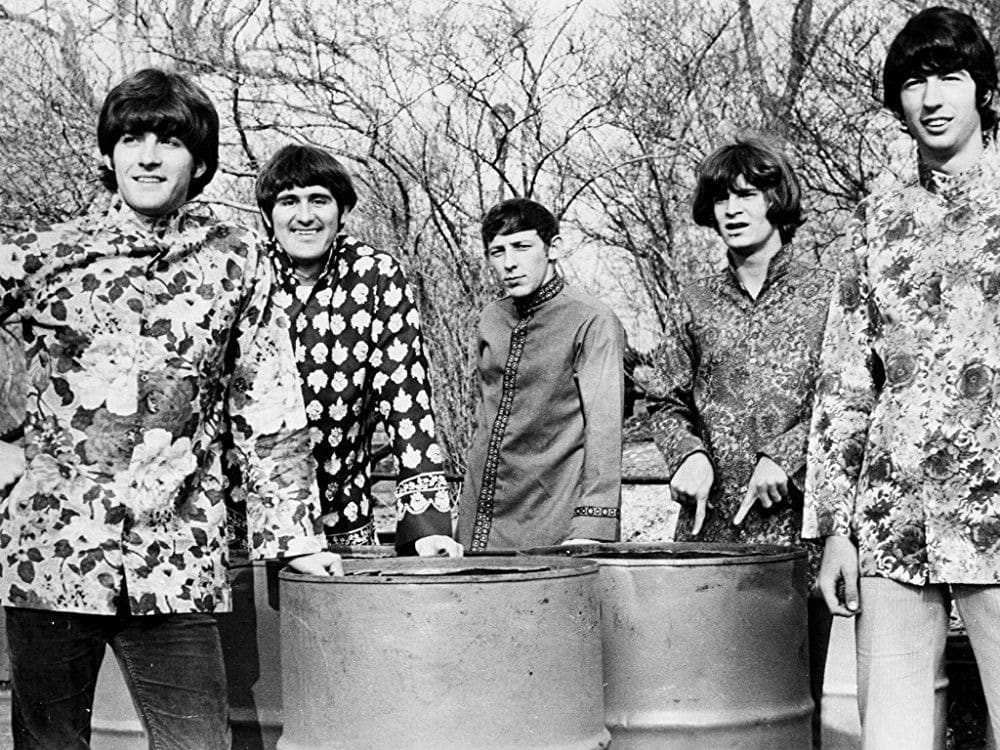
The Box Tops were an American rock band that achieved success in the late 1960s. Their most well-known hit is the classic song “The Letter,” released in 1967. The band was formed in Memphis, Tennessee, and was led by singer Alex Chilton.
“The Letter” was written by Wayne Carson and became an international chart-topping hit for The Box Tops. The song’s soulful vocals and catchy melody made it an iconic track of the late 1960s. With its distinctive opening lines, “Gimme a ticket for an aeroplane, Ain’t got time to take a fast train,” the song quickly became a pop and rock anthem.
While “The Letter” was The Box Tops’ most significant success, they had a few other notable hits, including “Cry Like a Baby” and “Soul Deep.” The band’s sound was characterized by a mix of pop, rock, and blue-eyed soul elements. Alex Chilton’s soulful voice and the band’s tight arrangements contributed to their distinctive sound.
Despite their relatively short-lived mainstream success, The Box Tops left a lasting impact on the music scene of the 1960s. “The Letter” remains an enduring classic and is often included in compilations and playlists celebrating the music of that era.
1. “The Letter”
“The Letter” is a classic song by The Box Tops, released in 1967. It became the band’s breakthrough hit and remains one of the iconic songs of the 1960s. The song was written by Wayne Carson Thompson.
“The Letter” features soulful vocals by lead singer Alex Chilton and a catchy, upbeat melody. The lyrics tell the story of a man who writes a letter to his lover, expressing his feelings of loneliness and desire for her to come back home. The song’s signature opening lines, “Gimme a ticket for an aeroplane, Ain’t got time to take a fast train,” are instantly recognizable and contributed to the song’s widespread popularity.
The track reached No. 1 on the Billboard Hot 100 chart in 1967, making The Box Tops an overnight success. The song’s success was attributed not only to its infectious melody but also to Chilton’s soulful and mature vocals, which were notable for a singer of his age at the time.
“The Letter” has endured as a classic of the 1960s, and its impact has been recognized through numerous covers and inclusions in various compilations celebrating the music of that era. The Box Tops’ rendition of “The Letter” remains a memorable and influential piece in the history of rock and pop music.
2. “Cry Like a Baby”
“Cry Like a Baby” is a song by the American rock band The Box Tops. It was released in 1968 as a single and became one of the band’s most successful hits. The Box Tops were known for their soulful and pop-infused sound, and “Cry Like a Baby” is a notable example of their style.
The song was written by Dan Penn and Spooner Oldham, and it features the distinctive voice of the Box Tops’ lead singer, Alex Chilton. “Cry Like a Baby” reached the number two spot on the Billboard Hot 100 chart in the United States, making it one of the band’s highest-charting songs.
The lyrics of the song convey themes of heartbreak and emotional vulnerability, with the narrator expressing the pain of lost love and the desire for reconciliation. The combination of Chilton’s soulful vocals and the catchy melody contributed to the song’s commercial success and enduring popularity.
3. “Soul Deep”
“Soul Deep” is another well-known song by The Box Tops. It was released in 1969 and is often considered one of the band’s classic tracks. Like many of their songs, “Soul Deep” features the soulful and bluesy vocals of lead singer Alex Chilton.
The song was written by Wayne Carson Thompson, who was a prolific songwriter and had penned several hits for various artists. “Soul Deep” is a love song with soul and R&B influences, and it showcases Chilton’s emotive singing style.
While “Cry Like a Baby” remains The Box Tops’ highest-charting single, “Soul Deep” also achieved commercial success, reaching the top 20 on the Billboard Hot 100 chart. Both songs are often remembered as key contributions to the pop and soul sounds of the late 1960s.
4. “Neon Rainbow”
“Neon Rainbow” is a song by The Box Tops, released in 1967. It was the follow-up single to their smash hit “The Letter.” Like many of The Box Tops’ songs, “Neon Rainbow” features the soulful vocals of lead singer Alex Chilton and combines elements of pop, rock, and blue-eyed soul.
The lyrics of “Neon Rainbow” paint a vivid picture of urban life, with references to the neon lights of the city and the experiences of living in a bustling metropolis. The song’s title refers to the vibrant and colorful imagery associated with the nightlife and cityscape.
Musically, “Neon Rainbow” showcases the band’s ability to blend various genres. The song has a catchy and energetic melody, with Chilton’s soulful vocals adding depth to the composition. The use of horns and the overall arrangement contribute to the soulful and dynamic sound of the track.
While “Neon Rainbow” did not achieve the same level of commercial success as “The Letter,” it remains a notable and well-regarded song from The Box Tops’ discography. The band’s ability to infuse soulful elements into their pop and rock sound set them apart during the late 1960s.
5. “Choo Choo Train”
“Choo Choo Train” is a song by The Box Tops, and it was released as a single in 1968. The song was written by Chris Bell and Alex Chilton, both of whom were members of The Box Tops. “Choo Choo Train” is known for its catchy and upbeat sound, characteristic of the pop and soul-influenced style that The Box Tops were known for during the late 1960s.
While “Choo Choo Train” didn’t achieve the same level of commercial success as some of their other hits like “Cry Like a Baby” and “The Letter,” it remains a popular and well-regarded track among fans of the band. The song reflects the band’s ability to blend elements of pop, soul, and rock into their music.
6. “Sweet Cream Ladies, Forward March”
“Sweet Cream Ladies, Forward March” is a song by The Box Tops, featured on their 1968 album “Cry Like a Baby.” The song was written by Dan Penn and Spooner Oldham, who were known for their contributions to Southern soul and R&B music.
“Sweet Cream Ladies, Forward March” reflects the band’s exploration of diverse musical styles, incorporating elements of soul, R&B, and rock. The title and lyrics convey a sense of forward momentum, and the song’s musical arrangement complements this theme with its lively and upbeat quality.
While “Sweet Cream Ladies, Forward March” did not achieve the same level of commercial success as some of The Box Tops’ earlier hits, it showcases the band’s versatility and willingness to experiment with different sounds. The Box Tops, led by the soulful vocals of Alex Chilton, left an indelible mark on the 1960s music scene with their unique fusion of pop, rock, and soul influences.
7. “I Met Her in Church”
“I Met Her in Church” is a song by The Box Tops, released in 1967. The song was written by Wayne Carson Thompson, a songwriter known for his contributions to various genres, including pop, rock, and country.
“I Met Her in Church” is a soulful and melodic track that showcases the vocal abilities of Alex Chilton, the lead singer of The Box Tops. The song describes a romantic encounter that takes place in a church setting, and it features the band’s signature blend of pop, soul, and rock elements.
While “I Met Her in Church” may not be as well-known as some of The Box Tops’ other hits, it reflects the band’s versatility in exploring different musical styles during the 1960s.
8. “You Keep Tightening Up on Me”
“You Keep Tightening Up on Me” is a song by The Box Tops, released in 1969. The song was written by Don Nix, a songwriter and musician known for his work in the Southern soul and blues genres.
“You Keep Tightening Up on Me” is a soulful and bluesy track that features Alex Chilton’s distinctive vocals. The song reflects the band’s ability to explore different musical styles, incorporating soul and blues influences into their sound. While it may not be as widely recognized as some of The Box Tops’ other hits, the song showcases their versatility and ability to tackle various genres during their career in the late 1960s.
9. “Turn on a Dream”
“Turn on a Dream” is a song by The Box Tops, featured on their 1969 album “Dimensions.” The song was written by Dan Penn and Spooner Oldham, who were notable songwriters and musicians associated with the Southern soul and R&B genres.
“Turn on a Dream” reflects the band’s continued exploration of soulful and melodic sounds. The song has a dreamy quality to it, both in terms of its musical arrangement and lyrical content. The title suggests a sense of escapism and the idea of turning to dreams for solace or inspiration.
Despite the critical acclaim The Box Tops received for their earlier hits, “Turn on a Dream” did not achieve significant commercial success. Nevertheless, the song showcases the band’s ability to deliver soulful and nuanced performances, with lead singer Alex Chilton’s distinctive vocals contributing to the overall sound.
“Turn on a Dream” is an example of The Box Tops’ departure from their earlier straightforward pop-rock sound into more introspective and musically varied territory. The band’s willingness to experiment with different styles during this period reflects the broader evolution of music in the late 1960s.
10. “I Must Be the Devil”
“I Must Be the Devil” is a song by The Box Tops from their album “Dimensions” released in 1969. The song was written by Wayne Carson Thompson, a prolific songwriter who contributed to several Box Tops hits. “I Must Be the Devil” continues in the soulful and bluesy vein that characterized many of The Box Tops’ songs.
The track features Alex Chilton’s soulful vocals and the band’s tight musical arrangement. While not as commercially successful as some of their earlier hits, “I Must Be the Devil” showcases the band’s ability to deliver emotionally charged performances with a blend of rock, soul, and blues influences.

Edward Tomlin is a frequent contributor to Singers Room. Since 2005, Singersroom has been the voice of R&B around the world. Connect with us via social media below.







