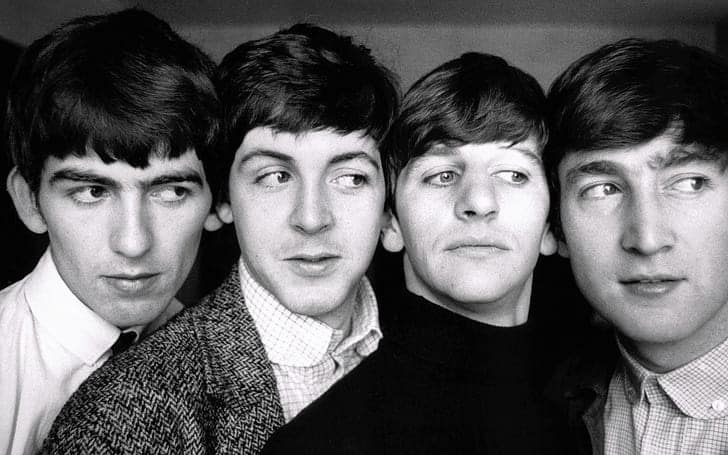
The Beatles, arguably the most iconic and influential band in the history of music, have left an indelible mark on the world with their timeless melodies, groundbreaking compositions, and unparalleled creativity. As we embark on a journey through the vast and illustrious discography of the Fab Four, we find ourselves immersed in a kaleidoscope of musical genius that has shaped the landscape of popular music for decades. Crafting a definitive list of the “Top 10 Best Beatles Songs of All Time” is no small feat, as each song serves as a testament to the band’s extraordinary ability to evolve and transcend musical boundaries. From the early days of Beatlemania to the experimental sounds of their later albums, the Beatles’ songwriting prowess and innovation have left an enduring legacy that continues to captivate listeners of all ages. Join us as we delve into the magical world of John Lennon, Paul McCartney, George Harrison, and Ringo Starr, celebrating the masterpieces that have stood the test of time and earned their place as the absolute best in the Beatles’ illustrious catalog.
1. Something
“Something” stands as one of The Beatles’ timeless classics, capturing the essence of the band’s musical versatility and emotional depth. Penned by George Harrison, the track showcases his songwriting prowess and marked a departure from the more dominant Lennon-McCartney contributions. Released on the iconic “Abbey Road” album in 1969, “Something” seamlessly blends elements of rock, pop, and balladry. The song’s soulful melody, enriched by Harrison’s emotive vocals and intricate guitar work, resonates with a universal appeal that transcends generations.
The lyrics of “Something” reflect a poignant exploration of love’s complexity and nuance. The opening line, “Something in the way she moves attracts me like no other lover,” sets the tone for a heartfelt ode to the mysterious allure of romantic connections. Frank Sinatra famously praised the song as “the greatest love song ever written,” attesting to its enduring impact. With its melodic beauty, lyrical depth, and Harrison’s sincere delivery, “Something” has secured its place not only as one of The Beatles’ best but as an enduring masterpiece in the broader landscape of popular music.
2. Let it be
“Let It Be” stands tall as one of The Beatles’ most iconic and universally cherished songs. Released in 1970 as the title track of their final studio album, “Let It Be,” the song serves as a poignant anthem of solace and acceptance. The composition, primarily attributed to Paul McCartney, emanates a serene simplicity that resonates with listeners on a deeply emotional level. The gentle piano chords, McCartney’s soulful vocals, and the subtle orchestration create a sense of comfort and reassurance.
The lyrics of “Let It Be” carry a timeless message of finding peace in the face of adversity. McCartney drew inspiration from a dream about his late mother, Mary, who passed away when he was fourteen. The phrase “Let it be” became a mantra of sorts, encouraging acceptance and resilience in challenging times. The song’s universal themes have made it a source of solace for people around the world, transcending its initial release. With its enduring melody and heartfelt lyrics, “Let It Be” stands as a testament to The Beatles’ ability to create music that not only reflects the spirit of its era but also resonates across generations, making it a classic in the pantheon of musical history.
3. Strawberry fields forever
“Strawberry Fields Forever” represents a psychedelic masterpiece and a testament to The Beatles’ experimental and avant-garde approach to music. Released in 1967 as a double A-side single along with “Penny Lane,” the song marked a pivotal moment in the band’s evolution. Written by John Lennon, “Strawberry Fields Forever” serves as a sonic kaleidoscope, blending diverse musical elements such as Mellotron, sitar, and a haunting Mellotron flute. The dreamlike quality of the composition is enhanced by Lennon’s ethereal vocals and the intricate production techniques employed by George Martin.
The lyrics of “Strawberry Fields Forever” evoke a sense of nostalgia and introspection, drawing inspiration from Lennon’s childhood memories of playing in the garden of Strawberry Field, a Salvation Army children’s home near his childhood home in Liverpool. The song’s enigmatic and surreal nature reflects the countercultural spirit of the 1960s, capturing the era’s embrace of unconventional artistic expression. “Strawberry Fields Forever” not only stands as a groundbreaking piece within The Beatles’ discography but also as a symbol of the band’s willingness to push the boundaries of conventional pop music. Its enduring influence and unique sonic landscape have solidified its place as one of the most celebrated and innovative songs in the history of popular music.
4. Yesterday
“Yesterday” is a timeless ballad that showcases Paul McCartney’s songwriting brilliance and The Beatles’ ability to transcend musical boundaries. Released in 1965 on the album “Help!”, the song features McCartney’s soulful vocals accompanied by a simple acoustic guitar arrangement. “Yesterday” stands out for its elegant simplicity and emotional depth, diverging from the band’s more upbeat and experimental tracks of the time.
The lyrics of “Yesterday” convey a melancholic reflection on lost love and the passage of time. McCartney’s plaintive delivery and the poignant melody create a sense of universal resonance, making the song relatable to audiences across generations. The track’s enduring popularity is evident in its extensive cover history, with numerous artists from various genres interpreting and reimagining the classic.
“Yesterday” not only marked a departure from The Beatles’ earlier sound but also highlighted McCartney’s individual songwriting prowess. The song’s impact extends beyond its initial release, solidifying its place as one of the greatest compositions in the popular music canon. As a poignant reflection on the fragility of love and the inevitability of change, “Yesterday” continues to captivate listeners, standing as a testament to The Beatles’ enduring influence and McCartney’s enduring ability to craft timeless, emotive melodies.
5. A day in the life
“A Day in the Life” stands as a groundbreaking and avant-garde masterpiece, showcasing The Beatles’ innovative approach to songwriting and production. Released on the iconic “Sgt. Pepper’s Lonely Hearts Club Band” album in 1967, the song is a collaborative effort between John Lennon and Paul McCartney, seamlessly merging two distinct musical compositions into a singular, cohesive piece. The result is a sonic journey that captures the spirit of the psychedelic era.
The song’s lyrics offer a snapshot of mundane and surreal moments, reflecting the disjointed nature of modern life. Lennon’s verses provide a glimpse into everyday occurrences, while McCartney’s middle section, with its crescendo of sound and orchestration, adds a surreal and dreamlike quality. The intricate production, featuring innovative studio techniques and orchestral arrangements, contributes to the song’s experimental and groundbreaking nature.
“A Day in the Life” is often hailed as one of The Beatles’ most ambitious and influential works. Its unconventional structure, thought-provoking lyrics, and innovative use of studio technology have made it a touchstone for musicians and listeners alike. The song’s impact extends beyond its initial release, solidifying its status as a classic that continues to inspire and captivate audiences with its daring musical exploration and social commentary.
6. Come together
“Come Together” is a distinctive and enigmatic track that captures The Beatles’ ability to create a mood that is both cool and mysterious. Released as the opening track on the “Abbey Road” album in 1969, the song is credited to John Lennon and showcases his penchant for abstract and cryptic lyrics. With its hypnotic bassline, minimalist instrumentation, and Lennon’s laid-back vocal delivery, “Come Together” has become an enduring emblem of the band’s later years.
The lyrics of “Come Together” are a collage of surreal and disconnected images, contributing to its elusive and intriguing nature. The song’s title phrase became a mantra for unity, but the verses remain open to interpretation, adding an element of mystique. The iconic bassline, played by Paul McCartney, and the overall laid-back groove make the track stand out as a fusion of rock, blues, and a touch of funk.
“Come Together” has maintained its popularity over the years, not only as a representation of The Beatles’ evolving sound but also as a cultural touchstone. Its distinctive atmosphere and timeless appeal have made it a favorite among fans and a frequently covered song by various artists. With its cool vibes and cryptic allure, “Come Together” remains a testament to The Beatles’ ability to push musical boundaries and leave a lasting impact on popular music.
7. Hey Jude
“Hey Jude” stands as one of The Beatles’ most iconic and enduring songs, showcasing the band’s ability to craft epic and emotionally resonant ballads. Released in 1968 as a single, the song was written by Paul McCartney for John Lennon’s son, Julian, during the aftermath of Lennon’s divorce. The simplicity of the song’s structure, coupled with its uplifting melody, contributes to its universal appeal.
Clocking in at over seven minutes, “Hey Jude” defied conventional song lengths of its time, allowing for an extended coda that builds into a cathartic and anthemic sing-along. McCartney’s soulful vocals, accompanied by a simple yet powerful arrangement, create a sense of intimacy and connection with the listener.
The lyrics of “Hey Jude” offer words of comfort and encouragement, reflecting McCartney’s desire to console Julian during a challenging period. The repetitive “na-na-na” refrain in the coda further contributes to the song’s sing-along quality, turning it into a communal and uplifting experience.
“Hey Jude” not only topped charts worldwide but also became a cultural phenomenon. Its enduring popularity and timeless message have solidified it as one of The Beatles’ greatest achievements. The song’s ability to resonate across generations speaks to its universal themes of love, support, and optimism, making it a classic in the realm of popular music.
8. In my life
“In My Life” stands as a poignant and introspective gem within The Beatles’ discography, demonstrating the band’s ability to infuse personal reflections with universal resonance. Released on the 1965 album “Rubber Soul,” the song is a collaborative effort between John Lennon and Paul McCartney, with Lennon providing the lyrics and McCartney contributing to the music. It’s often considered one of the most beautiful and contemplative songs in the band’s repertoire.
The lyrics of “In My Life” serve as a nostalgic reflection on the people, places, and experiences that have shaped Lennon’s life. The melancholic yet wistful tone is complemented by the use of a Baroque-inspired piano solo played by George Martin, adding a touch of elegance to the composition. The song’s introspective nature, combined with its evocative melody, creates a deeply emotional and introspective atmosphere.
“In My Life” has endured as a classic, celebrated for its sincerity and emotional depth. The universality of its theme—the passage of time and the impact of personal connections—resonates with listeners across generations. The song’s enduring popularity reflects not only the craftsmanship of Lennon and McCartney but also its ability to evoke a sense of shared human experience, making it a timeless masterpiece in The Beatles’ catalog.
9. I want to hold your hand
“I Want to Hold Your Hand” stands as a pivotal moment in The Beatles’ career, marking their breakthrough into the American music scene and igniting the phenomenon known as the British Invasion. Released in 1963 as a single, the song was penned by John Lennon and Paul McCartney, showcasing their early collaborative songwriting prowess. The infectious energy of the track, driven by the iconic chord progression, is credited with propelling The Beatles to international superstardom.
The lyrics of “I Want to Hold Your Hand” are deceptively simple, capturing the innocent excitement and yearning of a burgeoning romance. The catchy chorus, harmonized vocals, and the dynamic interplay of guitars create a sense of exuberance that resonated with the youth culture of the time. The song’s universal theme of young love, coupled with its irresistible melody, played a crucial role in solidifying The Beatles’ popularity on both sides of the Atlantic.
The impact of “I Want to Hold Your Hand” extends beyond its chart-topping success. It marked a turning point in the history of popular music, influencing the trajectory of rock and pop. The song’s accessibility and charm laid the foundation for The Beatles’ global dominance and set the stage for the cultural revolution of the 1960s. As a joyful and infectious anthem, “I Want to Hold Your Hand” remains a defining moment in The Beatles’ legacy and a milestone in the evolution of popular music.
10. While my guitar gently weeps
“While My Guitar Gently Weeps” stands as a remarkable testament to George Harrison’s evolving songwriting prowess within The Beatles. Featured on the “White Album” released in 1968, the track is a poignant blend of Harrison’s introspective lyrics and a musical collaboration that included the legendary Eric Clapton on lead guitar. The song’s melancholic tone and expressive guitar work contribute to its enduring status as one of The Beatles’ most revered compositions.
The lyrics of “While My Guitar Gently Weeps” delve into themes of introspection, spirituality, and the inevitability of change. Harrison’s metaphorical exploration of a weeping guitar adds a layer of emotional depth to the song, reflecting his growing maturity as a songwriter. Eric Clapton’s soulful and emotive guitar solo, a guest appearance that arose from Harrison’s invitation, further elevates the track, creating a sonic landscape that resonates with listeners on a profound level.
The song’s enduring appeal lies in its timeless quality, bridging genres and generations. The combination of Harrison’s thoughtful lyricism and the evocative musical arrangement, with its iconic guitar solo, has solidified “While My Guitar Gently Weeps” as a masterpiece within The Beatles’ catalog. Its continued popularity and frequent covers by artists from various genres underscore its lasting impact on the landscape of rock music.

Samuel Moore is a frequent contributor to Singers Room. Since 2005, Singersroom has been the voice of R&B around the world. Connect with us via social media below.









