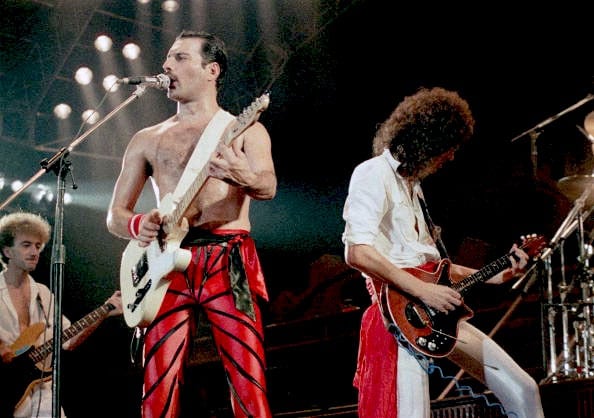
Queen, the legendary British rock band formed in 1970, stands as a colossus in the history of music. With Freddie Mercury’s soaring vocals, Brian May’s virtuoso guitar work, Roger Taylor’s dynamic drumming, and John Deacon’s solid bass lines, Queen’s distinctive sound blended rock, pop, opera, and progressive elements. Their musical alchemy resulted in anthems that have left an indelible mark on popular culture.
The band’s breakthrough came with the operatic masterpiece “Bohemian Rhapsody” from the landmark album “A Night at the Opera” (1975). Queen’s eclectic discography includes hits like “We Will Rock You,” “Somebody to Love,” and “Another One Bites the Dust.” Renowned for their electrifying live performances, Queen’s 1985 Live Aid set is hailed as one of the greatest in rock history.
Freddie Mercury, with his flamboyant stage persona, became one of rock’s most iconic frontmen. His tragic death in 1991 marked the end of an era, but Queen’s legacy endured. The surviving members collaborated with other artists, and Queen experienced a resurgence with the biopic “Bohemian Rhapsody.”
Queen’s timeless music continues to captivate audiences, showcasing their innovation, versatility, and ability to craft anthems that transcend generations. Their impact on the global music landscape remains immeasurable, making Queen an eternal force in rock history.
1. Bohemian Rhapsody
“Bohemian Rhapsody” is a groundbreaking and iconic song by the British rock band Queen. Written by the band’s lead vocalist and pianist Freddie Mercury, the song was released on Queen’s 1975 album “A Night at the Opera.” It is widely regarded as one of the greatest and most innovative rock songs of all time.
“Bohemian Rhapsody” is known for its intricate structure, blending various musical genres, including rock, opera, ballad, and hard rock. The song is divided into distinct sections, including a piano ballad, an operatic segment, and a hard rock finale. The lyrics are surreal and open to interpretation, contributing to the song’s enigmatic charm.
The recording process for “Bohemian Rhapsody” was elaborate and ambitious, featuring multiple overdubs and complex vocal arrangements. The song’s groundbreaking music video, created for the promotional purposes of the single, also played a significant role in popularizing the track.
Upon its release, “Bohemian Rhapsody” became an instant success, reaching the top of the charts in multiple countries. It went on to become one of Queen’s signature songs and has maintained its popularity over the decades. The song gained renewed attention with the success of the biographical film “Bohemian Rhapsody” in 2018, which chronicled the life of Freddie Mercury and the rise of Queen. “Bohemian Rhapsody” remains a timeless masterpiece, celebrated for its innovation, musical complexity, and lasting impact on the rock genre.
2. Another One Bites the Dust
“Another One Bites the Dust” is a song by the British rock band Queen. It was written by the band’s bass guitarist, John Deacon, and was released on their eighth studio album, “The Game,” in 1980. The song became one of Queen’s most successful and recognizable tracks.
“Another One Bites the Dust” features a distinctive and catchy bassline played by John Deacon. The song has a funk and disco-influenced sound, marking a departure from Queen’s earlier progressive rock style. The combination of the infectious bassline, Freddie Mercury’s vocals, and the overall rhythmic groove contributed to the song’s popularity.
The lyrics of the song are open to interpretation but have often been associated with themes of violence and mortality. The phrase “Another one bites the dust” suggests the idea of someone falling or succumbing to a negative outcome, and the lyrics may be seen as portraying a narrative of defiance or resilience.
Upon its release, “Another One Bites the Dust” became a massive hit, reaching number one on the Billboard Hot 100 chart in the United States. It also topped charts in various countries around the world. The song’s success helped solidify Queen’s versatility as a band capable of exploring different musical genres. Over the years, it has remained a staple in popular culture and is frequently used in various forms of media.
3. Don’t Stop Me Now
“Don’t Stop Me Now” is a song by the British rock band Queen, written by the band’s lead vocalist and pianist, Freddie Mercury. The song was included on Queen’s seventh studio album, “Jazz,” released in 1978. “Don’t Stop Me Now” is often regarded as one of Queen’s most energetic and uplifting tracks.
The song features a fast-paced and dynamic piano riff played by Mercury, along with lively guitar work and a driving rhythm section. The lyrics of “Don’t Stop Me Now” convey a sense of exuberance, with Mercury singing about the joy of living life to the fullest and the thrill of being in the moment.
“Don’t Stop Me Now” has become a classic and is celebrated for its infectious energy and anthemic quality. It showcases Freddie Mercury’s exceptional vocal range and the band’s ability to create a song that resonates with a sense of optimism and euphoria.
While the song wasn’t an immediate commercial success upon its release, “Don’t Stop Me Now” has since gained popularity and is now considered one of Queen’s signature songs. Its enduring appeal has been further solidified by its inclusion in various films, television shows, and commercials. The track is often featured in retrospectives of Queen’s greatest hits and continues to be a favorite among fans of the band.
4. We Will Rock You
“We Will Rock You” is one of Queen’s most anthemic and globally recognized songs. Written by Brian May, the lead guitarist of Queen, the track was released on the 1977 album “News of the World.” It is often paired with another Queen hit, “We Are the Champions,” and the two songs are frequently played consecutively.
“We Will Rock You” is notable for its stomping, rhythmic beat and simple yet powerful lyrics. The song opens with a distinctive percussive pattern created by foot stomps and hand claps, creating a powerful and instantly recognizable rhythm. The lyrics encourage audience participation with the iconic refrain:
“We will, we will rock you
Singin’ we will, we will rock you”
The simplicity and infectious energy of the song made it a stadium and arena anthem, often chanted by audiences during sporting events and concerts. Brian May’s guitar solo in the track further contributes to its rock anthem status.
“We Will Rock You” has become a timeless classic and a staple in popular culture. Its enduring popularity is a testament to the universal appeal of Queen’s music and the band’s ability to create anthems that resonate across generations.
5. We Are the Champions
“We Are the Champions” is one of Queen’s most triumphant and enduring anthems. Written by the band’s lead vocalist Freddie Mercury, the song was released as a single in 1977 and is part of the album “News of the World.” It is often paired with another Queen classic, “We Will Rock You.”
The song’s powerful and uplifting lyrics convey a message of resilience and victory. The chorus, with the iconic lines “We are the champions, my friends, and we’ll keep on fighting ’til the end,” became synonymous with celebratory moments and achievements.
Musically, “We Are the Champions” features Freddie Mercury’s emotive vocals, Brian May’s guitar work, and the band’s signature harmonies. The song’s arrangement builds dynamically, culminating in a grand and anthemic conclusion.
“We Are the Champions” became a global anthem, celebrated for its universal themes and emotional resonance. It has been used in various contexts, from sports events to graduation ceremonies, and its enduring popularity is a testament to its timeless appeal.
The song received additional attention in 2018 with the success of the biographical film “Bohemian Rhapsody,” which brought Queen’s music to a new generation of fans. “We Are the Champions” remains a symbol of triumph and perseverance, showcasing Queen’s ability to create music that transcends genres and generations.
6. Killer Queen
“Killer Queen” is a song by the British rock band Queen, written by the band’s lead vocalist and pianist, Freddie Mercury. It was released as a single and also appeared on their third studio album, “Sheer Heart Attack,” in 1974. “Killer Queen” is renowned for its intricate musical composition, clever lyrics, and eclectic style.
The song blends various genres, including rock, pop, and glam rock. Freddie Mercury’s vocal performance is distinctive, and the track features Brian May’s intricate guitar work, Roger Taylor’s drumming, and John Deacon’s bass lines. The lyrics tell the story of a sophisticated and alluring woman, the “Killer Queen,” and her captivating, yet dangerous, nature.
“Killer Queen” became a commercial success for Queen, reaching No. 2 on the UK Singles Chart and earning them their first significant hit in the United States, peaking at No. 12 on the Billboard Hot 100. The song’s popularity was boosted by its unique sound, Mercury’s charismatic performance, and the band’s creative and experimental approach.
The impact of “Killer Queen” has endured over the years, and it is often considered one of Queen’s classic and defining songs. It showcases the band’s ability to blend different musical elements and create a memorable and iconic piece of rock music.
7. Somebody to Love
“Somebody to Love” is a song by the British rock band Queen, written by the band’s lead vocalist and pianist, Freddie Mercury. It was released on the album “A Day at the Races” in 1976 and later as a single.
The song is notable for its gospel-influenced arrangement, featuring elaborate vocal harmonies and a powerful lead vocal performance by Freddie Mercury. The lyrics express feelings of loneliness and the search for love and companionship. The notable refrain “Can anybody find me somebody to love?” became a signature element of the song.
Freddie Mercury, Roger Taylor, and Brian May provided the intricate vocal harmonies, creating a rich and layered sound. The song showcases the band’s musical versatility and Freddie Mercury’s vocal range and emotive delivery.
“Somebody to Love” became one of Queen’s most beloved and enduring songs. It achieved commercial success, reaching the top of the charts in the United Kingdom. The song’s popularity has endured over the years, and it remains a classic in the Queen discography. The band frequently performed it live, and it continues to be celebrated for its emotional resonance and vocal brilliance.
8. Crazy Little Thing Called Love
“Crazy Little Thing Called Love” is a song by the British rock band Queen, written by the band’s lead vocalist and guitarist, Freddie Mercury. It was released as a single in 1979 and later appeared on their eighth studio album, “The Game.”
The song is notable for its rockabilly and rock ‘n’ roll influences, a departure from Queen’s usual sound. Freddie Mercury composed “Crazy Little Thing Called Love” while taking a bath, and the result is a lively, upbeat track with a catchy melody. Mercury played the rhythm guitar on the recording, and the song also features Brian May’s distinctive guitar solo.
“Crazy Little Thing Called Love” became one of Queen’s biggest hits. It reached No. 1 on the Billboard Hot 100 in the United States, making it their first chart-topping single in that country. The song was also successful internationally, reaching the top of the charts in several other countries.
The music video for the song features a retro aesthetic, complementing the rock ‘n’ roll vibe of the track. “Crazy Little Thing Called Love” is often celebrated for its simplicity, infectious energy, and the showcase of Freddie Mercury’s versatile songwriting and performing abilities. It remains a popular and enduring song in Queen’s discography.
9. Under Pressure (with David Bowie)
“Under Pressure” is a collaborative song by Queen and David Bowie, released as a single in 1981. The track originated from an impromptu jam session between Queen and David Bowie at Queen’s studio in Switzerland. The collaboration resulted in a powerful and iconic song that addresses themes of pressure, love, and societal issues.
The song features memorable vocal performances by Freddie Mercury and David Bowie, with both artists sharing lead vocals and contributing to the harmonies. The distinctive bassline, played by Queen’s John Deacon, is a key element of the song’s sound. The vocal interplay between Mercury and Bowie during the “Pressure pushing down on me” section is particularly noteworthy.
“Under Pressure” was a commercial success, reaching the top of the charts in the United Kingdom. It became one of Queen’s and David Bowie’s signature songs. The track’s enduring popularity has been further solidified by its inclusion in numerous films, television shows, and commercials over the years.
The collaboration between Queen and David Bowie brought together two musical giants and resulted in a song that remains celebrated for its emotional depth and musical brilliance. “Under Pressure” is often considered a classic in the rock genre and a testament to the power of collaboration between talented artists.
10. Radio Ga Ga
“Radio Ga Ga” is a song by Queen, released in 1984 on their album “The Works.” The song was written by the band’s drummer, Roger Taylor, and it became one of Queen’s notable hits, both for its catchy melody and its message about the impact of television on radio.
The title “Radio Ga Ga” is a play on words, with “Ga Ga” representing the sound of a baby and the repetitive nature of pop music. The song’s lyrics lament the decline of radio in the face of the rising popularity of television. It expresses a nostalgic longing for the days when radio was the primary source of music and entertainment.
The chorus features the iconic repetition of the phrase “Radio Ga Ga,” which became a memorable and catchy hook. The song also includes a distinctive synthesizer riff, contributing to its ’80s pop sound.
“Radio Ga Ga” was accompanied by a visually striking music video that featured scenes from the classic silent film “Metropolis.” The video highlighted the contrast between the conformity of a dystopian future and the expressive freedom of music.
Despite initial concerns about the song’s commercial success due to its critical commentary on the state of the music industry, “Radio Ga Ga” became a chart-topping hit in multiple countries. It remains a notable part of Queen’s discography, showcasing the band’s ability to evolve their sound and address contemporary issues in their music.

Edward Tomlin is a frequent contributor to Singers Room. Since 2005, Singersroom has been the voice of R&B around the world. Connect with us via social media below.









