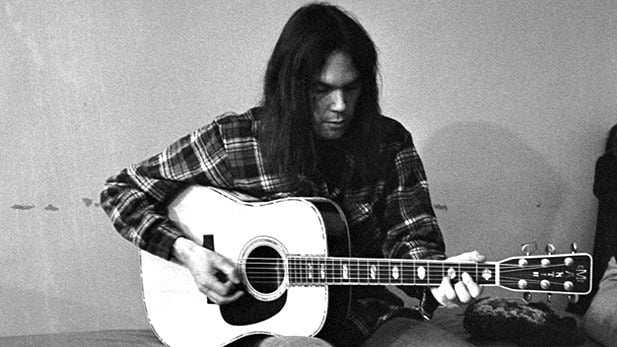
Neil Young, the iconic Canadian singer-songwriter, epitomizes the soul of rock ‘n’ roll with his raw, emotive voice and profound lyricism. Born on November 12, 1945, in Toronto, Young emerged as a prominent figure in the folk and rock music scenes of the 1960s and 1970s. His musical journey spans various genres, from folk to country, grunge to blues, showcasing his versatility and innovative spirit.
Young’s career skyrocketed with his involvement in Buffalo Springfield and Crosby, Stills, Nash & Young, but it was his solo work that truly solidified his status as a musical legend. His distinctive guitar style, often characterized by unpredictable shifts between gentle melodies and ferocious distortion, adds a layer of unpredictability to his music.
Beyond his musical prowess, Young’s socially conscious lyrics have made him a voice for activism. Songs like “Ohio” and “Rockin’ in the Free World” reflect his commitment to addressing societal issues. Unapologetically authentic, Neil Young remains an enigmatic force in the music industry, defying conventions and challenging the status quo. His enduring impact on generations of music lovers is a testament to the timeless relevance of his artistry.
1. Like a Hurricane
“Like a Hurricane” stands as one of Neil Young’s most enduring and evocative compositions, a sonic masterpiece that captures the essence of his musical prowess. Released in 1977 as part of the album “American Stars ‘n Bars,” the song showcases Young’s ability to blend rock, folk, and raw emotion into a captivating sonic tapestry.
The haunting melody, driven by Young’s signature guitar work, weaves a sense of melancholy and longing throughout the song. The lyrics, characterized by poetic ambiguity, invite listeners to interpret the narrative through their own emotional lens. The central metaphor of the hurricane serves as a powerful symbol of turmoil and passion, perfectly reflected in the song’s dynamic shifts between gentle acoustic passages and electrifying, distorted crescendos.
“Like a Hurricane” not only highlights Young’s musical innovation but also his capacity to convey profound emotions. The song has become a touchstone for fans, appreciated for its timelessness and the enduring impact of its sonic intensity. As one of Neil Young’s most celebrated compositions, “Like a Hurricane” continues to resonate with audiences, inviting them into a musical journey that transcends the boundaries of time and genre.
2. Cortez the Killer
“Cortez the Killer” is a magnum opus in Neil Young’s extensive catalog, a sprawling and emotive epic that showcases his prowess as a songwriter and guitarist. Released on the 1975 album “Zuma,” the song delves into historical themes, weaving a narrative around the Spanish conquistador Hernán Cortés and his encounters with the Aztec civilization.
Clocking in at over seven minutes, the song is characterized by its dreamlike, atmospheric guitar solos that mirror the vastness of the historical landscape it explores. Young’s distinctive, plaintive vocals lend an emotional depth to the lyrics, creating a poignant reflection on the consequences of conquest and the clash of civilizations.
The narrative unfolds with a mix of vivid imagery and abstract musings, allowing listeners to interpret the song in various ways. The haunting refrain, “Cortez, Cortez, what a killer,” lingers, capturing the complex emotions tied to historical conflict and the weight of human actions.
“Cortez the Killer” has become a fan favorite, celebrated for its musical intricacy and thematic depth. Its timeless quality has ensured its place as a classic in Neil Young’s body of work, demonstrating his ability to craft profound, immersive musical experiences that transcend the boundaries of time and genre.
3. Song X
“Song X” is not a Neil Young song but rather a collaborative album released in 1986 featuring Young and jazz guitarist Pat Metheny. The album is a unique fusion of rock and jazz, bringing together the distinct styles of the two accomplished musicians.
Recorded in a two-day session, “Song X” explores experimental and improvisational elements, creating an avant-garde sonic landscape. Both Young and Metheny contributed compositions, with the album showcasing their collaborative and spontaneous approach to music-making.
The title track, “Song X,” is a standout piece on the album, featuring intricate guitar work from both artists. The music is dynamic and unpredictable, shifting between atmospheric and intense moments. The album as a whole reflects a departure from the traditional styles associated with both musicians, offering a glimpse into their creative exploration.
“Song X” has been praised for its innovation and boundary-breaking approach, earning recognition as a unique intersection of rock and jazz genres. The collaboration between Neil Young and Pat Metheny resulted in an adventurous and experimental project that stands out in both artists’ extensive discographies.
4. Rockin’ in the Free World
“Rockin’ in the Free World” is one of Neil Young’s most politically charged and socially relevant songs. Released in 1989 on the album “Freedom,” the song became an anthem that resonated globally, reflecting on the state of the world during a period of political and social change.
The track is characterized by its energetic, rock-driven sound, featuring Young’s distinctive guitar work and raw vocals. Lyrically, “Rockin’ in the Free World” critiques various societal issues, including homelessness, environmental degradation, and political disillusionment. The chorus, with its memorable refrain “Keep on rockin’ in the free world,” serves as both a rallying cry and a questioning statement about the ideals of freedom.
The song gained further prominence as a symbol of resilience and protest during the fall of the Berlin Wall and the subsequent dissolution of the Soviet Union. It has since been embraced as an anthem for social and political movements advocating for change and freedom.
“Rockin’ in the Free World” remains a powerful testament to Neil Young’s ability to channel his social and political concerns into impactful music. Its enduring relevance has solidified its place in the pantheon of protest songs and showcases the timeless nature of Young’s musical and lyrical contributions.
5. Down by the River
“Down by the River” is a classic Neil Young song that first appeared on his 1969 album with Crazy Horse, titled “Everybody Knows This Is Nowhere.” The song is a powerful and haunting exploration of love, betrayal, and consequences, showcasing Young’s distinctive songwriting and guitar style.
Clocking in at over nine minutes, “Down by the River” is known for its extended guitar solos and repetitive chord progressions, creating a hypnotic and immersive musical experience. The lyrics tell the story of a man who, in a fit of jealousy, shoots and kills his lover down by the river. The narrative is both mysterious and evocative, leaving room for interpretation and reflection.
The song features Young’s emotive vocals, accompanied by the raw and electrifying sound of Crazy Horse. The extended instrumental breaks, particularly the guitar solos, contribute to the overall intensity and emotional depth of the piece. The repetitive nature of the music adds to the sense of brooding and contemplation.
“Down by the River” is often celebrated for its musical craftsmanship and the emotional weight it carries. It remains a standout track in Neil Young’s extensive discography, reflecting his ability to infuse storytelling with powerful, visceral musical expression.
6. Cowgirl in the Sand
“Cowgirl in the Sand” is another iconic Neil Young track from his 1969 album “Everybody Knows This Is Nowhere,” where he collaborated with the band Crazy Horse. The song is a sprawling, guitar-driven epic that showcases Young’s ability to create emotive, extended compositions.
Clocking in at nearly ten minutes, “Cowgirl in the Sand” is renowned for its hypnotic guitar riffs and the raw intensity of its performance. The song’s lyrics are poetic and open to interpretation, revolving around themes of love, loss, and existential pondering. The repeated refrain “Hello cowgirl in the sand, is this place at your command?” adds a dreamlike quality to the narrative.
The guitar work in “Cowgirl in the Sand” is a standout feature, with Young delivering extended solos that are both intricate and emotionally charged. The interplay between Young’s vocals and the dynamic instrumentation of Crazy Horse contributes to the song’s immersive and atmospheric quality.
The track has become a fan favorite and is often cited as one of Neil Young’s masterpieces. Its enduring popularity underscores the impact of Young’s work with Crazy Horse during this period and his ability to craft expansive, emotionally resonant songs that have stood the test of time.
7. Cinnamon Girl
“Cinnamon Girl” is a classic Neil Young song from his 1969 album “Everybody Knows This Is Nowhere,” which marked the beginning of his collaboration with the band Crazy Horse. The song is recognized for its straightforward rock sound, catchy guitar riffs, and Young’s distinct vocals.
The lyrics of “Cinnamon Girl” are often open to interpretation, with themes of love and yearning prevalent throughout. The song’s protagonist expresses a desire for a “cinnamon girl” and contemplates the challenges of being apart from her. The term “cinnamon girl” has been interpreted in various ways, and its meaning remains somewhat enigmatic.
The track is notable for its memorable guitar riff, played by Young, which has become iconic in the realm of classic rock. The straightforward, driving rhythm of the song reflects the rock aesthetic of the late 1960s, and the collaboration with Crazy Horse adds a raw and energetic quality to the overall sound.
“Cinnamon Girl” has endured as one of Neil Young’s most beloved songs, celebrated for its catchy melody, distinctive guitar work, and the enduring appeal of its classic rock sound. It remains a staple in Young’s live performances and is frequently cited as a highlight of his early solo career.
8. Ohio
“Ohio” is a powerful and politically charged song by Neil Young, released in 1970. The song was written in response to the tragic events that unfolded at Kent State University on May 4, 1970, where four students were killed by National Guardsmen during a protest against the Vietnam War.
The lyrics of “Ohio” express Young’s immediate and visceral reaction to the Kent State shootings. The chorus of the song features the poignant and unforgettable lines, “Four dead in Ohio,” directly referencing the tragic incident. The verses capture the shock, anger, and sorrow felt by Young and many others in the aftermath of the violence.
Musically, “Ohio” is characterized by its raw and urgent sound, featuring Young’s distinct guitar work. He recorded the song quickly, and it was released just weeks after the Kent State incident, reflecting the urgency and emotional intensity of the moment.
The song became an anthem for the anti-Vietnam War movement, resonating with a generation that was questioning authority and seeking change. “Ohio” stands as a testament to Neil Young’s ability to use music as a powerful means of social and political commentary, capturing a specific moment in history while also transcending it to become a timeless protest song.
9. Mr. Soul
“Mr. Soul” is a classic Neil Young song that was first released as part of Buffalo Springfield’s second album, “Buffalo Springfield Again,” in 1967. Neil Young was a prominent member of the folk-rock band Buffalo Springfield, and “Mr. Soul” is often regarded as one of his defining contributions to the group.
The song is characterized by its distinctive guitar riff and Young’s introspective lyrics. In “Mr. Soul,” Young reflects on his newfound fame and the challenges of being in the spotlight. The lyrics convey a sense of introspection, questioning one’s identity and grappling with the expectations that come with celebrity.
The guitar work in “Mr. Soul” is notable for its energetic and melodic qualities, showcasing Young’s innovative approach to the instrument. The song also features a bridge with distorted guitar feedback, adding a touch of psychedelia that was characteristic of the late 1960s rock scene.
“Mr. Soul” has endured as a classic within Neil Young’s extensive catalog, and it remains a fan favorite. The song’s introspective themes and musical craftsmanship exemplify Young’s ability to blend folk, rock, and introspective lyricism, setting the stage for his prolific solo career that would follow.
10. Southern Man
“Southern Man” is a poignant and socially conscious song by Neil Young, featured on his 1970 album “After the Gold Rush.” The song addresses the racial tensions and historical injustices in the American South, particularly critiquing the treatment of African Americans and the legacy of slavery.
In “Southern Man,” Young delivers powerful and evocative lyrics that challenge the South’s social and racial norms. The chorus includes the refrain “Southern man better keep your head, don’t forget what your good book said,” suggesting a moral reckoning for those perpetuating inequality and injustice.
Musically, the song is characterized by Young’s signature acoustic guitar work and emotionally charged vocals. The haunting melody adds depth to the weighty subject matter, creating a somber yet compelling atmosphere.
“Southern Man” stirred controversy upon its release due to its direct and unapologetic criticism of the South. Lynyrd Skynyrd responded with their own song, “Sweet Home Alabama,” which included references to Young and defended the South. This exchange added a layer of cultural significance to both songs.
“Southern Man” remains a significant piece in Neil Young’s body of work, highlighting his role as a socially conscious songwriter willing to confront difficult issues through his music. The song’s themes of social justice and moral responsibility continue to resonate, making it a timeless and influential piece in the history of rock music.

Edward Tomlin is a frequent contributor to Singers Room. Since 2005, Singersroom has been the voice of R&B around the world. Connect with us via social media below.









