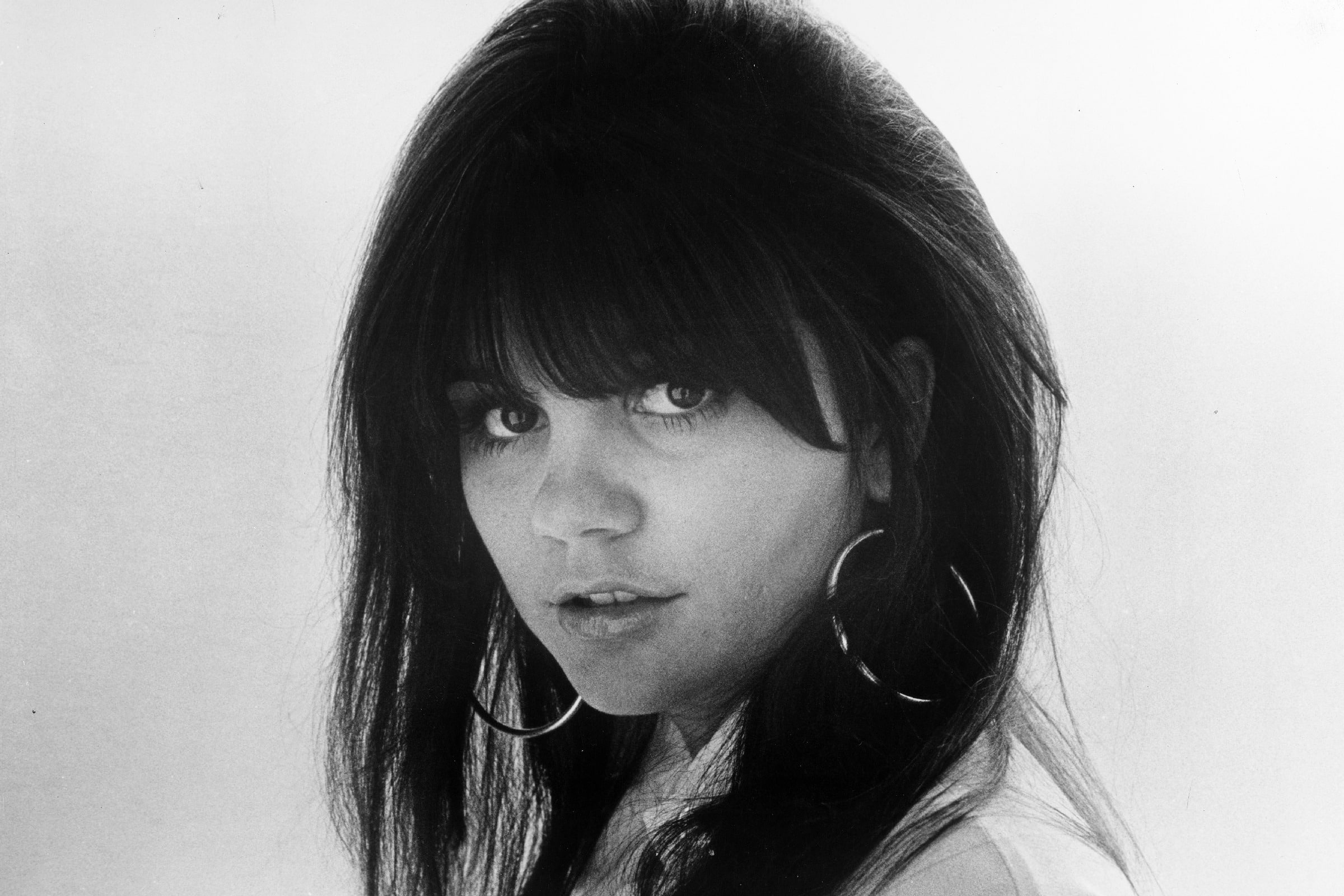
Linda Ronstadt is an American singer, songwriter, and producer who rose to prominence in the 1960s and became one of the most successful and versatile female artists in the history of popular music. Born on July 15, 1946, in Tucson, Arizona, Ronstadt has achieved critical acclaim and commercial success across various genres, including rock, pop, country, and Latin music.
In the late 1960s and early 1970s, Ronstadt gained recognition as the lead vocalist of the Stone Poneys, and she soon embarked on a successful solo career. Known for her powerful and versatile voice, Ronstadt delivered chart-topping hits across multiple genres. Some of her most popular songs include “You’re No Good,” “Blue Bayou,” “When Will I Be Loved,” and “Heat Wave.”
Linda Ronstadt’s influence extends beyond her solo career. She collaborated with other prominent musicians and artists, such as the Eagles, Dolly Parton, and Emmylou Harris. The trio, known as Trio, released two albums that showcased their harmonious blend of voices.
In addition to her success in the English-speaking music world, Ronstadt also explored her Mexican heritage and recorded several albums of traditional Mexican music, earning her acclaim in the Latin music genre.
Ronstadt’s achievements include numerous Grammy Awards, induction into the Rock and Roll Hall of Fame, and recognition for her impact on music and culture. Unfortunately, in recent years, she has faced health challenges, including Parkinson’s disease, which has limited her ability to perform. Nevertheless, Linda Ronstadt’s legacy endures as one of the most accomplished and influential voices in the history of popular music.
1. You’re No Good
“You’re No Good” is a classic song that gained widespread popularity through Linda Ronstadt’s dynamic rendition. Originally written by Clint Ballard Jr., the song was first recorded by Dee Dee Warwick in 1963. However, it was Ronstadt’s powerful interpretation that propelled it to greater heights.
Released in 1974 as part of her album “Heart Like a Wheel,” Ronstadt’s version of “You’re No Good” became a massive hit. The song’s raw energy, coupled with Ronstadt’s soulful and emotive vocals, transformed it into a memorable anthem of heartbreak and empowerment.
The lyrics convey a sense of betrayal and disappointment in a failed relationship, with the refrain emphatically declaring, “You’re no good, you’re no good, you’re no good, baby, you’re no good.” Ronstadt’s vocal delivery adds a layer of emotional intensity to the song, making it a standout in her extensive catalog.
“You’re No Good” not only became one of Linda Ronstadt’s signature songs but also reached the top of the charts, solidifying her status as a powerhouse in the music industry. The success of the song showcased Ronstadt’s ability to interpret diverse musical styles, setting the stage for her multifaceted career that spanned rock, pop, country, and more.
2. Blue Bayou
“Blue Bayou” is a classic song performed by Linda Ronstadt, released in 1977 as part of her album “Simple Dreams.” The song was written by Roy Orbison and Joe Melson and originally recorded by Orbison in 1963. However, Ronstadt’s version is widely acclaimed and considered one of her signature performances.
“Blue Bayou” is a poignant ballad that captures the longing and nostalgia of being far away from a place that feels like home. The lyrics express the singer’s yearning to return to the “blue bayou” and the sense of comfort and belonging associated with it. Ronstadt’s emotive and soulful delivery adds a layer of depth to the song, making it a heartfelt and memorable rendition.
The arrangement of “Blue Bayou” combines elements of country, rock, and pop, showcasing Ronstadt’s ability to effortlessly traverse musical genres. The song features lush orchestration, with prominent use of strings, creating a cinematic and atmospheric quality.
Linda Ronstadt’s cover of “Blue Bayou” became a commercial success, reaching the top of the charts and earning her critical acclaim. Her interpretation of the song is often praised for its emotional resonance and Ronstadt’s powerful vocal performance, solidifying her reputation as one of the most versatile and skilled vocalists in the music industry. The timeless appeal of “Blue Bayou” continues to captivate audiences, and it remains a standout in Linda Ronstadt’s impressive discography.
3. When Will I Be Loved
“When Will I Be Loved” is a classic song recorded by Linda Ronstadt. Released in 1975, the song became one of Ronstadt’s most successful hits. Written by Phil Everly of the Everly Brothers, the song reflects the theme of heartbreak and unrequited love.
The lyrics of “When Will I Be Loved” express the pain of a person who feels unloved and betrayed in a relationship. The narrator longs for reciprocated love and questions when they will finally find someone who truly cares for them. The poignant lyrics are complemented by Ronstadt’s emotive and soulful delivery, adding a layer of authenticity to the song.
Ronstadt’s version of “When Will I Be Loved” is notable for its energetic and rock-infused arrangement. Her powerful vocals, combined with the lively musical accompaniment, give the song a timeless quality that resonated with audiences during the 1970s and continues to do so today.
The song’s success contributed to Linda Ronstadt’s reputation as one of the leading female artists of her time. “When Will I Be Loved” remains a memorable and enduring piece in her extensive discography, showcasing both her interpretative skill and the universal appeal of well-crafted songs about matters of the heart.
4. It’s So Easy
“It’s So Easy” is another classic song associated with Linda Ronstadt, showcasing her versatility as an artist. Originally written by Buddy Holly and Norman Petty, the song was released by Buddy Holly in 1958. However, it was Linda Ronstadt’s rock-infused cover that brought a fresh and dynamic energy to the track.
In 1977, Ronstadt released her version of “It’s So Easy” as part of her album “Simple Dreams.” Her rendition featured a vibrant and infectious rock sound, with Ronstadt’s powerful vocals giving the song a new life. The arrangement included a driving beat and a lively guitar riff, capturing the spirit of the original while infusing it with Ronstadt’s own style.
The lyrics of “It’s So Easy” convey a carefree attitude toward love and relationships. Ronstadt’s delivery adds a sense of confidence and playfulness to the song, making it a perfect fit for her rock-oriented phase during the late ’70s.
Linda Ronstadt’s cover of “It’s So Easy” not only became a hit on the charts but also contributed to the success of her “Simple Dreams” album, which became one of the best-selling albums of her career. The song remains a beloved part of her repertoire, showcasing her ability to interpret and breathe new life into classic tunes across different genres.
5. Hurt So Bad
“Hurt So Bad” is a classic pop ballad that Linda Ronstadt covered with notable success. Originally written by Teddy Randazzo, Bobby Weinstein, and Bobby Hart, the song was first recorded by Little Anthony and the Imperials in 1964. However, it was Linda Ronstadt’s rendition that brought the song to a new audience.
In 1980, Ronstadt included “Hurt So Bad” on her album “Mad Love.” Her version featured a contemporary rock sound that was characteristic of her musical explorations during that period. The arrangement, coupled with Ronstadt’s emotive vocals, added a fresh perspective to the song.
The lyrics of “Hurt So Bad” convey the pain and heartache of unrequited love. Ronstadt’s delivery brings out the emotional depth of the lyrics, making it a powerful and soulful interpretation of the original composition.
Linda Ronstadt’s cover of “Hurt So Bad” was well-received, and the song became a notable hit for her. Her ability to infuse her own style into various genres, from rock to pop and beyond, contributed to her enduring popularity as a versatile and influential artist. “Hurt So Bad” remains a standout track in Ronstadt’s extensive discography, showcasing her talent for interpreting and revitalizing classic songs.
6. Heat Wave
“Heat Wave” is a classic song that has been recorded by various artists, but one of the most notable versions is by Martha and the Vandellas. Released in 1963, the song became a significant hit and is considered one of the signature tunes of the Motown era.
Written by the songwriting team of Holland-Dozier-Holland, “Heat Wave” captures the energy and excitement of a hot summer. The lyrics describe the intense romantic feelings that can be ignited during a heat wave, creating a sense of passion and urgency. The upbeat and infectious melody, combined with Martha Reeves’ dynamic vocals and the Vandellas’ harmonies, contributed to the song’s success.
“Heat Wave” reached the top of the Billboard R&B singles chart and became a crossover hit on the pop charts. Martha and the Vandellas’ lively performance of the song, along with its catchy hooks, solidified its status as a classic of the Motown sound.
Over the years, “Heat Wave” has been covered by various artists, showcasing its enduring appeal. The song’s legacy is a testament to the influence of Motown on the landscape of popular music, and it remains a favorite among fans of the 1960s soul and R&B era.
7. That’ll Be the Day
“That’ll Be the Day” is a classic rock and roll song that became a breakthrough hit for Buddy Holly and the Crickets. Written by Buddy Holly, Jerry Allison, and Norman Petty, the song was released in 1957 and quickly became one of Holly’s signature tracks.
The lyrics of “That’ll Be the Day” were inspired by a phrase that John Wayne’s character frequently used in the movie “The Searchers.” The song reflects a sense of defiance and confidence, with the protagonist dismissing someone’s promises with the phrase “that’ll be the day.”
Buddy Holly’s energetic and distinctive vocal style, combined with the catchy guitar riff, contributed to the song’s success. It reached the top of the charts in the United States, marking a significant moment in the early days of rock and roll.
The enduring popularity of “That’ll Be the Day” is evident in its influence on subsequent generations of musicians. The song has been covered by various artists over the years, cementing its status as a rock and roll classic. It also served as the title inspiration for the biographical film about Buddy Holly’s life, released in 1973.
The song’s impact on the rock and roll genre and Buddy Holly’s legacy endures, making “That’ll Be the Day” a timeless piece of music history.
8. Don’t Know Much
“Don’t Know Much” is a classic love ballad that gained popularity in the late 1980s. The song is a duet performed by Linda Ronstadt and Aaron Neville. Released in 1989, it became a major hit and earned a Grammy Award for Best Pop Performance by a Duo or Group with Vocal in 1990.
Written by Barry Mann, Cynthia Weil, and Tom Snow, “Don’t Know Much” is characterized by its soulful and romantic lyrics. The song explores the uncertainties and vulnerabilities that come with love, expressing a desire to overcome life’s challenges with the support of a loved one. Linda Ronstadt and Aaron Neville’s voices blend seamlessly, creating a harmonious and emotionally resonant duet.
The arrangement of “Don’t Know Much” features a combination of pop and R&B elements, with a soft and melodic instrumentation that complements the tender lyrics. The song’s success not only lies in the vocal chemistry between Ronstadt and Neville but also in the timeless quality of the composition.
“Don’t Know Much” remains a beloved classic, often associated with romantic themes and memorable vocal performances. The song’s popularity has endured, making it a staple on playlists celebrating the best of love ballads from the late 20th century.
9. Tracks of My Tears
“Tracks of My Tears” is a classic soul song written by Smokey Robinson, Pete Moore, and Marv Tarplin. The song was first recorded by The Miracles in 1965 and later became a signature hit for Smokey Robinson & The Miracles. It is widely regarded as one of the greatest soul songs ever recorded.
The lyrics of “Tracks of My Tears” convey a poignant message about hiding emotional pain behind a façade of smiles. The protagonist pretends to be happy in public but is heartbroken on the inside. The metaphor of tears as tracks left behind by a broken heart adds depth to the song’s emotional impact.
Smokey Robinson’s smooth and soulful vocals, coupled with The Miracles’ impeccable harmonies, contributed to the song’s timeless appeal. The musical arrangement, featuring a distinctive opening guitar riff by Marv Tarplin, further solidified the track as a soul classic.
Over the years, “Tracks of My Tears” has been covered by numerous artists from various genres, attesting to its enduring influence. Notable renditions include those by Linda Ronstadt and Johnny Rivers. The song’s emotional resonance and musical brilliance continue to captivate audiences, making it a staple in the soul and Motown repertoire.
10. Ooh Baby Baby
“Ooh Baby Baby” is a classic soul ballad that was originally recorded by The Miracles, featuring Smokey Robinson, in 1965. The song was written by Robinson and fellow Miracle Pete Moore. It has since become one of the most enduring and beloved tracks in the Motown catalog.
The lyrics of “Ooh Baby Baby” express the pain and regret of a person who has let down their partner in a relationship. The emotive lyrics convey a sense of heartbreak and self-blame. The repeated refrain of “Ooh baby baby” adds a soulful and melodic touch to the song.
Smokey Robinson’s vocal delivery in “Ooh Baby Baby” is characterized by his trademark falsetto and emotional depth. The Miracles’ harmonies and the smooth orchestration contribute to the timeless appeal of the song.
Over the years, “Ooh Baby Baby” has been covered by various artists, testifying to its enduring popularity and influence. Artists from different genres have paid homage to this soul classic, cementing its status as a standard in the world of music. The song’s emotional resonance and musical artistry continue to captivate audiences, making it a cherished piece of Motown history.

Edward Tomlin is a frequent contributor to Singers Room. Since 2005, Singersroom has been the voice of R&B around the world. Connect with us via social media below.









