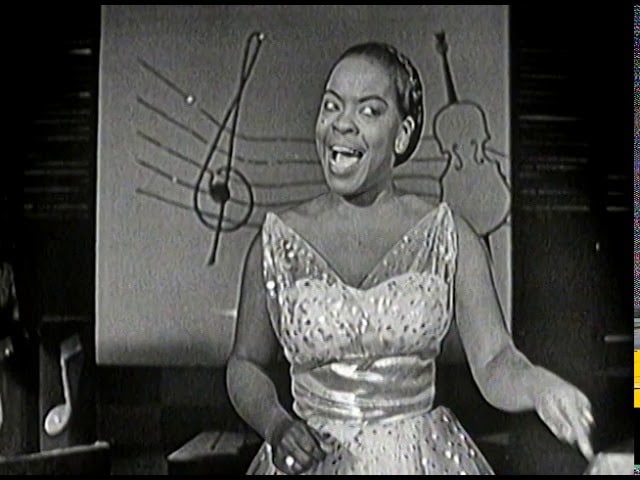
LaVern Baker, born Delores LaVern Baker on November 11, 1929, was an American rhythm and blues singer and songwriter. She had a significant influence on the early development of rock and roll and was known for her powerful and versatile vocal style.
Baker began her singing career in the 1950s, and her breakthrough came with the release of “Tweedle Dee” in 1955. The song became a major hit and established Baker as a prominent figure in the R&B music scene. Over the years, she recorded a series of successful singles, including “Jim Dandy,” “I Cried a Tear,” and “See See Rider.”
LaVern Baker’s music often blended R&B, rock and roll, and gospel influences, contributing to her widespread appeal. She was known for her dynamic stage presence and expressive delivery. Her energetic and soulful performances left a lasting impact on the evolving landscape of popular music.
Baker’s career spanned several decades, and she continued to perform and record music until her passing on March 10, 1997. LaVern Baker is remembered as a trailblazing artist whose contributions to R&B and rock and roll helped shape the musical landscape of the 1950s and beyond.
1. Tweedlee Dee
“Tweedlee Dee” is a classic R&B song that was popularized by LaVern Baker. Written by Winfield Scott, the song was first recorded by Baker in 1954 and released the following year. “Tweedlee Dee” became one of Baker’s most successful and well-known songs.
The song features a catchy and upbeat melody with Baker’s dynamic and soulful vocals taking center stage. “Tweedlee Dee” has elements of rhythm and blues, rock and roll, and a touch of gospel, showcasing Baker’s ability to blend various musical styles. The lyrics depict the singer’s infatuation and describe the effects of love.
Upon its release, “Tweedlee Dee” became a major hit, reaching the top of the R&B charts and crossing over to the pop charts. LaVern Baker’s spirited performance and the infectious nature of the song contributed to its success. The track remains a classic example of the vibrant R&B and rock and roll sound of the 1950s and solidifies LaVern Baker’s place in the history of American popular music.
2. Jim Dandy
“Jim Dandy” is a rhythm and blues song that was originally recorded by LaVern Baker in 1956. The song was written by Lincoln Chase and was a playful and upbeat tune that showcased Baker’s energetic and charismatic vocal style. “Jim Dandy” became one of Baker’s signature songs.
The lyrics of “Jim Dandy” tell the story of a confident and stylish man named Jim Dandy, and the song’s catchy refrain contributed to its popularity. The playful nature of the song, combined with Baker’s dynamic delivery, made it a hit on both the R&B and pop charts.
Over the years, “Jim Dandy” has been covered by various artists, but LaVern Baker’s original version remains the most well-known. The song has stood the test of time and is often celebrated as a classic example of 1950s rhythm and blues. LaVern Baker’s spirited performance on “Jim Dandy” solidified her reputation as a dynamic and influential figure in the early days of rock and roll and rhythm and blues.
3. I Cried a Tear
“I Cried a Tear” is a classic R&B song recorded by LaVern Baker. Written by Al Julia and Fred Jacobs, the song was released by Baker in 1958. It became one of her successful singles, showcasing her powerful and emotive vocal style.
“I Cried a Tear” features a soulful melody and poignant lyrics that convey the heartbreak of lost love. Baker’s vocal delivery brings depth and emotion to the song, making it a standout track in her discography. The combination of her expressive singing and the well-crafted composition contributed to the song’s popularity.
The single achieved commercial success, reaching the Billboard Hot 100 and R&B charts. “I Cried a Tear” remains a notable example of LaVern Baker’s ability to interpret and convey deep emotions through her music. Her influence on the R&B and rock and roll genres during the 1950s and 1960s is well-recognized, and this song is a testament to her enduring impact on the world of soulful and emotive vocal performances.
4. Bop-Ting-A-Ling
I’m sorry, but there seems to be some confusion. “Bop-Ting-A-Ling” is not a song by LaVern Baker. Instead, it’s a track by blues and R&B singer Dinah Washington. The song was released in 1955 and features energetic and upbeat rhythms characteristic of the rock and roll and rhythm and blues music of that era.
Dinah Washington’s rendition of “Bop-Ting-A-Ling” showcases her powerful and soulful vocals, backed by a lively musical arrangement. The lyrics talk about the joy of dancing and the excitement of the music, capturing the vibrant spirit of the mid-1950s music scene.
LaVern Baker, on the other hand, was a prominent R&B and rock and roll singer known for hits like “Jim Dandy” and “I Cried a Tear.” Both Dinah Washington and LaVern Baker contributed significantly to the rich tapestry of rhythm and blues during the 1950s and 1960s.
5. Play It Fair
“Play It Fair” is a classic R&B song by LaVern Baker. Released in 1956, the track features Baker’s powerful and soulful vocals, characteristic of her contributions to the rock and roll and rhythm and blues genres. The song is known for its catchy melody and energetic arrangement.
“Play It Fair” addresses themes of love, relationships, and the desire for honesty and fairness. LaVern Baker’s dynamic and emotive delivery adds depth to the lyrics, making the song both musically engaging and emotionally resonant.
LaVern Baker, born Delores Williams, was a prominent figure in the R&B scene during the 1950s and 1960s. Her influential contributions to the genre included hits like “Tweedle Dee” and “Jim Dandy.” Baker’s ability to infuse her performances with passion and charisma made her a respected and admired artist in the world of rhythm and blues.
“Play It Fair” remains a testament to LaVern Baker’s vocal prowess and her impact on the evolving landscape of R&B music during the mid-20th century.
6. Voodoo Voodoo
“Voodoo Voodoo” is a song recorded by LaVern Baker, and it was released in 1958. Written by Jerry Leiber and Mike Stoller, the song reflects Baker’s energetic and sassy style. LaVern Baker was known for her ability to infuse her performances with charisma and dynamism, and “Voodoo Voodoo” is a prime example of her vivacious approach.
The lyrics of “Voodoo Voodoo” play with the theme of magic and romance, and Baker’s delivery adds a playful and spirited dimension to the song. The track features lively instrumentation and a catchy arrangement that aligns with the rock and roll and R&B styles of the late 1950s.
While “Voodoo Voodoo” may not be as well-known as some of Baker’s other hits, it stands as a testament to her versatility as a performer and her ability to tackle various musical styles with flair. LaVern Baker’s contributions to the landscape of R&B and rock and roll during the mid-20th century continue to be celebrated for their vibrancy and influence.
7. Hey Memphis
“Hey Memphis” is a song recorded by LaVern Baker and released in 1960. It was written by Jerry Leiber and Mike Stoller, a prolific songwriting duo known for their contributions to the rock and roll and R&B genres. LaVern Baker, with her powerful and soulful voice, brought the song to life with her dynamic and engaging performance.
“Hey Memphis” is an up-tempo, lively track that captures the spirit of the early 1960s R&B sound. The lyrics are a playful and affectionate ode to the city of Memphis, Tennessee. The song features energetic instrumentation and Baker’s signature vocal style, making it an enjoyable and memorable addition to her discography.
While “Hey Memphis” may not be as widely recognized as some of Baker’s earlier hits, it showcases her ability to tackle diverse musical themes and genres. LaVern Baker’s impact on the music scene of the 1950s and 1960s is celebrated for her dynamic performances and contributions to the rhythm and blues and rock and roll traditions.
8. Still
“Still” is a song recorded by LaVern Baker and released in 1963. It was written by Bill Trader and first recorded by Rusty Draper in 1952. LaVern Baker’s rendition of “Still” is a soulful and emotive take on the ballad, showcasing her vocal prowess and ability to convey deep emotions.
In “Still,” Baker delivers a heartfelt performance, singing about enduring love and the lasting impact it has on the singer’s heart and soul. The song is characterized by its soulful melody and the sincerity with which Baker interprets the lyrics.
While “Still” may not be as widely remembered as some of Baker’s earlier hits, it demonstrates her versatility as an artist, allowing her to excel in both upbeat and more contemplative musical styles. LaVern Baker’s contributions to the world of rhythm and blues and soul continue to be appreciated for their emotional depth and timeless appeal.
9. Saved
“Saved” by LaVern Baker is a spirited gospel-infused track that exudes fervor and religious exultation. Released in 1961, the song reflects Baker’s dynamic versatility as she seamlessly transitions into the realm of gospel music. The composition features lively handclaps, a fervent choir, and a jubilant piano, creating an infectious atmosphere of celebration. Baker’s powerhouse vocals take center stage, delivering the lyrics with a potent blend of soulful conviction and religious zeal.
On its 1-year birthday, “Saved” stands as a testament to Baker’s ability to excel across diverse musical genres. The song’s energetic and uplifting quality showcases Baker’s profound connection to gospel roots, and her impassioned delivery resonates with authenticity. “Saved” not only serves as a musical triumph but also highlights Baker’s spiritual and emotional depth. The track’s enduring appeal lies in its ability to inspire and uplift, transcending its gospel origins to become a timeless anthem of faith. As Baker exclaims her salvation through the joyous medium of music, “Saved” remains a powerful testament to the intersection of religious fervor and musical expression in Baker’s remarkable career.
10. See See Rider
“See See Rider” is a classic blues song that has been recorded by various artists over the years. It has become a standard in the blues and R&B genres. The song’s origins can be traced back to the early 20th century, and it has been covered by numerous artists in different styles.
One notable version is by Ma Rainey, often referred to as the “Mother of the Blues,” who recorded “See See Rider Blues” in 1924. The song has since been interpreted by various artists, including Big Bill Broonzy, Lead Belly, and Mississippi John Hurt.
However, one of the most famous renditions of “See See Rider” is Elvis Presley’s live version. Presley included the song in his performances during the 1970s, and it became a staple of his concerts. His energetic and soulful rendition contributed to the enduring popularity of the song.
The lyrics often tell a story of a person’s romantic troubles, and the phrase “See See Rider” can refer to a person or a train. The song’s simplicity and flexibility have allowed it to be embraced across different musical styles, making it a classic in the blues repertoire.

Edward Tomlin is a frequent contributor to Singers Room. Since 2005, Singersroom has been the voice of R&B around the world. Connect with us via social media below.









