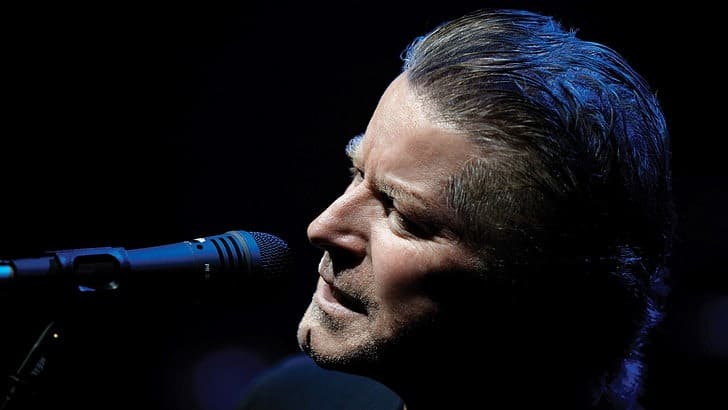
Don Henley is an American singer, songwriter, and drummer, best known as one of the founding members of the Eagles, one of the most successful and influential rock bands of all time. Born on July 22, 1947, in Gilmer, Texas, Henley played a crucial role in shaping the Eagles’ sound with his distinctive vocals and songwriting contributions.
Some of the Eagles’ most famous songs, including “Hotel California,” “Desperado,” and “Take It Easy,” feature Henley’s vocals. As a drummer, he provided the band with a solid rhythmic foundation.
Apart from his work with the Eagles, Don Henley has had a successful solo career. His debut solo album, “I Can’t Stand Still,” was released in 1982. The album included hits like “Dirty Laundry” and “Johnny Can’t Read.” Henley continued to release solo albums, showcasing his versatility in blending rock, pop, and country influences.
In addition to his musical career, Don Henley is known for his activism and advocacy on environmental issues and various social causes. His contributions to music, both with the Eagles and as a solo artist, have earned him critical acclaim and numerous awards, including several Grammy Awards. Henley’s impact on the rock and country genres is undeniable, making him a respected figure in the music industry.
1. The Boys of Summer (solo)
“The Boys of Summer” is a song by Don Henley, released as a single from his solo album “Building the Perfect Beast” in 1984. The song became one of Henley’s most successful and iconic solo tracks, earning critical acclaim and commercial success.
Written by Henley along with Mike Campbell, the guitarist for Tom Petty and the Heartbreakers, “The Boys of Summer” reflects on themes of nostalgia and lost love. The lyrics tell the story of a past relationship and the longing that comes with the passage of time.
Musically, the song features a memorable synthesizer riff and a distinctive guitar solo by Mike Campbell. The combination of the evocative lyrics and the atmospheric sound contributed to the song’s widespread appeal.
“The Boys of Summer” received several awards, including the Grammy Award for Best Male Rock Vocal Performance in 1985. The song’s impact has endured over the years, and it remains a classic example of Henley’s solo work. The track has been covered and referenced by various artists, solidifying its status as a timeless and influential piece of 1980s rock music.
2. Hotel California (with Eagles)
“Hotel California” is one of the most iconic songs by the Eagles, released as the title track of their fifth studio album in 1976. The song was written by Don Felder, Don Henley, and Glenn Frey and has become synonymous with the Eagles’ legacy.
The narrative of “Hotel California” is often interpreted as an allegory for the excesses and disillusionment of the California lifestyle, particularly in the music industry. The lyrics describe a traveler who checks into a luxurious hotel (the “Hotel California”) but soon realizes that leaving becomes impossible, representing the seductive and sometimes destructive nature of fame and fortune.
Musically, “Hotel California” is characterized by its intricate guitar work, including the iconic dueling guitar solos played by Don Felder and Joe Walsh. The song blends rock, folk, and a touch of country, showcasing the Eagles’ ability to craft multi-layered and timeless compositions.
“Hotel California” earned critical acclaim and commercial success, winning the Grammy Award for Record of the Year in 1978. It has become one of the Eagles’ signature songs and a classic in the rock genre. The evocative lyrics, memorable guitar solos, and overall atmospheric sound have contributed to the song’s enduring popularity and its place in the pantheon of rock classics.
3. Life in the Fast Lane (with Eagles)
“Life in the Fast Lane” is a song by the Eagles, released in 1977 as part of their album “Hotel California.” While the song is often associated with the Eagles, it is primarily written by Joe Walsh, Glenn Frey, and Don Henley. Don Henley, one of the Eagles’ founding members, was also the drummer and co-lead vocalist for the band.
“Life in the Fast Lane” is a rock song that captures the spirit of the 1970s, depicting a fast-paced and hedonistic lifestyle. The song features a driving beat, memorable guitar riffs, and Henley’s distinctive vocals. Joe Walsh’s guitar work on the track is particularly noteworthy for its energy and flair.
The lyrics of “Life in the Fast Lane” tell a story of living on the edge, with lines like “Life in the fast lane, surely make you lose your mind.” The song became a hit for the Eagles and is considered one of their classic rock staples.
Don Henley’s contributions to the Eagles, both as a vocalist and songwriter, played a crucial role in the band’s success. “Life in the Fast Lane” is a testament to the Eagles’ ability to create timeless and influential rock music during the 1970s.
4. Desperado (with Eagles)
“Desperado” is a classic ballad by the Eagles, released in 1973 as part of their second studio album of the same name. The song was primarily written by Glenn Frey and Don Henley, both of whom were members of the Eagles and shared lead vocals on many of the band’s tracks.
“Desperado” is known for its soulful and poignant lyrics, capturing the essence of a lone outlaw or a romanticized figure. The song paints a picture of someone seeking redemption and wrestling with the consequences of a wild and reckless life. The word “desperado” itself refers to an outlaw or a bold, reckless person.
Don Henley’s vocals on “Desperado” are particularly evocative, conveying a sense of vulnerability and longing. The song features acoustic guitar work and a melancholic melody, contributing to its timeless and emotional appeal.
Over the years, “Desperado” has become one of the Eagles’ most beloved and enduring songs. It’s often considered a classic in the realm of country rock and has been covered by various artists. The track remains a staple in the Eagles’ live performances and is celebrated for its poetic lyrics and musical beauty.
5. The End of the Innocence (solo)
“The End of the Innocence” is a song by Don Henley, released as the lead single and title track of his third studio album in 1989. The song is a collaboration between Henley and Bruce Hornsby, who co-wrote the track and played piano on it.
Lyrically, “The End of the Innocence” reflects on social and political changes, exploring themes of disillusionment and the loss of innocence. The lyrics touch on topics such as war, inequality, and the challenges faced by society.
Musically, the song features a poignant melody and is highlighted by Bruce Hornsby’s piano work. Don Henley’s emotive vocals convey the depth of the lyrics, and the overall arrangement reflects a sophisticated blend of rock, pop, and elements of adult contemporary music.
“The End of the Innocence” received critical acclaim and commercial success. The song won the Grammy Award for Best Male Pop Vocal Performance in 1990. It remains one of Don Henley’s signature solo songs, showcasing his ability to tackle complex themes with musical and lyrical sophistication. The track’s enduring popularity has solidified its place as a classic in the realm of adult contemporary and soft rock music.
6. The Heart of the Matter (solo)
“The Heart of the Matter” is a song by Don Henley, released as a single in 1990 from his album “The End of the Innocence.” Don Henley, best known as a founding member of the Eagles, pursued a successful solo career, and “The Heart of the Matter” is one of his notable solo compositions.
Released in the late 1980s, “The Heart of the Matter” is characterized by its reflective and introspective lyrics. The song delves into themes of forgiveness, personal growth, and the complexities of relationships. Henley’s vocals, combined with the soulful melody and poignant lyrics, create a powerful and emotive listening experience.
The song was well-received critically and commercially, earning Henley praise for his songwriting and vocal delivery. “The Heart of the Matter” is often regarded as one of Henley’s standout solo tracks and has endured as a classic in the singer-songwriter genre.
With its thoughtful lyrics and Henley’s signature musical style, “The Heart of the Matter” remains a testament to the enduring talent of Don Henley as both a solo artist and a key figure in the world of rock and pop music.
7. New York Minute (solo)
“New York Minute” is a song by Don Henley, released on his third solo studio album, “The End of the Innocence,” in 1989. Co-written by Henley, Danny Kortchmar, and Jai Winding, the song is known for its reflective lyrics and a soulful musical arrangement.
Lyrically, “New York Minute” tells the story of the fleeting nature of time and the transience of life in the bustling city of New York. The song explores themes of ambition, consequences, and the realization that life can change in an instant.
Musically, the song features a melodic and contemplative arrangement, incorporating elements of rock, jazz, and adult contemporary music. The emotional depth of Henley’s vocals adds to the poignant atmosphere of the track. The saxophone solo, played by renowned jazz saxophonist Wayne Shorter, is a notable feature, contributing to the song’s soulful and sophisticated sound.
“New York Minute” received critical acclaim for its lyrical depth and musical craftsmanship. While not as commercially successful as some of Henley’s other hits, the song has gained recognition over the years for its poignant storytelling and reflective mood. It remains a standout track in Don Henley’s solo discography, showcasing his ability to blend thoughtful lyrics with a diverse range of musical influences.
8. Dirty Laundry (solo)
“Dirty Laundry” is a song by Don Henley, released in 1982 as the lead single from his debut solo album, “I Can’t Stand Still.” Don Henley, a co-founder of the Eagles, embarked on a successful solo career, and “Dirty Laundry” was one of his early solo hits.
The song is notable for its satirical and critical lyrics, addressing sensationalism and media manipulation in the news industry. Henley uses the metaphor of “dirty laundry” to highlight the intrusive and often sensationalized nature of journalism.
“Dirty Laundry” features a rock sound with elements of new wave and a memorable guitar riff. Henley’s vocals convey a sense of urgency and frustration, aligning with the song’s theme of media scrutiny.
The track received positive reviews and commercial success, becoming one of Henley’s most recognizable solo efforts. The accompanying music video, which also addressed media issues, further contributed to the song’s impact.
“Dirty Laundry” remains a classic in Henley’s solo catalog and is often cited as an example of his ability to address social and cultural issues through his music. The song’s message about media sensationalism continues to resonate, making it relevant across different eras.
9. All She Wants to Do Is Dance (solo)
“All She Wants to Do Is Dance” is a song by Don Henley, released on his second solo studio album, “Building the Perfect Beast,” in 1984. The song is known for its infectious beat, catchy chorus, and its commentary on geopolitical issues of the time.
Lyrically, the song addresses themes of political unrest, war, and the desire for escapism in the face of a troubled world. Henley’s lyrics reflect a sense of disillusionment with the state of global affairs, emphasizing the contrast between serious issues and the desire for carefree entertainment.
Musically, “All She Wants to Do Is Dance” features a mix of rock, pop, and dance elements, with a prominent use of synthesizers and a danceable rhythm. The upbeat and energetic nature of the song, combined with Henley’s smooth vocals, contributed to its commercial success.
The music video for the song, directed by Henley and David Fincher, received attention for its creative and satirical take on the song’s themes. “All She Wants to Do Is Dance” became one of Henley’s most successful solo hits, reaching high positions on the charts and receiving positive reviews for its blend of social commentary and pop sensibility.
10. One of These Nights (with Eagles)
“One of These Nights” is a song by the Eagles, released in 1975 as the title track from their fourth studio album. The song was written by Don Henley and Glenn Frey, both of whom were integral to the Eagles’ songwriting and vocal contributions.
“One of These Nights” is characterized by its sultry and atmospheric sound, blending elements of rock, soul, and funk. The song features a distinctive guitar riff, a driving beat, and Henley’s soulful lead vocals. It showcases the Eagles’ ability to experiment with different musical styles while maintaining their signature harmonies.
The lyrics of “One of These Nights” convey a sense of longing and desire, capturing the anticipation of a romantic encounter. The title phrase suggests a future moment of connection, adding a touch of mystery to the song.
The track became a major hit for the Eagles, topping the Billboard Hot 100 chart and earning critical acclaim. “One of These Nights” remains a classic in the Eagles’ discography, highlighting their versatility and skill in crafting memorable and emotionally resonant rock songs.

Edward Tomlin is a frequent contributor to Singers Room. Since 2005, Singersroom has been the voice of R&B around the world. Connect with us via social media below.









